
Back pain can leave a practical question unanswered: what does your care plan mean for closeness with a partner? Ask the clinician treating your back about the movements and symptoms that matter in your case, rather than testing a position from a photograph.
Perhaps you have been told to keep moving, but bending to put on shoes still feels difficult. An evening together raises another uncertainty. Does that general advice cover intimacy? You do not need to demonstrate what hurts or arrive with an intimate diagram. Explain the ordinary movements that trouble you and ask how your existing restrictions apply.
First check whether this needs urgent care
With back pain, some changes need immediate assessment. The NHS back-pain guidance advises emergency care for pain, tingling, weakness or numbness in both legs; loss of feeling around the genitals or anus; bladder or bowel changes; or new changes in genital sensation or sexual function. Chest pain or pain after a serious accident also belongs in that emergency guidance. Use your local emergency service.
Sudden severe pain, pain worsening quickly, or feeling feverish or generally unwell calls for urgent medical advice. Back pain that persists, disrupts everyday activities or worries you warrants a clinician discussion. Do not wait for an intimacy appointment or a completed diary when symptoms require earlier help.
Describe the movement question
For a routine visit, begin with the gap in your instructions: “My back pain affects bending and getting up. I want to understand what activities I should avoid, including during intimacy.” This is different from asking someone to approve an online position name. Names do not describe the movement, duration or support involved.
Separate what you know from what you fear. You might know that reaching across a table hurts, while being unsure whether a different activity would do the same. Say that. There is no need to reproduce pain to make the question credible. Our general appointment preparation guide can help if saying the first sentence feels difficult.
Think about the actions already present in daily life: sitting, standing, turning, reaching or changing surfaces. Describe any limitations you have actually noticed. Avoid converting those observations into a diagnosis or deciding which part of the spine must be responsible.

Bring a useful snapshot
A short record can organize the discussion. Note when the back pain began, where you feel it, whether it travels, and what everyday activities change it. Include existing diagnoses, recent treatment and instructions you have already received. If you cannot recall an exact date, an honest approximation is enough.
List medicines and supplements, including anything you take for pain. Ask about concerns rather than changing a prescribed dose or using extra medication to get through an activity. If you have postoperative instructions, bring them: general online advice cannot override the restrictions for your operation.
Record the question you most want answered at the top. For example: “What does staying active mean while I am still having these symptoms?” You can mention intimacy as an everyday quality-of-life concern without giving details you do not want to share. Ask for communication support or a private discussion if that helps.
Translate general advice into your own plan
NIAMS describes back-pain assessment as a combination of history, examination and, when needed, further investigation. Its back-pain diagnosis and treatment overview also distinguishes remaining active from persisting with activities that cause or increase pain. That distinction is a useful starting point for questions, not individual permission to try a particular setup.
Ask which movements or activities you should currently avoid, what changes should prompt you to stop, and how to approach returning to activities over time. If a physiotherapy plan is involved, ask whether the therapist can address your particular movement concerns. A recommendation for everyday activity does not automatically authorize every exercise or intimate activity.
Make the answer practical. “Should I contact you if this symptom appears?” and “When should we review the restriction?” are clearer than leaving with “be careful.” If you are given unfamiliar terminology, ask for an explanation and written instructions you can revisit.
Share the boundary, not a performance target
Your partner does not need to become your movement assessor. You can say: “I am waiting for advice about my back. I want time together, but I am leaving anything uncertain out.” Decide what you both want in the present, with no obligation to progress beyond a conversation or quiet company.
A pause should be easy to request and immediately respected. Our comfort and communication guide offers plain language for changing plans. A shared wish list can preserve an idea for later without turning it into an agreement or deadline.

Keep shopping separate from medical clearance
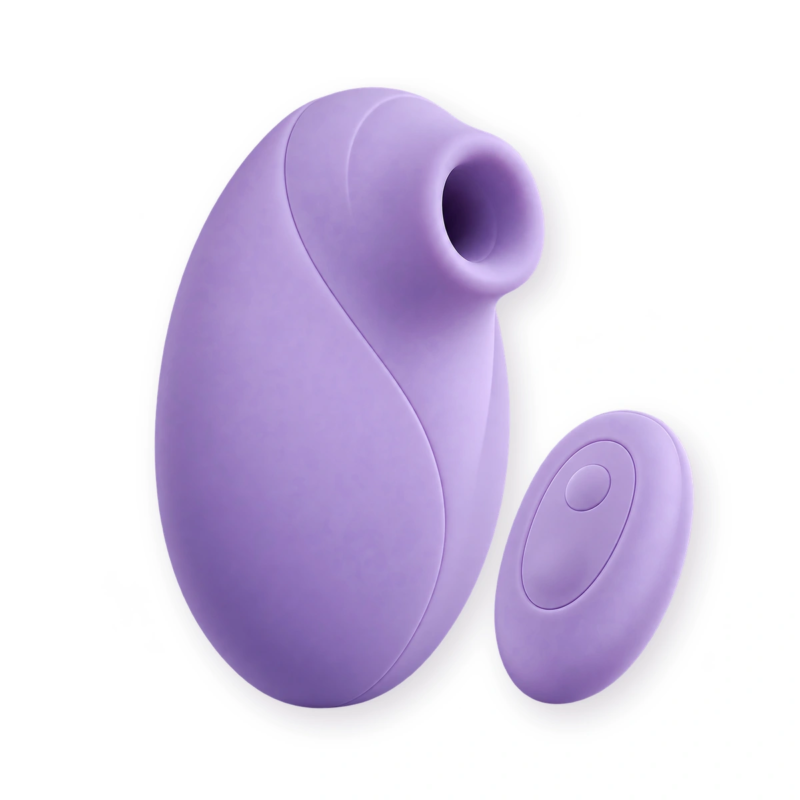
A cushion, remote control or rechargeable device cannot establish what is appropriate for your back. If a product is already part of your question, bring its exact instructions to the clinician rather than assuming a feature solves a movement restriction. Our features and promises guide explains why a listed feature should not become a health guarantee.
The example below is for reviewing product information if remote controls are already a preference. Its listing describes a wireless remote and rechargeable power; it makes no determination about spinal health or your individual activity plan. No purchase is needed before asking for care.
Leave with a follow-up route
The NHS appointment question checklist recommends clarifying next steps, things to avoid and who to contact if matters worsen. Before leaving, repeat your understanding of the activity advice and ask when it should be reviewed. Keep the written plan somewhere private and accessible.
If a question remains unanswered, ask which professional can help rather than filling the gap with a product claim or online demonstration. The useful result is a care plan you understand, including a decision to wait.
Back pain and intimacy questions
Should I try a position before the appointment?
No. Describe symptoms and limitations you have already noticed. Do not provoke pain to produce a more detailed report.
Does staying active mean every activity is suitable?
No. Ask how that advice applies to your symptoms, diagnosis and current restrictions. Individual surgical or rehabilitation instructions need their own clarification.
Can a remote-controlled product protect my back?
A remote control is a product feature, not evidence of protection or medical suitability. Discuss your actual movement concern with your care team.
Can new genital numbness wait for a routine visit?
Back pain with new loss of feeling around the genitals or anus, bladder or bowel changes, or the other emergency changes described above needs immediate medical assessment.