
A feature tells you what a product offers. A promise tells you what somebody expects it to do for you. Knowing the difference makes a busy product page much easier to read.
Imagine comparing two toys after a long day. One page describes a small case and a single button. Another says its design will transform your experience. The second sentence is more exciting, but the first gives you something concrete to check.
When reading sex toy claims, separate documented features, personal preferences, and claims about results. Then ask what evidence supports the exact statement. You can choose something that interests you without treating a sales headline as a prediction about your body.
First, decide what kind of claim you are reading
Some statements can be checked against measurements or instructions. Others describe an experience that will vary between people. A third group makes a stronger promise about health or a particular outcome. These need different questions.
| Statement type | Illustrative wording | What to check |
|---|---|---|
| Documented feature | “One-button control.” | The manual, button layout, and actual operating sequence. |
| Preference prediction | “The perfect shape for everyone.” | Which dimensions and design details match your own priorities. |
| Outcome or health promise | “Guaranteed results” or “clinically proven.” | The specific evidence, what was tested, and whether the wording matches it. |
These are examples, not descriptions of a particular listing. A page can contain all three kinds. Do not let an accurate measurement make an unrelated promise seem established.
For example, several vibration patterns describe available settings. They do not tell you which setting you will prefer. Our guide to mode counts and startup behavior helps you turn a headline number into practical control questions.
Ask three questions when a promise matters
Start with the sentence that could change your buying decision. Copy it into a note, then ask: what exactly is being promised, what supports it, and does that support concern the same product and result?
Consider the impression a page creates as well as its literal words. Does a medical-looking graphic make you expect a tested benefit, even though no research is linked? Write down that expectation too. A photograph, a badge, and a research reference provide different kinds of information.
Make the question specific. Instead of asking whether a product is “better,” ask what better means in this sentence. Easier controls, a smaller storage footprint, and a promised change in a health condition are very different propositions.
If a page links to research, check whether it tested this exact model, a different device, or a general topic. General information may explain an idea without establishing the advertised result for an individual product. An unanswered question can remain unanswered; you do not have to fill the gap with the most optimistic interpretation.

If a study is cited, look beyond its title
You do not need to become a researcher before buying an everyday item. But if a research claim is the reason you would spend more, it deserves a closer look.
NCCIH’s explanation of research methods identifies the study approach, participants, measurements, and steps to reduce bias as important details. Use those headings as prompts: who took part, what was compared, and what did the researchers actually measure?
A survey of preferences answers a different question from a trial testing a defined intervention. A finding about one group does not automatically answer a different group’s question. Check whether the article is reporting a single study or discussing several studies, and read the stated limitations.
The number of participants also matters. NCCIH notes that small samples can produce inconclusive or chance findings. A large number alone is not a quality certificate either; it does not remove the need to check the methods and the match to the claim.
Use reviews for questions, rather than guarantees
A review can tell you what one person noticed. It may prompt useful questions about packaging, charging, controls, or storage. It cannot tell you in advance that your preferences will be the same.
Read for detail: does the reviewer explain the feature they liked, or offer only praise? If somebody calls a product easy to use, find out what they mean. A clearly placed button might matter to you; their preferred sensation might not.
For videos and social posts, also look at who created the content and whether it is promotional. NCCIH’s guide to distinguishing information from advertising is a useful starting point. Popularity and a confident presentation do not replace the missing product details.
Turn a promising feature into a useful shortlist
Write down one practical need before opening another tab: straightforward controls, space in a small drawer, or care instructions you can follow. Compare the details that answer that need. Keep the result you hope for separate from the feature you can verify.
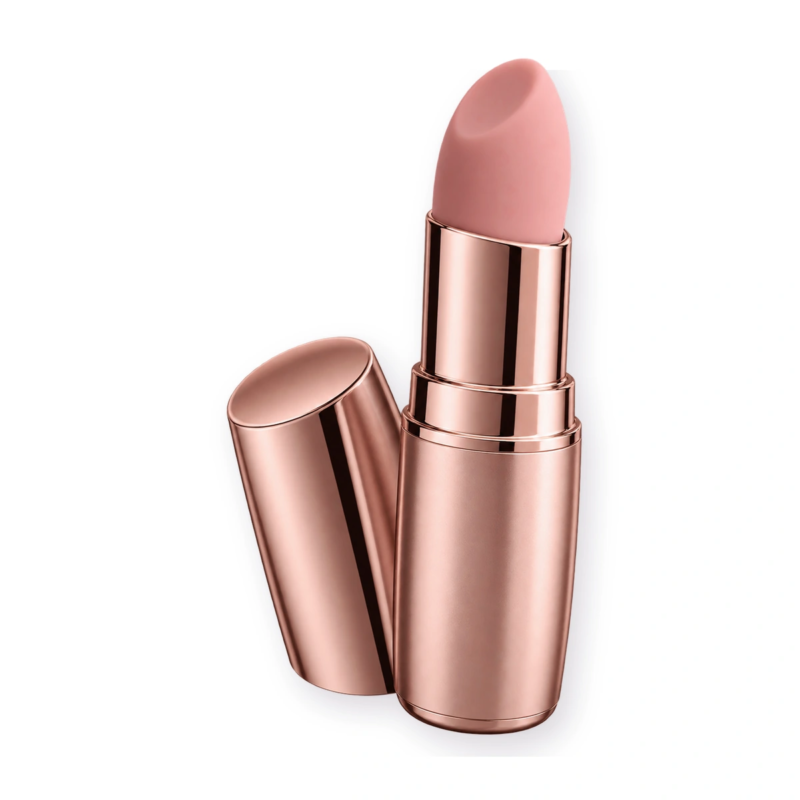
For example, the Lipstick Mini Travel Vibrator listing describes a lipstick-inspired form, multiple vibration patterns, and one-button control. Those are features to review. They are not evidence of a guaranteed experience, medical benefit, or suitability for every buyer.
Use the product comparison tool to organize a shortlist, then return to each current detail page. A comparison is only as useful as the information behind it. Ask about missing details rather than assuming that an empty field means a feature is absent or included.
Be equally specific about care language. “Waterproof” needs instructions and a stated rating, not a guess from a photograph. The water-resistance and care guide explains which questions to take back to a listing. For broad material wording, use the materials and construction checklist to identify information you still need.

Leave room to choose, ask, or wait
If you are buying together, compare your priorities before agreeing on a model. Our guide to talking about intimacy can help you start that conversation. Nobody has to want an item because its headline sounds impressive.
A useful final note has three lines: “What I know,” “What I still need to ask,” and “Why this fits my priorities.” If the purchase depends on an unverified promise, waiting is a reasonable decision. If your concern is a persistent symptom or a health condition, discuss that concern with a qualified clinician rather than asking a shopping page to diagnose it.
You can read more educational articles in Sex Education. Bring the same questions to any retailer’s page, including ours: what is documented, what is personal preference, and what remains uncertain?
Questions about product claims
A few quick answers before making your shortlist.
Does a high mode count mean a better result?
A mode count describes available settings. Check how the controls work and which settings you actually want. It cannot predict your personal experience.
What should I ask about a “clinically proven” claim?
Ask for the research reference, the product or intervention tested, the participants, and the outcome measured. Check whether those details support the exact advertised statement.
Can customer reviews help me choose?
Yes, as accounts of individual experiences and prompts for practical questions. They do not establish that everyone will have the same result or replace evidence for a health claim.
Do I need clinical research for every ordinary feature?
Match the question to the claim. Dimensions and button layout can be checked against specifications and instructions. A promise about a health benefit needs appropriate supporting evidence.