
If you want a partner to accompany you to an intimacy-related health appointment, agree on their role before you go. They might help remember questions, take notes with your permission, or simply provide company. Support should make it easier for you to speak and decide, while leaving room for time with the clinician alone.
Imagine feeling comfortable bringing someone to the waiting room but uncertain about discussing symptoms in front of them. You do not have to choose between having support for the whole visit and having none. Ask the clinic what arrangements are possible and explain the parts for which you would like company.
Make the invitation specific
Instead of “Come and explain it for me,” try a narrower request: “Would you come with me and help me remember my questions?” A clear request reduces the chance that a partner prepares to answer everything or assumes they should stay throughout the appointment.
The NHS appointment preparation guide includes bringing someone for support if you wish. You can still prepare your own main questions. Our guide to describing intimacy discomfort focuses on that separate task.
Agree on what help would be welcome and what would be distracting. Perhaps you want the person to remind you of one question only after you finish speaking. Perhaps you prefer them to wait nearby and help with the journey home. Both are concrete forms of support.
Choose who speaks, writes, and keeps the notes
You might say, “Please let me answer first, then ask whether I want to add anything.” This gives the appointment a workable pattern without asking either person to memorize a script. If a partner remembers an observation differently, they can describe it as their observation rather than replace your account.
For note-taking, decide what is useful to capture: the questions asked, instructions given, and follow-up arrangements. Avoid turning notes into a transcript of private details that you did not want recorded. Ask the clinician before making an audio or video recording, since clinic rules and circumstances differ.
- My role: Describe the concern and ask the questions that matter to me.
- Your role: Offer the specific help we agreed on.
- Notes: Record the plan only if I want that help.
- Private time: Be ready to step out if requested.

Ask for private time without making it a dispute
A practical sentence is, “I would like a few minutes with the clinician by myself.” You can tell the clinic about that preference in advance or raise it during the visit. The supporter can make this easier by treating the request as an ordinary part of the appointment.
You may have a question that is difficult to introduce with anyone else present. You do not need to rehearse its contents with a partner before asking for private time. If communication support is needed, ask the clinic what suitable assistance it can arrange rather than assuming one companion can meet every need.
Afterward, choose what you want to share. A useful summary might be, “I have a follow-up appointment and a question to clarify before changing our plans.” That can communicate a practical boundary without handing over all your clinical notes. The distinction also matters when using a shared list for relationship ideas.
Keep support separate from permission for care
In its guidance for England, the NHS explains consent to treatment as a voluntary, informed decision made by a person with the capacity to decide. A partner’s presence does not turn the conversation into a vote. If the clinician needs to assess decision-making or provide support, they will explain the relevant process.
You can ask what a proposed step involves, why it is suggested, and what alternatives or next steps are available. The companion’s helpful role may be to remind you of an unanswered question, not to persuade you to agree quickly because the appointment is running late.
For gynaecology outpatient care specifically, RCOG guidance discusses bringing a friend or relative, requesting a chaperone, and asking for a procedure to stop. Ask your own service how it arranges these roles. A personal supporter and a clinical chaperone serve different purposes; do not assume one automatically replaces the other.

Debrief around the plan you chose to share
After the visit, start with what you want help remembering. You might check the next appointment date or ask someone to read back an instruction you wrote down. If anything is unclear, use the clinic’s contact route rather than allowing a shared guess to become a rule for your relationship.
Keep clinical instructions distinct from a partner’s expectations. An appointment does not create an obligation to resume intimacy, buy a product, or reach a particular milestone. You can say, “I will tell you what I want to discuss after I have had time to think.”
Store any notes in the place you agreed. Our wellness privacy checklist explains why the device, account, and saved file are separate considerations. If an online claim influenced your question, trace the claim to its original source before treating it as part of the care plan.
Leave shopping decisions for their own conversation
A companion may want to help by buying something. Ask them to wait if you have not decided what you want. The product reference below is optional information from this store. Its listed controls and charging features do not establish suitability for a health condition or substitute for an individual care discussion.
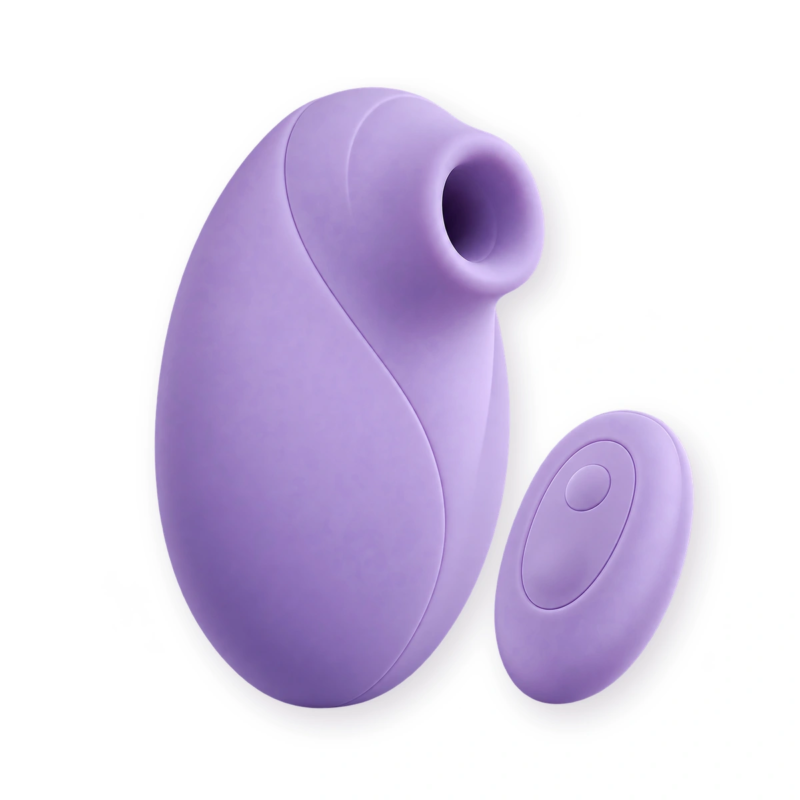
You can keep the appointment useful without making a purchase. The result to aim for is understanding your next step and having support in the form you actually chose.
Questions about bringing a supporter
Make room for help, privacy, and your own decisions.
Does bringing someone mean they should answer for me?
Agree on the help you want. You can ask them to let you speak first and offer reminders only when invited. Tell the clinician if you need a different arrangement.
Can I ask them to wait outside for part of the visit?
Tell the clinic you would like private time and ask how it can be arranged. A supporter can help by accepting that request without demanding the details of the private conversation.
Is my partner automatically the clinical chaperone?
Do not assume that. Ask the service how it provides a chaperone and whether a personal supporter can also be present. These roles have different purposes.
Do I need to share all the notes afterward?
Decide what you want to share and what practical help you want. Agree where any notes are kept, especially if the device or account is shared.