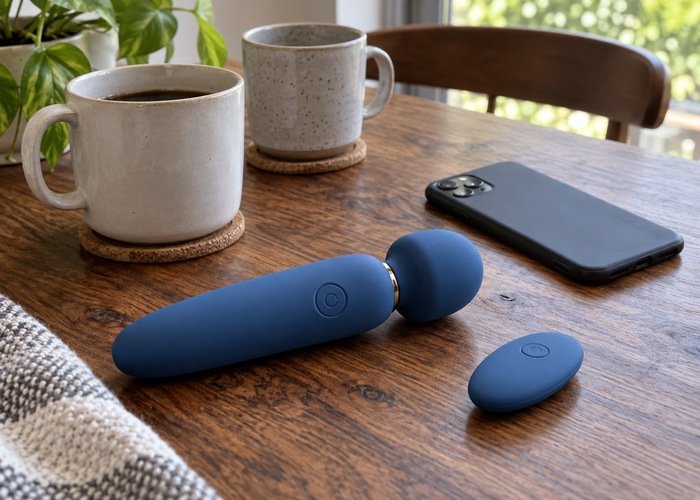
A tired evening, an awkward cushion, a preference you have not said aloud. Start with the details that matter to you.
Imagine an evening together with nowhere else to be. The phones are away, the room is quiet, and there is finally time to relax. Then someone’s shoulder gets tired. A cushion keeps slipping. You want to adjust, but hesitate because you do not want to interrupt the moment.
Say something. Making intimacy more comfortable begins with noticing what you need and feeling able to share it. Before looking for a new accessory, consider how you both feel, whether the space works for you, and how easily you can ask for a change.
A useful starting point: check in with each other, make the space practical, and compare accessories only when you have a clear reason to include them. Comfort is personal; a product cannot promise it for every body.
Start with tonight’s energy
Some evenings you feel curious and energetic. Other evenings, you want closeness without much planning. Make that part of the conversation.
Ask, What sounds good tonight?
or Anything you would rather skip?
One person may want something familiar while the other simply needs more time to unwind. Give each other room to answer without defending a preference.
If you are unsure how to begin, our first-time intimacy comfort plan covers expectations, preparation, and clear pause signals. Those conversations remain useful well beyond a first experience.
Consent also continues throughout an experience. Sexual Health Wirral explains that consent is a free choice and can be withdrawn at any time. Agreeing to one idea does not settle every later choice, and either person can change their mind.

Make the space work for you
Look around before choosing what to explore. Is there enough room to move comfortably? Does the furniture stay steady? Can you reach what you need without stretching across the room?
Clear nearby clutter and move hard objects away from surfaces you may use. If something wobbles or slips, address that before relying on it. Keep the setup easy to change rather than building an arrangement you feel obliged to stick with.
Considering a cushion or purpose-made support accessory? Read the specifications alongside the photograph. These questions can help you compare the practical details.
| Detail | Question to ask |
|---|---|
| Dimensions | Will it fit the space where we intend to use it? |
| Firmness and support | Does the manufacturer explain how it supports weight and any limits? |
| Stability | What information is available about its base and intended surface? |
| Cleaning | Is the cover removable, and what care does it require? |
| Storage | Where will it go afterward, and can it dry as instructed? |
A shape that looks appealing in a photograph may feel different in your room. Avoid treating a support accessory as a treatment for pain or as proof that a particular setup will suit you.
Use simple words when something needs to change
You do not need an elaborate explanation. Try My arm needs a break,
Can we pause?
or I would like a little more space.
Specific requests give your partner something clear to respond to.
If you are listening, acknowledge the request and make room for the change. Avoid bargaining over a pause or asking someone to continue while you find a solution. You can talk, adjust the room, or decide to leave things there.
Discussing that approach ahead of time may make the words easier to use later. A pause does not require an apology, and there is no obligation to return to the original plan.
Choose accessories around a real preference
Before browsing, finish this sentence: I am looking for something that…
Perhaps you want controls that are easier to understand. Perhaps published measurements matter most, or you want a care routine that fits your home.
For controls, check what happens when the device starts, how settings change, and how to stop it. Our guide to startup behavior, setting memory, and vibrator controls explains the questions worth asking before buying. A mode total alone cannot answer them.


Use the KissSelf product comparison tool to review alternatives side by side. Focus on the differences you care about. No particular design is necessary for a comfortable shared experience.
Give cleaning the same attention. Our guide to water-resistance ratings and vibrator care explains why the main unit and its accessories may have different instructions. Check the permitted cleaning method, drying requirements, and storage advice for the actual model.
Check compatibility and take pain seriously
If dryness contributes to discomfort, the NHS guidance on vaginal dryness discusses water-based lubricants and when symptoms need medical attention. Lubricant is an option to consider, not an explanation for every kind of discomfort.
Check compatibility with each product involved. The NHS advises against oil-based lubricants with latex condoms and identifies water-based or silicone-based alternatives. Separately, follow the toy manufacturer’s lubricant guidance; condom compatibility does not establish toy compatibility.

If something hurts, stop. Avoid assuming that another accessory, a different setup, or more persistence will resolve it.
Sex Therapy London’s NHS guidance on painful vaginal penetration explains that pain can have several contributing causes and should be assessed by a medical professional. Describe what you notice and when it happens; you do not need to identify the cause before asking for advice.
Questions you might still have
A few clear answers before you decide what comes next.
Should we buy anything before trying to improve comfort?
Start by identifying what needs attention. A conversation, more time, or a practical change to the room may address your concern. If you consider a purchase, choose around a specific need and check the relevant specifications.
What if we disagree about including a toy?
Leave it out unless you both want to include it. Discuss the idea without making agreement a condition of spending time together. Buying an item does not create an obligation to use it.
How can we remember what worked?
Have a brief conversation afterward. Ask what felt comfortable and whether there is anything either person would prefer next time. Keep it curious rather than turning it into a performance review.
Let the next step fit you both
You may finish with a clearer preference, a question to research, or no reason to change anything. Let that guide your next step. For related reading, explore Positions & Exploration and choose the questions that matter to you.
For adults 18+. This article provides general information and does not replace individual medical advice. Editorial images illustrate everyday settings and are not product photographs.