
If tiredness keeps affecting everyday life and intimacy, describe the pattern to a clinician rather than treating it as a failure of effort or desire. Note when it started, what has changed in ordinary tasks, and anything useful about sleep or medicines. You do not need to know the cause before asking for help.
One tired evening and a continuing change are different experiences. Imagine repeatedly cancelling time together because even a short conversation feels difficult, while also struggling with work or household tasks. That broader picture is worth describing. The question is not how to push through an intimate activity; it is how to explain the change clearly.
Decide when to ask for assessment
The NHS advises seeing a GP when unexplained tiredness lasts a few weeks, affects daily life, or occurs with other symptoms. Its guidance also cautions against self-diagnosis. You do not need a complete diary or a relationship explanation before making contact.
Tell the service what is happening when requesting an appointment so it can advise on the appropriate route. If a new problem seems urgent, seek prompt medical advice rather than waiting to finish these notes. This article is a preparation guide and does not determine the urgency of an individual symptom.
Keep the distinction between tiredness and preference clear. Not wanting intimacy does not itself require a medical explanation. Here, the reason for assessment is persistent or concerning fatigue and its effect on your life, whether or not intimacy is part of the picture.
Write a small snapshot of daily impact
Start with what you have already noticed. A useful note might say, “For the last few weeks I have needed to stop halfway through cooking dinner, and I have been cancelling evening plans.” This is an illustrative example, not a symptom threshold or a diagnostic test.
Record the approximate start, whether the change was sudden or gradual, and a few ordinary tasks that now feel different. If the pattern varies, describe the variation without forcing it into a precise score. A short account you can explain is more useful than a detailed chart you feel obliged to maintain.
- When: Roughly when did the change begin?
- Impact: Which normal activities have become harder?
- Pattern: Is it constant, variable, or associated with particular circumstances?
- Context: What else changed around the same time?

Bring sleep and medicine context without guessing the cause
If you have useful sleep information, include it. The NHLBI sleep diary offers a way to record sleep, daytime sleepiness, medicines, and drinks such as caffeine or alcohol for discussion with a doctor. It is a conversation aid, not a way to decide your diagnosis yourself.
You can use that resource if it feels manageable, or ask the clinician whether a record would help. Do not postpone assessment to collect perfect data. Note observations as observations: “I wake several times” describes an experience; naming a sleep disorder makes a conclusion you may not be able to support.
Bring an accurate medicine and supplement list, including anything recently started or changed. Ask about possible relevance instead of stopping a prescribed medicine on your own. If remembering the details is difficult, taking the packaging or an existing list may be easier than rewriting everything.
Explain the intimacy impact in plain words
You can say, “The fatigue is also affecting closeness with my partner, and I would like to discuss that.” You do not have to give graphic details to introduce the concern. Describe what matters to you: cancelled plans, reduced capacity for conversation, or uncertainty about what feels manageable.
Our guide to organizing a conversation about intimacy concerns provides another example of describing the problem before guessing a solution. Keep your own concern at the centre rather than trying to fit someone else’s story.
With a partner, a practical sentence might be, “I want time with you, but I cannot promise how much energy I will have.” Ask what kind of company you both want today. Neither a shared plan nor a purchase creates an obligation to do more than you choose.

Leave with a clear next step
The NHS appointment checklist recommends preparing important questions and checking what happens next. Ask what any suggested test is for, when to expect results, and whom to contact if the plan does not address the change you described.
You might ask, “What should I do while we are working out the cause?” or “Which changes mean I should contact you sooner?” Repeat the plan in your own words. If an instruction sounds vague, ask for an explanation that fits your daily activities.
A follow-up note can be simple: what was discussed, what is being arranged, and what you need to do next. Keep it somewhere you can access without placing sensitive information on a shared shopping list. Our private wellness reading guide explains practical differences between devices, accounts, and saved material.
Keep product decisions separate from fatigue care
Changing the time of day, trying a different product, or buying something with more controls does not establish the cause of persistent fatigue. If you simply want to compare schedules, morning and evening planning is a separate conversation.
The commercial product reference below is optional reading for a later shopping decision. Its listed control features do not show that it treats fatigue or is suitable for a particular medical condition. You can leave a purchase undecided while seeking assessment.
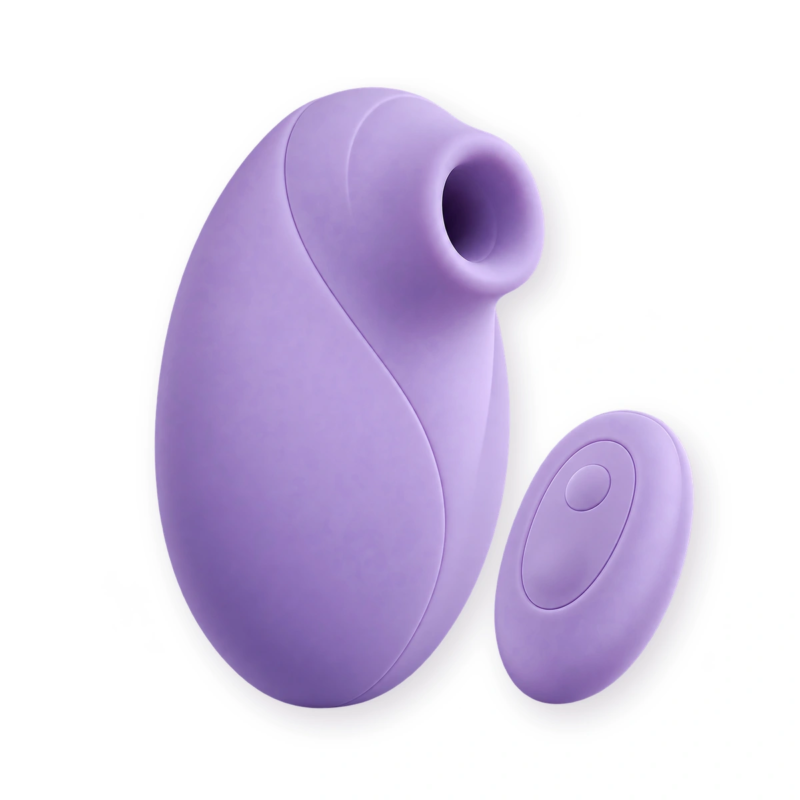
Use the same distinction when reading confident promises online: our features-versus-promises guide explains how to keep a specification separate from a claimed outcome.
Questions about persistent tiredness
Prepare for a conversation without setting yourself a performance target.
Do I need a complete diary before booking?
No. Ask for assessment when the problem warrants it. Bring the observations you have and ask whether any further record would help.
Does low interest automatically mean a health problem?
No. Preferences and interest vary. This guide concerns persistent or worrying tiredness and its effect on daily life, not a requirement to want intimacy.
Should I stop a medicine that seems related?
Bring the timing and medicine list to a clinician or pharmacist. Do not change a prescribed treatment on the basis of a guess from an online article.
Can a new product solve persistent fatigue?
A product listing does not establish the cause of fatigue or provide treatment. Keep optional shopping decisions separate from assessment and your own choices about intimacy.