
A shared list can give a conversation somewhere to begin. It should leave both people free to be curious, undecided, or uninterested without creating an obligation.
Imagine sending your partner a product link with the message, “What do you think?” They save it. A week later, you discover that one of you thought it was an interesting question while the other thought it was an agreed plan.
A shared intimacy wish list works better when it records questions rather than commitments. Decide what belongs on it, who can see it, and how either person can remove an entry. Keep personal details separate from shopping information, and ask again before turning a note into an activity or purchase.
Agree on what the list is for
Start with a small invitation: “Would it be useful to keep a few ideas we might want to talk about?” If the answer is no, a list is unnecessary. A conversation can remain a conversation.
If you both like the idea, describe its purpose in one sentence. It might be a place to save questions about products, plan unhurried time together, or remember topics for a later discussion. Avoid combining all of those into a checklist of things someone is expected to do.
Devon Sexual Health explains that consent is voluntary, specific, and can be withdrawn. Applying that principle here means a saved idea is not permission to act on it. Agreement to discuss something today does not settle another decision next week.
Our guide to talking about intimacy can help if the invitation feels awkward. Ask what your partner would find useful before choosing a notebook, app, or format for them.
Use labels that make uncertainty visible
A long list of unexplained links leaves too much room for interpretation. Add a short note about why an entry is there. Use ordinary words you both understand, rather than colors or symbols whose meaning has never been agreed.
| Label | What it means | What it does not mean |
|---|---|---|
| A question to discuss | One person would like more information. | Both people want to try or buy it. |
| Interesting, still undecided | There is curiosity, with room for uncertainty. | Someone should be persuaded. |
| Not for me | Leave the idea alone. | Ask again until the answer changes. |
| Remove this note | The entry no longer belongs on the shared list. | Keep a private copy as a record of a promise. |
These labels are conversation aids, not a scoring system. Do not rank each other’s willingness or count how many ideas someone has declined. An empty list is a valid outcome.
Keep entries brief. “Ask about the controls on this model” says more than a heart beside a screenshot. If you later decide to shop together, the couples’ shopping guide addresses practical comparison questions.
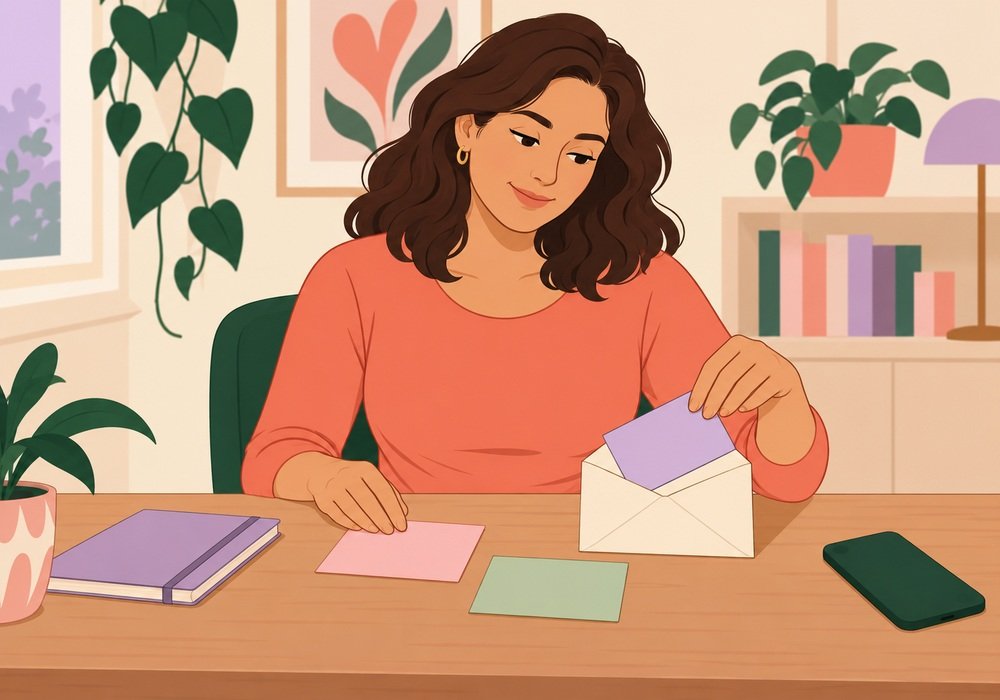
Save less personal information
You may only need a product name and a neutral question. There is no requirement to add photographs, detailed personal histories, or an explanation of every preference. Ask yourself whether the note helps the next conversation or simply creates a record neither person needs.
For example, “Would a separate remote be convenient?” can stay separate from a private discussion about why somebody is interested. Do not paste a partner’s messages into a shared document without asking. Being able to access a conversation does not make it yours to distribute.
For this list, a practical choice is to leave personal images out entirely. A text question or public product link is usually enough to identify a topic. Choose a format both people are comfortable with instead of treating more disclosure as a sign of greater interest.
This is different from choosing permissions for a connected toy. If software is involved, use the app-permissions and privacy checklist for that separate task. A shared note does not grant device access or replace an account’s own controls.
Keep a product link separate from a decision
When a product is relevant, link to the exact current listing rather than saving an unlabelled picture. Write the specific feature you want to understand. That lets either person return to the same information without guessing the model.
For instance, the Compact Remote Vibrating Egg listing describes a wireless remote and rechargeable power. A list entry could ask, “Would we prefer a separate remote, and what would we need to know about stopping and storing it?” The entry does not recommend the product for every couple or suggest that anyone has agreed to use it.
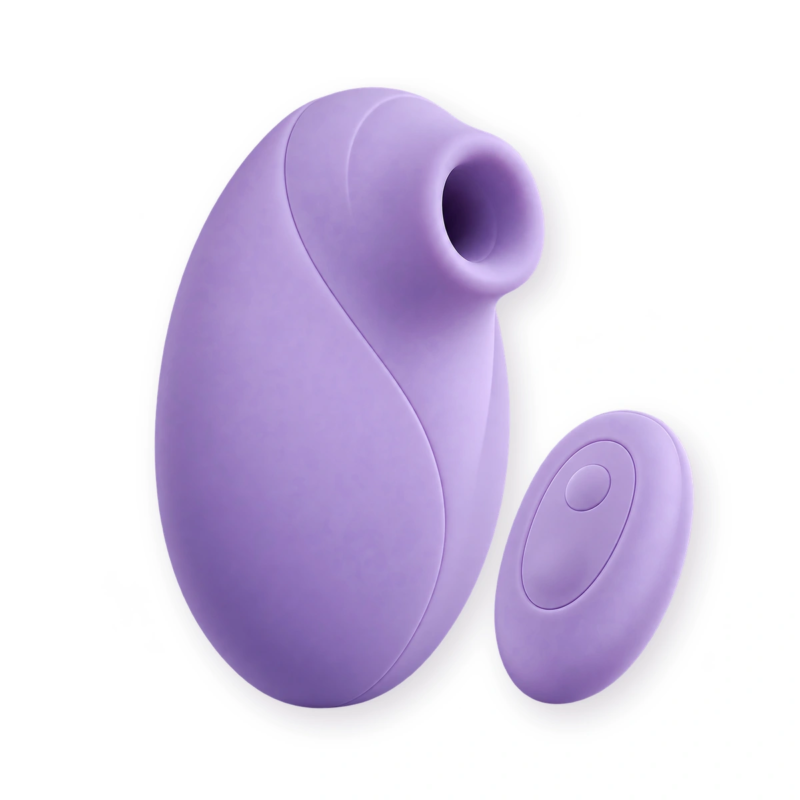
Any purchase needs its own conversation about who wants it, the practical details, and the budget. The guide to remote control and consent explains why possession of a controller is a separate matter from present agreement.
Decide who can see, save, or forward it
Before sharing a document or message, agree on its audience. Is it only for the two of you? Can either person take a screenshot? Would you both prefer paper? Choose the simplest format you are comfortable with; you do not need a new service just to save three questions.
love is respect advises discussing digital boundaries and warns that control can be lost after a photo or message is sent; a message may travel further than its sender intended. A disappearing message or a deletion request cannot promise that every copy is gone. Keep that limitation in mind when choosing what to write.
love is respect advises against pressuring a partner to share passwords. Do not treat account access as proof of trust or inspect a partner’s device to check compliance. Discuss what each person is comfortable saving. If you cannot agree on the format or audience, keep the discussion offline and do not create the shared record.
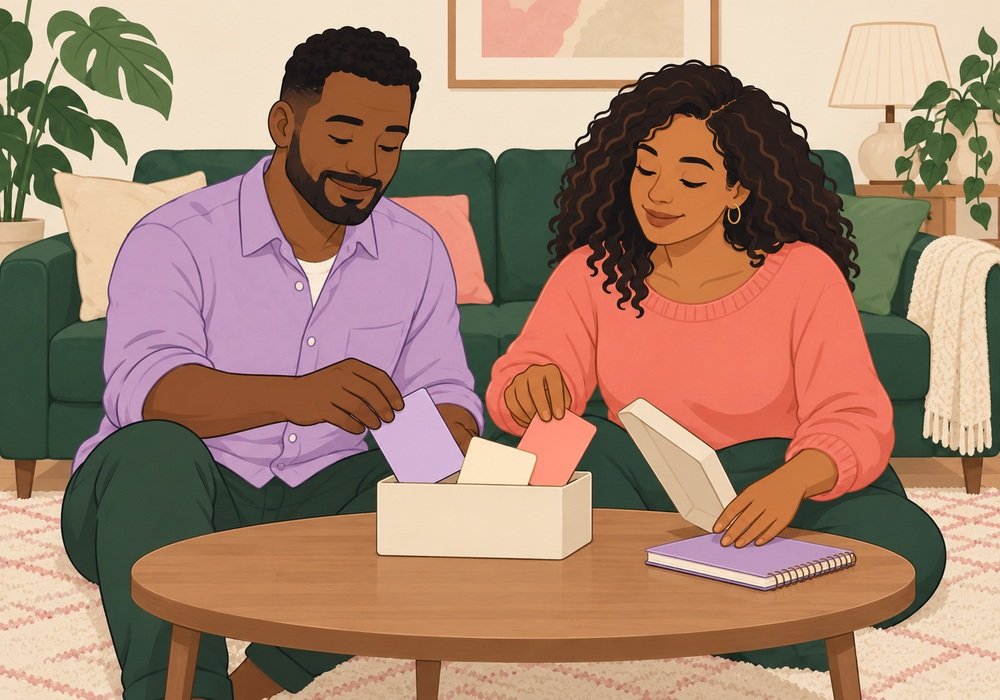
Review, remove, or retire the list
When you return to an entry, ask whether it still interests both of you. Do not use an old note as evidence against a current answer. Someone can be curious in one conversation and uninterested later.
If either person wants an entry removed, respect that. Discuss any saved copies honestly rather than claiming that deleting the main list erases every record. Neither person owes a replacement idea.
You can also stop using the list altogether. A useful closing question is, “Did this make talking easier?” If it has started to feel like homework, a shopping obligation, or a record of refusals, put it aside. More ideas are not the goal; a conversation both people want is.
For further non-graphic reading, browse Sex Education. Keep the list small enough that it serves your conversation, with room for each person’s choices to change.
Questions about a shared wish list
A few answers before you decide whether a list would help.
Does adding an idea mean agreeing to try it?
No. A saved question or product link records curiosity, not permission. Discuss any later activity or purchase separately, and respect a different answer.
Do we need to include personal photographs?
No. A brief text question or a public product link is usually enough. Keep personal images out if they are unnecessary, and never forward someone else’s private content without permission.
What if one of us wants an entry removed?
Remove it from the shared list and discuss any copies honestly. Do not demand an explanation, a replacement idea, or proof that the earlier interest was sincere.
What if a shared list feels uncomfortable?
Skip it or stop using it. You can have a conversation without keeping a written record. Both people should be comfortable with the purpose, audience, and format.