
Before taking a supplement marketed for sexual wellness, bring its exact label and a complete medicine list to a pharmacist or another qualified healthcare professional. A promise about stamina, energy, or a natural formula does not tell you whether the product is appropriate with your medicines. Leave the purchase undecided while you get that question answered.
Imagine seeing a small bottle promoted as an easy addition to date night. The advertisement says little about the ingredients, but the reviews sound enthusiastic. The useful next step is to identify what the bottle actually contains and ask about your circumstances, rather than trying to infer safety from the tone of the advertisement.
Identify the exact product before asking about it
Save the full product name, manufacturer or distributor details, and photographs of every label panel. Include the ingredients, listed amounts, directions, warnings, and any batch information available. A cropped front-label image may show the marketing name while leaving out the information someone needs to review.
If a seller offers several versions, check that the photographs belong to the version you are considering. A familiar name is not enough to establish that two bottles have the same formulation. If the listing has no readable label, ask for it rather than filling the gap from a similar product elsewhere.
This is a practical information check, not a home test of the contents. Even a detailed label cannot prove that every ingredient has been disclosed. Keep that limitation in mind when the product makes a particularly confident health promise.
Treat natural language as a description, not clearance
The NHS guidance on herbal medicines advises checking with a pharmacist before taking a herbal medicine when you already use other medicines, including those available without a prescription. Plant origin does not remove the need for that conversation.
Instead of asking only, “Is this natural?”, ask, “Can you review this exact product alongside everything I take?” That question gives the professional a more useful task. If they need further information, keep the decision open until you understand what is missing.
Our guide to separating features from promises covers a related reading habit. An ingredient name or packaging description is different from evidence that a promised outcome will happen for you.

Bring a complete list, including occasional products
Include prescribed medicines, pharmacy purchases, other supplements, and products you use only occasionally. Write down their names and how you currently take them as accurately as you can. If you are unsure of a name, the original packaging may help more than a guess.
NCCIH describes examples of herbs interacting with medicines. Its examples show why a review needs the particular substances involved; they do not provide a shortcut for checking every combination yourself. Avoid deciding that an unmentioned ingredient must therefore be compatible.
A useful question is, “Does anything on this list change your advice about this supplement?” Mention relevant health circumstances and any upcoming treatment to the professional reviewing it. Do not stop, skip, or change a prescribed medicine to make room for an optional supplement based on online advice.
If you have already taken the product, say what you took and when. There is no benefit in leaving it off the list because it was a one-time purchase or because the packaging described it as food. Accurate information makes the discussion more useful.
Read alerts without treating absence as approval
The FDA’s sexual enhancement and energy product notifications describe products found to contain hidden ingredients. The agency explicitly warns that its list covers only a small fraction of contaminated products and that absence from the list does not establish safety.
If you search the database, keep the exact name and any matching notification together. A search result is a reason to read the full notice, not to improvise a dose or try a different seller of the same item. Follow the notice and ask a healthcare professional about your situation.
A convincing testimonial also cannot resolve an ingredient question. A reviewer may not use your medicines or know what was in their own product. Read the original professional source before forwarding a reassuring claim; our source-checking guide offers a simple way to do that.

Leave with an answer you can explain
Write two or three questions before the conversation. For example: “Is there enough information to assess this product?”, “Do my medicines change the advice?”, and “Who should I contact if I have already used it and feel unwell?” Ask for clarification when an answer is unfamiliar.
If a new or troubling symptom occurs after using a product, seek medical advice and describe the product and timing. If symptoms seem severe or urgent, obtain urgent care rather than waiting for a shopping enquiry to be answered. Keep packaging available for the professional who assesses you.
You may decide not to take the supplement. You may also need a separate appointment about the concern that led you to consider it. For example, persistent tiredness affecting daily life calls for its own explanation and assessment, rather than assuming an energy promise addresses the cause.
Keep a health question separate from shopping pressure
Tell a partner, “I want to check this before deciding.” That leaves room to discuss what you each want without making a purchase the condition of spending time together. An optional product can stay optional.
A physical wellness device is a different product category from something you swallow, but it still has its own instructions and limitations. The commercial reference below shows the distinction: its listed controls and charging method are specifications, not evidence that it treats a health concern or replaces an interaction review.
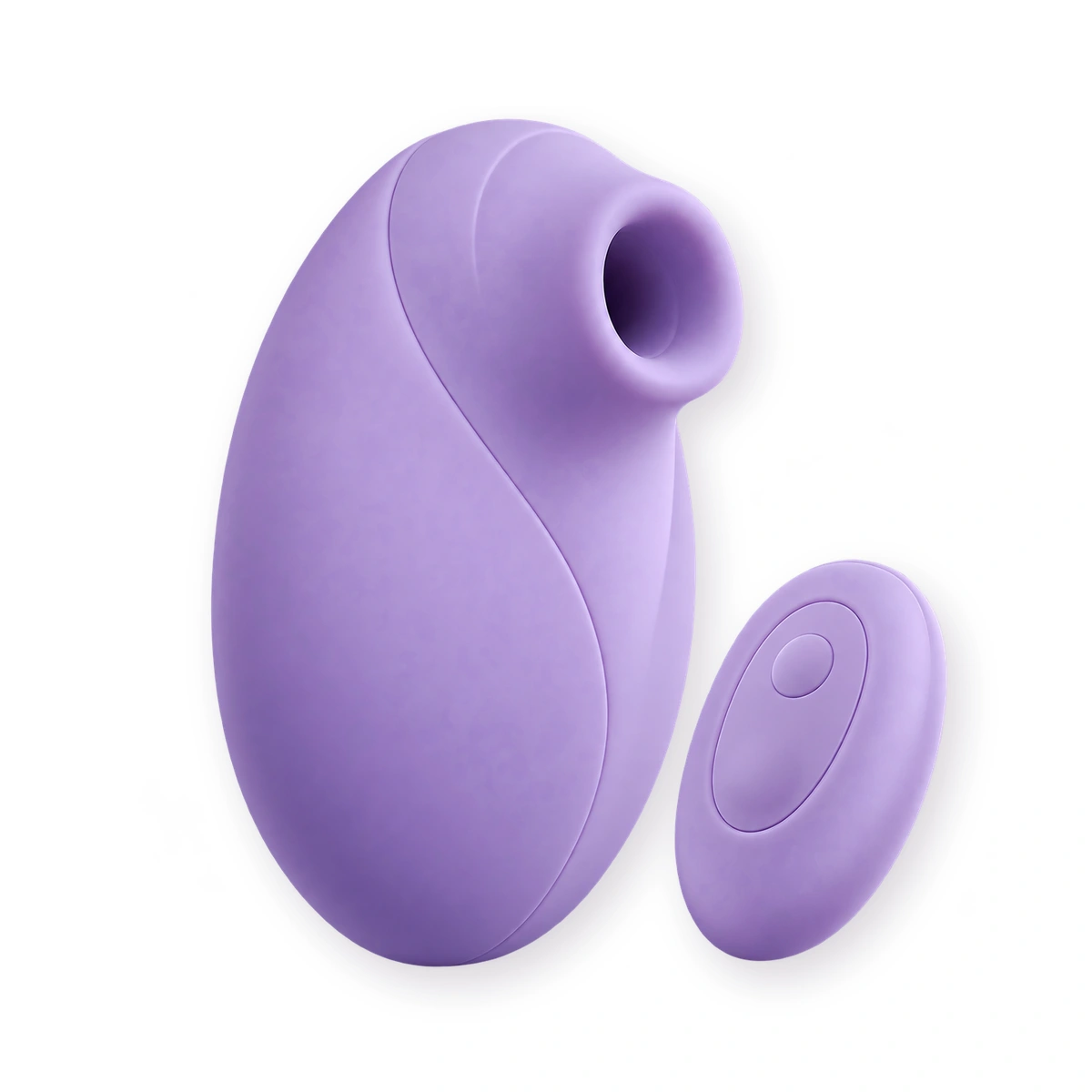
If you decide to order any product later, our arrival checklist explains how to match the model and find its instructions before first use. Keep the pharmacist’s advice with your own private notes rather than treating a store listing as a medical record.
Questions before trying a supplement
Check the information and your circumstances before making a decision.
Does natural mean it cannot interact with medicine?
No. Ask a pharmacist to review the exact product with your full medicine list. Plant origin is not a substitute for checking the particular combination.
What if the product is not in the FDA warning list?
The FDA states that the list is incomplete. Not finding a product does not establish that it is safe or suitable for you.
Should I change a prescribed medicine before trying it?
Do not change prescribed treatment to accommodate an optional supplement on the basis of online advice. Discuss the proposal with an appropriate healthcare professional.
What if I cannot find a complete ingredient label?
Treat the missing information as unresolved. Ask the seller for the exact label and tell the pharmacist what is unavailable. You can leave the purchase undecided.