Postpartum sex is one of the most under-discussed topics in maternal healthcare, and the six-week clearance appointment is largely to blame for the silence around it.
At that visit, your OB or midwife checks that the cervix has closed, any perineal tears or episiotomy stitches have healed, and bleeding has resolved. That’s it. The appointment confirms structural recovery — it says nothing about nerve sensitivity, pelvic floor strength, hormonal status, emotional readiness, or desire. Yet millions of new mothers walk out of that office believing they’ve received a comprehensive green light for intimacy.
“The ‘six-week rule’ is a clinical guideline for physical healing, not a psychological or emotional green light for sexual readiness.” — Mayo Clinic
The distinction between being healed and being ready is enormous, and collapsing the two does real harm. According to research discussed by American College of Obstetricians and Gynecologists, many women experience pain, discomfort, or low desire well beyond the six-week mark — and that’s entirely normal. A 2021 ABC News report highlighted stories of women who felt pressured into resuming sex at six weeks despite experiencing significant physical and emotional barriers. The timeline for genuine readiness can extend to several months or longer, depending on the birth experience, breastfeeding status, and individual recovery.
Listening to your body — not a calendar date — is the primary guide here. Some women notice heightened physical sensitivity even before they feel emotionally ready; others feel emotionally open but physically uncomfortable. Both experiences are valid signals worth honoring. The checkup opens a door; only you decide when to walk through it. Understanding why your body may still feel unprepared — even weeks after clearance — starts with the hormonal picture, which is far more complex than most postpartum conversations acknowledge.

The Hormonal Reality: Navigating Dryness and the Breastfeeding Gap
Breastfeeding fundamentally rewires your hormonal environment — and that shift is one of the most overlooked reasons why asking “how long after birth can you have sex” misses the bigger picture entirely.
The real question isn’t just about timing; it’s about your body’s internal chemistry.
When you breastfeed, your body suppresses estrogen production to sustain milk supply. According to ACOG, this breastfeeding-induced hormonal shift leads directly to vaginal atrophy — a thinning and drying of vaginal tissue — along with a significant reduction in natural lubrication. These aren’t minor inconveniences. They’re measurable physiological changes that make penetration genuinely uncomfortable, sometimes for months on end.
Low estrogen and its effect on vaginal tissue deserve plain, direct explanation. Estrogen is responsible for keeping vaginal walls thick, elastic, and self-lubricating. When levels drop, that tissue becomes thinner and more vulnerable to micro-tears, which means friction that would have felt pleasurable pre-pregnancy can register as burning or sharp discomfort postpartum. This is also why arousal alone often isn’t enough during this window. Even with full mental engagement and desire, the physiological response — the natural lubrication the body typically produces — may be blunted by hormonal suppression. Arousal and lubrication are not the same signal, and postpartum biology can decouple them entirely.
Natural arousal is frequently insufficient during the breastfeeding period, and recognizing that gap changes everything about how partners approach intimacy. One practical response is treating a high-quality lubricant not as an optional add-on, but as a non-negotiable tool — the same way you’d consider any other postpartum recovery support. Understanding how pelvic tension compounds discomfort after childbirth makes this even clearer: when tissue is already fragile, added muscular tightness intensifies the problem significantly.
This hormonal reality sets the stage for understanding why physical discomfort during postpartum sex is common, persistent, and — critically — addressable with the right strategies.
Overcoming Dyspareunia: Strategies for a Pain-Free Return to Pleasure
Pain during postpartum sex is not a personal failing — it’s a physiological reality that affects nearly half of all new mothers. According to the Journal of Obstetrics and Gynecology, nearly 50% of postpartum women report dyspareunia at their first sexual encounter after childbirth. That number holds true regardless of delivery method — women navigating sex after c-section face their own set of tissue trauma and scar sensitivity that can make even non-penetrative touch feel unexpectedly intense.
Pain is data, not a verdict. Understanding what’s driving discomfort is the first step toward addressing it effectively.
Pelvic floor tension is one of the most underrecognized contributors. After months of bearing the weight of pregnancy — and the physical demands of labor or surgical recovery — the pelvic floor muscles often respond by clenching protectively. This guarding reflex can make penetration feel tight, sharp, or burning, even when external tissue has healed. Learning to consciously release that tension, through breathing and gentle muscle release techniques, is often more effective than simply waiting longer before attempting intercourse.
A practical re-entry approach typically follows this progression:
- Start non-penetrative. External touch, sensate focus exercises, and skin-to-skin contact rebuild comfort and arousal without triggering the guarding reflex.
- Introduce controlled intensity gradually. Modern devices with adjustable settings allow users to begin at the lowest stimulation level and increase incrementally — removing the pressure to “push through” discomfort.
- Map sensation before depth. Exploring what feels pleasurable externally creates a neurological baseline that makes eventual penetration feel less foreign and more invited.
The concept of controlled intensity is where technology begins to shift the conversation entirely — and it’s worth exploring in far more depth than a traditional self-care checklist allows.
The Tech-Forward Approach: Why Multi-Functional Devices are Postpartum Essentials
Rediscovering pleasure after childbirth is less about rushing back to what was familiar and more about building something new — and today’s multi-functional devices make that process genuinely therapeutic.
External stimulation is the safest starting point for sex after birth. While the previous sections outlined why penetration can remain uncomfortable for months, clitoral and external stimulation bypasses the most vulnerable tissue entirely. The vulva and clitoris respond to touch without placing pressure on healing perineal tissue, episiotomy sites, or a still-sensitized vaginal canal. According to the International Journal of Gynecology & Obstetrics, approximately 83% of women experience sexual health problems within the first three months postpartum — a statistic that underscores why re-entry into intimacy demands a gentler, more intentional approach.
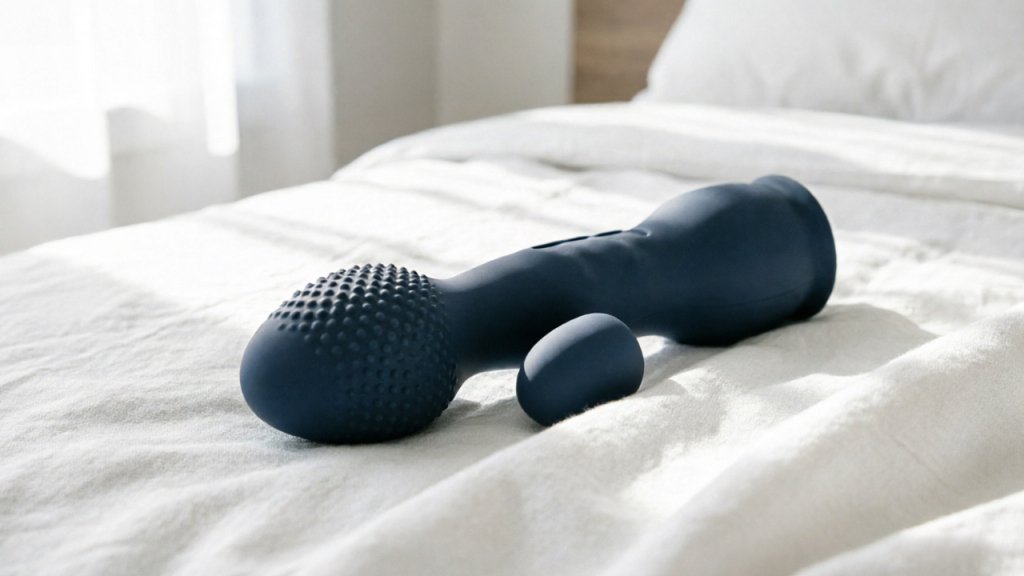
3-in-1 devices — combining suction, vibration, and tapping — offer customized recovery on demand. Rather than committing to a single sensation that may or may not suit your body on a given day, multi-functional devices let you dial in exactly what feels manageable. Suction mimics oral stimulation without friction. Vibration increases circulation to healing tissue, potentially supporting nerve regeneration. Tapping delivers rhythmic pressure that can gradually reawaken sensation in areas that feel numb or unfamiliar post-delivery. This layered approach allows the nervous system to re-map pleasure zones incrementally, rather than confronting the body with intensity it isn’t ready for. Understanding how internal pressure and deep stimulation work can inform how you eventually progress beyond external play.
Automation reduces the physical burden that new mothers simply don’t have. Postpartum exhaustion is not a minor inconvenience — it’s a physiological state. Devices that operate with automated movement patterns remove the need for sustained muscular effort, which matters enormously for someone managing core tenderness, sleep deprivation, and ongoing healing. In practice, this means arousal becomes accessible even when energy is limited, reinforcing the idea that intimacy remains possible without requiring peak physical performance.
For mothers recovering from cesarean delivery, these same principles apply — but the considerations around abdominal engagement add another layer of complexity worth examining closely.

Healing After a C-Section: Unique Considerations for Abdominal Recovery
C-section recovery is a distinct postpartum journey — one that involves healing through multiple layers of tissue, not just skin, and demands a genuinely different approach to rebuilding intimacy.
Abdominal surgery changes the rules entirely. According to Mercy Physio, C-section recovery involves healing across muscle, fascia, and uterine tissue simultaneously, which means core-intensive positions can remain uncomfortable for months beyond the standard six-week marker. Scar sensitivity adds another layer of complexity — many women describe numbness, tingling, or sharp hypersensitivity around the incision site long after the external wound appears closed. This happens because the nerves severed during surgery regenerate slowly and unpredictably, sometimes producing sensations that feel alarming even when healing is progressing normally.
Positioning matters enormously when abdominal pressure is a concern. Avoiding direct contact with the incision site isn’t overcautious — it’s essential. Positions that shift weight away from the lower abdomen, such as side-lying or partner-on-top arrangements, allow intimacy without compressing tender tissue. For couples exploring pressure-free alignment options, techniques that minimize pelvic grinding or deep thrusting are worth understanding early in recovery. It’s also a practical moment to revisit birth control after childbirth with a healthcare provider, since ovulation can return before the first postpartum period — sometimes well within the recovery window.
Pro-Tip: Try a fully reclined side-lying position with a firm pillow supporting the lower abdomen. This keeps the incision site protected while allowing comfortable closeness without any core bracing.
This is precisely where automated, hands-free devices offer a meaningful advantage. Because they deliver stimulation without requiring core engagement, muscle bracing, or sustained physical effort, C-section recovery becomes far less limiting. Nerve healing around the scar is gradual, and gentle vibration — applied externally, away from the incision — can actually help women reconnect with pelvic sensation in a controlled, low-pressure way. That same principle of low-demand reconnection extends naturally into solo exploration, which the next section addresses in depth.
Reclaiming the Maternal Body: Psychological Adaptation and Solo Play
Recovering sexuality after childbirth is fundamentally a psychological process before it becomes a physical one — and that distinction matters more than most postpartum guidance acknowledges.
The mental load of new motherhood is, by itself, a libido suppressant. Research published on NCBI confirms that psychological adaptation to the maternal role often involves a temporary suppression of sexual desire — the brain essentially redirects erotic energy toward infant care as a survival-coded priority. This isn’t a malfunction. It’s biology doing its job, even when it feels disorienting.
“Touched out” is a term that resonates deeply with new mothers, and for good reason. After hours of nursing, carrying, and soothing, the body registers physical contact as demand rather than pleasure. Skin that craves closeness from a partner at the end of a long day can simultaneously recoil from it. Normalizing this tension — rather than treating it as rejection or failure — is one of the most important reframes available to postpartum women.
Solo exploration offers a low-stakes entry point for reconnecting with the body on your own terms. Without a partner’s expectations or a performance dynamic, self-directed touch creates a private space to ask: What feels okay today? What feels different? Starting with gentle vibration — rather than penetration — allows the pelvic floor to register sensation without pressure. Rhythmic stimulation patterns can be especially useful here, as they encourage pelvic muscle awareness through gentle, repetitive input rather than intensity.
The goal isn’t orgasm. It’s orientation — learning what this body, in this season, responds to. That self-knowledge becomes the foundation for everything that follows: the conversations, the boundaries, and the practical steps covered in the checklist ahead.
🎥 [Embed YouTube video: “Postpartum Self-Care” — placeholder for video embed]
The Essential Postpartum Intimacy Checklist
Returning to intimacy after childbirth goes more smoothly when you treat it as a deliberate practice rather than a spontaneous event — preparation is the real foreplay here.
The single most important step is an honest conversation before anything physical happens. Talk with your partner about fears, physical limitations, and what “slow” actually means to each of you. Research highlighted in discussions about postpartum couples’ communication challenges after baby consistently shows that couples who verbalize expectations before resuming intimacy report significantly less anxiety and more satisfaction with the experience. Name your boundaries out loud, and invite your partner to do the same.
Sort out birth control before you feel ready for sex — not after. Fertility can return as early as four weeks postpartum, even while breastfeeding and even before your first postpartum period arrives. That window catches many new parents off guard. Talk with your OB or midwife about the right contraceptive option for your situation, particularly if you’re nursing, since hormonal choices vary.
Set the scene intentionally. Time intimacy around a reliable sleep window for the baby — exhaustion is one of the most consistent mood-killers in the postpartum period. Keep a quality lubricant within reach before you begin; hormonal shifts drastically reduce natural lubrication after birth, and skipping lube is one of the most common reasons early postpartum experiences feel uncomfortable rather than connecting. Some couples also find that relaxation techniques before intimacy — like a warm bath or slow breathing — meaningfully reduce pelvic floor tension beforehand.
Start with external stimulation only, and resist any pressure to rush past it. Clitoral and external touch rebuilds confidence without placing pressure on healing internal tissue. This approach also reinforces the psychological reclamation work covered in the previous section — low-stakes positive experiences stack on each other. As you’ll see in the summary ahead, these foundational steps are what transform the six-week milestone from a deadline into a genuine starting point.
Summary: The Bottom Line on Postpartum Recovery
Postpartum recovery is not a countdown — it’s a continuum that demands patience, honest communication, and the right tools to meet your body where it actually is.
The six-week checkup marks healing progress, not a green light for sex. As Mayo Clinic clarifies, the appointment evaluates whether tissues have closed and healed — it says nothing about desire, lubrication, or emotional readiness. Listening to your body matters far more than following any calendar, and that distinction is the single most important reframe this article has tried to make.
Hormonal shifts are real, and they demand real solutions. Estrogen drops after delivery — especially during breastfeeding — reduce natural lubrication and thin vaginal tissue. This isn’t a character flaw or a signal that desire is gone permanently. It’s a physiological state that responds well to external lubrication, gentle stimulation, and gradual re-engagement. Skipping that preparation and forcing penetration too soon is one of the most common reasons postpartum pain becomes a recurring pattern rather than a temporary phase.
Pain is common, but it is not inevitable. With the right tools and enough patience, most people move through postpartum discomfort and back into satisfying intimacy. Multi-functional devices that prioritize external stimulation and gentle vibration — rather than immediately pursuing penetration — allow arousal to rebuild safely. The shift happening in pleasure technology toward more nuanced stimulation approaches reflects exactly what postpartum bodies benefit from: adaptable, low-pressure engagement that respects individual recovery timelines.
The core takeaway is simple: recovery looks different for everyone, and a tech-forward approach is not about shortcuts — it’s about building a bridge back to intimacy with intelligence and care. Still have specific questions about timing, fertility, or how to talk with a partner? The next section addresses the most common postpartum intimacy questions directly.
Postpartum Intimacy FAQ: Your Questions Answered
Postpartum intimacy raises questions that are deeply personal, often urgent, and rarely answered clearly enough at a six-week checkup.
When is it safe to use a vibrator after birth?
Timing depends on the type of stimulation. New Mom Health guidelines and most clinical experts suggest waiting until the six-week clearance before any internal toy use, since vaginal tissue needs time to heal and infection risk remains elevated. External vibration, however, can often begin sooner — provided there’s no perineal tearing or significant discomfort. Always confirm with your provider before starting, and start on the lowest setting to gauge sensitivity.
Can I get pregnant if I haven’t had my period yet?
Yes — ovulation can occur before your first postpartum period, meaning pregnancy is possible even without a visible cycle returning. Breastfeeding suppresses ovulation for many people, but it’s not a reliable contraceptive method. Talk to your OB or midwife about birth control options that are compatible with breastfeeding if that applies to you.
What if I still have no desire after six months?
Persistent low libido beyond six months is worth discussing with a healthcare provider, as it can signal hormonal imbalance, postpartum depression, or pelvic floor dysfunction — all treatable conditions. It’s more common than people realize. Starting with low-pressure intimacy, including gentle external stimulation that focuses on sensation rather than performance, can help rebuild the mind-body connection gradually.
How do I talk to my partner about pain?
Naming the physical reality removes the emotional charge. Use specific language — “penetration is uncomfortable right now” is clearer than “I’m just not feeling it.” Frame it around healing rather than rejection, and suggest alternatives like massage or non-penetrative touch. If pain persists, a pelvic floor physical therapist can provide tools that translate directly into better partnered communication and outcomes.