Treating yourself as worthy of genuine romantic effort — not just a bubble bath and a Netflix queue — is the mental shift that separates a solo date from simply staying in.
Solo dating is an intentional act of self-reconnection, distinct from passive downtime. Where ‘me time’ often means recovery from the demands of others, a solo date means actively showing up for yourself: choosing a setting, creating an atmosphere, and committing to the experience as you would for someone you wanted to impress. The types of solo dates you choose matter precisely because intention is the ingredient that transforms an ordinary evening into something meaningful.
That intentionality also breaks the cycle of external validation. A significant portion of our satisfaction in shared experiences comes from witnessing someone else’s enjoyment — their approval becomes our reward. Solo dating interrupts that pattern and trains the mind to locate pleasure internally. According to Psychology Today, many individuals who practice solo dating report improvements in self-esteem and emotional independence. The data reflects something therapists have long observed: turning your attention inward, deliberately, builds a more stable foundation for confidence than any external source can.
This is where sexual agency enters the picture. In a solo context, agency means recognizing that desire, curiosity, and physical pleasure are valid on their own terms — not contingent on a partner’s presence or approval. Exploring what genuinely brings you satisfaction, from ambiance to sensory pleasure and touch, is a form of self-knowledge with real-world benefits.
The ‘loneliness trap’ is a common objection to solo date ideas, and it’s worth addressing directly. Loneliness emerges from passive isolation. Intentional solitude, structured around curiosity and self-care, produces the opposite effect. What makes the difference — physiologically, not just philosophically — starts with how your body responds to the environment you create.
Hydrotherapy and the Nervous System: Setting the Physical Stage
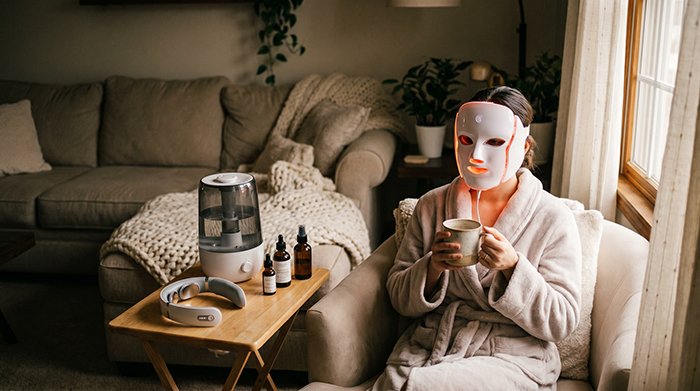
A warm bath isn’t self-indulgence — it’s physiological preparation, and the science behind it makes a compelling case for building it into every home spa night idea you plan for yourself.
When stress accumulates throughout the day, your sympathetic nervous system keeps the body locked in a low-grade “fight or flight” state — elevated cortisol, shallow breathing, constricted blood vessels. Warm water triggers the opposing response. As the body temperature rises, the parasympathetic nervous system takes over, shifting you into “rest and digest” mode. According to the Cleveland Clinic, hydrotherapy combined with sensory stimulation actively lowers cortisol levels and prepares the body for heightened tactile sensitivity — exactly the physiological baseline a meaningful solo date requires.
A warm bath is one of the fastest evidence-backed ways to reset your nervous system and bring your body fully into the present moment.
Increased vasodilation — the widening of blood vessels — pushes circulation toward the skin’s surface, making you more responsive to touch, temperature, and texture. This isn’t incidental; it’s the body priming itself for sensory experience. That heightened skin sensitivity translates directly to a richer awareness of everything that follows: fabric, scent, sound. It’s also worth noting that regular practices building circulation and physical self-awareness tend to compound over time, deepening your connection to your own body.
The bath also functions as a hard boundary between the digital world and your evening. Screens off. Notifications silenced. Consider this ritual sequence:
- Set water temperature between 98°F and 104°F for optimal nervous system response
- Add magnesium-rich Epsom salts to support muscle relaxation
- Include a single essential oil — lavender or ylang-ylang — to engage the olfactory system
- Dim or eliminate overhead lighting; use candles to reduce visual stimulation
- Soak for a minimum of 20 minutes to allow cortisol levels to measurably decline
With your nervous system genuinely calm and your skin sensitized, the next layer of your solo date — what you choose to wear — takes on a different dimension.

Enclothed Cognition: Why Lingerie is Your Mental Power Suit
What you wear when no one is watching shapes how your brain experiences pleasure — and that’s not a style opinion, it’s cognitive science.
Enclothed cognition is the psychological principle that clothing physically worn by the body influences the wearer’s mental state and behavior. Applied to intimate apparel, it means that slipping into something intentionally sensual — even when your solo date ideas involve nothing more than your bedroom and a glass of wine — activates a measurably different psychological mode than staying in sweatpants.
“Lingerie is not about being seen by others; it is a psychological ‘enclothed cognition’ tool that shifts the wearer into a state of sexual agency.” — Dr. Carolyn Mair, Author of The Psychology of Fashion
The self-gaze, not the male gaze, is the point. Dressing for yourself reframes intimate wear as a tool of internal orientation rather than external performance. When the audience is you, the act becomes about accessing a version of yourself — more present, more embodied, more attuned to sensation. That shift in self-perception is exactly what a date yourself experience is designed to create.
The work mindset doesn’t dissolve on its own. The transition from a day of meetings and notifications into a luxury sensory experience requires a deliberate ritual anchor, and clothing is one of one of the most effective options available. Changing into something intentionally chosen signals to the nervous system that the context has shifted — like a costume change between two different roles.
Knowing how to maximize that sensory window once you’re in the right headspace matters just as much as getting there. Which brings up a natural question: once the mindset is set, what kind of physical experience actually matches that elevated state?
The Evolution of Pleasure: Why Automated Tech Beats Basic Vibration
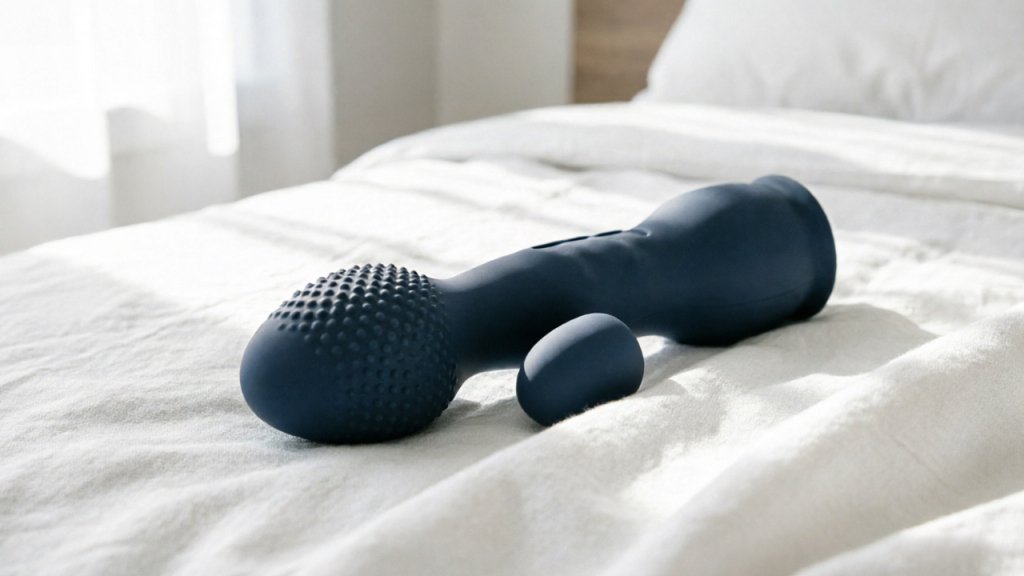
Automated mechanical movements in pleasure devices represent a genuine leap forward — not just a marketing claim, but also a physiological one that changes what’s possible on even the coziest night in ideas you’ve ever planned for yourself.
Standard vibration works on surface stimulation. It delivers a constant buzz that the nervous system rapidly habituates to — meaning the brain can tune it out over time. Automated mechanical movements operate differently. They replicate the variable pressure, rhythm, and directional shifts of human touch, keeping neural pathways actively engaged rather than numbed by repetition.
That distinction matters enormously when it comes to mental state. Rhythmic consistency — not random stimulation — is what allows the brain to enter a flow state, the deeply absorbed experience associated with peak pleasure and stress relief. According to the Sexual Health Alliance, automated mechanical movements mimic human touch more accurately than standard vibration, which is precisely why they’re more effective at producing this deeper response. The brain isn’t fighting unpredictability; it’s surrendering to a reliable, building rhythm.
Triple stimulation — combining tapping, vibrating, and suction in one device — builds on this foundation by engaging multiple nerve endings simultaneously. Each mechanism targets a distinct type of receptor. Tapping creates a percussive, penetrating sensation. Vibration activates broad surface tissue. Suction mimics oral stimulation by drawing increased blood flow to sensitive areas. Together, they create a layered sensory experience that no single-function device can replicate.
This is also why high-performance technology is genuinely a wellness investment, not an indulgence. The psychological benefits of deep pleasure states — reduced cortisol, improved sleep quality, enhanced mood — are well-documented. Treating your solo date night with the same intentionality you’d bring to a gym membership or a therapy session reframes the entire experience.
And the physical environment you create around that experience? That’s where the next layer of intentionality comes in.
Curating Your Environment: Beyond the Senses
Your environment is the silent co-author of every solo date night at home — and getting it right can mean the difference between genuine presence and going through the motions.
The quality of your surroundings directly shapes your experience, down to measurable shifts in cortisol and arousal thresholds. Before any lingerie goes on or any device powers up, the room itself needs to be set.
Lighting as a mood signal. As The Good Trade notes, switching from overhead lights to lamps or candles is one of the most effective ways to cue a mood transition to the brain. Harsh overhead fluorescents keep your nervous system in task mode — the same state you’re in during a spreadsheet review. Warm, low-level light tells your body it’s safe to downshift. Dimmer switches, salt lamps, or even battery-operated candles all qualify. The switch itself becomes a ritual, a physical boundary between “day mode” and something softer.
Sound as an anchor. A curated playlist or ambient soundscape does something overhead silence can’t: it anchors your attention to the present moment. Binaural beats, lo-fi frequencies, or a deliberately chosen album creates an acoustic container for the experience. Resilient Educator highlights sound as one of the underused tools in crafting intentional alone time.
The two non-negotiables worth turning into a short checklist:
- Silence notifications. The “Digital Detox” rule isn’t optional — a single work ping dismantles presence instantly. Put your phone on Do Not Disturb or, better, leave it in another room entirely.
- Designate a no-work zone. If your laptop lives on the bed or bath caddy, relocate it. Physical objects carry psychological weight; removing work tools signals that this space now belongs to you, not your inbox.
Once your environment is tuned, the type of solo date you’re planning becomes the natural next question — and that’s where matching the activity to your actual energy level makes everything click into place.
Solo Date Ideas for Every Energy Level
Not every solo date night looks the same — and it shouldn’t. Matching your chosen activity to your current energy level is the real secret to making self-directed time feel genuinely nourishing rather than like another item on a to-do list.
The Everygirl identifies four distinct types of solo dates — restorative, creative, adventurous, and high-energy — which is a useful framework for understanding that solo time isn’t one-size-fits-all. Think of it as checking in with your social battery before you set the scene you curated in the previous section.
The right date type isn’t chosen by mood alone — it’s chosen by what your nervous system actually needs.
The Restorative Date centers on physical recovery and deep decompression. This means prioritizing sleep hygiene rituals: a long soak in a bath with magnesium salts, dimmed lighting, and zero screen pressure. The goal is parasympathetic activation — helping your body shift out of stress mode and into genuine rest. It’s quiet, it’s slow, and it’s often the most underrated form of self-care.
The Creative Date trades stillness for expression. Journaling with real intention — not just venting, but reflective writing with prompts — or engaging in any artistic outlet like sketching, collaging, or even cooking an elaborate meal solo, gives the mind a productive channel. Creativity during solitude is linked to improved emotional processing and a stronger sense of identity.
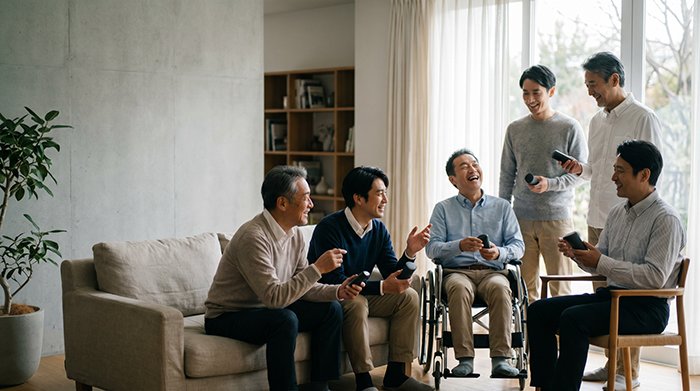
The Sensory Date is where physical exploration takes center stage, including experimenting with new technology designed for pleasure and body awareness. This is the moment to engage with the automated devices discussed earlier in this article — approaching your own body with the same curiosity and presence you’d bring to any new experience. For those exploring accessibility in this space, practical guidance on inclusive exploration can make sensory solo dates more comfortable and expansive for every body.
Here’s a simple way to match activity to energy before you begin:
- Low battery: Choose restorative — bath, stillness, early sleep
- Medium battery: Choose creative — journaling, cooking, art
- Full battery: Choose sensory or adventurous — movement, new tech, bold experiences
Of course, even the best-planned solo date can hit an unexpected wall — not logistical, but internal. That quiet voice that asks why are you doing this alone? is worth addressing directly, which is exactly what comes next.
Overcoming the ‘Awkwardness’ of Dating Yourself
Feeling awkward when you first try solo dating is not a red flag — it’s a reliable signal that you’re doing something that genuinely matters for your growth.
That discomfort is your nervous system adjusting to novelty. Most people have been conditioned to associate romance, candlelight, and intentional pleasure with another person’s presence. Redirecting that energy inward feels unfamiliar at first, and that’s perfectly normal. Reddit’s self-love communities consistently note that treating yourself to a nice meal or dressing up for yourself is a skill — one that requires deliberate, repeated practice before it starts to feel natural. The awkwardness isn’t a sign you’re doing it wrong; it’s proof you’re building something new.
One of the most powerful reframes available is the distinction between being alone and experiencing solitude. Being alone carries a passive, even sad connotation. Solitude, by contrast, is an active, chosen state — a space where self-knowledge deepens. Solo dating research supports the idea that intentional alone time builds emotional resilience and sharpens your awareness of what genuinely brings you joy, without external influence.
The inner critic is perhaps the biggest obstacle on a solo date. That voice that whispers this is weird or you should be doing something productive is just habit speaking. The antidote isn’t to silence it — it’s to acknowledge it and continue anyway. Three mantras worth returning to:
“My presence with myself is enough.”
“Pleasure I choose for myself is always valid.”
“Every solo date makes the next one easier.”
Consistency is what transforms an awkward experiment into a genuine self-care ritual. One solo date teaches you what you like; a dozen tell you who you are. As you build this habit, you’ll likely find that the intentional elements — the environment, the sensory details, the chosen activities — start to feel less like performance and more like a personal language you’re becoming fluent in. That fluency is exactly what the final essentials of a perfect solo date are designed to support.
The Bottom Line: Your Solo Date Essentials
Solo dating isn’t a trend — it’s a scientifically backed practice that builds emotional independence, deepens self-awareness, and transforms how you relate to pleasure on your own terms.
The core insight: a planned solo date shifts focus from external validation to internal satisfaction, a principle backed by Psychology Today and reinforced throughout the research on intentional self-directed time. When you stop waiting for someone else to create the right moment, you reclaim genuine agency over your own well-being.
Here’s what this entire article distills into action:
- Solo dating is legitimate self-care science. Regularly scheduling time with yourself reduces anxiety, strengthens emotional resilience, and improves how you show up in every relationship — romantic or otherwise.
- The ‘Bath + Lingerie + Tech’ trifecta works. Warm water lowers cortisol, intentional dressing activates embodied confidence, and the right automated device elevates sensation to something your body genuinely remembers. The combination is greater than the sum of its parts.
- Automated pleasure devices deliver what basic models can’t. Responsive, rhythmic technology syncs with your body’s natural responses rather than requiring constant manual adjustment — freeing you to stay present in the experience rather than managing it.
- Environment is non-negotiable. Intentional lighting and curated sound aren’t decorative extras. They signal to your nervous system that this time is real, protected, and worth fully inhabiting.
As Resilient Educator notes, the most meaningful solo dates happen when every element — atmosphere, sensation, and intention — works together deliberately. That’s the upgrade this article has been building toward.
If questions are still forming in your mind about the practical details — timing, attire, choosing the right device — the next section addresses exactly that.
Frequently Asked Questions About Solo Dating
Solo dating works best when you have clear, practical answers to the questions that trip most people up before they even begin.
How do I avoid feeling bored during a solo date?
Boredom during a solo date usually signals a lack of intention rather than a flaw in the concept itself. Structure your evening with purpose — choose an activity that genuinely excites you rather than defaulting to passive scrolling. Mixing sensory elements, such as a curated playlist, a new recipe, or a tactile experience, keeps your engagement active.
What is the best time of week for a solo date? There’s no universal answer, but a common pattern is that mid-week evenings — particularly Wednesday or Thursday — work well because the social pressure of weekend plans is absent. You’re less likely to cancel on yourself when Friday FOMO isn’t a factor. Blocking the time in your calendar the way you would an appointment dramatically improves follow-through.
Is it “weird” to wear lingerie when I’m alone?
Not at all — in fact, behavioral psychologist Dr. Carolyn Mair’s expert analysis suggests that wearing intimate apparel functions as a mental “trigger” for pleasure, signaling to your brain that this time is deliberate and special. Dressing up for yourself is an act of self-respect, not performance. What you wear shapes how you feel, and how you feel shapes your experience.
How do I choose the right automated device for my needs?
Start by identifying whether you want external stimulation, internal, or both — then consider factors like noise level, intensity range, and material safety. If you’re new to the category, exploring beginner-friendly options can help you build confidence without overwhelm. Reading detailed product guides and prioritizing body-safe materials will narrow your choices quickly.