Menstrual cycle sex drive isn’t a mood — it’s a measurable biological rhythm driven by shifting hormones that rewire your brain and body every single month.
Many people assume that wanting sex more on some days than others is purely psychological — stress, confidence, relationship dynamics. In reality, your body is running a tightly orchestrated hormonal program in the background, and your desire is largely a downstream effect of that chemistry. As research published in the Journal of Sexual Medicine confirms, sexual arousability varies significantly across the menstrual cycle due to shifting neuroendocrine profiles — indicating your capacity for arousal isn’t fixed but fluctuates on a predictable schedule.
Sexual arousability — the term clinicians use to describe how readily your nervous system responds to erotic stimuli — is the key concept here. It’s not the same as libido in the abstract sense. It’s a physiological readiness state, and it rises and falls in direct response to estrogen, progesterone, testosterone, and luteinizing hormone. Understanding this distinction matters because it means your drive has a biological blueprint, not just a psychological one.
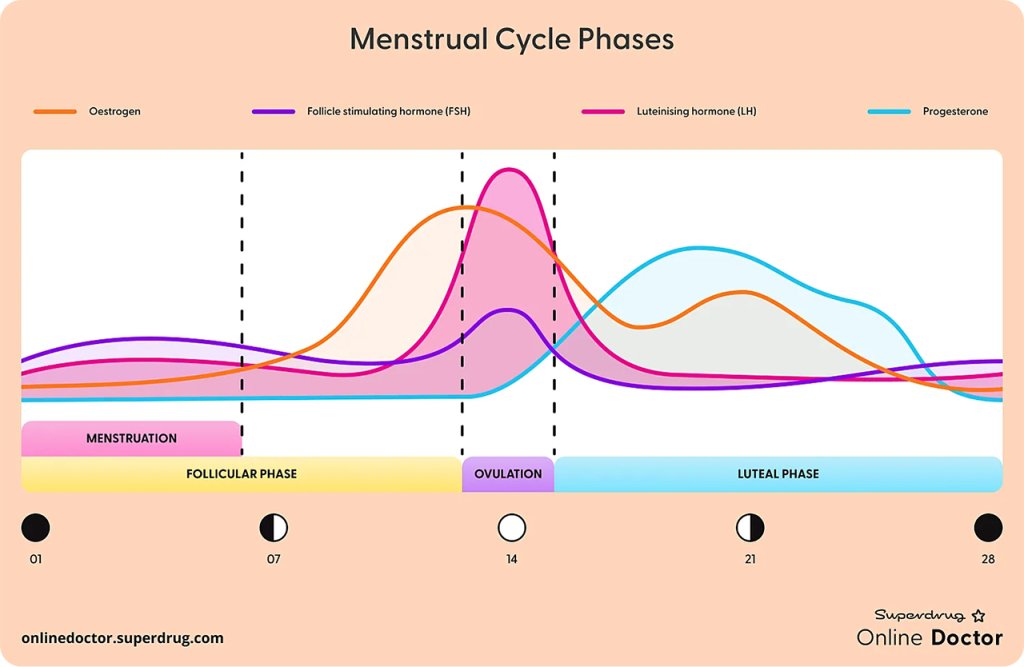
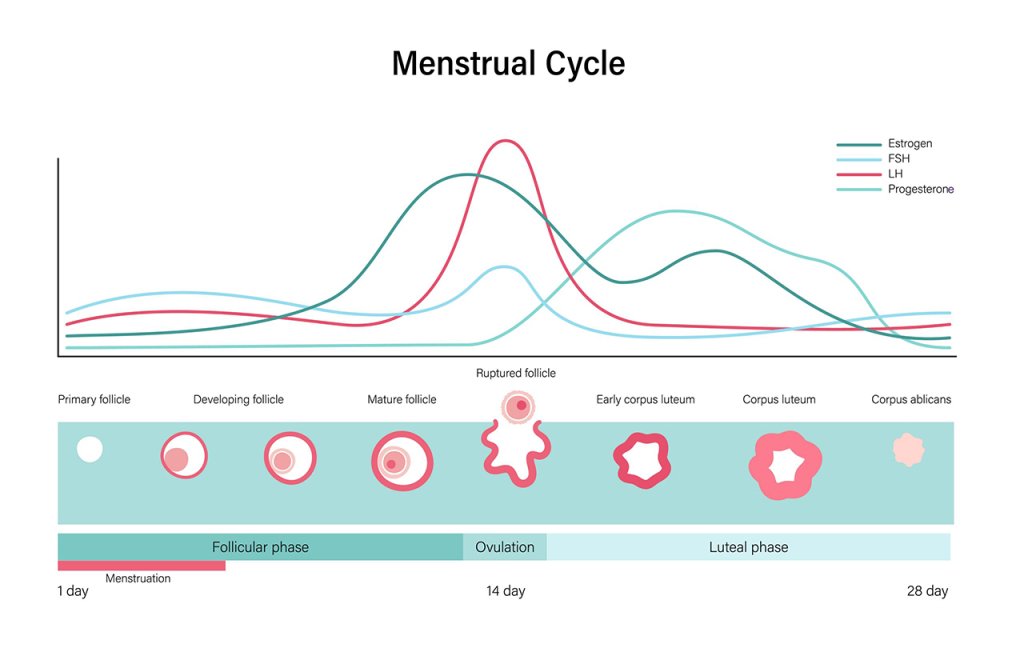
The menstrual cycle unfolds across four distinct phases: menstruation, the follicular phase, ovulation, and the luteal phase. Each phase carries a unique hormonal fingerprint that shapes not just desire, but physical sensitivity, emotional openness, and even the type of stimulation that feels most satisfying. Some phases push you toward novelty and intensity; others call for something slower and more deliberate. Recognizing where you are in that map — and why your body responds the way it does — is genuinely useful information, not just trivia.
The journey starts with the phase many people overlook: the hormonal rise that kicks off right after your period ends.
The Follicular Rise: How Estrogen Fuels Arousal
The follicular phase is where your body quietly shifts gears — and the hormonal engine driving that change is estrogen. As menstruation ends, estrogen levels climb steadily, and with them comes one of the most noticeable shifts in your entire cycle: a genuine, biology-backed surge in desire.
The relationship between estrogen and sex drive runs deeper than simple correlation. Rising estrogen increases the brain’s sensitivity to dopamine, the neurotransmitter tied to motivation, reward, and pleasure-seeking behavior. In practical terms, this means your brain becomes more responsive to arousal cues — touch feels more interesting, connection feels more appealing, and sexual curiosity naturally expands. This isn’t a psychological quirk; it’s your nervous system responding to a measurable hormonal signal.
The physical changes follow the same upward trajectory. Increased estrogen promotes greater vaginal lubrication and enhanced blood flow to the pelvic region, which directly amplifies tactile sensitivity. Tissues that felt neutral days earlier now respond with noticeably more intensity. This physiological priming is the body’s way of preparing for the reproductive window ahead — though its effects on pleasure are just as real regardless of reproductive intent.
“The drop in progesterone and the rise in estrogen during the follicular phase can make women feel more confident, energetic, and sexually adventurous.” — Dr. Jolene Brighten
That psychological shift matters enormously. The confidence that emerges during this phase isn’t incidental — it’s hormonally wired. Many people find they’re more willing to explore what feels good and communicate openly about pleasure during this window, which can meaningfully deepen both solo and partnered experiences.
As sensitivity builds and adventurousness peaks, basic stimulation often starts to feel insufficient. The body is primed for more nuanced, layered input — setting the stage perfectly for what happens next as estrogen hits its absolute ceiling at ovulation.
Ovulation: The Biological Peak of Sexual Motivation
Ovulation represents the single most powerful hormonal surge in the entire menstrual cycle — a coordinated biological event designed, at its core, to maximize the chance of reproduction.
As the follicular phase reaches its crescendo, estrogen levels hit their ceiling and trigger a sharp release of Luteinizing Hormone (LH). This LH surge is the actual signal that causes the ovarian follicle to release an egg, but its effects reach far beyond the reproductive system. LH itself appears to act on the brain’s reward centers, amplifying motivation and sexual interest in ways researchers are still working to fully understand. The combined peak of estrogen and LH doesn’t just prepare the body for reproduction — it actively rewires desire.
Statistics reflect this biological urgency. According to The Journal of Sexual Medicine, women are 24% more likely to engage in sexual activity during the ovulatory window compared to other cycle phases. That’s not a subtle shift — it’s a measurable behavioral change driven entirely by hormonal chemistry.
Physically, the body undergoes a distinct set of changes during this window:
- Clitoral sensitivity increases as elevated estrogen drives greater blood flow to erectile tissue
- Vaginal lubrication peaks, reducing friction and enhancing physical comfort during intimacy
- Cervical position shifts, making penetration feel different and often more pleasurable
- Pheromone output rises, subtly influencing attraction cues between partners
- Grip and genital engorgement increase, heightening sensitivity to pressure and vibration
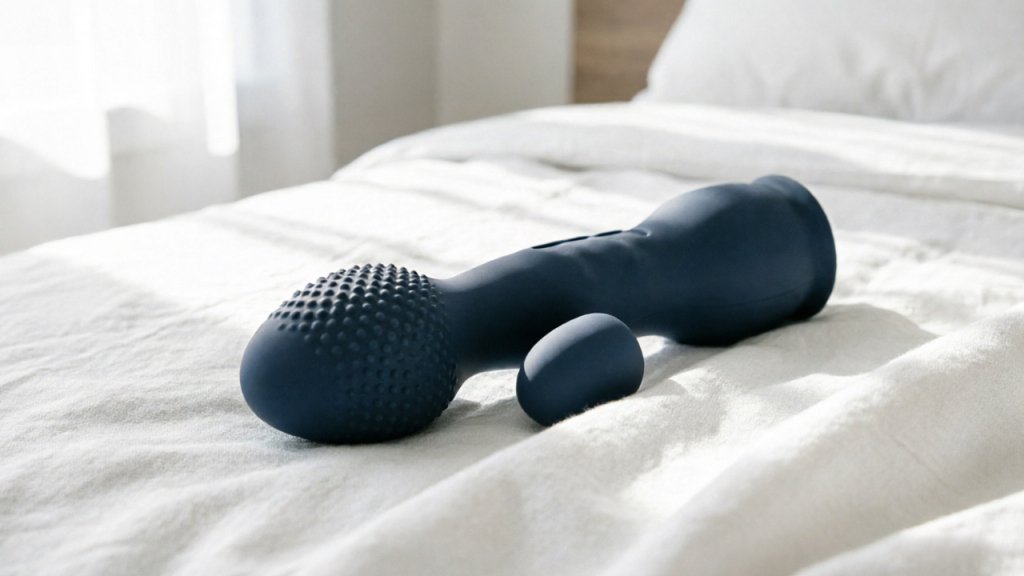
This heightened tissue responsiveness means stimulation that feels adequate at other times of the month can feel genuinely extraordinary during ovulation. It’s an ideal window for deepening physical exploration and experimenting with advanced pleasure technology — particularly 3-in-1 devices that combine internal, clitoral, and pressure-wave stimulation simultaneously. When the body is already primed for peak sensation, layered stimulation can unlock responses that simply aren’t accessible at other cycle points.
Of course, this peak doesn’t last. As ovulation concludes and progesterone begins its rise, the hormonal landscape shifts dramatically — and with it, the nature of desire itself changes in ways that require a completely different approach.
The Luteal Phase: Navigating the Progesterone Cool-Down
After ovulation’s hormonal peak, the luteal phase introduces a quieter, more complex sexual landscape — one that requires a different kind of engagement with your own desire.
The progesterone surge that follows ovulation is the primary reason spontaneous desire tends to fade in the second half of your cycle. As progesterone rises to prepare the uterine lining for a potential pregnancy, it works against the estrogen-fueled momentum you felt during the follicular and ovulatory phases. According to the Cleveland Clinic, rising progesterone can actively dampen spontaneous desire — that bolt-from-the-blue urge to initiate sex with no obvious trigger. You’re not broken. You’re just running on a different hormonal fuel.
Spontaneous vs. responsive desire is a distinction that becomes especially important here. Spontaneous desire arrives unprompted; responsive desire emerges only after stimulation begins. Most people naturally shift toward responsive desire during the luteal phase, meaning arousal is accessible — it just needs an invitation. Research from Natural Cycles confirms that libido isn’t a fixed trait but a dynamic response to both internal hormones and external cues. Understanding this difference removes the pressure to “feel it” before you start.
Physical comfort and consistent stimulation become your most practical allies during this phase. The body remains physiologically capable of arousal and orgasm throughout the luteal phase — it simply responds better to sustained, rhythmic input rather than novelty or intensity. This is where tools designed for steady, repetitive stimulation can genuinely shift the experience. Exploring what feels good consistently for both you and a partner becomes a valuable experiment during this lower-drive window. Automated thrusting devices, for example, reduce the physical effort required when PMS-related fatigue and bloating make active participation feel draining — sustaining stimulation long enough for responsive desire to build naturally.
You might also notice something unexpected toward the end of this phase: a surprising uptick in arousal that seems counterintuitive. If you’ve ever wondered why am I hornier before my period, the answer involves a secondary hormonal shift that the next section unpacks in full.
Why Am I Hornier Before My Period?
Luteal phase sex drive is more complex than most people realize — the final days before menstruation can deliver a surprising arousal spike that catches many people off guard.
A secondary estrogen surge in the late luteal phase is the primary biological driver of this pre-period desire boost. After progesterone dominates the mid-luteal window, estrogen climbs again in the days preceding menstruation. According to research on cycle-linked libido changes, this hormonal rebound can briefly reignite the kind of desire typically associated with the follicular phase — creating an unexpected wave of want right when many people expect to feel least interested in sex.
Pelvic congestion adds a powerful physical dimension to this experience. As the body prepares for menstruation, increased blood flow pools in the pelvic region, causing engorgement of vaginal and clitoral tissues. The Mayo Clinic notes that estrogen and LH work synergistically to increase pelvic blood flow, which can heighten sensitivity just before menstruation begins. This physical fullness and sensitivity can feel almost indistinguishable from genuine arousal — and in many ways, it is. Understanding your own clitoral sensitivity and response can help you recognize and act on these signals with confidence.
There’s also a psychological layer worth acknowledging. Some researchers describe a subtle “last chance” effect — an unconscious biological push toward sexual activity before the cycle resets and fertility drops to its lowest point. Whether driven by hormones, pelvic pressure, or psychology, this pre-period surge is a completely normal and common variation. Rather than dismissing it as confusing or inconvenient, recognizing it as part of the biological blueprint can help you lean into it — a theme that carries naturally into what happens once menstruation itself begins.
Menstruation and Libido: The Science of Period Sex
Period sex is more misunderstood than almost any other phase of cycle-based intimacy — yet the biology behind it makes a surprisingly strong case for leaning in.
Orgasm during menstruation acts as a natural analgesic, and the mechanism is well-documented. When you climax, your brain releases a flood of endorphins and oxytocin — neurochemicals that raise your pain threshold and promote a sense of calm. For anyone dealing with cramps, that’s not a small benefit. Uterine contractions triggered by orgasm also help expel menstrual blood more efficiently, which can shorten cramping duration. It’s essentially your body offering its own relief system.
“Endorphins released during orgasm can temporarily reduce the perception of pain — including menstrual cramps — making sexual activity a genuinely therapeutic option during menstruation.”
Sexual arousability during this phase is often underestimated. Estrogen and progesterone both sit at their lowest points when bleeding begins, which can suppress desire for some people. However, as Wisp notes, the drop in progesterone can paradoxically reduce inhibition for others, creating a window of unexpected openness to intimacy.
“The pelvic congestion that accompanies menstruation increases blood flow to the genitals — which, for some, translates directly into heightened sensitivity.”
Then there’s the cognitive shift. As Dr. Jolene Brighten explains, the hormonal reset that follows menstruation clears brain fog and increases dopamine sensitivity — meaning that even early in the bleed, mental clarity can begin returning, making intentional solo or partnered touch feel more present and connected than it did during the luteal phase’s final foggy days.
“For those who do experience desire during menstruation, the combination of pelvic fullness, endorphin release, and dropping inhibition can make orgasms feel deeper and more intense than at other cycle points.”
Practically speaking, this phase calls for thoughtful preparation. Waterproof, easy-to-clean automated devices remove friction from the experience — both literally and logistically — making it easier to act on desire without added stress. That practical consideration points directly toward a broader conversation about how the right technology can bridge the gap across every hormonal phase, not just the obvious peaks.
Bridging the Gap: Technology and the Hormonal Trough
Pleasure doesn’t have to wait for peak estrogen — the right technology can meet your body wherever it is in the cycle.
The calendar shouldn’t dictate when you experience quality sensation. Hormonal troughs are real, but they’re not stop signs. What changes across your cycle isn’t your capacity for pleasure — it’s the type of stimulation your nervous system responds to most readily. That distinction matters enormously when choosing how to engage your body during lower-desire phases.
Responsive desire — the kind that emerges in response to stimulation rather than arriving spontaneously — is the dominant mode during the luteal and early follicular phases. This is where automated movement technology has a genuine functional advantage. When your body isn’t generating its own arousal cues unprompted, external stimulation needs to carry more of the load. Consistent, rhythmic input from a device doesn’t fatigue, doesn’t require mental effort to maintain, and doesn’t depend on spontaneous drive to initiate. That reliability is precisely what responsive desire needs to build momentum. For a deeper look at how mechanical stimulation differs from traditional vibration-only approaches, the distinction becomes especially relevant during these lower-libido windows.
Multi-modal stimulation — combining clitoral suction, flapping or tapping motion, and vibration — is designed to deliver intense, blended sensations regardless of where you are in your cycle. This matters because hormone-driven tissue changes, like reduced lubrication or increased sensitivity during the luteal phase, call for adaptable input rather than a single fixed sensation.
Material quality is non-negotiable when tissues are more reactive. Hormone fluctuations affect vaginal pH, lubrication levels, and skin sensitivity throughout the month, as Ubie Health notes. Body-safe, non-porous materials minimize irritation risk precisely when tissues are most vulnerable to it.
Understanding how to work with your cycle — not just during its peaks — is ultimately what the next section brings together.
The Bottom Line: Your Libido Cheat Sheet
Understanding your hormonal blueprint turns guesswork into intention — and every phase of your cycle offers a distinct, actionable opportunity for deeper pleasure.
The previous sections unpacked the biology in detail, so here’s the condensed version you can actually use. Research consistently shows that hormonal shifts directly correlate to a higher interest in exploring new sensations or using advanced technology for pleasure, which means matching your approach to your phase isn’t just smart — it’s biological.
- Follicular Phase: As estrogen climbs in the days following menstruation, energy and curiosity rise with it. This is the window for novelty — trying new positions or dynamics with a partner, experimenting with unfamiliar sensations, or introducing a toy you haven’t reached for before. Your nervous system is primed and receptive.
- Ovulation: Peak estrogen and a testosterone surge create the highest-sensitivity window of your entire cycle. Studies cited by Natural Cycles link this phase to roughly a 24% increase in sexual activity. Clitoral stimulation and direct, focused pressure deliver the most during these 24–48 hours. Don’t overthink it — your body is doing most of the work.
- Luteal Phase: Progesterone takes the lead, and with it comes a preference for comfort over intensity. Rhythmic, consistent movement tends to feel more satisfying than unpredictable stimulation. Tools that offer layered, automated sensation — rather than requiring constant manual input — align naturally with this lower-energy phase.
- Menstruation: Orgasm triggers prostaglandin release and dopamine spikes that actively reduce cramping. This phase rewards those willing to work with the body rather than wait it out.
The pattern is clear: your cycle isn’t a barrier to pleasure — it’s a four-phase guide to it. If you’ve ever felt like your desire was inconsistent or confusing, the questions that naturally follow — about birth control, tracking apps, and what to do when drive disappears entirely — are worth addressing directly.
Frequently Asked Questions About Cycles and Desire
Understanding your biological blueprint means knowing what shapes it — and what can disrupt it. As Healthline notes, cycle syncing involves adjusting your lifestyle, including sexual activity, to align with your hormonal phases. These questions address the gaps that knowledge leaves behind.
Does hormonal birth control affect libido fluctuations?
Yes — and significantly. Hormonal contraceptives work by suppressing your natural estrogen and testosterone surges, which means the predictable peaks and troughs described throughout this article may flatten or disappear entirely. If you’re on the pill, patch, or hormonal IUD, your desire patterns may feel less cyclical and harder to map. That’s not a malfunction; it’s the pharmacology at work.
Can apps like Flo or Clue actually track libido?
Both apps include mood and desire logging features that, over several cycles, can reveal personal patterns. Consistency is key — logging your desire level daily for two to three months builds a picture that a single cycle can’t show. The data belongs to you, and spotting your own peaks is more actionable than any generalized chart.
What if my sex drive is consistently absent?
A temporary low during the luteal phase is normal. Persistent, unexplained loss of desire — lasting weeks or spanning multiple cycles — warrants a conversation with a healthcare provider. Thyroid dysfunction, depression, low testosterone, or relationship stress can all suppress libido independently of cycle phase. Avoid self-diagnosing; a hormone panel provides more clarity than any app.
For a visual overview of how hormones and desire interact throughout the month, this video is a helpful primer:
Exploring tools like pressure-wave intimacy devices can also help bridge lower-desire phases while you gather data on your own hormonal rhythm.