
Before planning intimacy around a chair, bench, or other piece of furniture, find out what that exact product is intended to support. A familiar shape, a solid appearance, or a weight figure does not establish suitability for a different activity. If the instructions do not answer your question, leave the furniture out of the plan.
Imagine seeing an attractive bedroom photograph and recognizing a chair similar to yours. It is tempting to treat the picture as a recommendation. Yet the photograph cannot tell you the model, assembly condition, permitted use, or limitations of the chair in your room. For adults making a shared plan, checking those details comes before deciding how the evening might look.
Start with the purpose the manufacturer describes
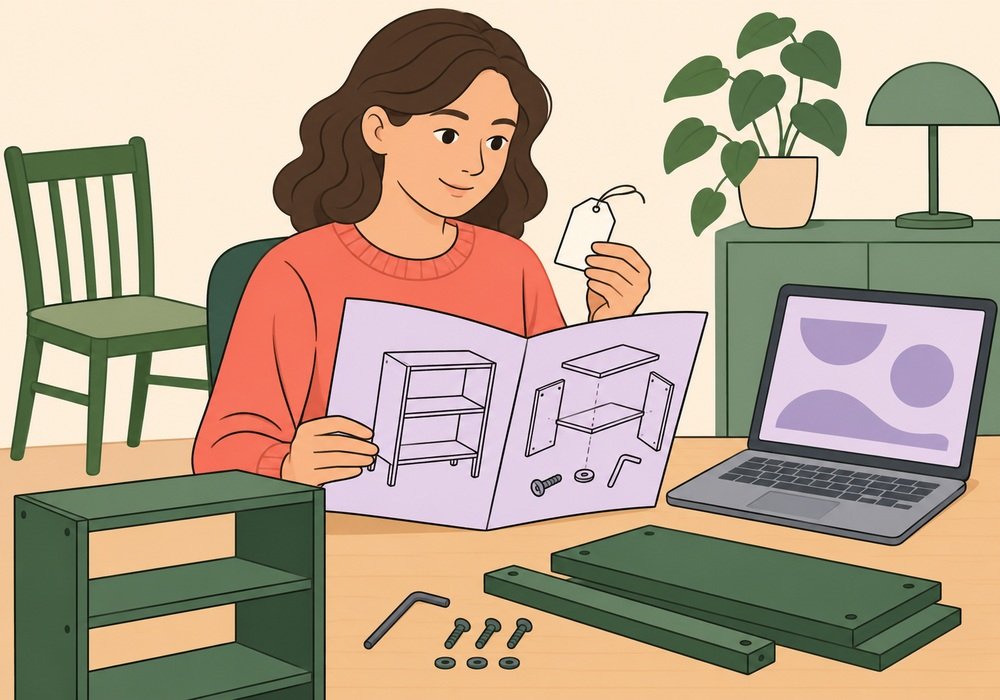
Look for the exact model’s product information and supplied instructions. Read what the item is designed for, the assembly requirements, maintenance directions, and warnings. Keep these together rather than collecting reassuring fragments from different listings. A chair, decorative bench, storage chest, and purpose-made support accessory can resemble one another while having different purposes.
Singapore’s Consumer Product Safety Office guidance on consumer goods advises using products for their intended purpose, following supplied safety information, and asking the seller when the purpose or instructions are unclear. That is a general decision rule, not an endorsement of any particular bedroom setup.
Ask a concrete question: “Does the manufacturer explicitly describe this use for this model?” If the answer is missing, “it looks sturdy” does not fill the gap. You do not need to test an uncertain idea to justify leaving it aside. Our guide to separating features from promises uses the same habit: establish what the information actually supports.
Read a capacity figure in its own context
A number is only useful when you know what it applies to. Is the stated capacity for one seat, one sleeping area, a shelf, or the entire product? What assembly, installation, and intended-use conditions accompany it? Do not transfer a figure from a related model or assume that combining two people’s weights answers every suitability question.
IKEA’s explanation of furniture weight capacity says capacity depends on the particular item and its construction, directs customers to the specific product information, and stresses following assembly instructions. Those statements concern IKEA products. They illustrate why an exact model matters; they do not provide a capacity for furniture from another manufacturer.
A stated limit should not be reinterpreted as approval for every kind of movement, direction of force, or shared activity. If the documentation does not cover the use you have in mind, keep that uncertainty visible. Do not invent a lower “safe” figure, attempt a strength test, or add cushions and assume the missing evidence has been supplied.
Resolve an unknown history before relying on the item
Furniture inherited from a housemate, bought secondhand, or assembled years ago may come without its original paperwork. First establish its identity. Look for a model label, purchase record, or manufacturer reference that can help you locate the correct information. A matching color or silhouette alone is not enough.
Visible damage, loose components, missing parts, or cracks are reasons to stop using the item and seek the manufacturer’s guidance. Do not improvise a repair for an activity the manufacturer has not described. Even a correctly identified piece still needs its own current instructions and condition checked.
For US products, the Consumer Product Safety Commission recall database is an official place to search for notices. Compare the exact identifiers and follow an applicable notice’s directions. Elsewhere, check the relevant local authority as well. Finding no matching notice does not certify an item or expand its intended purpose.
Make uncertainty part of the conversation
You can say, “I like the idea of making time together, but I cannot confirm what this furniture is designed for. Let’s leave it out.” That sentence gives both people a practical next step without asking anyone to prove bravery, flexibility, or trust. An unresolved product question is enough reason to change the plan.
Separate the interest from the equipment. Perhaps the actual wish is for an unhurried conversation, a different atmosphere, or a chance to discuss preferences. None requires recreating a photograph. Our comfort and communication guide can help with that broader discussion, while a shared wish list keeps an idea distinct from agreement to act on it.

Keep product questions separate
If a separate wellness product interests you, assess its own controls and instructions rather than treating it as a solution to a furniture question. The current listing below describes a wireless remote and rechargeable power. Those features say nothing about the suitability of a chair, bench, or support accessory.
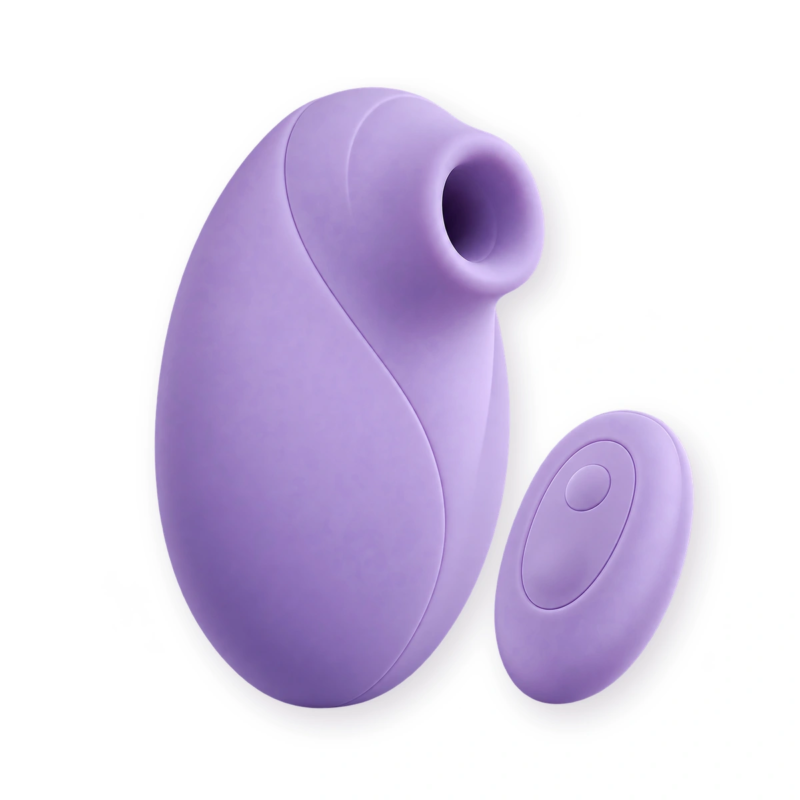
Read the actual item information before ordering, and use our arrival checklist when a parcel arrives. A purchase does not resolve another product’s missing specifications or create an obligation to use anything that evening.
Leave with a clear decision, even if it is to wait
Before relying on furniture, you should be able to identify the exact item, find its applicable instructions, understand its stated purpose and limits, and resolve any condition or recall concern. This is an information check, not a home engineering assessment. Passing through a checklist cannot make an undocumented use appropriate.
If something remains unclear, ask the manufacturer a specific question and wait for an answer. Keep the model reference and reply together. In the meantime, choose time together that does not depend on uncertain equipment. The useful outcome is a decision you both understand, including a decision to leave the item out.
Questions about furniture and intimacy plans
Does a weight limit prove furniture suits an intimacy plan?
No. Read what the figure applies to and the exact product instructions. A capacity figure does not independently authorize a different activity.
Can a cushion make an unsuitable chair appropriate?
Do not assume so. Adding padding does not establish the underlying furniture’s intended use, condition, or permitted loads.
What if the furniture has no model label or instructions?
Treat the missing information as unresolved. Ask the manufacturer or seller for help identifying the item, and leave it out of the plan while uncertainty remains.
Does an empty recall search mean the item is safe?
No. A recall search checks for relevant notices; it is not a certification or permission to use the item beyond its instructions.