
Before buying intimate apparel, ask for the care label belonging to the exact garment. Read the washing method, drying instructions, and restrictions together, then compare them with the routine you can manage at home. A beautiful photograph cannot tell you whether a piece belongs in your normal laundry load.
Perhaps a nightgown looks appealing, but the description says only satin lace. You have a shared machine and limited drying space. Those everyday details are enough reason to ask questions before checkout. This guide helps adults make that decision without guessing fiber content or inventing a washing temperature.
Ask for information about this exact item
A store-wide care paragraph may describe a broad collection rather than the garment in your basket. Ask for a readable photograph of its care and composition labels, or the manufacturer’s complete written instructions for that model. If there are several versions, confirm that the reply matches the one you intend to order.
Your message can be brief: “Could you show the material and care labels for this nightgown, including drying instructions?” Keep the answer with your order information. You need a usable routine, rather than a general reassurance that the item is simple to maintain. Our guide to separating product details from promises explores that wider habit of asking what a claim actually establishes.
If the seller cannot supply the information, leave the question open. You can wait or compare another garment. Buying with an unresolved question is also a choice, but it should remain visible in your decision. Instructions copied from a similar-looking item do not resolve the missing information.
Separate a style name from composition
Satin and lace can describe appearance or construction without establishing the complete fiber composition of a finished garment. A smooth finish does not prove silk content. A decorative pattern does not identify the materials in its lining, trim, elastic, or main fabric. Record the composition actually supplied for the exact item.
If a page and a label disagree, ask which description is current. Product photographs help you assess silhouette and color, but cannot settle that discrepancy. Avoid translating familiar words into an assumed care routine: similar-looking pieces may come with different instructions, and you are choosing one particular garment.
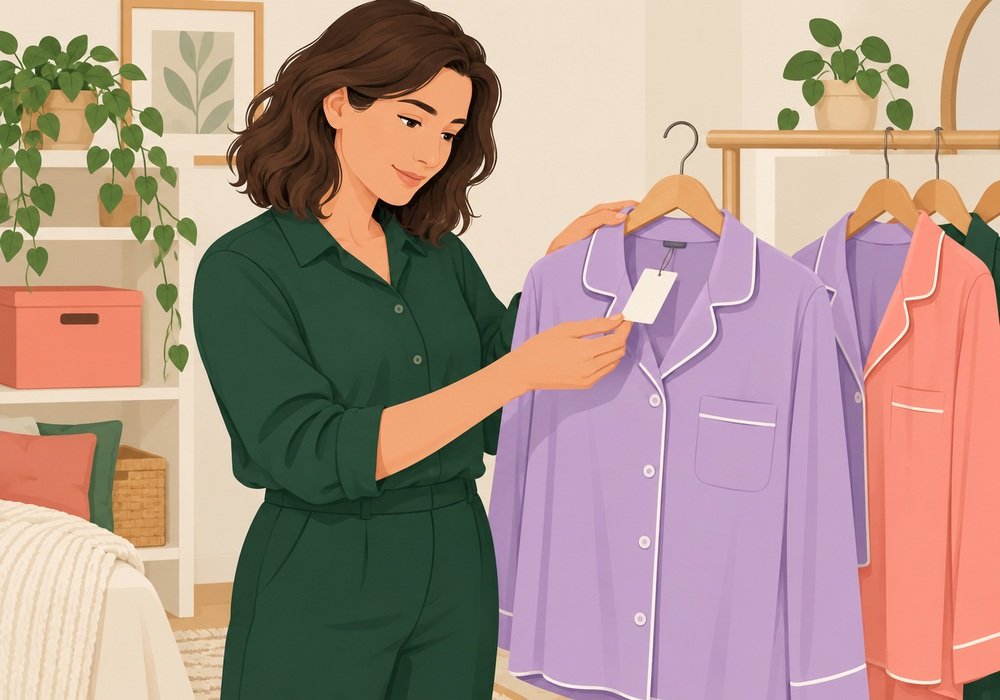
Read the complete care sequence
Washing and drying are separate decisions. A wash temperature alone does not explain the complete process. GINETEX’s official care-symbol guide distinguishes washing, bleaching, drying, ironing, and professional textile care. It explains that numbers in the washing symbol indicate maximum temperatures, bars change the process, and a crossed-out treatment is prohibited.
Use that reference to understand the label you receive. If a symbol is blurred or unfamiliar, ask for a clearer image or a written explanation. You do not have to memorize every mark before shopping. You do need enough information to know whether this garment’s instructions fit your household.
Make a short note with five fields: permitted washing method, temperature or process limits, drying method, prohibited treatments, and unanswered questions. A blank field is useful information. Do not fill it by assuming that a delicate setting, laundry bag, or general online recommendation overrides the item’s instructions.
A real listing shows what still needs asking
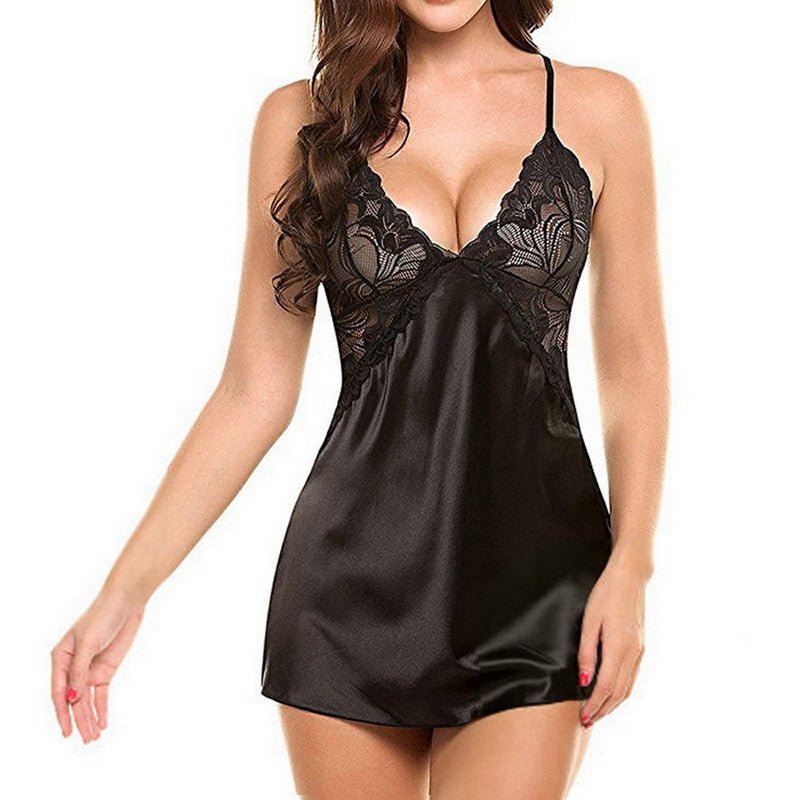
The Nightgown Satin Lace Sleepwear Pyjama listing identifies the item as intimate apparel and lists sizes S through XXL. Its text advises following supplied care guidance and drying before storage. It does not establish a garment-specific wash temperature or complete fiber composition. Ask for those details before relying on a particular routine.
The card below takes you to the actual item. Its name and photograph are product references, not proof of machine washability or silk content. Keep the missing care information separate from the features you can already confirm.
Picture the routine in your actual home
Imagine the whole process. When would you handle a separate wash? If the instructions specify flat drying, where could the garment remain undisturbed? Is that space available during an ordinary week? A care routine should suit the home you have, rather than an ideal version of your schedule.
In shared laundry, agree that unfamiliar pieces wait for their owner to check the label. “Please leave this one aside until I confirm its instructions” is enough. Nobody needs a detailed explanation of private clothing. Save a label photograph somewhere you can find it when the item next needs attention.
The American Cleaning Institute fabric-care resource brings together guides for different fabrics and links to care-symbol information. Use such references to prepare better questions. A general resource does not establish the manufacturer’s instructions for the KissSelf garment above.

Know the limits of a reference
The American Cleaning Institute laundry-basics guide directs readers to check garment care labels and explains laundry choices, including cycles for delicate fabrics. Use that background alongside the exact item’s instructions. It does not fill in a missing label or prove that every garment can use the same cycle.
Care is one part of choosing. Our source-checking guide helps assess what a reference supports. For other buying questions, the lingerie gift discussion and blindfold checklist address different needs. Explore more adult education articles with the same attention to specific evidence.
Questions before checkout
Does satin mean this garment is silk?
No. Do not infer the complete fiber composition from that name. Ask for the composition label belonging to the exact garment, and keep it with the care information.
Can I use another brand’s instructions?
A general guide can explain terms and help you prepare questions. It does not establish the permitted care process for a different model. Follow the instructions supplied for the actual garment.
What if the seller only says clean gently?
Ask for complete washing and drying instructions, including restrictions. If those details remain unavailable, treat the routine as unresolved rather than choosing a temperature or cycle by guesswork.
Should demanding care rule out a purchase?
That is your decision. Compare the instructions with your equipment, available time, and drying space. A routine that fits your household is a reasonable buying preference.