Exploring Lesbian Sex Positions can help you build a stronger emotional and physical connection with your partner. When you approach intimacy with openness and curiosity, you foster trust and shared pleasure. Open communication about needs and comfort levels encourages mutual growth. You create a safe space where both of you feel valued and understood.
Key Takeaways
- Explore different lesbian sex positions to deepen emotional and physical connection with your partner.
- Open and honest communication about desires and boundaries builds trust and enhances intimacy.
- Trying new positions and techniques keeps your relationship exciting and strengthens your bond.
- Use clear consent and check in with each other often to ensure comfort and mutual respect.
- Incorporate toys and props thoughtfully to add variety and increase pleasure together.
- Practice aftercare by sharing feelings and cuddling to reinforce emotional closeness.
- Celebrate small moments and growth to maintain a strong, loving relationship over time.
- Adapt your sexual routine as your relationship changes to keep intimacy fresh and satisfying.
Why Variety Matters
Exploring new sexual experiences with your partner can transform your relationship. When you introduce variety into your intimate life, you create opportunities for deeper connection, excitement, and growth. Research shows that couples who engage in diverse sexual activities often report higher satisfaction and stronger emotional bonds.
Emotional Intimacy
Trying new things together builds emotional intimacy. You learn more about each other’s desires, boundaries, and vulnerabilities. Studies show that emotional intimacy mediates the link between communication and relationship satisfaction. For example, a study of married couples found that sexual satisfaction predicted emotional intimacy, which then enhanced overall relationship satisfaction. Another meta-analysis revealed a strong positive correlation between emotional intelligence and romantic satisfaction. Skills like empathy, conflict resolution, and cooperation—key elements of emotional intimacy—help you and your partner feel closer and more secure.
Tip: Share your feelings and experiences after trying something new. This reflection helps you both feel seen and valued.
Communication
Clear, positive communication is essential when exploring variety in the bedroom. You need to express your needs, listen to your partner, and check in regularly. Longitudinal studies show that couples who communicate openly experience higher satisfaction and intimacy. For example, couples who use affection and effective problem-solving report greater happiness, even during stressful times. Negative communication, such as criticism or withdrawal, often leads to lower satisfaction.
| Relationship Quality Indicator | Men (57–64) | Women (57–64) |
|---|---|---|
| Can open up to partner (%) | 80.5 | 75.0 |
| Emotional satisfaction (%) | 71.0 | 68.0 |
| Physical satisfaction (%) | 70.0 | 66.0 |
Data from the National Social Life, Health, and Aging Project (NSHAP) highlight the connection between sexual expression and relationship quality.
Overcoming Barriers
You may face emotional or psychological barriers when trying new things. Overcoming these challenges strengthens your bond and boosts sexual connection. Here are some practical steps:
- Create a safe space for open dialogue.
- Practice active listening to understand your partner’s needs.
- Address sexual shame or body image concerns with compassion.
- Build trust through transparency and vulnerability.
- Explore physical touch in different ways to enhance closeness.
- Use “I” statements to share your feelings honestly.
Couples who overcome these barriers often experience greater intimacy, adaptability, and satisfaction. By embracing variety and supporting each other, you lay the foundation for a more fulfilling relationship.
Lesbian Sex Positions

Missionary with Strap-On
Intimacy and Eye Contact
You can use the missionary with strap-on position to create a powerful sense of closeness. This position allows you to maintain eye contact, which helps you and your partner feel emotionally connected. When you lie face-to-face, you can read each other’s expressions and respond to subtle cues. This direct gaze fosters vulnerability and trust, making it easier to communicate your needs and desires. Many couples find that this position encourages open dialogue, which is essential for building a strong foundation in your intimate life.
Tip: Before you begin, discuss comfort levels and boundaries. Check in with your partner during the experience to ensure you both feel safe and respected.
Penetration and Trust
Penetration with a strap-on in the missionary position requires trust and clear communication. You should move at a pace that feels comfortable for both of you. This position gives you access to erogenous zones, allowing for gentle caresses and kisses that enhance pleasure. Aftercare is important—take time to cuddle, talk, or share affirmations. These actions reinforce trust and help you both process the experience positively. Remember, continuous consent and mutual respect are key to deepening your connection.
Scissoring
Clitoral Stimulation
Scissoring, also known as tribadism, involves vulva-to-vulva contact and provides direct clitoral stimulation. This position ranks among the most popular Lesbian Sex Positions for mutual pleasure. According to survey data, over 40% of lesbian, bisexual, or queer women report scissoring regularly. Many people prefer this position because it allows both partners to experience stimulation at the same time, increasing the likelihood of orgasm. Clinical studies show that 37% of American vulva owners require clitoral stimulation to climax, making scissoring an effective choice for shared satisfaction.
| Benefit Type | Details |
|---|---|
| Popularity | 40%+ of lesbian, bisexual, or queer women report regular scissoring |
| Stimulation | Provides simultaneous clitoral stimulation for both partners |
| Adaptability | Can be customized for different body shapes and flexibility levels |
| Mutual Pleasure | Many find it more satisfying than vibrators or strap-on sex |
Mutual Movement
You and your partner can adjust your bodies to find the most comfortable and pleasurable angle. Scissoring encourages teamwork and communication, as you both need to coordinate your movements. This adaptability makes it suitable for many body types and preferences. If you find the position challenging, try using pillows for support or changing the angle. The key is to remain patient and open to experimentation. Celebrate small successes and enjoy the process of discovering what feels best for both of you.
Note: Not every position works for every couple. Focus on what brings you and your partner the most pleasure and connection.
Spooning
Comfort and Security
Spooning offers a gentle and nurturing way to connect with your partner. This position allows you to lie side by side, with one partner behind the other. The close physical contact creates a sense of safety and warmth. Many couples choose spooning when they want to slow down and savor the moment. You can use this position for penetration, oral stimulation, or simply to enjoy each other’s touch. The relaxed posture makes it ideal for partners who value comfort and emotional security.
Gentle Touch
Spooning encourages soft, affectionate touch. You can caress your partner’s body, whisper affirmations, or share quiet laughter. This position supports ongoing communication, as you can easily check in with your partner about pressure, speed, or comfort. Spooning adapts well to different body types and energy levels, making it a versatile option in your repertoire of Lesbian Sex Positions. Afterward, take time to hold each other and reflect on the experience. These moments of tenderness help strengthen your emotional bond.
Callout: Communication, consent, and mutual comfort are essential in all Lesbian Sex Positions. Prioritize your partner’s well-being and celebrate your shared discoveries.
Face Sitting
Face sitting stands out as one of the most intimate Lesbian Sex Positions. You can use this position to explore oral stimulation in a way that feels empowering and deeply connecting.
Oral Stimulation
Face sitting allows you to give or receive oral pleasure while maintaining close physical contact. You can position yourself over your partner’s face, letting them stimulate your vulva with their mouth and tongue. This position gives you control over the depth and pace of stimulation. You can adjust your movements to match your comfort and pleasure levels.
Tip: Use a pillow under your partner’s head for extra comfort and support. This adjustment can help both of you relax and focus on pleasure.
You should communicate openly before and during face sitting. Ask your partner about their comfort and breathing. You can use hand signals or gentle taps to check in without breaking the mood. Afterward, take time to share feedback and express appreciation for each other’s efforts.
Power Dynamics
Face sitting introduces an element of power play. You take an active role, which can feel empowering and exciting. Your partner may enjoy the feeling of submission and trust. You should discuss boundaries and desires before trying this position. Clear communication ensures that both of you feel safe and respected.
You can experiment with different angles and heights. Some couples prefer a more upright posture, while others like to lean forward for greater intimacy. Adapt the position to suit your body types and preferences. Remember, every couple experiences Lesbian Sex Positions differently. Focus on what brings you both joy and connection.
Note: Aftercare matters. Offer water, cuddles, or gentle words to help each other feel cared for and valued.
Lap Dance
Lap dance brings playfulness and excitement into your intimate life. You can use this position to build anticipation and explore new sensations together.
Playfulness
You start by sitting on your partner’s lap, facing them. This position encourages eye contact, laughter, and flirtation. You can move your hips, grind, or tease your partner with slow, sensual movements. Lap dance helps you break routine and add a sense of fun to your sexual repertoire.
You do not need to rush. Take your time to explore each other’s reactions. You can use music, lighting, or costumes to enhance the experience. The lap dance position works well as foreplay or as a main event, depending on your mood.
Callout: Playfulness in Lesbian Sex Positions can reduce anxiety and increase intimacy. Let yourself be creative and spontaneous.
Penetration Options
Lap dance offers several options for penetration. You can use a strap-on, dildo, or vibrator while sitting on your partner’s lap. This position allows for deep penetration and close body contact. You can control the rhythm and depth, making it easy to adjust for comfort.
You should talk about your preferences before using toys. Discuss what feels good and what you want to try. Always use plenty of lubricant to enhance comfort and pleasure. Afterward, check in with your partner about their experience. This feedback helps you grow together and improve future encounters.
Lap dance adapts to many body types and energy levels. You can modify the position with pillows or by changing the angle of your hips. The key is to stay connected and responsive to each other’s needs.
Tip: Keep communication open throughout. Use words, touch, or eye contact to guide each other and maintain trust.
Techniques and Play
Oral Sex
Oral sex remains one of the most intimate ways you can connect with your partner. You can use your mouth, lips, and tongue to stimulate your partner’s vulva, clitoris, and inner thighs. This technique allows you to focus on your partner’s pleasure and respond to their reactions in real time. Many couples find that oral sex increases emotional closeness and physical satisfaction. Research shows that oral sex boosts the likelihood of orgasm and deepens feelings of love and intimacy. When you give or receive oral sex, you often feel more valued and connected.
Tip: Before you begin, talk with your partner about what feels good and what does not. Use clear signals or words to guide each other during the experience.
You can try different motions, such as gentle licking, sucking, or swirling. Vary the pressure and speed to discover what brings the most pleasure. Some partners enjoy direct clitoral stimulation, while others prefer teasing around the area. Always check in with your partner and adjust based on their feedback. Oral sex can also serve as an alternative when other activities are not possible, helping you maintain intimacy and psychological vibrancy.
Benefits of Oral Sex for Couples:
| Benefit | Description |
|---|---|
| Enhanced enjoyment | Increases sexual pleasure and satisfaction |
| Emotional closeness | Fosters intimacy and trust |
| Higher chance of orgasm | Boosts the likelihood of climax for both partners |
| Adaptability | Works as a main act or as foreplay, suitable for all ages and abilities |
Fingering
Fingering offers a versatile and accessible way to explore your partner’s body. You use your fingers to stimulate the vulva, clitoris, vagina, or anus. This technique allows for precise control and gentle exploration. You can start with light touches and gradually increase intensity as your partner becomes more aroused. Many couples use fingering to discover new erogenous zones and build anticipation.
You should always wash your hands and trim your nails before starting. Use plenty of lubricant to enhance comfort and reduce friction. Try different motions, such as circular movements, tapping, or gentle penetration. Ask your partner about their preferences and encourage them to guide your hand. Fingering can be combined with oral sex or used as a standalone activity. This technique adapts well to different body types and energy levels.
Callout: Communication is key. Encourage your partner to express what feels good, and be open to adjusting your technique.
Anilingus
Anilingus, or oral-anal stimulation, can add variety and novelty to your intimate life. You use your mouth and tongue to stimulate your partner’s anus and surrounding areas. This technique requires trust and clear communication. Many couples find that trying new acts like anilingus increases excitement and strengthens their bond. Studies show that introducing novel sexual experiences, such as anilingus, predicts higher relationship and sexual satisfaction.
Before you begin, discuss boundaries and hygiene with your partner. You may want to shower beforehand and use dental dams for safety. Start with gentle kisses and licks, paying attention to your partner’s comfort. Gradually increase intensity if your partner enjoys the sensation. Anilingus can be combined with other forms of stimulation for a more intense experience.
- Studies by Frederick et al., Watson et al., and Matthews et al. demonstrate that couples who try new techniques, including anilingus, report greater sexual satisfaction and reduced boredom.
- Novelty in sexual play helps counteract habituation and keeps your connection vibrant.
Note: Always prioritize consent and comfort. Afterward, check in with your partner and share your feelings about the experience.
Butt Play
Butt play can add a new dimension to your intimate experiences. You might feel curious about exploring this area, or you may want to introduce more variety into your sexual routine. Anal stimulation offers unique sensations and can help you and your partner discover new sources of pleasure. Many couples find that trying butt play together increases trust and deepens emotional connection.
You have several options when it comes to butt play. Anal beads, butt plugs, and anal stimulators are popular choices. These toys can enhance your experience by providing different types of pressure and movement. You can use them during foreplay, as part of penetration, or even while enjoying other forms of stimulation. Anal play items appear alongside strap-ons and vibrators in many educational resources, showing their role in broadening sexual expression. This normalization reflects a growing acceptance of anal play as a meaningful part of sexual activity.
Tip: Always use plenty of water-based lubricant for comfort and safety. Anal tissue does not self-lubricate, so extra care prevents discomfort or injury.
Before you begin, talk openly with your partner about boundaries and interests. Start slowly and check in often. You can begin with gentle external touch, then gradually introduce a finger or a small toy. Relaxation is key. Encourage your partner to breathe deeply and take breaks as needed. Cleaning toys before and after use is essential for hygiene. Many couples prefer to use condoms on toys for easier cleanup.
| Butt Play Toy | Sensation Type | Best For | Safety Tips |
|---|---|---|---|
| Anal Beads | Gradual, rhythmic | Beginners, teasing | Remove slowly, use flared base |
| Butt Plug | Steady, full feeling | Prolonged wear, training | Choose body-safe materials |
| Anal Stimulator | Vibrating, pulsing | Advanced stimulation | Clean thoroughly after each use |
Factor analyses in sexual health research identify anal acts as a distinct and recognized category of sexual behavior. This means that butt play stands on its own as a meaningful part of sexual intimacy, not just an add-on. Many people, especially those who identify as sexually adventurous, report that anal contact expands their range of sexual behaviors. You can use butt play to innovate and keep your relationship exciting.
Callout: Communication and consent matter most. Never pressure your partner. Celebrate each step you take together, no matter how small.
You may find that butt play helps you break out of routine and discover new ways to connect. By approaching this practice with curiosity and care, you support sexual diversity and strengthen your bond. Always prioritize comfort, safety, and mutual enjoyment.
Toys and Props

Exploring toys and props can transform your intimate experiences. You can use these tools to boost comfort, deepen connection, and increase pleasure. When you introduce toys into your relationship, you open the door to new sensations and shared discoveries. This approach helps you and your partner communicate more openly and build trust.
Strap-Ons
Strap-ons offer you a versatile way to explore penetration and power dynamics. Many couples find that using a strap-on increases intimacy and mutual satisfaction. Clinical research shows that strap-ons help couples overcome sexual barriers and improve connection. In large surveys, many people report that strap-ons and similar toys enhance the quality of their sexual experiences. Pegging, or using a strap-on for anal penetration, often leads to better communication, trust, and shared pleasure. These benefits come from the need to discuss boundaries, preferences, and comfort before and during play.
Tip: Choose a harness and dildo that fit your body and comfort level. Look for adjustable straps and body-safe materials. Start with a smaller size if you are new to strap-ons.
When you use a strap-on, talk with your partner about what feels good and what you want to try. Use plenty of lubricant to reduce friction and increase comfort. Afterward, check in with each other and share your thoughts. This feedback helps you grow closer and improve future experiences.
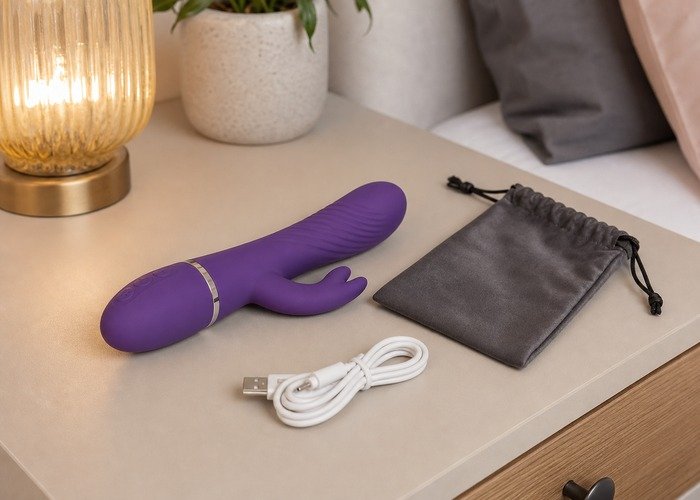
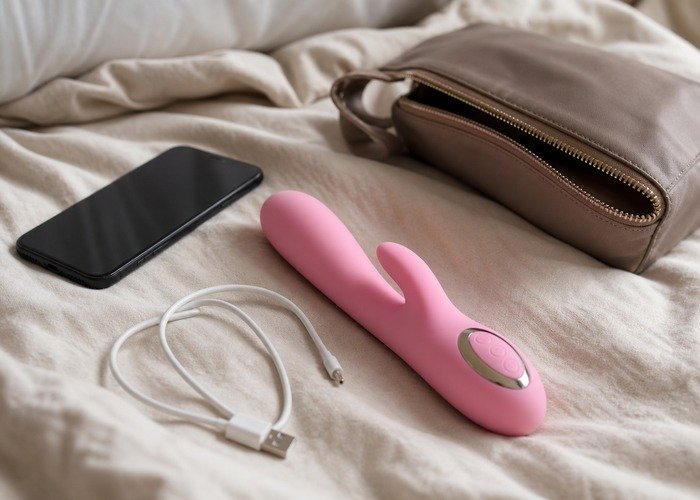
Vibrators
Vibrators can add excitement and variety to your sex life. You can use them for solo play or with your partner. Research shows that vibrators are effective for increasing sexual pleasure and satisfaction. Many couples who use vibrators together report higher arousal and stronger relationship intimacy. Vibrators can help you discover new erogenous zones and enhance clitoral or internal stimulation.
A multidisciplinary review found that vibrators support sexual enhancement and improve overall sexual function. When you use vibrators with your partner, you often experience better communication and sexual assertiveness. These qualities help maintain passion and desire in long-term relationships.
Callout: Try different types of vibrators, such as bullet, wand, or dual-action models. Discuss your preferences and experiment together to find what works best for both of you.
You should clean your vibrator before and after use. Choose products made from non-porous, body-safe materials. Rechargeable options can be more convenient and eco-friendly.
Pillows and Furniture
Pillows and specialized furniture can make many positions more comfortable and accessible. You can use firm pillows to support your hips, back, or knees. This support helps you maintain positions longer and reduces strain on your body. Sex furniture, such as wedges or ramps, can elevate your experience by allowing deeper penetration or better angles for stimulation.
| Prop Type | Benefit | How to Use |
|---|---|---|
| Firm Pillow | Increases comfort | Place under hips or knees |
| Wedge/Ramp | Improves angles | Use for deeper penetration |
| Adjustable Chair | Adds novelty and support | Try for lap dance or oral positions |
Note: Always check that your props are clean and stable before use. Communicate with your partner about what feels comfortable and make adjustments as needed.
When you add toys and props to your intimate life, you create opportunities for exploration and growth. You and your partner can strengthen your bond by sharing new experiences and supporting each other’s pleasure.
Communication Tips
Discussing Desires
Open conversations about your desires can transform your relationship. When you share what you want, you invite your partner to do the same. This exchange builds trust and deepens intimacy. You can start by asking simple questions like, “What would you like to try?” or “How did you feel about what we did last time?” Use clear language and positive reinforcement to encourage openness.
- Studies show that the quality of sexual communication has a strong link to satisfaction (r = .52).
- Sharing your desires increases intimacy and understanding, which boosts both sexual and emotional satisfaction.
- Talking about your preferences helps you and your partner understand each other better and improves your sexual experiences.
- Not just how often you talk, but how you talk about sex matters most for your connection.
Tip: Choose a relaxed time to talk, not just during intimacy. Use “I” statements to express your feelings and preferences.
Setting Boundaries
Setting boundaries ensures that both you and your partner feel safe and respected. You can use direct language or nonverbal cues to communicate your limits. Practice saying what you are comfortable with and what you are not. Encourage your partner to do the same. This process helps prevent misunderstandings and builds mutual respect.
| Theme/Aspect | Summary of Evidence | Example Adolescent Perspective |
|---|---|---|
| Benefits of Setting Boundaries | Fosters communication, mutual understanding, and self-efficacy for safer experiences | “It is important to know how to say… this is how far you want to go… so there is no confusion.” |
| Barriers | Fear of rejection, discomfort, or assumptions about consent can make it difficult | “It’s difficult to say ‘no’ when you feel like the other person expects something…” |
| Relationship Context | Boundaries may be harder to set with established partners, but closeness helps | “It depends on how comfortable or close you are… it may be harder to set new boundaries…” |
| Self-Efficacy | Some use clear cues and see boundary-setting as a key relationship step | “I have always made it very clear… by telling them what I want to do…” |
| Impact | Clear boundaries reduce coercion and increase comfort and fulfillment | Boundary conversations are a “big step” and increase awareness about consent |
Callout: Setting boundaries is not a one-time event. Revisit them as your relationship grows and changes.
Feedback and Aftercare
Giving feedback and practicing aftercare help you maintain a strong emotional connection. After an intimate experience, check in with your partner. Ask how they felt and share your own feelings. This practice shows that you care about their comfort and satisfaction.
- Couples who give each other feedback and practice aftercare report higher intimacy and satisfaction.
- Structured communication, such as sharing thoughts after sex or discussing what you enjoyed, strengthens your bond.
- Regular check-ins about your relationship, including memories and future plans, help you adjust to changes and reduce stress.
Note: Aftercare can be as simple as cuddling, talking, or offering reassurance. Make it a habit to support each other emotionally after every intimate moment.
Keeping Intimacy Alive
Regular Exploration
You can keep intimacy vibrant by making regular exploration a part of your relationship. When you try new activities together, you support each other’s growth and keep your connection strong. Research shows that couples who support each other’s self-expansion experience greater satisfaction and well-being over time. The following table summarizes a key longitudinal study on this topic:
| Aspect | Description |
|---|---|
| Study Title | Growing into Retirement: Longitudinal Evidence for the Importance of Partner Support for Self-Expansion |
| Study Design | Couples followed over 1 year at three time points |
| Key Constructs | Partner support for self-expansion, self-expansion, marital satisfaction, health |
| Main Findings | Partner support for self-expansion predicts increased self-expansion and greater satisfaction and health after one year |
| Significance | Regular exploration, supported by your partner, leads to long-term relationship satisfaction and well-being |
You can schedule regular check-ins to discuss new things you want to try. Make a list of activities or fantasies and revisit it together. Stay curious about each other’s desires. When you both feel supported in exploring, you build trust and keep your relationship dynamic.
Tip: Set aside time each month to talk about what excites you or what you would like to experience together.
Adapting to Change
You will face changes in your relationship, whether from life events, stress, or shifting desires. Adapting your sexual routines helps you maintain emotional closeness and avoid falling into monotony. Studies show that routine and boredom can reduce sexual activity and intimacy over time. However, couples who stay curious and open to change preserve their emotional bonds and keep desire alive.
You can adapt by introducing small changes, such as trying a new position, using a different toy, or changing your environment. Practice mindfulness during intimacy to stay present with your partner. Discuss what works and what does not, and adjust as needed. When you approach change as a team, you strengthen your connection and keep intimacy fresh.
Callout: Flexibility and openness to change are essential for sustaining both sexual and emotional intimacy.
Celebrating Growth
You nurture intimacy by celebrating growth—both as individuals and as a couple. Expert analyses highlight that everyday acts of appreciation and kindness matter most for maintaining intimacy. These small gestures, more than grand displays, help you feel valued and connected.
- Everyday attentive acts, such as verbal appreciation or thoughtful gestures, rank highest in making partners feel appreciated.
- Ordinary moments—like sharing a private smile or doing a small favor—play a central role in sustaining intimacy.
- About 20% of women identify these daily acts as the most meaningful expressions of love.
- Relationship experts emphasize that celebrating growth through ordinary practices deepens emotional bonds.
You can make it a habit to acknowledge your partner’s efforts, celebrate milestones, and reflect on how far you have come together. Share gratitude for both big achievements and small, everyday moments.
Note: Recognize and celebrate your journey together. These moments of appreciation keep your relationship strong and your intimacy alive.
View sexual exploration as a journey that helps you and your partner grow together. Keep communication open and show respect for each other’s needs. Schedule regular check-ins to discuss what works and what you want to try next.
Honest conversations and shared discovery lead to a stronger, more connected partnership. Start today—talk openly, listen actively, and celebrate every step forward.
FAQ
What if my partner feels shy about trying new positions?
You can start with open, gentle conversations. Ask your partner about their comfort level. Suggest exploring together at your own pace. Use positive reinforcement and celebrate small steps. Respect boundaries and check in often.
How do I talk about boundaries without ruining the mood?
You can bring up boundaries before intimacy begins. Use clear, direct language. Try saying, “I want us both to feel safe and happy.” This approach builds trust and keeps the mood positive.
Tip: Discuss boundaries during relaxed moments, not just in the bedroom.
Are sex toys necessary for lesbian intimacy?
You do not need toys to enjoy intimacy. Many couples find pleasure through touch, oral sex, and creative positions. If you want to try toys, start with simple options and talk about preferences together.
How can I make sure both of us feel satisfied?
You can ask your partner what feels good and share your own needs. Use feedback during and after intimacy. Try different techniques and positions. Focus on mutual pleasure and celebrate each other’s satisfaction.
What should I do if a position feels uncomfortable?
You should stop right away and talk with your partner. Adjust your position or use pillows for support. Comfort and safety come first. Never force yourself to continue if you feel pain or discomfort.
How often should we try new things in our sex life?
You can set a schedule that works for both of you. Some couples explore monthly, others more often. Regular check-ins help you stay connected and keep intimacy exciting.
Note: Consistency matters more than frequency. Listen to each other’s needs.
Can these tips help long-term couples as well as new partners?
Yes, you can use these strategies at any stage of your relationship. Long-term couples benefit from regular exploration and open communication. New partners build trust and intimacy by sharing desires and boundaries early.