Fingering can transform the Bedroom Experience, making it more satisfying for you and your partner. When you approach intimacy with curiosity and respect, you create a foundation for trust and pleasure. Recent studies show that open communication and clear consent foster acceptance, comfort, and respect, deepening your connection. You set the stage for comfort and exploration by sharing your needs and listening to your partner. Embrace new techniques and remain attentive to each other’s boundaries for a more enjoyable and confident experience.
Tip: Stay curious and keep the conversation open for ongoing growth in your intimate life.
Key Takeaways
- Fingering can enhance intimacy and pleasure for both partners. Approach it with curiosity and respect.
- Open communication and consent are essential. Discuss boundaries and desires before engaging in intimacy.
- Maintain good hygiene by washing hands and keeping nails trimmed. This ensures comfort and safety during fingering.
- Use lubricant to reduce friction and increase pleasure. Choose the right type based on your needs.
- Take your time during foreplay. Slower movements build anticipation and enhance the overall experience.
- Pay attention to your partner’s feedback. Adjust your technique based on their responses to improve satisfaction.
- Experiment with different techniques and combinations of touch. This keeps intimacy exciting and helps you learn what feels best.
- Aftercare is important. Spend time together after intimacy to reinforce connection and address any emotional needs.
What Is Fingering?
Definition and Basics
Fingering refers to the sexual stimulation of the vulva or vagina using fingers. Many people also use the term to describe digital penetration, which involves inserting one or more fingers into the vagina or anus. You might also hear fingering described as a form of manual sex, similar to a handjob, but focused on the genitals or anus. This technique allows you to explore your partner’s body with precision and care, offering a unique way to build intimacy and pleasure. You can use fingering during foreplay, as the main event, or as part of solo exploration. For more information on sexual health and manual stimulation, you can visit Planned Parenthood.
Benefits for Everyone
Fingering offers several benefits for people of all genders and orientations. You gain the ability to control pressure, speed, and rhythm, which helps you respond to your partner’s feedback in real time. This technique encourages open communication and trust, making it easier to learn what feels good for both of you. Fingering can also help you discover new erogenous zones and sensations that you might not experience through other forms of touch. Many couples use fingering to enhance arousal, increase intimacy, and even reach orgasm. You can also use it as a safe and satisfying alternative to penetrative sex, especially if you want to focus on external stimulation or try something new together. For tips and community discussions, check out Scarleteen’s forums.
Tip: Always keep your nails trimmed and hands clean to maximize comfort and safety.
Myths and Misconceptions
You may encounter several myths about fingering in popular media. Understanding the facts helps you practice safer and more enjoyable intimacy. The table below highlights some common misconceptions and the truth behind them:
| Myth/Concept | Fact |
|---|---|
| Chafing and skin irritation can occur during fingering. | Use a suitable personal lubricant to prevent irritation. |
| Germs from the anus can cause infections. | Wash your hands or use a condom on your fingers after anal contact before touching the vagina. |
| No STI risk if only touching your own genitals. | There is no risk of STI transmission if you only touch your own genitals. |
| Risk of STI transmission exists when touching a partner’s genitals. | Fingering can transmit STIs like HPV, chlamydia, and herpes. |
| Infection risks increase with more fingers or fisting. | Tearing can occur, raising the risk of STI transmission. |
| Oral contact after touching genitals or anus increases infection risk. | This can lead to infection if you do not follow proper hygiene. |
You can reduce risks by practicing good hygiene, using lubricant, and communicating openly with your partner. Reliable sources like The American Sexual Health Association offer more guidance on safe practices.
Enhancing the Bedroom Experience: Preparation
Communication and Consent
You set the foundation for a positive Bedroom Experience by prioritizing communication and consent. You create a safe space when you discuss boundaries, desires, and comfort levels before any intimate activity. You should ask open-ended questions and listen closely to your partner’s responses. You can use both verbal and nonverbal cues to check in during the experience. You build trust and mutual respect by sharing your feelings and encouraging your partner to do the same.
- Educational tools help you understand sexual consent and develop communication skills.
- Effective communication about consent prevents sexual violence and ensures mutual desire.
- You need to interpret nonverbal cues and feel confident seeking clarification.
- Both partners share responsibility for negotiating consent.
- Understanding nonverbal communication is crucial for effective consent.
- Many people feel uncertain about when to ask for consent, especially in ongoing relationships.
Tip: You can use phrases like “Does this feel good?” or “Would you like to try something different?” to keep communication open.
Hygiene and Comfort
You enhance the Bedroom Experience by maintaining good hygiene and prioritizing comfort. You should wash your hands thoroughly before any intimate touch. You need to keep your nails trimmed and smooth to prevent scratches or discomfort. You can use a gentle, unscented soap to avoid irritation. You should prepare clean towels and tissues nearby for convenience. You may want to shower together as part of foreplay, which can increase intimacy and relaxation.
You should also consider the physical comfort of your environment. You can adjust the room temperature, use soft bedding, and arrange pillows for support. You may want to keep water or a light snack nearby for aftercare. You create a welcoming atmosphere by attending to these details.
Setting the Mood
You influence satisfaction in the Bedroom Experience by setting the right mood. You can dim the lights, play soft music, or use scented candles to create a relaxing ambiance. You should remove distractions such as phones or clutter from the space. You may want to discuss what makes you feel comfortable and excited with your partner.
Research shows that mood and satisfaction in intimate relationships have a reciprocal relationship. The following table highlights key findings:
| Key Findings | Description |
|---|---|
| Reciprocal Relationship | Mood significantly influences satisfaction with intimate relationships and vice versa. |
| Mood Trajectories | Changes in satisfaction with daily interactions alter mood trajectories over time. |
| Impact of Mood | Deterioration of mood is associated with less satisfying interactions in intimate relationships. |
Note: You can personalize the environment to reflect your preferences and those of your partner. Small changes in lighting, sound, or scent can make a big difference.
You prepare for a more enjoyable Bedroom Experience by focusing on communication, hygiene, and mood. You lay the groundwork for trust, comfort, and pleasure.
Step-by-Step Fingering Guide

Foreplay and Warming Up
You set the tone for the Bedroom Experience by starting with foreplay. Foreplay helps you and your partner relax, build anticipation, and increase arousal. You can begin with gentle touches, soft kisses, or even a sensual massage. Take your time and focus on your partner’s reactions. You might explore their neck, inner thighs, or lower back before moving to more sensitive areas. Many people find that slow, teasing movements heighten excitement and make the experience more enjoyable.
You can also use words to build anticipation. Whisper compliments or express what you want to do next. This verbal foreplay can deepen your connection and help your partner feel desired. If you want more ideas, you can find inspiration from Scarleteen’s communication tips.
Tip: Never rush foreplay. Allow your partner time to relax and respond to your touch.
Exploring Sensitive Areas
You enhance pleasure by exploring different sensitive areas. Each person’s body responds differently, so pay close attention to your partner’s cues. You can use your fingers to gently trace, circle, or press on various spots. Start with light pressure and gradually increase intensity as your partner becomes more aroused.
Vulva and Clitoris
You can stimulate the vulva by tracing your fingers along the outer and inner labia. Use slow, circular motions to explore the area. The clitoris is highly sensitive, so begin with gentle touches. You might use the pads of your fingers to make small circles or up-and-down strokes. Many people enjoy indirect stimulation around the clitoral hood before direct contact. If your partner enjoys it, you can increase pressure or speed. Always check in and adjust based on their feedback.
| Technique | Description | Sensation Level |
|---|---|---|
| Circular Motions | Move fingers in small circles around clitoris | Gentle to Intense |
| Up-and-Down Strokes | Glide fingers along the length of the vulva | Gentle |
| Tapping | Lightly tap the clitoral hood | Teasing |
You can find more detailed guides on vulva and clitoral stimulation at O.school’s resource page.
Vagina and G-Spot
You can insert one or two fingers into the vagina after your partner is fully aroused. Curl your fingers in a “come here” motion to stimulate the G-spot, which is located about two inches inside on the front wall. Use slow, rhythmic movements and adjust pressure based on your partner’s response. Some people enjoy steady pressure, while others prefer gentle tapping or pulsing. Always use plenty of water-based lubricant to reduce friction and increase comfort.
Note: The G-spot may feel slightly rougher than the surrounding tissue. Not everyone enjoys G-spot stimulation, so communicate openly.
For more information on G-spot techniques, you can visit Planned Parenthood’s sexual health guide.
Penis and Prostate
You can stimulate the penis by focusing on the frenulum, shaft, and head. Use your fingers to apply gentle pressure or make circular motions. Some people enjoy light tapping or squeezing at the base. For prostate stimulation, insert a well-lubricated finger into the anus and curl it toward the belly button. The prostate feels like a small, round bump about two inches inside. Use slow, gentle movements and always check in with your partner.
| Area | Technique | Sensation Level |
|---|---|---|
| Frenulum | Light tapping or stroking | Sensitive |
| Shaft | Up-and-down movements | Moderate |
| Prostate | “Come here” motion | Deep, Intense |
You can read more about prostate stimulation at Men’s Health sexual wellness section.
Techniques and Movements
You improve your fingering skills by focusing on technique. Start by finding a comfortable posture for both you and your partner. Good posture helps you maintain balance and avoid tension in your hands and arms. Keep your fingers relaxed and use light pressure at first. You can increase intensity as your partner becomes more aroused.
Here are some effective fingering techniques:
- Find a comfortable position for both you and your partner.
- Hold your hand with light pressure to avoid fatigue.
- Stay aware of any tension in your body and let go when needed.
- Support your hand and wrist to allow free finger movement.
- Keep your fingers relaxed and in a natural shape.
- Position your fingers just above or lightly touching the sensitive area for precision.
- Focus on lifting your fingers up from the knuckles for smoother movements.
- Practice varying your finger speed to match your partner’s preferences.
You can use these techniques during solo or partnered play. Adjust your movements based on your partner’s feedback. If you want to see demonstrations and community discussions, you can follow @OMGyes on Twitter for research-based tips.
Tip: Use slow, deliberate movements at first. Increase speed or pressure only if your partner asks for more.
You can experiment with different rhythms, patterns, and pressures to discover what feels best. The Bedroom Experience becomes more satisfying when you stay attentive and responsive to your partner’s needs.
Using Lubricant
You can significantly improve comfort and pleasure during fingering by using the right lubricant. Lubricant reduces friction, prevents irritation, and allows your fingers to glide smoothly over sensitive skin. Even if your partner produces natural lubrication, adding a small amount of lube can make the experience more enjoyable for both of you.
You should choose a lubricant that matches your needs and preferences. Here are the most common types and their benefits:
- Water-Based Lubricant: Safe for all sexual activities. You can use it with condoms and sex toys. It cleans up easily with water and rarely causes irritation.
- Silicone-Based Lubricant: Thicker and longer-lasting than water-based options. Ideal for situations where you want extended play or need extra slipperiness, such as anal fingering. Do not use with silicone toys, as it can degrade the material.
- Oil-Based Lubricant: Not recommended for fingering. Oil-based products can increase the risk of irritation and infection, especially in the vaginal or anal area.
Tip: Always check the ingredients if you or your partner have sensitive skin or allergies. Avoid flavored or scented lubricants unless you know they are safe for intimate use.
Apply a small amount of lubricant to your fingers before you begin. You can add more as needed. If you notice dryness or discomfort, pause and reapply. For more information on choosing the right lubricant, you can visit reputable sexual health resources such as Planned Parenthood.
Responding to Feedback
You create a more satisfying and connected experience when you pay close attention to your partner’s feedback. Good fingering requires patience and a willingness to adjust your technique based on your partner’s responses. You should look for both verbal and nonverbal cues to guide your actions.
| Practice | Description |
|---|---|
| Observe cues | Watch for changes in breathing, moans, and body movements. These signals tell you what feels good or when to try something different. |
| Adjust technique | Change your rhythm, pressure, or motion based on your partner’s reactions. Confidence and adaptability enhance pleasure. |
| Communicate | Ask open-ended questions like “Do you like this?” or “Would you like more or less pressure?” |
| Seek feedback | Encourage your partner to share what feels best. This builds trust and ensures mutual satisfaction. |
You can use these steps to make feedback a natural part of your intimate routine:
- Pay close attention to your partner’s responses throughout the experience.
- Adjust your technique when you notice positive or negative reactions.
- Actively seek feedback by asking what feels good and what could be better.
Note: Every person’s preferences are unique. What works for one partner may not work for another. Stay curious and open to learning together.
You can also use feedback to explore new techniques or areas. If your partner seems unsure, offer reassurance and invite them to guide your hand. This approach fosters a sense of safety and intimacy, making the experience more enjoyable for both of you. For more tips on communication and feedback, you can explore resources from Scarleteen.
Advanced Fingering Tips
Combining Touch and Fingering
You can elevate pleasure by combining fingering with other forms of touch. Many people respond positively when you stimulate multiple erogenous zones at once. For example, you might use your free hand to caress your partner’s inner thigh, stomach, or chest while your fingers focus on their genitals. This approach increases arousal and helps your partner feel more connected to you.
Consider this case: Jamie and Alex wanted to enhance their intimacy. Jamie began by gently stroking Alex’s hair and kissing their neck while using fingers to stimulate the vulva. Alex reported feeling more relaxed and excited, leading to a more satisfying experience. According to a 2022 survey by the Kinsey Institute, 68% of respondents said that combining different types of touch increased their overall sexual satisfaction.
Tip: Try alternating between light and firm touches on different areas to discover what your partner enjoys most.
For more ideas, you can explore O.school’s guide to erogenous zones.
Rhythm and Pressure
You can fine-tune your technique by adjusting rhythm and pressure. Every person has unique preferences, so you should experiment with different speeds and intensities. Start slow and gentle, then gradually increase tempo or firmness based on your partner’s feedback. Many people enjoy a steady, rhythmic motion, while others prefer unpredictable patterns.
| Rhythm Type | Description | When to Use |
|---|---|---|
| Slow & Steady | Consistent, gentle movements | Warming up or relaxing |
| Fast & Pulsing | Quick, repetitive strokes | Building excitement |
| Variable | Alternating speed and pressure | Keeping things interesting |
Case example: Taylor noticed their partner responded best to slow, circular motions at first, then enjoyed faster, firmer strokes as arousal built. By paying attention to breathing and body language, Taylor adapted the rhythm and pressure, resulting in a more pleasurable outcome.
Note: Always check in with your partner. You can ask, “Do you want it slower or faster?” or “Is this pressure comfortable?”
You can find more on rhythm and sexual response at Scarleteen’s pleasure guide.
Using Toys or Props
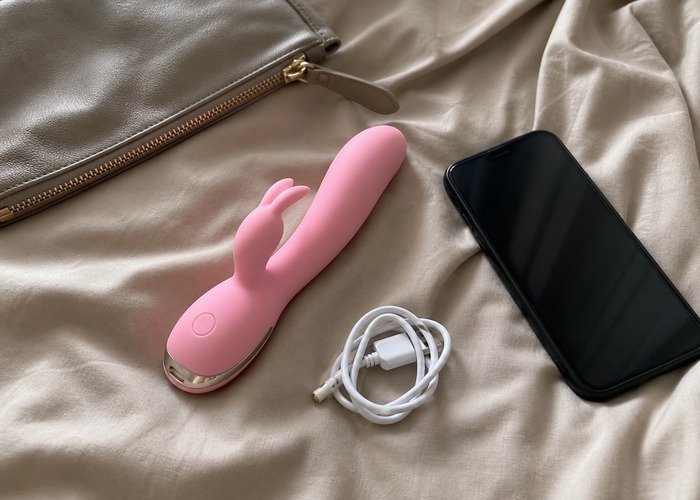
You can introduce toys or props to add variety and excitement to the Bedroom Experience. Many people enjoy using vibrators, textured gloves, or finger sleeves to enhance sensation. Always choose body-safe materials and clean toys before and after use. Start with simple items, such as a soft feather or silk scarf, to stimulate the skin alongside fingering.
A 2021 study published in the Journal of Sexual Medicine found that 74% of couples who used toys during manual stimulation reported higher satisfaction levels. You can use toys solo or with a partner. For example, you might use a small vibrator on the clitoris while fingering, or try a finger sleeve for added texture.
Tip: Communicate openly about which toys interest you and your partner. Explore reputable sources like O.school’s toy safety guide for more information.
You can also join discussions on social media platforms like Reddit’s r/sex community to learn from others’ experiences and get new ideas.
Adapting for Different Needs
You can make every intimate experience more inclusive and enjoyable by adapting your fingering techniques to meet different physical and emotional needs. Every person brings unique preferences, sensitivities, and abilities to the bedroom. When you approach intimacy with flexibility and empathy, you create a safer and more satisfying environment for both you and your partner.
If you or your partner have physical challenges, you can modify your approach to reduce strain and increase comfort. For example:
- Use the heel or side of your hand instead of just your fingertips. This method can help if you experience joint pain or limited finger mobility.
- Place your fingers on the center of your palm during stimulation. This technique can help alleviate fatigue and may also support emotional well-being, especially if you or your partner feel anxious or low.
- Take frequent breaks and change positions to prevent discomfort. You can use pillows or rolled towels to support your wrists and arms.
Emotional needs are just as important as physical ones. Some people may feel nervous, self-conscious, or overwhelmed during intimate moments. You can help your partner feel more at ease by practicing patience and offering reassurance. Consider these strategies:
- Use the “Willing Hands” posture, a skill from dialectical behavior therapy (DBT). Rest your hands open and relaxed on your lap or at your sides. This simple gesture can promote acceptance and help manage intense emotions like anger or frustration.
- Check in regularly with your partner. Ask how they feel and encourage them to share any concerns or preferences.
- Create a calm and supportive atmosphere. Dim the lights, play soothing music, or use gentle scents to help reduce anxiety.
Tip: Always prioritize comfort and consent. If something does not feel right, pause and talk about it. You can adjust your technique or try a different approach at any time.
You may also want to explore adaptive tools or props. Finger sleeves, textured gloves, or small massagers can provide extra stimulation without requiring precise finger movements. These tools can be especially helpful if you or your partner have limited dexterity or strength.
Remember, adapting your technique is not just about overcoming challenges. It is about celebrating your partner’s individuality and making pleasure accessible to everyone. Stay curious, keep learning, and approach each experience with an open mind. By doing so, you ensure that every bedroom encounter is comfortable, respectful, and deeply satisfying for both of you.
Common Mistakes to Avoid
Rushing the Experience
You may feel tempted to move quickly during intimate moments, but rushing can undermine both pleasure and connection. Many people want more time for foreplay than they actually receive. A 2004 study found that both men and women desired longer foreplay, which suggests that taking your time can significantly improve satisfaction. When you slow down, you allow arousal to build naturally, making the Bedroom Experience more enjoyable for both partners. A 2016 study also linked extended foreplay with increased fertility, highlighting the importance of patience and attentiveness.
- Taking your time helps your partner relax and feel valued.
- Gradual touch increases anticipation and arousal.
- Rushing can lead to discomfort or missed opportunities for pleasure.
Tip: Focus on your partner’s reactions and let the moment unfold at its own pace. For more insights, you can explore discussions on Reddit’s r/sex community about the benefits of slow, attentive intimacy.
Ignoring Feedback
You risk damaging trust and intimacy when you ignore your partner’s feedback. Open communication ensures that both of you feel heard and respected. When you overlook verbal or nonverbal cues, misunderstandings can arise, and your partner may feel neglected.
- Ignoring feedback can erode trust, as unmet expectations create doubt about your commitment.
- You may find yourself guessing about your partner’s needs, which often leads to mistakes and frustration.
- Over time, these issues can cause pain, resentment, and a sense of irrelevance in your relationship.
You should always check in with your partner, ask for their preferences, and adjust your technique as needed. This approach fosters a sense of safety and mutual respect. For more on healthy communication, visit Scarleteen’s advice on feedback.
Dry Hands or Nails
You must pay attention to the condition of your hands and nails before any intimate touch. Dry hands can cause discomfort and even lead to complications such as infections or deformed fingernails, especially if you have underlying skin conditions like eczema. Neglecting the skin around your nails may result in painful infections, hangnails, or changes in the appearance and integrity of your nails. In severe cases, infected cuticles can cause nails to detach or change color and texture, making the experience unpleasant for both you and your partner.
To prevent these issues, moisturize your hands regularly and keep your nails trimmed and smooth. If you notice any cuts, hangnails, or signs of infection, allow time for healing before engaging in fingering. For more information on hand and nail care, you can refer to Mayo Clinic’s nail care tips.
| Mistake | Impact on Experience |
|---|---|
| Rushing the Experience | Reduces arousal, increases discomfort, lowers trust |
| Ignoring Feedback | Causes misunderstandings, erodes trust, breeds resentment |
| Dry Hands or Nails | Leads to pain, risk of infection, and possible injury |
Note: Small details, such as hand care and communication, can make a significant difference in comfort and satisfaction.
If you want to see real-life experiences and advice, you can join conversations on Twitter’s #SexEd for more perspectives on avoiding common mistakes.
Skipping Aftercare
You might feel tempted to move on quickly after an intimate experience, but skipping aftercare can leave both you and your partner feeling disconnected or unsettled. Aftercare refers to the intentional actions you take following sexual activity to support each other’s emotional and physical well-being. This step is not just a nice gesture—it is essential for building trust, addressing vulnerabilities, and ensuring a positive experience for both partners.
Aftercare helps you check in with your partner and attend to any emotional or physical needs that arise. You may not always realize how intimacy can stir up unexpected feelings. Research shows that nearly half of cis-women have experienced feelings of sadness or depression after sex at least once. These emotions, sometimes called postcoital dysphoria, can affect anyone, regardless of gender or relationship status. By practicing aftercare, you help reduce the risk of negative emotions and create a safe space for open communication.
Tip: Aftercare is not just for when something goes wrong. Even after a positive experience, it reinforces connection and comfort.
You can approach aftercare in several ways. The most effective practices are simple and adaptable to your needs:
- Cuddle or hold each other to maintain physical closeness.
- Talk about the experience, sharing what you enjoyed or what you might want to try differently next time.
- Offer words of reassurance or affection.
- Bring your partner water or a snack to help them feel cared for.
- Engage in comforting activities, such as listening to music or relaxing together in a quiet space.
You can also use aftercare to honor your partner’s vulnerability. Intimacy often involves letting down emotional guards, and aftercare shows respect for that trust. If you or your partner feel confused or awkward after sex, a few minutes of gentle conversation or touch can help resolve those feelings. This practice also sets the stage for better experiences in the future by encouraging honest feedback and mutual understanding.
Consider these key reasons why aftercare matters:
- You honor your partner’s vulnerability and emotional openness.
- You help resolve any confusion or awkwardness that may arise.
- You foster open communication, which improves future experiences.
Note: Every person’s aftercare needs are unique. Ask your partner what makes them feel safe and supported, and share your own preferences as well.
By making aftercare a regular part of your intimate routine, you strengthen your relationship and ensure that both you and your partner feel valued and understood. Skipping this step can lead to lingering discomfort or emotional distance, so take the time to connect and care for each other after every experience.
Troubleshooting Discomfort
Addressing Pain or Sensitivity
You may encounter pain or sensitivity during fingering, which can disrupt intimacy and cause concern. Understanding the root causes helps you respond quickly and effectively. Common reasons for discomfort include:
- Injury or Trauma: Sudden impacts or awkward movements can sprain or even dislocate a finger, leading to sharp pain and swelling.
- Arthritis: Inflammation from osteoarthritis or rheumatoid arthritis often causes joint pain and stiffness.
- Tendinitis: Overuse or repetitive actions can inflame tendons, resulting in discomfort and limited movement.
You might also experience pain from activities outside the bedroom, such as playing contact sports, using machinery, or frequent typing. These can make your hands more sensitive during intimate moments.
| Cause | Typical Symptoms | Suggested Solution |
|---|---|---|
| Injury/Trauma | Swelling, sharp pain | Rest, ice, consult a physician |
| Arthritis | Stiffness, aching | Warm-up, gentle movements |
| Tendinitis | Soreness, restricted movement | Take breaks, stretch, use support |
Tip: If you or your partner feel pain, pause immediately. Communicate openly and adjust your technique. For more on managing hand pain, visit Arthritis Foundation.
Handling Awkward Moments
Awkwardness can arise unexpectedly, whether from a sudden noise, a slip of the hand, or an emotional reaction. You can handle these moments with empathy and humor. For example, if you accidentally bump a sensitive spot, acknowledge it with a gentle apology and check in with your partner. Many couples find that laughing together eases tension and restores comfort.
Consider this scenario: You notice your partner flinching during fingering. Instead of ignoring it, you pause and ask, “Is this okay?” This simple question shows care and helps your partner feel safe. According to a recent survey on r/sex, most users report that honest communication turns awkward moments into opportunities for deeper connection.
Note: Everyone experiences awkwardness. Treat it as a normal part of intimacy and use it to strengthen trust.
Building Confidence
Confidence grows with practice, knowledge, and self-awareness. You can develop your skills by focusing on several key strategies:
- Proper Finger Placement: Position your fingers thoughtfully to reduce tension and improve accuracy.
- Economical Movement: Minimize unnecessary motions to enhance comfort and reduce fatigue.
- Consistent Patterns: Practice regular fingering patterns to build muscle memory.
- Hand Positioning and Posture: Keep your wrists relaxed and maintain good posture to prevent strain.
- Dynamic Control: Experiment with different pressures for more expressive touch.
- Pauses and Rhythmic Variations: Incorporate pauses and changes in rhythm to keep things interesting.
You might feel nervous at first, but each positive experience builds your confidence. Try practicing these techniques solo before sharing them with a partner. For more tips and community support, explore Scarleteen’s advice forum or follow discussions on Twitter’s #SexEd.
Callout: Confidence is not about perfection. It is about staying present, listening, and adapting to your partner’s needs.
Explore and Learn Together

Trying New Techniques
You can keep your intimate life exciting by exploring new techniques together. Start by discussing what you both feel curious about. For example, you might try different finger motions, experiment with temperature play using warm or cool hands, or introduce gentle pressure in new areas. You can also explore mutual fingering, where both partners stimulate each other at the same time. This approach encourages teamwork and builds trust.
Consider creating a shared list of ideas you want to try. You might include techniques you have read about on educational platforms like O.school or community forums such as Reddit’s r/sex. By setting aside time to experiment, you make the Bedroom Experience more dynamic and enjoyable.
Tip: Approach each new technique with patience and a sense of humor. Not every experiment will be perfect, but every attempt helps you learn more about each other.
Keeping Communication Open
You strengthen your connection by maintaining honest and open communication. When you share your desires and boundaries, you create a safe space for vulnerability. This openness allows both you and your partner to feel seen and validated, which leads to continuous improvement in your intimate experiences.
Many people hesitate to express their needs due to fear of rejection or judgment. You can overcome this by starting with simple questions like, “How did that feel?” or “Would you like to try something different next time?” Regular check-ins help prevent misunderstandings and ensure that both partners feel satisfied.
Note: Honest communication is essential for a healthy sexual relationship. It prevents confusion and helps you both grow together.
You can also use digital tools to support your conversations. For example, you might use a shared note app to track preferences or follow sex-positive educators on Twitter’s #SexEd for conversation starters.
Resources for Learning
You have access to a wide range of resources that can help you expand your knowledge and skills. Explore reputable websites, online communities, and social media platforms for up-to-date information and real-life experiences. Here are some valuable options:
| Resource Type | Example Link | What You’ll Find |
|---|---|---|
| Educational Guides | Planned Parenthood: Sex & Pleasure | Evidence-based articles and FAQs |
| Community Forums | Scarleteen Forums | Peer advice and support |
| Social Media | Reddit r/sex | Personal stories and Q&A |
| Research Articles | Kinsey Institute Research | Latest studies on intimacy and pleasure |
You can also subscribe to newsletters from sexual health organizations or join online workshops to stay informed. By seeking out diverse perspectives, you ensure that your approach remains inclusive and adaptable.
Callout: Learning together is a lifelong journey. Stay curious, keep asking questions, and celebrate every step forward as a team.
You can enhance the Bedroom Experience for everyone by practicing thoughtful fingering.
- Gentle touch and proper techniques increase pleasure.
- Attentiveness to your partner’s reactions leads to more satisfying intimacy.
- Adjusting your approach based on feedback improves every encounter.
Ongoing exploration and open communication strengthen your connection and help your relationship flourish. Comfort, consent, and curiosity remain essential. Celebrate your progress and enjoy the journey together as you continue to learn and grow.
FAQ
What should you do if your partner feels discomfort during fingering?
Pause immediately and ask your partner how they feel. Adjust your technique or use more lubricant. If discomfort continues, stop and discuss what might help. Open communication ensures safety and comfort for both of you.
How can you keep fingering safe and hygienic?
Wash your hands thoroughly before and after. Trim and smooth your nails. Use a body-safe lubricant to reduce friction. Avoid switching between anal and vaginal areas without cleaning your hands first. These steps help prevent infections and irritation.
Can you use fingering as a main sexual activity?
Yes, fingering can serve as the main event or as part of foreplay. Many people reach orgasm through manual stimulation alone. Focus on your partner’s responses and explore different techniques to maximize pleasure.
What type of lubricant works best for fingering?
Water-based lubricants work well for most people. They are safe for sensitive skin and easy to clean. Silicone-based lubricants last longer but may not suit all toys. Avoid oil-based products, which can cause irritation or infection.
How do you know if your partner enjoys your technique?
Watch for positive body language, such as relaxed muscles, moans, or increased breathing. Ask open-ended questions like, “Do you like this?” Encourage honest feedback and adjust your approach based on their responses.
Is it normal to feel nervous about trying new fingering techniques?
Yes, feeling nervous is common. You build confidence by practicing, learning, and communicating with your partner. Start slowly, check in often, and remember that curiosity and patience lead to better experiences.
Can you use fingering for solo pleasure?
Absolutely. Fingering works well for solo exploration. You can discover what feels best for your body, try new techniques, and build confidence. Solo play also helps you communicate your preferences to a partner.
What should you do if you accidentally scratch your partner?
Stop and check for any discomfort or injury. Apologize and offer to clean the area if needed. Trim and file your nails before future sessions. Prioritize your partner’s comfort and safety at all times.