You experience the Mating Press as a variation of missionary that brings your bodies closer, offering deep penetration and heightened intimacy. Couples in 2025 try this position for its primal energy and the chance to spark new excitement. Studies show that seeking novelty, driven by both psychological needs and biological mechanisms, helps maintain passion in long-term relationships.
Open communication and mutual consent remain essential for a positive, inclusive sexual experience.
| Reason for Trying Novel Positions | Explanation |
|---|---|
| Coolidge Effect | Novelty renews arousal and excitement. |
| Maintaining Passion | New experiences boost relationship satisfaction. |
Key Takeaways
- The Mating Press is a close, face-to-face variation of missionary that deepens intimacy and physical connection.
- Using pillows and cushions helps support your body and reduce strain, making the position more comfortable and accessible.
- Open communication with your partner about comfort, boundaries, and pace is essential for a safe and enjoyable experience.
- Warming up with gentle stretches improves flexibility and reduces the risk of muscle or joint discomfort.
- This position strengthens core and pelvic floor muscles, which can enhance sexual function and physical stamina.
- You can adapt the Mating Press for different body types, flexibility levels, pregnancy, and relationship dynamics.
- Introducing toys, sensual touch, or roleplay can add excitement and deepen emotional connection.
- Aftercare, including physical stretching and emotional check-ins, helps maintain trust and comfort after intimacy.
Mating Press Basics

What Is It
You experience the Mating Press as an advanced variation of the classic missionary position. In this position, you lie on your back while your partner kneels between your legs, pressing your thighs close to your chest or torso. This arrangement creates a compact, face-to-face connection that brings your bodies into close, snug contact. The Mating Press stands out for its intensity, as it allows for deeper penetration and a heightened sense of unity. You and your partner remain almost chest-to-chest, which amplifies sensations and emotional connection.
Tip: The Mating Press requires some flexibility and core strength, especially for the receiving partner. You can use pillows or cushions for extra support and comfort.
Key Features
- Nearly face-to-face alignment, maximizing eye contact and emotional connection.
- Thighs drawn close to the torso, creating a compact and intimate body position.
- Deep penetration, which can increase physical stimulation and satisfaction.
- Active engagement of core and pelvic floor muscles for stability and support.
- Demands flexibility and strength, especially in the hips and lower back.
- Intense body-to-body contact, which enhances feelings of closeness and unity.
This position can place stress on joints and the lower back if you do not use proper support. You should always listen to your body and adjust as needed.
Why Try It
You might want to try the Mating Press for several reasons. First, this position offers a unique blend of physical and emotional benefits. The close contact and face-to-face arrangement foster deep intimacy and strong eye contact, which can strengthen your emotional bond. Medical experts note that positions like the Mating Press can improve sexual satisfaction by increasing psychological arousal and physical stimulation. Many couples find that the intense bodily contact and deep penetration help them feel more connected and satisfied.
You also gain versatility with the Mating Press. You can adjust the angle, pace, and depth to suit your comfort and desires. This flexibility makes it suitable for many couples, regardless of experience level. Open communication and mutual respect remain essential for maximizing the benefits and ensuring a positive experience.
Note: Some people believe the Mating Press is only for very flexible or athletic couples. In reality, you can adapt the position with props or modifications to suit your needs and comfort level.
How to Do the Mating Press
Getting Started
Preparation
Before you try the Mating Press, you need to prepare your body and your space. This position asks for flexibility and strength from both partners. You should check your comfort level and consider any health conditions, such as back problems or limited mobility.
- Warm up with gentle hip-opening stretches, like cat-cow or hamstring flossing. These movements help loosen your muscles and prepare your joints.
- Use pillows or cushions under your hips or lower back. This support reduces strain and helps you maintain the right angle.
- Adjust your leg position to avoid discomfort or circulation issues. You can keep your legs at a comfortable angle and pause if you feel any cramps.
- Apply lubrication to reduce friction. Natural lubrication from foreplay helps, but you can add more if needed.
- Keep water and towels nearby for comfort and cleanliness.
Tip: If you have limited flexibility, try variations such as modified missionary or butterfly positions. These options offer similar intimacy with less strain.
Communication
Clear communication with your partner ensures a safe and enjoyable experience. You should talk about your boundaries, comfort levels, and any concerns before you begin.
- Discuss what feels good and what does not. Set a safe word or signal to pause or stop if needed.
- Check in with each other during the position. Ask about comfort and adjust your pace or angle as needed.
- Agree on how to enter and exit the position. Moving slowly and supporting each other prevents sudden discomfort.
- Respect each other’s limits. Never push beyond what feels safe or comfortable.
Open, honest communication builds trust and helps you both enjoy the Mating Press with confidence.
Exiting Safely
Exiting the Mating Press position with care protects both you and your partner from discomfort or injury. You should always prioritize a slow, controlled transition out of this intense position. Sudden movements can strain muscles or joints, especially after deep penetration and close body contact.
Follow these steps to exit the Mating Press safely:
- Lower your partner’s legs gently. Avoid letting them drop or fall outward, as this can cause muscle strain.
- Guide their feet so they rest flat on the bed. This action helps relax the hips and lower back.
- Shift your weight backward slowly. Reducing pressure on your partner’s body allows both of you to breathe and move more freely.
- Slide into a side-lying spooning position or transition into a classic missionary position. This gentle movement helps prevent sudden lumbar compression and supports a smooth shift into aftercare.
Tip: Always communicate during this process. Ask your partner if they feel comfortable and adjust your actions based on their feedback.
You may notice that your muscles feel tense or your breathing quickens after the Mating Press. Take a moment to stretch your legs and back. Hydrate and check in with your partner to ensure both of you feel safe and cared for. A careful exit not only prevents injury but also sets a positive tone for aftercare and emotional connection.
Benefits
Physical
You gain several physical benefits when you practice this position. The movement and posture engage your core muscles, especially the abdominal region. Over time, you may notice stronger trunk and lower back support. This position also increases your awareness and use of the pelvic floor muscles. Improved pelvic floor strength can lead to better bladder control, enhanced sexual function, and more controlled ejaculation. Many people find that pelvic-floor exercises, such as Kegels, help support the bladder and improve stability during sex.
- You activate your core and pelvic floor muscles, which can improve muscle tone.
- The position encourages flexibility in your hips and legs.
- Practicing this position may improve your sexual stamina by promoting mindful breathing and muscle engagement.
- You support better pelvic alignment and core stability.
Tip: Warm up with gentle stretches before you begin. This helps reduce the risk of muscle strain and maximizes your comfort.
Emotional
You experience emotional benefits that go beyond the physical. The close contact required by this position fosters a strong sense of intimacy and emotional bonding. You and your partner must move together in sync, which builds a shared sense of unity. Trust and open communication become essential, allowing you to express your desires and boundaries more freely.
Couples often report that this position helps them feel more connected. The face-to-face interaction and strong eye contact create a safe space for emotional sharing. You may find that this position encourages you to talk openly about your needs, which deepens trust and understanding. Many sexual health educators note that this position can serve as a gateway to deeper emotional comfort and satisfaction in your relationship.
Intimacy
You enhance your feelings of intimacy through the unique features of this position. The face-to-face alignment and intense physical connection set it apart from other positions. You maintain continuous eye contact, which strengthens your emotional bond. The compact setting increases skin-to-skin contact, making every touch more meaningful.
- You can choose between vigorous or slow-paced movement, maintaining intimacy at any speed.
- The dominant posture and deep penetration add psychological intensity.
- The position supports both emotional and physical closeness, often more effectively than other positions like doggy style.
Note: Many couples find that the direct face-to-face contact in this position uniquely boosts emotional closeness and pleasure.
Safety Tips
Communication
Effective communication forms the foundation of a safe and enjoyable experience. You should always discuss comfort limits, medical concerns, and your preferred pace before you begin. Setting expectations in a neutral setting helps both partners feel secure. Agree on clear stop or slow-down cues, such as a specific word or a double-hand squeeze, to ensure you can pause or adjust at any time.
- Talk openly about your boundaries and any health issues.
- Choose a safe word or gesture for immediate feedback.
- Check in with your partner during intimacy, using both words and eye contact.
- Make small adjustments if you notice tension or discomfort.
- Pause or adapt if you experience numbness, joint strain, or emotional sensitivity.
Tip: Continuous, honest dialogue creates a safe space where both of you feel heard and valued.
Body Support
Proper body support reduces strain and increases comfort for both partners. You can use a variety of household items to help maintain alignment and prevent injury. Cushions or rolled towels placed under the hips and lower back help align the pelvis and reduce lumbar strain. Firm pillows or folded towels under the receiver’s sacrum lift the pelvis and decrease hip flexion. A small rolled towel under the penetrator’s lower spine adds extra support.
- Place cushions under the hips and lower back for pelvic alignment.
- Use firm pillows under the sacrum to lift the pelvis.
- Add a rolled towel under the lower spine for additional support.
- Support knees, hips, and shoulders with cushions to reduce joint stress.
- Distribute weight evenly to prevent pressure points.
Note: Adjust the placement of supports as needed to match your body type and flexibility.
Avoiding Discomfort
You can avoid most sources of discomfort by preparing your body and adjusting your technique. Common issues include lower back strain, joint stress, numbness, and muscle cramps. Warm up with gentle stretches before you begin. Use cushions or pillows to support vulnerable areas. Adjust your leg angles and pace to reduce strain. Engage your core muscles to stabilize your body. Take breaks as needed to prevent overexertion.
- Warm up with hip and leg stretches.
- Use supports to protect joints and muscles.
- Change positions or angles if you feel discomfort.
- Practice pelvic-floor exercises to improve muscle control.
- Gradually increase flexibility through regular stretching.
- Consult a healthcare professional if you have preexisting conditions.
The International Society for Sexual Medicine recommends careful execution of positions involving elevated legs or extreme angles. This approach helps you avoid injuries such as back strain, muscle cramps, or genital trauma.
Remember: Prioritize comfort and safety over intensity. Listen to your body and your partner at every step.
Variations
For Flexibility
You can enjoy this position even if you have limited flexibility. Start by supporting your hips and lower back with cushions or rolled towels. This support reduces strain and helps you maintain a comfortable angle. Adjust your leg position by easing your thighs outward by 10–15 degrees or keeping your knees below shoulder height. This adjustment decreases the physical demand on your hips and spine.
Try modified versions such as the Modified Press, where you bend your legs at a relaxed angle instead of curling them tightly. Pillow-supported missionary or side-lying positions also offer intimacy with less pressure on your joints. Warm up with gentle stretches like hip-flexor lunges or yoga poses before you begin. These movements gradually improve your flexibility and prepare your body for deeper positions.
The penetrating partner can brace on their forearms instead of hands to distribute weight and avoid fatigue. Take breaks, reposition, and vary your pace to reduce strain. Always check in with your partner to ensure both of you feel comfortable and safe.
Tip: Use pillows or folded towels under the sacrum to lift the pelvis and reduce hip flexion. This adjustment makes the position more accessible for many people.
For Body Types
You can adapt this position to suit a wide range of body types. Use cushions or pillows under the hips to provide support and reduce strain. If you have limited flexibility, avoid drawing your legs too close to your chest. Instead, keep your knees at a relaxed angle. This modification helps prevent joint stress and makes the position more comfortable.
Vary the pace and depth of movement to match your comfort level. If you experience lumbar discomfort, keep your knees below shoulder height to limit spinal flexion. The penetrating partner should engage their core muscles and distribute weight through bent elbows. A rolled towel under the lower spine can add extra support.
Try preparatory stretches such as hip-flexor lunges, reclined bound-angle pose, or cat-cow movements to increase mobility. Pelvic-floor exercises like Kegels can enhance stability and control. Explore alternative variations, including pillow-supported missionary, side-lying positions, or lotus/coital alignment techniques. These options allow you to maintain closeness with different leg placements and less core engagement.
Note: Communication and gradual experimentation help you find the best adaptations for your unique body type.
For Pregnancy
You can continue to enjoy intimacy during pregnancy by making thoughtful adjustments. Prioritize comfort and safety for both partners. Use extra pillows or cushions to support the hips, back, and sides. This support relieves pressure on the abdomen and lower back. Keep the receiving partner’s legs at a gentle angle, avoiding any position that compresses the belly.
Side-lying variations or positions with one leg supported on a pillow can reduce strain and allow for easier breathing. The penetrating partner should move slowly and remain attentive to feedback. Avoid deep penetration if it causes discomfort. Maintain open communication and check in frequently to ensure both partners feel secure.
Tip: Consult your healthcare provider before trying new positions during pregnancy, especially if you have any medical concerns.
Inclusive Options
You can adapt this position to fit any relationship dynamic or body. The position welcomes all genders, orientations, and identities. You do not need to follow a single script. Instead, you can modify the experience to match your needs and comfort.
- Queer couples can use strap-ons, pegging, or other harnesses. These tools allow you to explore penetration in ways that suit your bodies and desires.
- Trans and non-binary partners may prefer chest-to-chest positioning. This approach helps reduce dysphoria and supports emotional safety. You can use pillows or wedge cushions to adjust angles and maintain comfort.
- Body diversity matters. You can stack towels or use firm cushions to support hips, backs, or knees. These props help you find the right height and angle, regardless of size or flexibility.
- Power dynamics in this position do not depend on gender. You and your partner can switch roles or experiment with who leads the movement. This flexibility supports a wide range of relationship styles.
- Safe sex practices remain important for everyone. You should use barriers, such as condoms or dental dams, when needed. Clean your toys before and after use. Open communication about boundaries and desires ensures a positive experience.
Tip: You can always pause and adjust. Listen to your body and your partner. Comfort and consent come first.
You may want to try the following modifications for a more inclusive experience:
| Option | How-To Adaptation |
|---|---|
| Strap-on or harness play | Use a harness that fits both partners comfortably. |
| Chest-to-chest connection | Place a pillow under the receiver’s back for support. |
| Reduced leg flexion | Keep knees bent at a gentle angle, not pressed tight. |
| Wedge or cushion support | Stack cushions to adjust height and relieve pressure. |
| Role reversal | Switch who leads the movement or initiates rhythm. |
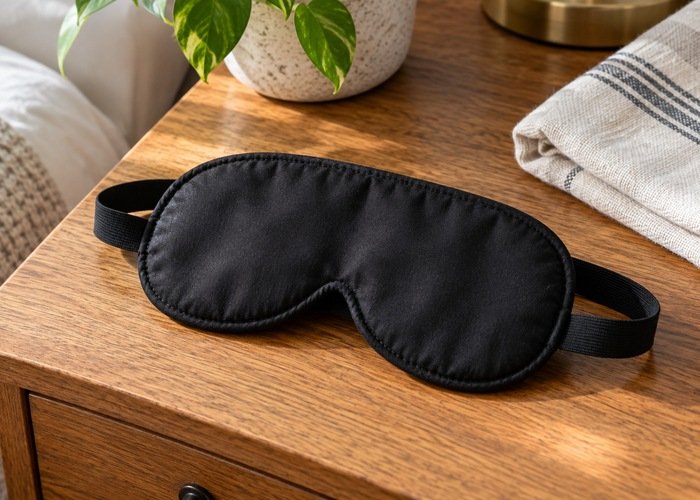
You can also explore sensory elements, such as blindfolds or gentle touch, to enhance intimacy. If you or your partner have mobility concerns, side-lying or pillow-supported variations offer similar closeness with less strain.
Note: Every couple deserves pleasure and connection. You can create a safe, affirming space by respecting each other’s identities and needs.
You shape the experience together. You can celebrate your unique connection by adapting the position to fit your relationship. You do not need to fit a mold. Instead, you can make intimacy your own.
Enhancements
Toys
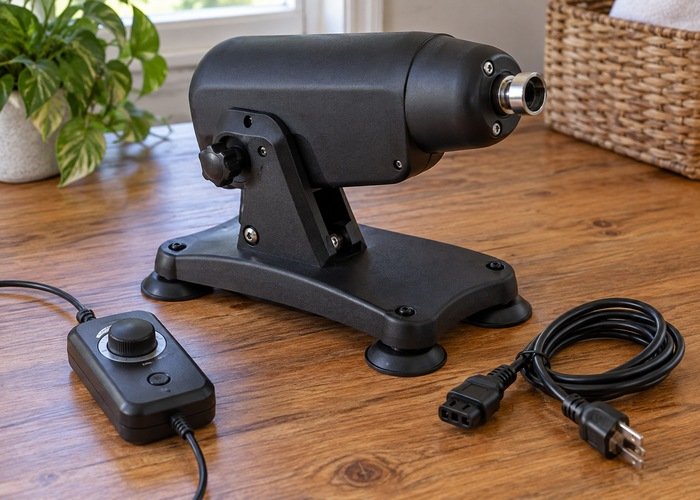
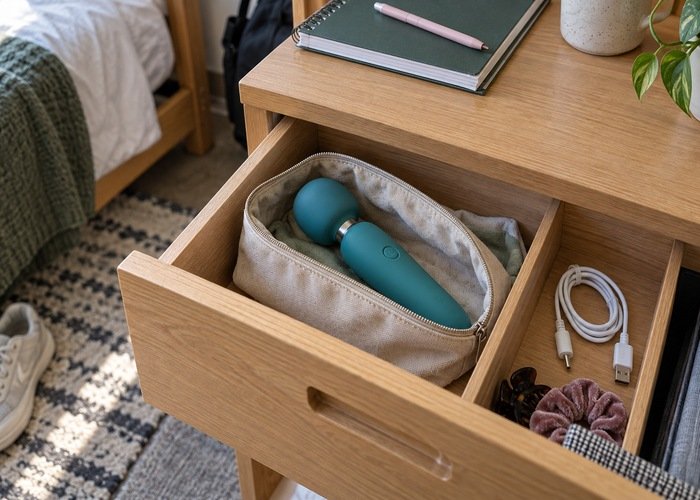
You can elevate your experience by introducing toys into your routine. Select toys that complement the close contact and deep angles of this position. Vibrators, for example, can provide clitoral or perineal stimulation during penetration. Place a small bullet vibrator between your bodies for hands-free pleasure. Couples often use remote-controlled toys to add an element of surprise and shared control.
Restraints, such as soft wrist or ankle cuffs, can enhance the sense of surrender and trust. Use bondage wedges or firm pillows to support the hips and adjust the angle for deeper penetration. These aids not only improve comfort but also allow you to experiment with new sensations. Always check that toys are body-safe and easy to clean. Communicate with your partner before introducing any new item to ensure mutual comfort and consent.
Tip: Start with simple toys and gradually explore more advanced options as your confidence grows.
Sensual Touch
You can deepen intimacy by focusing on sensual touch throughout the experience. Maintain chest-to-chest contact for maximum skin-to-skin connection. Eye contact and gentle kissing heighten emotional closeness. Whispering words of encouragement or desire can further enhance the mood.
Try these forms of sensual touch to enrich your connection:
- Glide your hands along your partner’s back or thighs.
- Maintain steady eye contact to build trust and excitement.
- Use pillows to elevate the hips, improving comfort and allowing for new angles.
- Experiment with slow grinding or placing legs over shoulders to vary sensations.
| Form of Sensual Touch / Enhancement | Description | Effect on Experience |
|---|---|---|
| Full-Body Contact | Kissing, eye contact, whispering | Heightens connection and intimacy |
| Sensory Play | Blindfolds, gags | Focuses attention on touch and sensation |
| Leather Bondage Gear | Restraints, collars, leashes | Amplifies dominance and submission dynamics |
| Positioning Aids | Pillows, wedges | Improves comfort and angles |
Small adjustments, such as easing your partner’s legs or placing your hands beside their shoulders, help maintain comfort and support. Verbal check-ins during the experience ensure both partners feel safe and connected.
Roleplay
You can introduce roleplay to add excitement and explore new dynamics. Power play scenarios, such as dominant and submissive roles, fit naturally with the intensity of this position. Many couples enjoy exploring control and surrender, using props like restraints, collars, or leather accessories to set the scene.
Breeding kink roleplay, which centers on fantasies of deep penetration and impregnation, often pairs well with this position. You might also try character-based scenarios, such as doctor-patient or student-teacher, to bring a playful element to your encounter. Costumes and props can help you step into these roles more fully.
- Discuss boundaries and establish a safe word before starting.
- Use aftercare to reconnect and ensure emotional well-being after intense scenes.
- Customize your scenario to match your comfort level and interests.
Note: Open communication and mutual respect are essential for safe and satisfying roleplay. Always prioritize consent and emotional safety.
Transitions
Smooth transitions can elevate your sexual experience and help you maintain intimacy. You want to move between positions with confidence and care. This approach reduces awkwardness and keeps both partners comfortable. You can use transitions to add variety, respond to your partner’s needs, or simply take a break without losing connection.
How to Transition Into the Position
- Start with Comfort
Begin in a relaxed position, such as classic missionary or side-lying. This helps both partners feel at ease. - Communicate Intentions
Tell your partner you want to try the new position. Clear communication prevents surprises and builds trust. - Adjust Body Placement
Guide your partner’s legs gently toward their chest. Use pillows or cushions for support if needed. - Move Slowly
Shift your weight gradually. Avoid sudden movements to prevent discomfort or strain. - Check In
Ask your partner if they feel comfortable. Make small adjustments based on their feedback.
Tip: Use a pillow under the hips to make the transition smoother and reduce pressure on the lower back.
Transitioning Between Positions
You may want to switch positions during your session. Smooth transitions keep the mood positive and help you explore new sensations. Consider these common transitions:
| From Position | To Position | How-To Transition |
|---|---|---|
| Missionary | Mating Press | Draw knees to chest, adjust hips, maintain eye contact |
| Mating Press | Cowgirl | Lower legs, partner straddles, shift to upright |
| Mating Press | Spooning | Slide to side, keep close contact, adjust legs |
| Mating Press | Doggy Style | Release legs, partner turns over, reposition hips |
You can use gentle touch and eye contact to maintain intimacy during these changes. Slow, deliberate movements help both partners stay comfortable.
Exiting the Position
Exiting with care protects your bodies and preserves the emotional connection. Lower your partner’s legs gently. Guide their feet to the bed. Shift your weight back slowly. Move into a cuddling or side-lying position to continue physical closeness.
Note: Always check in after changing positions. Ask your partner how they feel and offer reassurance.
Tips for Seamless Transitions
- Plan your transitions before you begin.
- Use pillows or wedges to support your bodies.
- Keep communication open at every step.
- Move at a pace that feels right for both of you.
- Stay attentive to your partner’s comfort and needs.
You can master transitions with practice and patience. This skill helps you create a more connected and satisfying experience.
Aftercare
Aftercare plays a vital role in maintaining trust, comfort, and satisfaction after any intimate experience. You should treat this step as an essential part of your routine, not an afterthought. Proper aftercare helps both you and your partner feel valued and secure, especially after trying new or intense positions.
Checking In
You should always check in with your partner after intimacy. This process ensures that both of you feel safe, respected, and emotionally supported. Start by asking simple questions about comfort and feelings. Use open-ended prompts to encourage honest responses.
- Ask, “How are you feeling?” or “Was there anything you liked or didn’t like?”
- Use safe words if you explored power dynamics or intense sensations.
- Compliment your partner to reinforce your connection beyond the physical.
- Discuss any surprises or emotions that came up during the experience.
- Listen without judgment and validate your partner’s feelings.
Open communication during check-ins builds trust and helps you both process the experience together.
Physical Care
Physical aftercare helps your body recover and prevents soreness or discomfort. You can stretch together to relax muscles and reduce tension. Hydration supports your body’s recovery and helps you feel refreshed.
- Gently stretch your legs, hips, and back to release any tightness.
- Drink water to rehydrate after physical activity.
- Use a warm towel or heating pad on sore muscles if needed.
- Take a few deep breaths together to slow your heart rate.
- Adjust your environment—dim the lights or play soft music—to promote relaxation.
A simple routine can make a big difference in how you feel afterward. You show care for your partner by tending to their physical needs as well as your own.
Emotional Support
Emotional aftercare strengthens your bond and ensures both partners feel secure. You should create a safe space for open conversation. Share your thoughts and listen to your partner’s perspective.
- Offer reassurance and affection, such as cuddling or holding hands.
- Express gratitude for your partner’s trust and participation.
- Talk about what you enjoyed and what you might try differently next time.
- Address any lingering concerns or emotions.
- Remind each other that your connection extends beyond the bedroom.
Emotional support after intimacy helps you both feel seen, heard, and appreciated.
You set the tone for future experiences by practicing thoughtful aftercare. This habit encourages ongoing communication, deepens your relationship, and ensures that every encounter ends on a positive note.
You gain the most from the Mating Press when you focus on connection, comfort, and communication. This position offers deep physical and emotional intimacy, with flexibility and support making it accessible for many couples.
- You can use pillows, adjust leg positions, and slow your rhythm for comfort.
- Open dialogue and gradual experimentation help you find what works best.
- Variations allow you to adapt the experience to your needs.
You create a stronger bond when you explore new positions together in a safe, respectful way. Embrace curiosity and prioritize consent as you build a more satisfying intimate life in 2025.
FAQ
What if you feel discomfort during the Mating Press?
You should stop immediately if you feel pain or discomfort. Adjust your position, use pillows for support, or switch to a less intense variation. Always communicate with your partner to ensure both of you feel safe and comfortable.
How can you increase comfort if you have limited flexibility?
You can place pillows under your hips or lower back. Keep your knees at a gentle angle instead of pulling them tightly to your chest. Warm up with light stretches before starting. Listen to your body and make adjustments as needed.
Is the Mating Press safe during pregnancy?
You can try this position with modifications. Use extra pillows for support and avoid deep penetration. Keep your legs at a relaxed angle. Always consult your healthcare provider before attempting new positions during pregnancy.
Can same-sex couples enjoy the Mating Press?
Absolutely. You can use strap-ons, harnesses, or other toys to adapt the position. Focus on chest-to-chest contact and adjust leg placement for comfort. Communication and creativity help you tailor the experience to your needs.
What should you do if you experience muscle cramps?
Pause and gently stretch the affected muscle. Hydrate and massage the area if needed. Use pillows to reduce strain on your joints. Take breaks as necessary to prevent cramps from returning.
How do you maintain intimacy during transitions?
You can maintain eye contact, use gentle touch, and communicate throughout the transition. Move slowly and check in with your partner. These actions help you stay connected and comfortable as you change positions.
What are the best ways to clean up after using toys?
Wash toys with warm water and mild soap or a toy cleaner. Dry them thoroughly before storing. If you use shared toys, consider using condoms for added safety. Always follow the manufacturer’s cleaning instructions.
How do you talk to your partner about trying the Mating Press?
Start with an open, honest conversation. Share your interest and ask about your partner’s feelings. Discuss boundaries, comfort levels, and any concerns. Use positive language and listen actively to build trust and excitement.