You deserve intimacy that feels both connected and comfortable. The Sideways Sex Position offers a cozy, accessible way to share physical pleasure and emotional closeness. This position suits all body types and adapts to different relationship dynamics. Take a moment to consider how you want to feel more at ease and connected during intimate moments.
Every body is welcome, and every connection can deepen with the right approach.
Key Takeaways
- The Sideways Sex Position offers comfort and closeness by reducing pressure on joints and allowing easy adjustments.
- This position suits all body types, ages, and abilities, making intimacy accessible and enjoyable for everyone.
- Using pillows strategically supports your body, improves alignment, and helps prevent discomfort during intimacy.
- Hands remain free in this position, enabling extra touch and stimulation to deepen emotional and physical connection.
- Exploring variations like the Pretzel, Side Saddle, and T-Position adds excitement and helps find what feels best.
- Moving slowly and syncing your rhythm and breathing with your partner strengthens trust and intimacy.
- Face-to-face contact and eye contact boost emotional connection and help partners feel seen and valued.
- Open communication before, during, and after intimacy builds trust, ensures comfort, and enhances satisfaction.
Sideways Sex Position Basics
What Is It?
You may recognize the Sideways Sex Position as a close cousin to spooning or other side-by-side positions. In this setup, both you and your partner lie on your sides, either facing the same direction or turning toward each other. This arrangement allows your bodies to align naturally, reducing strain on your joints and muscles. You can easily adjust your legs and arms to find the most comfortable fit. Many couples appreciate how this position creates a sense of closeness and warmth, making it ideal for slow, intimate moments.
Key Benefits
You gain several advantages when you explore the Sideways Sex Position.
- Comfort stands out as a primary benefit. Lying on your side takes pressure off your back, hips, and knees.
- This position offers accessibility for people with arthritis, chronic pain, lower back pain, obesity, or pregnancy.
- You and your partner both have your hands free, which means you can add extra stimulation or caresses as you wish.
- Emotional and physical intimacy often deepen because you can maintain face-to-face contact or enjoy gentle touches.
- The Sideways Sex Position adapts well to different body types and energy levels, so you can focus on pleasure rather than discomfort.
Tip: Many sex therapists recommend side-lying positions for couples who want to enhance connection and reduce physical strain.
Who Can Try It?
You do not need to fit a specific mold to enjoy the Sideways Sex Position. This approach welcomes all genders, orientations, and physical abilities. If you experience joint pain, fatigue, or mobility challenges, you may find this position especially supportive. Couples of any age or experience level can benefit from its gentle, adaptable nature. You can also experiment with variations to suit your unique needs and desires. The Sideways Sex Position invites you to prioritize comfort, connection, and pleasure—no matter your background or body type.
Popular Variations
Sideways Straddle
You can explore the Sideways Straddle when you want a blend of closeness and control. In this variation, one partner lies on their side while the other straddles their hips, facing either forward or backward. This position allows you to adjust the angle and depth of penetration with ease. You can use your hands for support or extra stimulation. The partner on top can move their hips in slow circles or gentle rocking motions, which helps maintain a steady rhythm. This variation works well if you want to maintain eye contact or enjoy a different perspective. You can also use pillows under the bottom partner’s hips for added comfort.
Tip: Try placing a soft pillow under your knees or hips to reduce pressure and increase comfort during longer sessions.
Side Saddle
The Side Saddle offers a unique twist on the classic Sideways Sex Position. In this setup, one partner lies on their side, and the other sits upright, straddling one thigh. This arrangement gives you more freedom to move your upper body and use your hands for caressing or supporting your partner. You can lean forward for kisses or lean back for a different angle. The Side Saddle works well for couples who want to experiment with new sensations while still enjoying the intimacy of side-by-side contact. This variation also allows for easy clitoral or penile stimulation, making it a versatile choice for many couples.
- You can adjust the distance between your bodies for deeper or shallower penetration.
- You can use your free hand to stimulate erogenous zones or hold your partner close.
T-Position
The T-Position creates a playful and intimate connection. In this variation, one partner lies on their back while the other lies perpendicular, forming a “T” shape. This setup allows for unique angles and access to different erogenous zones. You can use your hands to explore your partner’s body or maintain gentle contact. The T-Position encourages creativity and communication, as you may need to adjust your bodies for maximum comfort. Many couples enjoy this variation for its novelty and the opportunity to try new forms of stimulation.
Note: Communication is key in the T-Position. Check in with your partner to ensure both of you feel comfortable and supported.
Pretzel
You can try the Pretzel variation if you want a blend of intimacy and deeper penetration. In this position, you lie on your side with your bottom leg straight and your top leg bent at the knee. Your partner kneels, straddling your bottom leg while holding your bent knee. This setup creates a unique angle that allows for close body contact and easy access for both partners.
The Pretzel works well if you want to maintain eye contact or enjoy gentle kisses. You can use your free hand to caress your partner’s back or stimulate other erogenous zones. Many couples find this position helpful for targeting the G-spot or increasing clitoral stimulation. You can also adjust the angle by moving your bent leg higher or lower, which helps you find the most comfortable fit.
Tip: Place a pillow under your bent knee or behind your back for extra support. This small adjustment can reduce strain and help you relax during longer sessions.
The Pretzel variation adapts well to different body types and flexibility levels. You do not need to be an athlete to enjoy this position. You can take things slow and focus on communication. If you or your partner experience joint pain or limited mobility, you can use additional pillows for support.
Sims’ Position
Sims’ Position offers another gentle and accessible option within the Sideways Sex Position family. You start by lying on your side with your bottom leg straight and your top leg bent forward at the hip and knee. Your partner positions themselves behind you, also on their side, and aligns their hips with yours. This arrangement creates a semi-prone angle that feels both secure and intimate.
You can use Sims’ Position if you want to reduce pressure on your joints or lower back. This variation works well for people who need extra support or want to avoid deep penetration. You can use your hands to hold your partner or explore gentle touches. Many couples appreciate the sense of closeness and the ability to maintain soft, ongoing contact.
- You can add a pillow between your knees for extra comfort.
- You can adjust the angle by shifting your hips or moving your top leg.
Note: Communication remains essential. Check in with your partner about comfort and pleasure throughout the experience.
Both the Pretzel and Sims’ Position offer you new ways to enjoy the Sideways Sex Position. You can experiment with these variations to discover what feels best for you and your partner.
Alignment & Comfort
Achieving the right alignment and comfort transforms your experience with the Sideways Sex Position. Proper support and thoughtful adjustments help you and your partner maintain pleasure, reduce strain, and stay connected throughout your intimate moments.
Pillow Support
Pillows play a crucial role in enhancing comfort and alignment. You can use them to support your hips, back, or knees, allowing your body to relax and reducing unnecessary tension.
Hip & Back Placement
Strategic pillow placement helps you maintain a neutral spine and balanced posture. Place a pillow under your top knee or between your thighs to keep your hips aligned. If you experience lower back discomfort, tuck a small pillow or rolled towel behind your waist. This support minimizes pressure on your joints and helps you avoid awkward angles.
Tip: Adjust pillow height and position until you feel your muscles relax and your body settles into a natural curve.
Pillow Types
Selecting the right pillow type makes a significant difference. Research shows that pillow height and material directly affect comfort and spinal alignment. The following table summarizes key findings from recent studies:
| Pillow Parameter | Quantitative Effect on Comfort and Alignment |
|---|---|
| Latex material | Moderate evidence for improving sleep comfort, quality, and reducing neck pain |
| Contoured design | Supports side and back sleepers, improves spinal alignment |
| Pillow height (7-11cm) | Highest comfort ratings; reduces cervical and cranial pressure; lowers muscle activation |
| Cooling surface | Enhances sleep comfort and quality |
You may find that a contoured or latex pillow provides the best support for side-lying positions. A pillow with a height of 7-11cm often delivers optimal comfort and reduces muscle strain. Cooling surfaces can also help you stay comfortable during longer sessions.
Entry Angles
Proper entry angles ensure both partners feel comfortable and supported. Adjusting your position helps you find the right fit for your bodies and preferences.
Adjusting for Size
Body size and shape influence how you align with your partner. If you notice discomfort or difficulty with penetration, try shifting your hips forward or backward. You can also experiment with the angle of your pelvis. Small changes in alignment often lead to significant improvements in comfort and pleasure.
- Move your hips closer or further apart to find the best angle.
- Use a pillow under the receiving partner’s hip to elevate and align the pelvis.
- Communicate with your partner about what feels best.
Leg Positioning
Leg positioning affects both access and comfort. You can keep your legs stacked, bend your top knee, or drape your leg over your partner’s hip. Each adjustment changes the angle of entry and the depth of penetration. If you want to reduce pressure on your joints, place a pillow between your knees or under your top leg.
Note: Personalized approaches to comfort work best. Observe how your body responds and adjust as needed.
Preventing Discomfort
Preventing discomfort requires awareness and proactive adjustments. Listen to your body and communicate openly with your partner. If you feel tension or pain, pause and reposition. Use pillows to relieve pressure points and maintain alignment. Research highlights the importance of individualized support, especially for people with mobility challenges or chronic pain.
- Check in with your partner regularly.
- Adjust pillows and body position as needed.
- Take breaks to stretch or change positions if you feel stiff.
Alignment is not just structural; it also involves personal comfort and emotional well-being. When you align your body and mind, you create a foundation for deeper connection and satisfaction in the Sideways Sex Position.
Stimulation & Intimacy
Hands-Free Touch
You gain a unique advantage in the Sideways Sex Position: your hands remain free. This freedom allows you to explore your partner’s body without restriction. You can caress their back, trace gentle patterns along their thighs, or hold them close for reassurance. Many couples find that hands-free touch increases emotional intimacy. You can use your fingertips to stimulate erogenous zones or offer soothing strokes that help your partner relax. Try alternating between light, teasing touches and firmer pressure to discover what feels best for both of you.
Tip: Use your hands to communicate affection and desire. Small gestures, like running your fingers through your partner’s hair or holding their hand, can deepen your connection.
Clitoral & Penile Access
The Sideways Sex Position provides excellent access to both the clitoris and penis. You can easily reach your own or your partner’s genitals, which allows for direct stimulation during intercourse. Research by Rubin et al. (2019) shows that prioritizing women’s pleasure and focusing on clitoral stimulation significantly increases sexual satisfaction and desire. Many women need clitoral stimulation to reach orgasm, and this position makes it simple to provide. You can use your fingers, a vibrator, or gentle pressure to enhance pleasure.
A review on genital vibration highlights that clitoral vibration increases the likelihood of orgasm and improves sexual enjoyment. When you combine clitoral and penile stimulation, you create more opportunities for mutual satisfaction. You do not need to rely solely on penetration. Instead, you can explore a variety of sensations that cater to both partners’ needs.
Note: Open communication about preferences and comfort levels ensures that both you and your partner feel satisfied and respected.
Using Toys
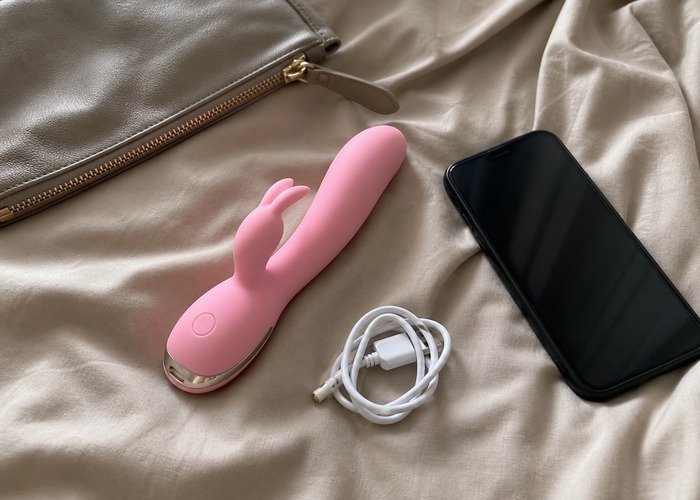
You can enhance stimulation and intimacy by incorporating sex toys into the Sideways Sex Position. Many couples report that using wireless devices, such as wearable vibrators, increases connection and sometimes enables simultaneous orgasm. Men often feel less pressure to perform and enjoy participating in their partner’s pleasure.
- Vibrators and other toys help address the orgasm gap by facilitating female orgasm and improving couple satisfaction.
- Toys encourage exploration of erogenous zones and mutual coaching on preferences, which strengthens intimacy.
- 59% of women use sex toys in both solo and partnered sex, and those who use toys with partners report higher arousal and satisfaction.
- Sex toys can improve male desire and erectile function, which benefits both partners.
- Sexual medicine providers and therapists recommend toys to enhance function and satisfaction in couples.
You can choose from a variety of toys, such as bullet vibrators, couples’ rings, or remote-controlled devices. These options allow you to tailor stimulation to your needs and preferences. Using toys together can challenge traditional sexual scripts and foster a more playful, connected experience.
Tip: Discuss boundaries and preferences before introducing toys. Start with simple devices and focus on shared pleasure to build trust and excitement.
Rhythm & Connection
Slow Pace
You set the tone for deeper intimacy when you slow down. A gentle, unhurried pace allows you and your partner to tune into each other’s bodies and emotions. Moving slowly helps you notice subtle reactions—like a sigh, a shiver, or a smile. These small cues guide you toward what feels best for both of you. When you take your time, you reduce performance pressure and create space for anticipation and pleasure to build naturally.
Many couples find that a slow rhythm encourages more eye contact, soft touches, and whispered words. You can use this time to explore new sensations or simply enjoy the warmth of your partner’s body. Studies show that rhythmic changes and adjustments in movement patterns boost intimacy. Partners who move in rhythm report higher feelings of closeness and desire. By focusing on a slow, steady pace, you foster a nonverbal connection that deepens your bond.
Tip: Try matching your movements to your partner’s breathing or heartbeat. This simple act can heighten your sense of unity.
Synchronized Movement
You enhance connection when you move in sync with your partner. Synchronized movement creates a sense of harmony and trust. Clinical studies in psychotherapy reveal that higher levels of movement synchrony between two people lead to improved relationship quality and increased self-efficacy. These findings extend beyond therapy. In intimate settings, moving together in a coordinated way strengthens your emotional and physical connection.
Motion capture studies and observer ratings confirm that synchrony in dyadic interactions remains stable and measurable over time. When you and your partner move together, you use less mental effort, making the experience more rewarding. This principle explains why synchronized rituals in many cultures foster group cohesion and bonding. In your intimate life, you can apply this by adjusting your rhythm to match your partner’s movements. You might sway together, rock in unison, or gently mirror each other’s pace.
- Synchronized movement builds trust and rapport.
- It helps both partners feel seen and valued.
- You create a shared experience that lingers long after the moment ends.
Breathing Together
You can amplify intimacy by coordinating your breath with your partner’s. Breathing together grounds you in the present and helps regulate your body’s responses. Research supports that coordinated breathing techniques increase sexual satisfaction. In one study, men who practiced breathing exercises as part of a holistic therapy reported greater satisfaction compared to those who did not.
- Coordinated breathing increases oxygenation and reduces stress.
- It boosts self-esteem and lowers psychological distress.
- Breathing exercises support detoxification and overall well-being.
- These techniques work well as non-pharmacologic interventions for sexual health.
You do not need advanced training to benefit. Start by inhaling and exhaling at the same pace as your partner. You may place a hand on each other’s chest or abdomen to feel the rhythm. This simple practice can calm nerves, deepen relaxation, and heighten pleasure. When you breathe together, you create a powerful sense of unity that enhances every aspect of your connection.
Note: If you feel anxious or distracted, return your focus to your breath. Shared breathing can help you both stay present and connected.
Face-to-Face & Eye Contact

Face-to-Face Variations
You can enhance intimacy by choosing face-to-face variations of the Sideways Sex Position. When you and your partner turn toward each other, you create a direct line for nonverbal communication. Your faces remain close, which allows you to read subtle cues and respond with gentle touches or smiles. Research highlights that nonverbal cues and social presence in face-to-face communication are critical for building strong relationships and supporting mental health. During the COVID-19 pandemic, studies found that face-to-face contact outside the home predicted higher well-being and lower loneliness, outperforming digital communication. Experience sampling research also suggests that combining face-to-face and digital communication reduces feelings of connection compared to face-to-face alone. Face-to-face interaction remains the gold standard for promoting emotional well-being and partner connection.
- A daily-diary study found that increased face-to-face communication with partners leads to feeling more understood and higher relationship satisfaction.
- Texting alone did not predict relationship satisfaction but was only helpful when face-to-face communication was low.
- The study emphasizes the importance of face-to-face communication for positive relationship outcomes.
You can try lying on your sides, facing each other, with your legs intertwined. This position lets you maintain eye contact and share soft words or laughter. You may also experiment with gentle forehead touches or synchronized breathing to deepen your sense of unity.
Eye Contact
Eye contact serves as a powerful tool for building trust and closeness. When you look into your partner’s eyes, you send a message of presence and attention. An ecological momentary intervention study used a five-minute eye contact exercise, where couples looked at each other silently. This simple practice increased feelings of closeness both immediately and one week later. The study shows that eye contact can enhance emotional connection in relationships. Another foundational study by Kellerman et al. (1989) demonstrated that mutual gaze increases feelings of romantic love. You can use eye contact as a practical way to strengthen intimacy during face-to-face positions.
Tip: Try holding your partner’s gaze for a few breaths. Notice how your connection deepens, even without words.
Verbal Intimacy
Verbal intimacy adds another layer to your connection. You can whisper affirmations, express desires, or share what you enjoy in the moment. Speaking openly about your feelings helps you and your partner feel valued and understood. Simple phrases like “I love being close to you” or “That feels amazing” can boost confidence and trust. You may also use humor or gentle teasing to keep the mood light and playful. When you combine verbal intimacy with face-to-face contact and eye contact, you create a rich environment for emotional and physical satisfaction.
- Share compliments or gratitude.
- Ask your partner what they enjoy.
- Offer reassurance or encouragement.
Remember: Your words have the power to comfort, excite, and connect. Use them to build a deeper bond during your most intimate moments.
Advanced Moves
Transitions
You can elevate your experience by mastering smooth transitions between Sideways Sex Position variations. Shifting from one position to another keeps the energy flowing and helps you respond to your partner’s needs in real time. For example, you might start in a classic spooning position, then gently guide your partner into the Pretzel or T-Position. Small adjustments, such as changing the angle of your hips or the placement of your legs, allow you to explore new sensations without breaking the connection.
Intentional transitions also foster emotional intimacy. When you check in with your partner and communicate your intentions, you show care and attentiveness. Research shows that deliberate plans—like sharing your thoughts, providing support, and negotiating changes—lead to higher satisfaction and stronger commitment. You build trust when you move together with purpose and respect.
Tip: Use verbal cues or gentle touches to signal a transition. This approach reduces confusion and keeps both partners engaged.
Leg Variations
Leg positioning offers you a powerful way to customize comfort and pleasure. You can experiment with stacking your legs, intertwining them, or draping one leg over your partner’s hip. Each variation changes the angle of penetration and the level of closeness. For example, bending your top knee and placing it on a pillow can open up access for deeper stimulation. Straightening both legs creates a more relaxed, full-body embrace.
A table below summarizes common leg variations and their effects:
| Leg Variation | Effect on Comfort | Effect on Stimulation |
|---|---|---|
| Stacked legs | High | Gentle, close |
| Top knee bent (Pretzel) | Moderate | Deeper penetration |
| Intertwined legs | Moderate | Increased intimacy |
| Leg draped over partner’s hip | Variable | Enhanced access |
You can switch between these options based on your comfort and your partner’s feedback. Adjusting your legs also helps reduce negative communication, such as frustration or discomfort, which research links to higher partner satisfaction.
Mixing Positions
Mixing Sideways Sex Position variations with other positions adds excitement and novelty to your intimate life. You might combine a side-lying start with a transition to missionary or cowgirl, depending on your flexibility and mood. This approach keeps both partners engaged and allows you to discover what feels best in the moment.
Empirical studies highlight that expected satisfaction predicts commitment more strongly than current satisfaction. When you try new moves and adapt to your partner’s responses, you create positive expectations for future encounters. You also practice constructive relationship maintenance, such as resolving problems and spending quality time together.
Note: Focus on reducing negative communication during transitions and experimentation. Open, supportive dialogue helps you both feel secure and satisfied.
You can use advanced moves to deepen your connection, increase pleasure, and build a foundation for lasting satisfaction. Small changes in movement and communication make a significant difference in your shared experience.
Communication & Aftercare
Checking In
Open communication forms the foundation of a satisfying and safe sexual experience. Before you try new Sideways Sex Position variations, check in with your partner about comfort and mood. This step ensures both of you feel respected and secure. You create a safe space by confirming mutual consent and understanding boundaries.
- Respect your partner’s needs and only engage in activities you both agree on.
- Discuss new positions beforehand to clarify comfort levels and boundaries.
- Pay attention to both verbal and non-verbal cues, such as body language or tone of voice.
- Ask permission before making changes, and adjust your approach based on your partner’s feedback.
- Stay flexible and willing to pause or shift if either of you feels uncertain.
By checking in regularly, you foster trust and responsiveness, which strengthens your connection and enhances pleasure.
Expressing Needs
Expressing your needs and desires openly leads to greater satisfaction and intimacy. You support your relationship by sharing preferences, boundaries, and feelings honestly.
- Practice active listening and empathy when your partner shares their thoughts.
- Build trust by discussing sexual preferences and boundaries without judgment.
- Clearly state your desires to support consent and emotional safety.
- Address differences in preferences with sensitivity, and negotiate compromises when needed.
- Encourage authentic self-expression and respect individuality.
- Use honest dialogue to manage mismatched preferences and reduce misunderstandings.
- Overcome stigma by talking openly about sexuality, which fosters acceptance and strengthens your bond.
Research shows that couples who communicate about their sexual needs experience higher relationship and sexual satisfaction. Quality conversations about desires and boundaries help you rewrite your shared sexual script, leading to more rewarding experiences.
Aftercare Tips
Aftercare supports both emotional and physical wellbeing following intimate moments. Positive emotional states promote better recovery and overall health by activating systems that buffer stress and encourage healing. You can nurture this wellbeing through simple, intentional practices.
Take time to cuddle, share affirming words, or simply rest together. Physical touch and gentle conversation help both partners feel valued and secure. Maintain healthy routines outside the bedroom, such as regular exercise and a balanced diet, to support mental and physical health. Engage in hobbies, nurture positive relationships, and allow yourself small pleasures to boost emotional resilience. Micro self-care strategies, like a few minutes of deep breathing or reflection after intimacy, can make a significant difference. By prioritizing aftercare, you reinforce trust, deepen your connection, and create a foundation for ongoing satisfaction in your relationship.
You unlock deeper connection, comfort, and pleasure when you explore the Sideways Sex Position and its many variations. Small adjustments help you tailor each experience to your needs. Open communication with your partner builds trust and satisfaction. Every body and relationship deserves intimacy that feels safe and fulfilling. Try new approaches, listen to each other, and celebrate what works best for you. Your journey toward greater intimacy starts with curiosity and care.
FAQ
What if you or your partner have limited flexibility?
You can use pillows for support and choose variations that require less stretching. Adjust your leg positions and communicate about comfort. Many side-lying positions work well for people with limited mobility or flexibility.
Can the Sideways Sex Position help with back pain?
Yes. Lying on your side reduces pressure on your back and joints. You can add a pillow behind your lower back or between your knees for extra support. Always listen to your body and adjust as needed.
Is the Sideways Sex Position suitable for all genders and orientations?
Absolutely. This position adapts to all bodies and relationship types. You can modify angles and movements to fit your anatomy and preferences. The Sideways Sex Position welcomes everyone.
How do you maintain intimacy if you cannot make eye contact?
You can focus on touch, gentle words, and synchronized breathing. Holding hands or caressing your partner’s face also builds connection. Intimacy comes from many forms of nonverbal communication.
What should you do if penetration feels uncomfortable?
Stop and check in with your partner.
Try adjusting your angle, adding lubrication, or using pillows for support.
If discomfort continues, consider non-penetrative activities or consult a healthcare provider.
Can you use sex toys in the Sideways Sex Position?
Yes. Many couples use vibrators, rings, or remote-controlled toys to enhance pleasure. Choose toys that fit comfortably between your bodies. Always discuss boundaries and preferences before introducing new devices.
How do you keep things fresh with the Sideways Sex Position?
- Explore different variations, such as the Pretzel or T-Position.
- Change rhythm, pace, or add toys.
- Communicate openly about desires and try new approaches together.
Variety and communication keep your intimate life exciting.