BDSM can be a safe and exciting way to explore intimacy and emotions. For those new to this, a Beginner’s Guide to BDSM can be incredibly helpful in understanding the basics. Studies reveal that approximately 69% of people have experimented with a BDSM idea or activity, and about 20% engage in it regularly. These statistics highlight that curiosity about BDSM is both common and normal. Communication and mutual consent are essential for safe BDSM experiences. Establishing boundaries, using safewords, and fostering understanding between partners are crucial for preventing issues and building trust. Approaching BDSM with curiosity and an open mind allows you to discover what works best for you. Always prioritize respect, safety, and shared exploration in your journey.
Key Takeaways
- BDSM is a safe way to explore feelings and closeness. Talking and agreeing are key for fun and safe times.
- Set clear rules and use safewords to stay safe. Share your likes and limits honestly with your partner.
- Begin with small steps when trying BDSM activities. Use simple tools and easy methods to build trust and comfort.
- Aftercare is very important. It helps both partners feel better emotionally and physically after BDSM activities.
- Join online groups and read beginner guides to learn more. Talking to others can help you understand and feel more confident.
What Is BDSM? A Beginner’s Guide to BDSM
Understanding the Acronym
Bondage and Discipline
Bondage and Discipline (B&D) involve restraint and following rules. Bondage means tying or holding someone with ropes, cuffs, or tools. This builds trust and creates a feeling of vulnerability. Discipline is about setting rules and consequences. For example, a dominant partner may give tasks, and breaking them leads to agreed punishments. These activities depend on clear communication and consent to stay safe and enjoyable.
Dominance and Submission
Dominance and Submission (D/S) focus on power roles between partners. One person leads as the dominant, while the other follows as the submissive. This can include giving commands or using gestures. It’s not about controlling daily life but sharing power during certain moments. Many enjoy D/S because it builds trust and emotional closeness.
Sadism and Masochism
Sadism and Masochism (S/M) involve enjoying giving or receiving pain. This part of BDSM is often misunderstood. It’s not about hurting someone but exploring feelings and limits. Activities can range from light spanking to stronger sensations. Consent and safety are always the top priorities. The goal is for both people to feel satisfied, not upset.
Debunking Common Misconceptions
BDSM Is Not Abuse
Some think BDSM is the same as abuse, but it’s not. Abuse happens without consent, while BDSM depends on agreement and communication. Research shows BDSM participants often feel less stressed than others. This proves that consensual practices are very different from harmful actions.
BDSM Is Not Just About Pain
Another myth is that BDSM is only about pain. While some like physical sensations, others enjoy emotional bonds, role-playing, or power exchanges. For example, rope tying or sensory play doesn’t always involve pain. Instead, it focuses on trust and connection. BDSM offers many experiences, so there’s something for everyone.
| Evidence Type | Findings |
|---|---|
| Psychological Health | BDSM participants feel less psychological stress than others. |
| Trauma Association | No higher chance of trauma in BDSM practitioners. |
| Sexual Behavior | Participants try different activities without more risk of coercion. |
Why People Explore BDSM
Building Emotional Connection and Trust
BDSM can make relationships stronger. Activities often need openness, which builds trust. For example, a submissive trusting a dominant with their safety creates a special bond. Many say their communication and closeness improve through BDSM.
Discovering Empowerment and Self-Expression
For some, BDSM helps them learn about themselves. It lets people express feelings they might not show daily. Younger people, like Generation Z, are exploring BDSM earlier as a way to grow. Through role-playing or power dynamics, many feel confident and happy in these experiences.
- Key Motivations for Exploring BDSM:
- Having fun and enjoying themselves.
- Feeling fulfilled and true to their identity.
- Meeting and connecting with different people, including friends or strangers.
Communication and Consent in BDSM
Talking Openly
Sharing Wants and Limits
Talking openly is key to safe and fun BDSM. Share your wants, needs, and limits with your partner. This builds trust and helps you understand each other. For example, if you want to try bondage, talk about what excites or worries you. Knowing each other’s boundaries keeps things safe.
BDSM contracts can also help. These are written agreements about what you’ll do. They make it easier to talk about safety and consent. Even after agreeing, check back often to keep communication strong.
Tip: Be clear when talking about limits. Avoid unclear words to prevent confusion.
Asking Questions Kindly
It’s important to ask questions when learning about BDSM. You might wonder about certain roles, tools, or activities. Be curious and kind when asking. For example, if your partner mentions sensory play, ask what it is and how it works.
Good communication helps you find shared interests or decide against something. This makes your bond stronger and shows respect for each other.
- Tips for open communication:
- Talk about wants and limits to grow closer.
- Keep discussing feelings and experiences.
- Remember, consent needs clear talks first.

Safewords and Safety Signals
Why Safewords Matter
Safewords are important for stopping or pausing activities. Pick a word that’s easy to remember and not used in normal talk, like “red” or “banana.” Safewords help you stay safe during intense moments.
For example, if you feel uneasy, saying your safeword stops the activity right away. This builds trust and keeps safety first.
Using Silent Signals
Sometimes, you can’t talk during a scene. In these cases, use signals like tapping your partner’s hand or dropping an object. These actions show discomfort and keep you safe.
Note: Always agree on safewords and signals before starting.
Planning and Setting Rules
Getting Ready for Scenes
Before starting any BDSM activity, plan and set clear rules. Talk about roles, actions, and limits. For example, if you’re trying dominance and submission, decide what’s okay and what’s not.
The idea of Conscious Relationship Design (CRD) highlights clear boundaries and consent. This makes things safer and helps you share your needs better.
Updating Rules Over Time
Your BDSM preferences may change as you learn more. It’s important to review your agreements often. Check in with your partner to see what’s working or needs changing.
Regular talks make sure both partners feel good and respected. They also help you explore new ideas or handle challenges together.
Exploring Roles and Preferences in BDSM
Understanding Roles
Dominant, Submissive, and Switch Roles
BDSM roles focus on sharing power between partners. A dominant leads and makes decisions. A submissive follows and gives up control. A switch changes between these roles based on mood or partner. These roles help people explore what they like and set boundaries.
Studies show 60.5% of women in BDSM prefer being submissive. Psychological traits, like attachment styles, affect role choices. For example, secure or avoidant styles often match dominance. Submissive people may feel more anxious about separation.
| Role Type | Practitioners Count | Percentage |
|---|---|---|
| Dominant | 314 | 16.9% |
| Submissive | 981 | 52.9% |
| Switch | 561 | 30.2% |
Learning about these roles can help you find your comfort zone. Roles can change over time as you grow and learn.
Discovering Your Interests
Experimenting Safely
Start small when trying BDSM for the first time. Begin with simple activities like light bondage or sensory play. Talk openly with your partner about what you want to try. Set clear rules to keep things safe.
A worldwide study found most people learn about BDSM at age 18.4. They start private activities around age 24.4. Popular choices include impact play, rope tying, and consensual role-play. The chart below shows average ages for key BDSM milestones:
Reflecting on Experiences
After trying something new, think about how it felt. Did you enjoy it? Would you do it again or change something? Share your thoughts with your partner to grow together and improve your experiences.
Embracing Flexibility
The Value of Labels
Labels like “dominant,” “submissive,” or “switch” help explain your preferences. But they shouldn’t limit you. Research shows people often identify as submissive, but roles can change depending on the situation.
Allowing for Growth and Change
BDSM roles aren’t fixed. They can shift as you gain confidence and experience. Dalton, a BDSM participant, shared her story about learning and trusting. She said, “We need to stop expecting one default role… People would be happier.”
Being flexible lets you grow and adapt in BDSM. This mindset creates a more meaningful and enjoyable journey.
Staying Safe While Exploring BDSM
Safety Frameworks
Risk-Aware Consensual Kink (RACK)
RACK means knowing and accepting risks in BDSM. Talk with your partner about dangers and how to handle them. For example, if using restraints, think about blood flow problems. Always keep safety tools like scissors close by. RACK helps you make smart choices so both feel safe.
Safe, Sane, and Consensual (SSC)
SSC is about keeping things safe, clear-minded, and agreed upon. Safe means using the right tools and methods to avoid harm. Sane means both partners are thinking clearly. Consensual means no one is forced into anything. For example, before trying spanking, learn how to do it safely and agree on limits.
The Importance of Aftercare
Emotional and Physical Aftercare
Aftercare helps you and your partner feel better after BDSM.
- Emotional aftercare includes hugging, talking, or giving kind words. This helps with any guilt or sadness.
- Physical aftercare means treating injuries, like icing sore spots or cleaning small cuts.
Studies show aftercare has many benefits:
- It helps you bond by releasing happy chemicals.
- It reduces bad feelings like guilt or loneliness.
- It helps your body rest and recover after intense activities.
For example, after using restraints, you could rub your partner’s wrists and say kind words. This creates a caring and safe space.
Recognizing Red Flags
Identifying Unhealthy Dynamics
Bad dynamics can hurt you. Look out for these signs:
- Skipping aftercare or saying it’s not needed.
- Using power to force non-agreed actions.
- Refusing to talk openly or ignoring your concerns.
- Pushing past your physical or emotional limits.
For example, if a partner ignores your safeword or skips aftercare, they may not respect your boundaries.
Knowing When to Seek Help
If red flags keep showing up, get help. Feeling unsafe, being rushed, or cut off from others are serious problems. Talk to trusted friends, online groups, or counselors. A good BDSM relationship always values respect and safety.
Finding Resources and Communities for Beginners
Online Communities and Forums
Beginner-Friendly Platforms
Joining online groups helps you meet others with similar interests. Many websites are made for beginners, offering safe spaces to learn. These groups focus on:
- Talking about consent often to keep it clear.
- Sharing safety tips and discussing possible risks.
- Meeting people for support and learning together.
Examples include forums, social media groups, and BDSM websites. These places let you explore slowly and learn from experienced members.
Engaging Respectfully
Being polite is important when joining a new group. Introduce yourself nicely and read the rules first. Don’t assume things about others’ preferences or experiences. Instead, ask kind questions and listen carefully. For example, if someone talks about bondage, thank them and ask more questions to learn. This builds trust and good connections.

Educational Resources
Books and Blogs for Beginners
Books and blogs are great for learning about BDSM. They teach about communication, consent, and safety. Studies show these resources improve talking skills and closeness in relationships. Beginners often feel more confident after learning the basics.
For instance, a beginner’s guide might explain how to set limits or use safewords. Reading helps you understand BDSM better and prepares you for safe experiences.
Podcasts Offering Guidance
Podcasts are another way to learn about BDSM. Experts talk about roles, tools, and aftercare. Listening can give you helpful tips and deeper understanding. Many people feel happier and more connected after using what they learn. Podcasts also show how BDSM can improve emotions and communication.
Tools and Toys for Beginners
Starting with Simple Items
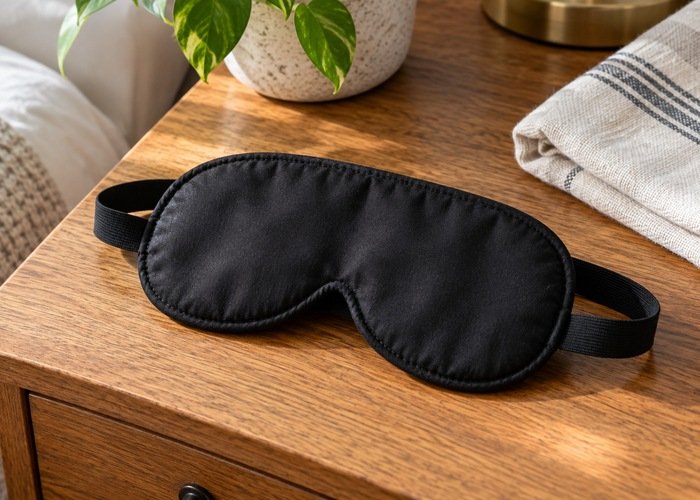
Begin with easy-to-use tools when trying BDSM. Soft cuffs, blindfolds, or feather ticklers are good for starters. Reviews say soft cuffs are safer than metal ones. Bit gags are also more comfortable for beginners. These tools help you try new things safely and build trust.
Shopping Safely and Discreetly
Always choose safe and good-quality tools. Buy from trusted stores and check reviews first. For example, silicone tools are durable and easy to clean. Shopping online can be private and offer more choices. Talk with your partner about your picks to ensure comfort and agreement.
BDSM is a way to learn about yourself and others. It helps you understand feelings, limits, and relationships. Many people say it improves trust, closeness, and talking with their partners. Younger groups, like Generation Z, are starting earlier and finding confidence and growth through these activities.
Still, stigma is a problem. Research shows 86% of people have negative views about BDSM. Also, 28% of those who practice it feel uneasy sharing their interests. Age and personality traits, like being careful or less open, often affect these opinions.
| Key Findings | Description |
|---|---|
| Stigmatizing Beliefs | 86% of people hold negative views about BDSM. |
| Self-Reported Stigma | 28% of practitioners feel shy about sharing their interests. |
| Predictors of Stigmatization | Older age and cautious personalities lead to more stigma. |
To get started, try small steps:
- Talk with your partner about what you’re curious about.
- Check out beginner guides like books, blogs, or podcasts.
- Join online groups to meet others and learn safely.
Tip: Go slow. You don’t need to rush into roles or labels. Treat BDSM as a personal journey and let it grow naturally.
Focus on clear talks, agreement, and safety to enjoy meaningful experiences. The Beginner’s Guide to BDSM is just the first step in your adventure.
FAQ
What is a safeword, and how do I pick one?
A safeword stops an activity right away. Pick a word not related to the scene, like “apple” or “blue.” It should be simple to remember and say. If you can’t talk, agree on a signal, like tapping three times.
Can I try BDSM alone?
Yes, you can explore BDSM by yourself. Start with things like self-bondage, sensory play, or writing about your thoughts. Always stay safe. For example, if using self-bondage, tie knots you can undo quickly and keep scissors close.
How do I know if BDSM is for me?
Think about what interests you and what feels okay. Read beginner guides or try easy activities like wearing a blindfold. If it feels fun and safe, you can explore more. Trust yourself and take it slow.
What if I feel scared to start?
It’s normal to feel nervous. Learn from books, blogs, or podcasts first. Share your feelings with someone you trust. Begin with simple, safe activities to feel more confident. For example, try sensory play with a feather or ice cube.
How do I safely join a BDSM group?
Find beginner-friendly online groups or local events. Check their rules and reviews before joining. Be polite when introducing yourself and asking questions. Don’t share personal details until you trust the group.