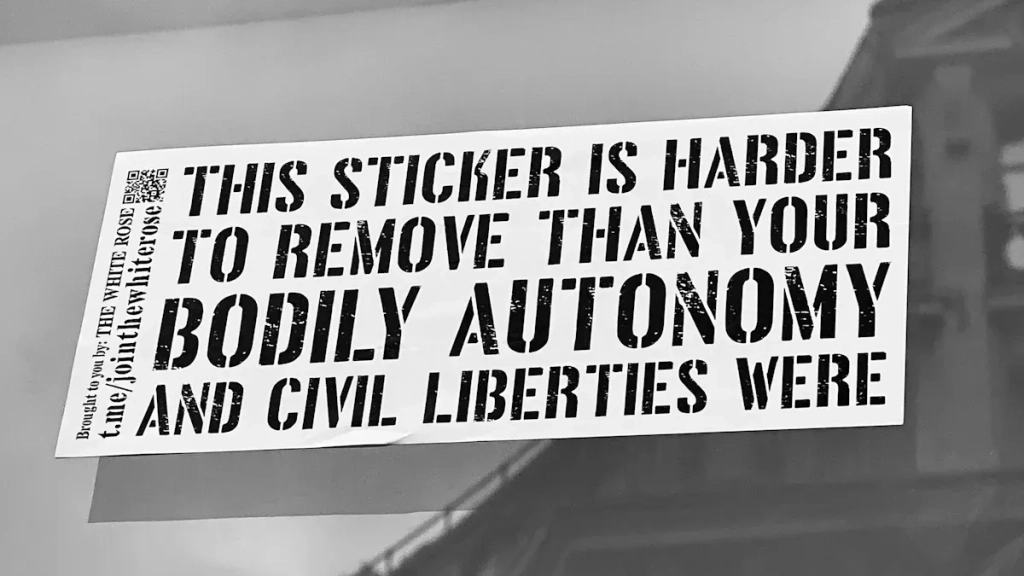
Pubic hair often feels like a private topic, but you may find that it shapes how you see yourself. Many people feel pressure to change their appearance. In a recent survey, 58% reported feeling societal pressure to remove or trim body hair, and women felt this more than men. You might notice that beauty standards and bodily autonomy often collide. Choices about grooming can reflect your values, comfort, and the way Hair Matters in your life.
- 25.4% of women trim their pubic hair.
- 23.8% partially remove it.
- 23.3% completely remove it.
- 10.5% leave it alone.
Your decision holds personal and cultural meaning.
Key Takeaways
- Your grooming choices reflect your identity and can boost your confidence.
- Cultural beliefs shape how people view pubic hair; understanding this can empower your decisions.
- Discussing pubic hair openly helps challenge societal taboos and promotes acceptance.
- Pubic hair serves important biological functions, including protection against infections.
- You have the right to choose how to groom your body; respect others’ choices too.
- Media and peer pressure can influence grooming habits; focus on what feels right for you.
- Body positivity movements encourage embracing natural hair and celebrating diversity in grooming.
- Reflect on your grooming choices to ensure they align with your personal values and comfort.
Why Hair Matters
Identity And Self-Expression
Confidence And Authenticity
You express your identity in many ways, and your choices about body hair can reflect who you are. When you decide how to groom or keep your pubic hair, you make a statement about your comfort and confidence. Some people feel empowered by embracing their natural hair, while others find confidence in grooming or removing it. Your decision can help you feel more authentic and true to yourself.
Throughout history, people have used pubic hair grooming as a form of self-expression. In ancient India, women from the Hindu Nair caste practiced pubic hair removal as a custom. In Britain’s Georgian era, lovers exchanged pubic hair as tokens of affection, showing how personal and meaningful these choices can be.
Historical practices indicate that pubic hair removal has been a form of self-expression in various cultures. For instance, in ancient India, women from the Hindu Nair caste practiced pubic hair removal as a custom. In Western societies, the cultural disapproval of public exposure of women’s bare skin evolved over time, leading to different perceptions of pubic hair. Additionally, during the Georgian era in Britain, collecting a lover’s pubic hair as a souvenir was common, showcasing its significance as a token of affection.
Your grooming habits can also connect to your sense of belonging. In some cultures, hair removal is linked to hygiene or religious beliefs. In others, keeping hair natural is a way to resist mainstream beauty standards. You might find inspiration in art or social movements that celebrate body hair as a symbol of authenticity. For example, the Januhairy movement encourages people to embrace their natural hair and challenge social norms.
Cultural And Personal Meaning
Hair Matters because it carries cultural and personal meaning. Across the world, people have different reasons for grooming or keeping their pubic hair. Hygiene is a common motivator, but attractiveness and tradition also play a role.
- Hygiene is the most common motivator for pubic hair removal across cultures.
- Attractiveness is also a noted reason in some societies.
- Specific practices include hygienic mandates in Islamic cultures and aesthetic ideals in ancient Greece.
In Ancient Egypt, women used various methods to remove pubic hair. Ancient Greek art often showed hairless bodies, which reflected a cultural preference for hairlessness as a sign of dignity. These examples show that your choices about body hair can connect you to a long history of personal and cultural expression.
Challenging Taboos
Breaking Silence
Talking openly about pubic hair can feel uncomfortable, but breaking the silence helps you and others question old taboos. Many societies have long viewed female body hair as unfeminine or even uncivilized. In ancient Greece, people saw female body hair as barbaric. Over time, these ideas shaped modern beauty standards and made hairlessness the norm for many women.
Today, you see more people and movements challenging these taboos. Feminist artists like Sylvia Sleigh painted women with natural body hair, confronting the idea that only hairless bodies are beautiful. Social media campaigns and public discussions now encourage people to share their experiences and support each other. The Billie Razor Campaign in 2019 featured women with visible body hair, marking a shift in how society views and represents body hair.
Destigmatizing Body Hair
You play a role in destigmatizing body hair by making informed choices and supporting others. Recent studies show that 88% of women aged 18-24 remove some or all of their pubic hair, often due to pressure from media and cultural norms. These trends highlight the importance of questioning why you make certain choices and whether they truly reflect your values.
Movements like Januhairy encourage people to stop shaving and embrace their natural hair. These efforts help challenge the myth that hairlessness equals cleanliness or attractiveness. By talking about your choices and respecting others, you help create a culture where everyone feels free to decide what Hair Matters most to them.
Pubic Hair Through History
Ancient Practices
Early Grooming Rituals
You can trace the roots of pubic hair grooming back thousands of years. Ancient civilizations developed unique methods and reasons for managing body hair. In Egypt, both men and women removed pubic hair for hygiene and beauty. They used copper razors, flintstones, and sugaring pastes. Priests shaved their entire bodies every other day to maintain cleanliness, as noted by the historian Herodotus.
“Egyptian priests shaved their entire bodies every other day to prevent lice and maintain cleanliness while serving the gods.”
In Greece, women plucked or singed pubic hair, while men removed it to highlight their physiques. Romans adopted similar habits, using tweezers, pumice stones, and razors. Grooming became a sign of social status, especially among the upper class. Public baths in Rome even featured special grooming areas.
Here is a summary of grooming practices in ancient civilizations:
| Civilization | Grooming Practices | Tools Used | Cultural Significance |
|---|---|---|---|
| Ancient Egypt | Women removed pubic hair using razors and sugaring | Copper razors, flintstones, paste | Beauty, hygiene, depicted in art |
| Ancient Greece | Women plucked or singed hair; men removed for looks | Tweezers, heat | Ideal physique, dignity, art representation |
| Ancient Rome | Upper-class women used tweezers and razors | Tweezers, pumice stones, razors | Cleanliness, social status, grooming areas in public baths |
Symbolism In Cultures
The meaning of pubic hair has shifted across cultures and eras. In ancient Egypt, some women removed hair for beauty, while others kept it, as seen in art. Greeks and Romans viewed hairlessness as a sign of femininity and dignity. During the Middle Ages, people believed keeping pubic hair protected against disease, which marked a change from earlier ideals.
- In Egypt, smooth skin symbolized purity and hygiene.
- Greeks and Romans linked hair removal to dignity and social standing.
- In the Middle Ages, natural hair became associated with health and protection.
These examples show that your grooming choices can reflect deeper cultural beliefs and values.
Modern Beauty Ideals
Hair Removal Trends
Over the past century, beauty ideals around pubic hair have changed dramatically. The introduction of the bikini in the 1940s led to new expectations for grooming. The 1960s and 1970s celebrated natural body hair as part of the sexual liberation movement. In the 1980s and 1990s, media and adult magazines influenced a shift toward trimmed styles. The early 2000s saw the rise of the Brazilian wax, making complete removal popular. Today, you see a wider acceptance of diverse grooming choices, with a focus on personal autonomy.
| Decade | Beauty Ideal Description |
|---|---|
| 1940s | Bikini fashion increased advertising for pubic hair removal. |
| 1960s-1970s | Natural hair celebrated during sexual liberation. |
| 1980s-1990s | Trimmed styles became popular, influenced by media and magazines. |
| Early 2000s | Brazilian wax and decorative trends like vajazzling emerged. |
| Present Day | Emphasis on personal choice and acceptance of all grooming styles. |
Media And Fashion Influence
Media and fashion have played a major role in shaping how you view pubic hair. The popularity of the bikini in the mid-20th century changed grooming habits. As adult magazines began to show pubic hair, public conversations about grooming increased. The internet and the rise of online media in the 1990s made pornography more accessible, which influenced mainstream trends. Many women began to adopt the hairless look seen in media, believing it reflected modern beauty standards.
- The internet and media have made certain grooming styles more visible and influential.
- Fashion trends, such as the bikini, have driven changes in grooming expectations.
- Today, you can find support for every choice, from full removal to natural hair, reflecting the idea that Hair Matters in personal and cultural ways.
If you want to explore more about the history and cultural shifts in body hair, you can visit The British Museum or follow educational discussions on Instagram.
Societal Pressure And Media
Beauty Norms And Cleanliness
Negative Perceptions
You may notice that many people link hairlessness with cleanliness and beauty. This belief does not come from personal preference alone. Cultural norms and media messages shape these ideas. Studies show that women often remove pubic hair because they believe it makes them feel cleaner, more comfortable, and more attractive. In some communities, such as among South Asian beauticians in London, pubic hair removal is seen as a sign of hygiene. Turkish-Cypriot women also report that comfort and odor prevention motivate their grooming choices. These patterns reflect how society connects hair removal with being clean.
- Many women say they remove pubic hair for cleanliness, comfort, and aesthetics.
- Societal beauty norms strongly influence grooming decisions.
- Some cultures view hair removal as necessary for hygiene.
- Media and advertising often reinforce the idea that hairlessness equals cleanliness.
Tiggemann and Hodgson (2008) argue that linking cleanliness to hairlessness encourages people to buy more grooming products. This cycle keeps beauty standards in place and makes it harder to question them.
The Myth Of Attractiveness
You might feel pressure to remove pubic hair because you think it makes you more attractive. Surveys reveal that both men and women rate hairlessness as more appealing. The following tables show how people view pubic hair and the reasons they give for removing it:
| Reason for Hair Removal | Percentage of Women |
|---|---|
| Makes me feel cleaner | High |
| Sexual attractiveness | High |
| Perception of Pubic Hair | Description |
|---|---|
| Hairless | Feminine, Clean, Attractive |
| Presence of Hair | Unattractive, Unclean, Gross |
For men, cleanliness and sex appeal are also top reasons for grooming. These beliefs do not always reflect personal comfort or health. Instead, they often mirror what you see in movies, magazines, and online platforms. You can read more about how beauty standards shape grooming habits at The Conversation.
Media And Peer Influence
Celebrity Trends
Celebrities and influencers set trends that many people follow. When a famous person talks about their grooming habits or appears hairless in photos, it can make you feel like you should do the same. Media coverage of celebrity beauty routines often highlights hair removal as a normal or even expected part of self-care. This attention can make it hard to separate your own preferences from what you see in the spotlight. For example, social media platforms like Instagram often feature influencers who promote certain grooming styles.
Social Media Impact
Social media shapes how you think about body hair, especially if you are younger. Research shows that most people aged 18-25 groom their pubic hair, and media plays a big role in this trend. Magazines, television, and online discussions promote specific grooming styles. Younger people are more likely to adopt these styles because they see them as popular or attractive.
| Study Focus | Findings | Age Group |
|---|---|---|
| Attitudes and habits related to pubic hair grooming | Majority of participants groomed their pubic hair (69.4%) | 18-25 years old |
| Influence of media on grooming practices | Younger individuals adopt grooming practices popularized by media | Varies by age group |
Peer influence also matters. If your friends or classmates remove their pubic hair, you may feel pressure to do the same. Sociological research finds that attitudes, peer behavior, and the desire to fit in are strong predictors of grooming choices. Feminist values can reduce this pressure, but the influence of social groups remains powerful.
- Young women often feel pressure from peers to remove pubic hair.
- Shaving is the most common method, shaped by trends and media images.
- Many people say they groom for aesthetic reasons and to feel more attractive.
- Peer group norms strongly affect how you view your own body hair.
Understanding how Hair Matters in your life can help you make choices that reflect your true values, not just what society expects. You can find supportive communities and discussions on platforms like Reddit and Instagram that encourage body positivity and autonomy.
Health And Hair Matters
Biological Importance
Protective Barrier
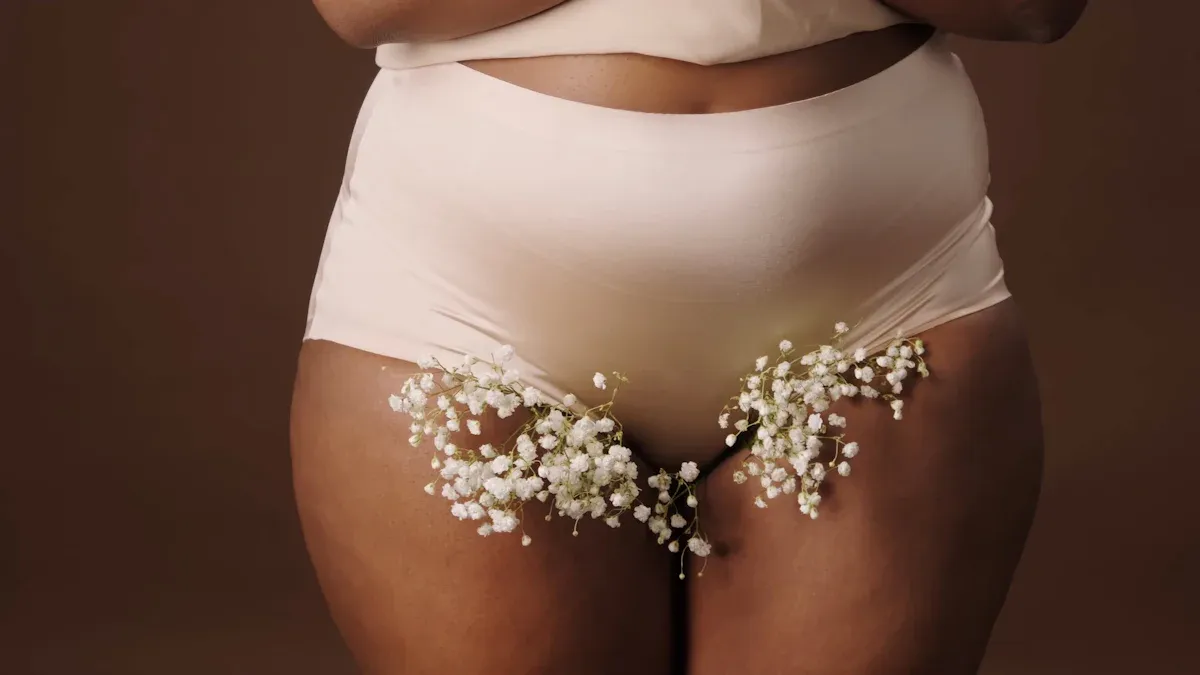
You might not realize that pubic hair serves as a natural shield for your body. Like eyelashes and nose hair, it traps debris and harmful microorganisms, helping to keep bacteria away from sensitive skin. Hair follicles in this area also produce sebum, an oily substance with antibacterial properties. This extra layer of protection can lower your risk of infections such as vaginitis and urinary tract infections. Pubic hair also acts as a barrier against friction, which can help prevent irritation during physical activity or sexual contact.
- Traps bacteria and debris
- Reduces friction and irritation
- Sebum from hair follicles fights bacteria
Pubic hair evolved to protect you from pathogens and irritation, making it an important part of your body’s defense system. For more on the biological role of body hair, you can visit Cleveland Clinic.
Hygiene And Comfort
Many people believe that removing pubic hair makes them cleaner, but this is a common myth. Your body hair does not cause uncleanliness. In fact, it helps maintain comfort by reducing skin-to-skin contact and absorbing sweat. When you keep your pubic hair, you may notice less chafing and fewer skin problems. Good hygiene depends on regular washing, not on hair removal. You can read more about hygiene and body hair at Mayo Clinic.
Risks Of Removal
Physical Consequences
When you remove pubic hair, you expose your skin to several risks. Shaving, waxing, or using creams can cause cuts, burns, and rashes. These small injuries may let bacteria enter, increasing your risk of infection. Many people experience ingrown hairs, which can become painful or infected. The table below shows some common health risks linked to pubic hair removal:
| Health Risk | Description |
|---|---|
| Razor burn | Redness, burning, and itchiness after shaving. |
| Folliculitis | Inflamed hair follicles, sometimes looking like pimples. |
| Spread of infection | Using unclean tools can spread infections or STDs. |
| Contact dermatitis | Allergic reactions to products like wax or shaving cream. |
| Ingrown hairs | Hairs grow back into the skin, causing bumps and possible infection. |
You should know that extreme hair removal can cause microtrauma to your skin. This increases the chance of infections in the genital area. Studies show that most complications happen to women who shave with razors. The most common issues include:
- Cuts: 61.2%
- Burns: 23.0%
- Rash: 12.2%
- Infection: 9.3%
For more information on safe grooming, check resources from American Academy of Dermatology.
Psychological Impact
Society often pressures you to remove your pubic hair, which can affect your mental health. Many young men and women feel anxious about their body image because of these expectations. Studies show that about 60% of young men plan to remove upper body hair, and nearly half intend to remove pubic hair. This pressure can lead to feelings of inadequacy or shame if you do not conform.
Women in the United States report high rates of body hair removal—about 99%—because visible hair is linked to negative traits. Many women say they feel disgusted by their body hair and believe that removing it makes them more feminine or attractive. This belief comes from a century-long campaign that made hair removal the norm. As a result, you may invest time, money, and emotional energy into grooming, sometimes at the cost of your self-esteem.
- Social pressure can cause anxiety about body image.
- Stigma around visible body hair leads to feelings of inadequacy.
- Many people remove hair to feel accepted or attractive.
Remember, Hair Matters not just for your physical health but also for your confidence and well-being. Making informed choices about your body can help you feel comfortable and empowered. For support and more information, visit Planned Parenthood.
Autonomy And Choice
Understanding Bodily Autonomy
Right To Choose
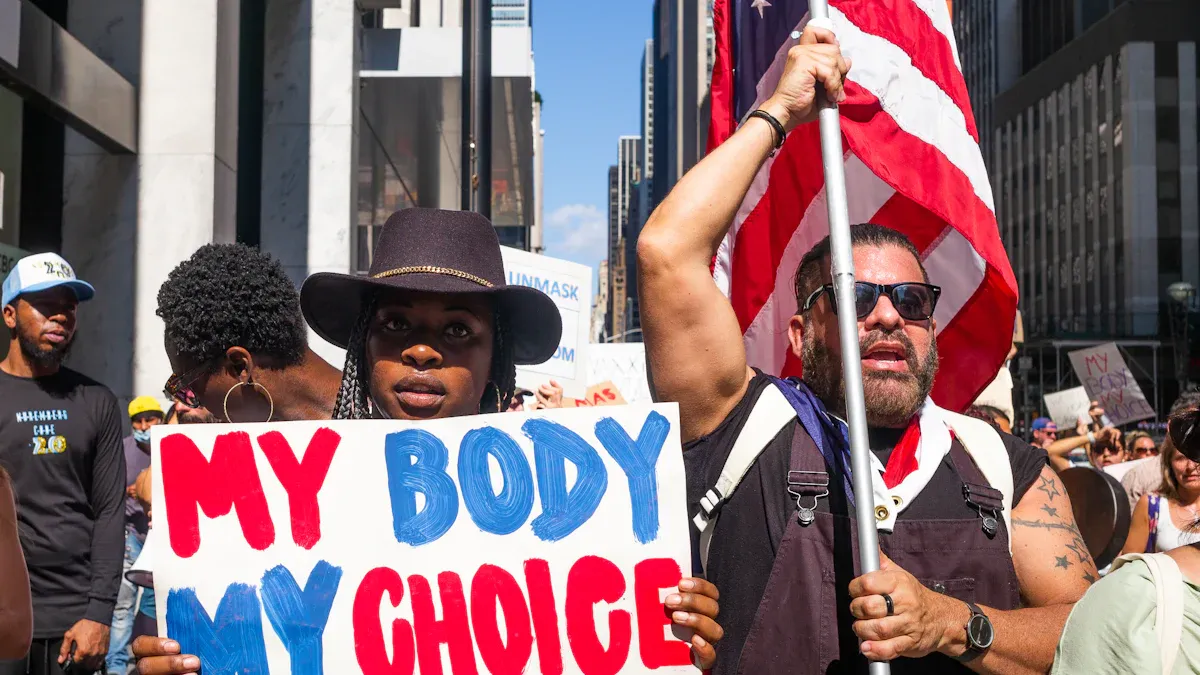
You have the right to make decisions about your own body. Bodily autonomy means you control how you present yourself, including your grooming habits. Laws and ethical standards support your freedom to choose your appearance. In many countries, courts recognize that personal appearance is part of your identity. You can see this in cases where students challenge school dress codes or employees fight workplace grooming policies. These legal protections help you express yourself and shape your identity.
- Personal appearance choices are crucial for identity expression and autonomy.
- Legal protections related to freedom of dress empower you to form and reform your identity.
- Many experts argue that personal appearance choices should be treated as a right, affecting workplaces, schools, and public spaces.
Bodily autonomy gives you the power to decide what feels right for you. No one else should dictate your grooming choices.
Respecting Decisions
Respecting the choices of others is just as important as making your own decisions. You may notice that friends or family have different grooming habits. Some people prefer to remove pubic hair, while others keep it natural. Each choice reflects personal comfort, cultural background, or health needs. When you respect these decisions, you help create a supportive environment. You can encourage open conversations and avoid judgment. This respect builds trust and helps everyone feel safe expressing themselves.
Navigating Pressure
Building Confidence
You might feel pressure from media, peers, or family to groom your body in a certain way. Building confidence starts with understanding your own values. Ask yourself why you make certain choices. Do you feel comfortable with your grooming habits? Are you doing it for yourself or to fit in? Confidence grows when you make decisions based on your needs, not outside expectations. You can find support in communities that celebrate body diversity. For example, online forums and social media groups often share stories and advice about body hair and autonomy. Body Positive Movement encourages you to embrace your choices and feel proud of your body.
Tip: Write down your reasons for your grooming choices. This can help you recognize what matters most to you.
Supporting Others
Supporting others means listening and offering encouragement. If someone shares their grooming choices with you, respond with empathy. Avoid making negative comments or assumptions. You can help friends feel confident by celebrating their decisions. Share resources or stories that promote body positivity. For example, you might recommend articles from Planned Parenthood or join discussions on Reddit about body autonomy. When you support others, you help break down stigma and create a culture of acceptance.
| Action | How It Helps Others |
|---|---|
| Listen without judgment | Builds trust and safety |
| Share positive resources | Encourages informed choices |
| Celebrate diversity | Promotes acceptance and confidence |
You have the right to choose, and you can help others feel empowered to do the same. Autonomy and respect make a real difference in how you experience your body and your relationships.
Feminism And Changing Attitudes
Body Positivity
Challenging Norms
You may notice that feminist perspectives on body hair focus on challenging unrealistic beauty standards. Many women now question why society expects them to remove their pubic hair. Feminists argue that you should have the freedom to decide what feels right for your body. The real issue is not whether you shave or wax, but whether you feel pressured to do so. When you make choices based on your own comfort, you reclaim your autonomy.
Fahs believes it has the potential to make body hair on women feel normal while developing a visual language to understand bodies as sites of resilience.
The body positivity movement has helped shift attitudes. You see more women embracing natural pubic hair and sharing their stories online. Experts suggest that pushing back against hair removal is a powerful way to reclaim your body and challenge traditional beauty norms. Platforms like #Bushtok on social media promote visibility and help normalize body hair for women.
- The trend of ‘full bush in a bikini‘ shows a cultural shift toward embracing natural pubic hair.
- Women now prioritize comfort and personal choice over old expectations.
- Online communities encourage you to share your experiences and support others.
Celebrating Diversity
You can see that body positivity celebrates all grooming choices. In a recent study, only 23% of women reported completely removing their pubic hair. Most women—77%—choose a mix of trimming, grooming, or going natural. This diversity reflects a growing acceptance of different styles and preferences.
| Grooming Style | Percentage of Women |
|---|---|
| Complete removal | 23% |
| Trimming/grooming/natural | 77% |
You might find inspiration in stories from people who embrace their natural hair. These examples show that there is no single standard of beauty. By celebrating diversity, you help create a culture where everyone feels comfortable in their own skin.
Advocacy And Education
Informed Choices
Feminist advocacy and education initiatives work to break down the stigma around pubic hair. These efforts highlight that pubic hair is a natural part of your body. They also point out that the beauty industry and media often set unrealistic standards, especially through images in the porn industry. By learning about these influences, you can make informed choices that reflect your true preferences.
You may enjoy hair removal as a form of self-care, or you may feel pressured to conform. Feminist discussions encourage you to ask yourself why you make certain choices. The goal is to help you feel empowered, not judged.
Support Resources
You can find support and information through online communities and educational platforms. Many feminist groups offer resources that address myths and stigma about body hair. These initiatives encourage you to accept your body as it is and to support others in doing the same. By joining conversations on social media or reading articles from trusted organizations, you gain confidence and knowledge.
Tip: Follow hashtags like #bodypositivity or #Bushtok on social media to connect with others who share your values.
Feminism teaches you that your body belongs to you. When you make choices about pubic hair based on your own needs, you help challenge myths and build a more inclusive world.
You deserve to make choices about your pubic hair that reflect your comfort, health, and self-respect. Throughout history, cultural practices and social norms have shaped how people view body hair. Many women remove hair to feel cleaner or more feminine, but experts suggest you reflect on whether these choices are truly yours. Feminist ideas encourage you to question expectations and embrace your natural body. Empowerment messages help you challenge stigma and support diverse grooming styles. Your decision matters—choose what feels right for you.
FAQ
What are the main reasons people remove pubic hair?
You might remove pubic hair for hygiene, comfort, or to feel attractive. Many people say media, peer influence, and cultural norms shape their choices. Some believe hair removal feels cleaner, but research shows that hygiene depends more on washing than on grooming.
Does pubic hair have a health purpose?
Yes, pubic hair protects your skin from friction and bacteria. It acts as a barrier against irritation and infection. You can read more about this at the Cleveland Clinic.
Is it unhealthy to remove pubic hair?
Removing pubic hair is not dangerous, but it can cause cuts, ingrown hairs, and infections. Shaving or waxing may irritate your skin. If you choose to remove hair, use clean tools and follow safe methods. Learn more at American Academy of Dermatology.
How do beauty standards affect your grooming choices?
Beauty standards often make you feel pressure to remove hair. Media and social trends show hairless bodies as more attractive. You may feel judged if you do not follow these trends. Supportive communities online can help you feel confident in your own choices.
Can you keep pubic hair and still be clean?
Yes, you can stay clean with or without pubic hair. Good hygiene means washing regularly with water and mild soap. Hair does not cause uncleanliness. Many health experts agree that grooming is a personal choice.
How can you support someone’s grooming decision?
You can listen without judgment and respect their choices. Offer encouragement and avoid negative comments. Sharing positive resources or stories helps others feel confident. For example, you might join discussions on Reddit about body autonomy.
What should you do if you feel pressured to remove pubic hair?
Reflect on your reasons and talk to supportive friends or communities. Write down what feels right for you. Remember, your comfort and health matter most. Online groups like Body Positive Movement can help you build confidence.
Are there cultural differences in pubic hair grooming?
Yes, grooming habits vary worldwide. Some cultures link hair removal to hygiene or religion. Others see natural hair as a sign of authenticity. You can explore more about cultural practices at The British Museum.