
You need to set clear boundaries for safe sex to protect your health and well-being. For Lesbians & Bisexuals, common myths can create confusion about risk. Many believe sex between women is always safe, or that only heterosexual women need to worry about STD prevention. Some think that STIs like HPV or herpes cannot be transmitted between women, or that condoms with toys interrupt intimacy. Take time to reflect on your comfort levels and needs before sexual activity. Open communication and mutual respect help you express boundaries confidently and ensure a safe experience.
Key Takeaways
- Understand your comfort zones before engaging in sexual activity. Reflect on what feels safe and enjoyable for you.
- Communicate openly with your partner about your boundaries. Use ‘I’ statements to express your needs without sounding accusatory.
- Practice safe sex by using barrier methods like dental dams and gloves. These protect both you and your partner from STIs.
- Get tested for STIs regularly. Discuss your testing history with your partner to build trust and ensure safety.
- Be assertive when setting boundaries. Use clear language to express your limits and do not feel guilty for saying no.
- Listen actively to your partner’s boundaries. Show respect for their feelings and be willing to compromise when necessary.
- Engage in ongoing dialogue about boundaries. Regular check-ins help both partners feel safe and respected in the relationship.
- Educate yourself about STI risks. Understand that safe sex practices are essential for all sexual orientations.
Knowing Your Boundaries
Physical and Emotional Limits
Personal Comfort Zones
You need to understand your own comfort zones before engaging in any sexual activity. Take time to reflect on what feels safe and enjoyable for you. Some people feel comfortable with kissing and touching, while others may want to wait before trying more intimate acts. You should ask yourself questions like:
- What types of touch do you enjoy?
- Are there any activities you do not want to try?
- How do you feel about using protection, such as dental dams or gloves?
Setting boundaries helps you protect your emotional and physical health. You have the right to say no to anything that makes you uncomfortable. Trust your instincts and listen to your body.
Past Experiences
Your past experiences can shape your boundaries. If you have experienced discomfort or trauma, you may need extra time to feel safe with a partner. You should communicate these feelings openly. For example, you might say, “I need to go slow because of my past experiences.” This helps your partner understand your needs and respect your pace.
Some people find it helpful to write down their boundaries or discuss them with a trusted friend before talking to a partner. This process can give you confidence and clarity.
Needs and Preferences
You have unique needs and preferences that deserve respect. These can include how you want to be touched, the pace of intimacy, and the use of protection. Lesbians & Bisexuals often face different challenges when setting boundaries. Research shows that bisexual women experience more stigma related to their sexual identity. The gender of your partner can also affect your mental health and sexual satisfaction.
Tip: You can use statements like, “I prefer to use a dental dam during oral sex,” or “I need to know we are both tested for STIs before we have sex.”
Here is a table that highlights differences in the degree of choice in sexual orientation between bisexual and lesbian women:
| Group | Degree of Choice in Sexual Orientation | Percentage |
|---|---|---|
| Bisexual Women | Some degree of choice | 55% |
| Lesbian Women | Some degree of choice | 30% |
This data shows that bisexual women may experience more flexibility in their sexual orientation, which can influence their boundaries and preferences. You should recognize these differences and communicate openly with your partner. Remember, your boundaries can change over time, and it is important to check in with yourself regularly.
Communication for Lesbians & Bisexuals
Open and honest communication forms the foundation of safe and satisfying sexual experiences for Lesbians & Bisexuals. You need to express your boundaries clearly and listen actively to your partner. This approach helps both of you feel respected and secure.
Starting the Conversation
Initiating a conversation about sexual boundaries can feel intimidating, but you can use several strategies to make it easier:
- Suggest a relaxed setting, such as a walk or a quiet dinner, to open the discussion.
- Take the lead in expressing your intentions and desires. Many women hesitate to make the first move, so your initiative can set a positive tone.
- Use gentle gestures, like a light kiss on the cheek, to gauge comfort and interest before moving forward.
- Continue to initiate conversations, even if your partner responds slowly. Consistency shows that you value open dialogue.
“I” Statements
Using “I” statements helps you communicate your feelings and needs without sounding accusatory. This technique reduces defensiveness and encourages understanding. For example:
- “I feel more comfortable if we use protection during oral sex.”
- “I want to talk about what feels good for both of us.”
- “I need to go slow because I am still learning what I like.”
These statements focus on your experience and invite your partner to share their perspective.
Expressing Needs
You should express your needs clearly and directly. Ambiguity can lead to confusion and discomfort. Here are some sample phrases you can use:
- “I prefer to use a dental dam during oral sex.”
- “I need us both to get tested for STIs before we have sex.”
- “I am not ready to try that activity yet.”
Tip: Communicate your intentions early in the relationship to avoid misunderstandings about boundaries and expectations.
A table below summarizes effective strategies for starting conversations about boundaries:
| Strategy | Description |
|---|---|
| Take the lead | Initiate discussions and activities confidently |
| Use clear language | State your needs and intentions directly |
| Gauge comfort with gentle gestures | Start with nonverbal cues to assess readiness |
| Be consistent | Continue conversations, even if responses are hesitant |
Listening and Responding
Active listening is just as important as expressing your own needs. When your partner shares their boundaries, you need to listen without interrupting or judging. Show that you respect their feelings and choices.
- Listen attentively and make eye contact.
- Acknowledge your partner’s statements with phrases like, “Thank you for telling me,” or “I appreciate your honesty.”
- Honor your partner’s boundaries. Do not pressure them to change their mind.
- Be willing to compromise if your boundaries differ. Mutual respect leads to stronger connections.
Note: Healthy relationships for Lesbians & Bisexuals require both partners to have an equal say in decisions, from everyday choices to intimate moments.
You can support your partner by allowing them to express emotions without trying to fix everything immediately. Letting go of past grievances also helps your relationship grow.
A case study illustrates these principles:
Case Study:
Alex and Morgan, a bisexual woman and a lesbian, started dating after meeting at a local LGBTQ+ event. Alex initiated a conversation about sexual boundaries by saying, “I want us both to feel safe and comfortable. Can we talk about what we like and what we want to avoid?” Morgan appreciated the directness and responded with her own preferences. They agreed to use dental dams and get tested for STIs before becoming intimate. Both partners listened actively and respected each other’s boundaries, which built trust and deepened their connection.
For more guidance on healthy communication, you can visit Planned Parenthood’s resource on talking about sex and relationships.
Open, honest dialogue ensures that both you and your partner feel heard and valued. This practice lays the groundwork for safe sex and mutual respect in every relationship.
Safe Sex Practices
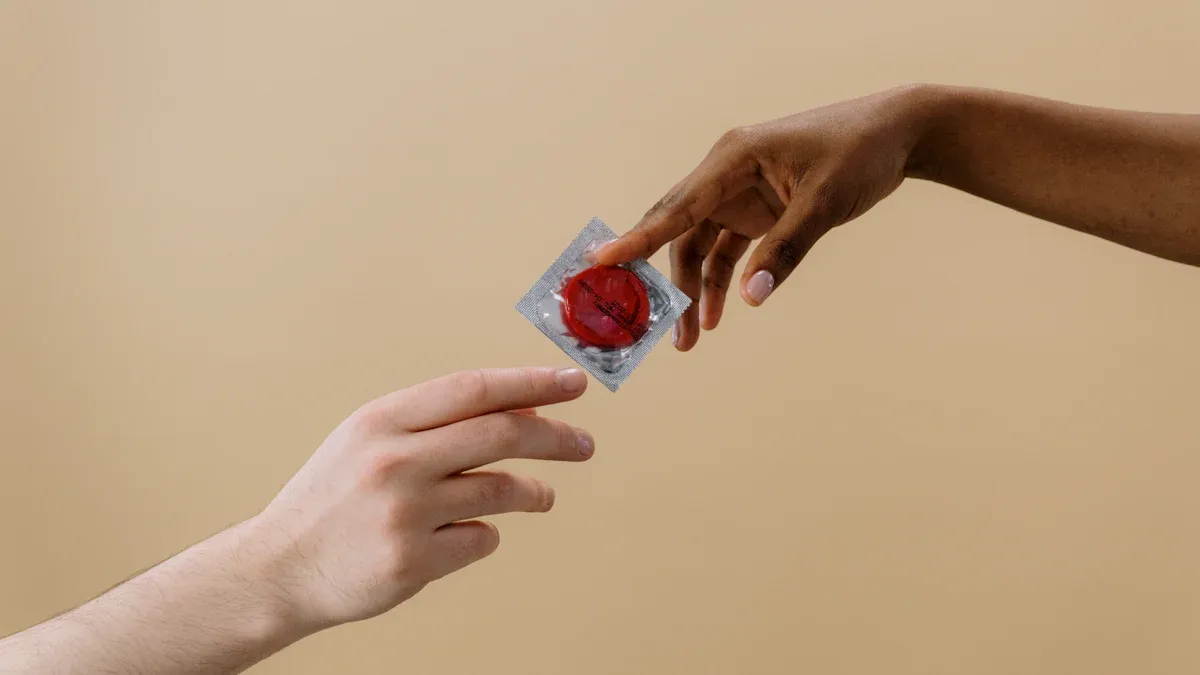
You protect your health and your partner’s well-being by practicing safe sex. Many people underestimate the risks of STI transmission between women, but research and CDC data show that protection remains essential. You can use several strategies to reduce risk and enjoy intimacy with confidence.
Barrier Methods
Barrier methods create a physical shield that helps prevent the spread of sexually transmitted infections (STIs). These methods include dental dams, gloves, and condoms. Despite their effectiveness, many women rarely use them during sexual activity.
Dental Dams
Dental dams are thin sheets of latex or polyurethane. You place them over the vulva or anus during oral sex. This barrier blocks the exchange of bodily fluids and reduces the risk of transmitting infections like herpes, HPV, and gonorrhea. The CDC confirms that many STIs can spread through oral sex, even when no symptoms appear.
Tip: You can make a dental dam from an unlubricated condom by cutting off the tip and rolling it out flat.
Gloves and Condoms
Gloves protect both partners during digital stimulation (using fingers). They prevent the transfer of bacteria and viruses, especially if you or your partner have cuts or sores on your hands. Condoms can cover sex toys or be used on fingers for added protection.
The following table shows how often lesbians and bisexual women use barrier methods during different sexual activities:
| Activity Type | Percentage Never Used Barriers | Percentage Always Used Barriers |
|---|---|---|
| Digital Genital Stimulation | 88.6% | N/A |
| Receiving Digital Sex | 88.1% | N/A |
| Performing Oral Sex | 83.8% | N/A |
| Receiving Oral Sex | 87.3% | N/A |
| Performing Sex Toy Stimulation | 62.1% | 14.3% (non-monogamous) |
| Receiving Sex Toy Stimulation | 63.4% | 3.5% (monogamous) |
| Monogamous Relationships | 78.6% | 3.5% |
| Non-Monogamous Relationships | 27.4% | 14.3% |
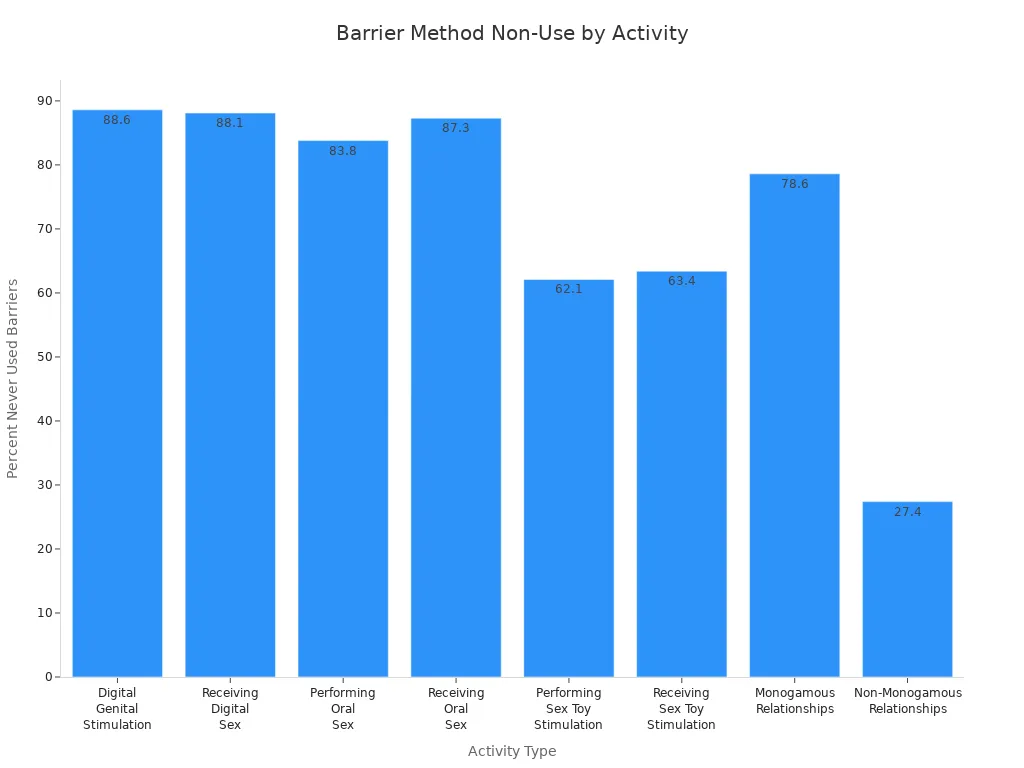
You see that most women do not use barriers regularly. You can change this trend by making protection a normal part of your routine.
Note: STIs can spread even when you or your partner have no symptoms. Always use barriers to lower your risk.
Sex Toys Safety
Sex toys add pleasure and variety to your sex life. You must use them safely to prevent infections.
Cleaning and Condom Use
You should always clean sex toys before and after each use. If you share toys with a partner, cover them with a new condom for every user. This practice stops the transfer of bacteria and viruses. Choose toys made from non-porous materials like medical-grade silicone, glass, or stainless steel. These materials allow for thorough cleaning and reduce the risk of STI transmission.
Follow these steps to clean your sex toys:
- Read the manufacturer’s instructions for your toy.
- Rinse the toy under warm water to remove residue.
- Wash with mild, fragrance-free soap or a specialized toy cleaner.
- Rinse again to remove all soap.
- Dry with a clean towel or let the toy air dry completely.
For extra sanitation, you can:
- Submerge non-porous toys in boiling water for 10 minutes.
- Use a diluted bleach solution (1 part bleach to 50 parts water) for 3 minutes.
- Place the toy in the dishwasher on the ‘sanitize’ setting.
Callout: Porous toys, such as those made from rubber or vinyl, can trap bacteria and viruses. Avoid sharing these toys or use them with a condom.
STI Testing
Regular STI testing keeps you and your partner safe. Many infections do not cause symptoms, so you cannot rely on how you feel alone.
Frequency and Disclosure
You should get tested for STIs at least once a year, or more often if you have multiple partners or change partners frequently. Discuss your testing history with your partner before becoming sexually active. Honest conversations build trust and help you both make informed decisions.
The CDC states that many STIs can spread through oral sex, digital stimulation, and sharing sex toys. The table below summarizes key points from CDC data:
| Evidence Description |
|---|
| Many STIs and other infections are spread through oral sex. |
| It is possible to get some STIs in the mouth or throat after giving oral sex. |
| Certain STIs can be transmitted to the genitals after receiving oral sex. |
| Several STIs can spread in the body through oral sex. |
| STIs can be spread even when there are no symptoms present. |
Tip: Schedule testing together with your partner. This approach makes the process less stressful and shows mutual care.
Case Study
A recent example highlights the importance of safe sex practices. Two women, both in a non-monogamous relationship, decided to use condoms on all shared sex toys and scheduled regular STI tests every six months. They discussed their boundaries openly and agreed to use dental dams during oral sex. Both partners reported feeling safer and more connected, knowing they prioritized each other’s health.
You can find more information about STI risks and prevention on the CDC’s official website and through reputable social media platforms that focus on sexual health education.
Lesbians & Bisexuals benefit from making safe sex a regular part of their relationships. You protect yourself and your partner by using barriers, cleaning toys, and getting tested. These habits support a healthy, enjoyable sex life.
Myth-Busting for Lesbians & Bisexuals
STI Transmission Facts
You may have heard that women who have sex with women face little or no risk for sexually transmitted infections. This belief does not match the facts. You can contract STIs through oral contact, sharing sex toys, and direct skin-to-skin contact in the genital area. The risk depends on the specific infection and the sexual practices you choose.
Here is a table that summarizes common STIs and their transmission dynamics among women who have sex with women:
| STI | Transmission Dynamics |
|---|---|
| Bacterial Vaginosis (BV) | Common and transmissible among women who have sex with women (WSW). |
| Chlamydia | Limited data on transmission rates between women; infection may come from male partners. |
| Gonorrhea | Limited data on transmission rates among WSW; infection may come from male partners. |
| HPV | Transmitted through skin-to-skin contact; 13%-30% prevalence among WSW. |
| Trichomonas | Transmissible among WSW, but specific rates are not detailed. |
You should know that current research shows cisgender women who have sex with women have similar STI rates as heterosexual women. The prevalence of specific STIs varies, but the risk remains real.
Herpes and HPV Risks
Herpes and HPV are two of the most common STIs among women. You can contract herpes through skin-to-skin contact, even if your partner does not have visible sores. HPV spreads easily through genital contact and does not require penetration. Studies show that 13% to 30% of women who have sex with women carry HPV. Regular screenings and safe sex practices, such as using dental dams, help protect your health.
Tip: You should not assume your risk is low. Always use protection and schedule routine screenings.
Common Misconceptions
Many myths about STI risk persist in the LGBTQ+ community. You may have heard some of these:
- Sexual relations between women are always low risk.
- Lesbians do not need to worry about STIs.
- Infection cannot occur without a male partner.
- Sharing sex toys or engaging in oral sex does not transmit infections.
These beliefs can put your health at risk. You can contract infections through oral sex, shared use of sex toys, and direct genital contact. Regular screenings and barrier methods, such as dental dams and gloves, are essential for everyone.
Case Study:
Jamie and Riley, two women in a long-term relationship, believed they did not need protection because they only had female partners. After Jamie developed symptoms, both learned that HPV can spread through skin-to-skin contact. Their experience highlights the importance of safe sex practices, regardless of sexual orientation.
You should remember that safe sex matters for all sexual orientations. STDs can pass between female partners through cervicovaginal fluid and mucosal contact. High rates of bacterial vaginosis in lesbians suggest that STIs remain a concern. Health interventions must address the unique needs of Lesbians & Bisexuals.
Comprehensive sexual health education helps you make informed choices. You can find reliable information on platforms like the CDC and LGBTQ+ health organizations. Stay proactive and prioritize your well-being.
Setting Boundaries Clearly

Establishing clear boundaries ensures that you and your partner feel safe and respected during intimate moments. You can use both words and actions to communicate your limits. Practicing these skills helps you build trust and maintain healthy relationships.
Sample Phrases
Saying No
You have the right to say no at any time. Direct language prevents confusion and sets a firm boundary. Here are some phrases you can use:
- “I am not comfortable with that.”
- “I do not want to do this right now.”
- “No, I am not ready for that.”
Tip: You do not need to explain your reasons. Your comfort matters most.
Requesting Safer Sex
Requesting safer sex protects both you and your partner. Clear requests show that you value health and mutual respect. Consider these examples:
- “Can we use a dental dam for oral sex?”
- “I would like us to use gloves or condoms with toys.”
- “Let’s get tested before we become intimate.”
You can practice these phrases alone or with a friend to build confidence.
Nonverbal Cues
Nonverbal communication plays a key role in boundary-setting. Your body language can reinforce your words or signal discomfort. You might:
- Move away or turn your body if you feel uneasy.
- Avoid eye contact or become tense when something feels wrong.
- Gently remove your partner’s hand if you do not want to continue.
Pay attention to your partner’s nonverbal cues as well. If you notice hesitation or discomfort, pause and check in with them.
Reaffirming Boundaries
You may need to restate your boundaries, especially in ongoing relationships. Discussing no-go zones outside of intimate moments helps you avoid distractions. You should clearly communicate your own boundaries and ask about your partner’s. Create a non-judgmental space for these conversations. If desires conflict, stay open to compromise. Allow your partner time to consider new ideas. Recognize that needs and desires can change over time.
- Talk about boundaries regularly, not just once.
- Ask your partner, “Are you still comfortable with our boundaries?”
- Respect changes and adjust together.
Note: Lesbians & Bisexuals benefit from ongoing dialogue about boundaries, especially in contexts like kink or BDSM.
Case Study
Taylor and Jordan, a couple in a long-term relationship, set aside time each month to talk about their comfort levels. Taylor once felt unsure about trying a new activity. She said, “I need more time to think about this.” Jordan listened and agreed to wait. They both felt respected and continued to check in with each other. Their approach strengthened trust and intimacy.
You can find more tips on boundary-setting from reputable sources such as Scarleteen’s Boundaries Guide and LGBTQ+ health organizations on social media.
Handling Disagreements
Disagreements about sexual boundaries can arise in any relationship. You may encounter pushback, misunderstandings, or even resistance when you express your needs. Navigating these moments with confidence and care helps you protect your well-being and maintain healthy connections.
Navigating Pushback
You might face pushback when you set boundaries, especially if your partner feels challenged or misunderstood. Some common forms of pushback include questioning your preferences, dismissing your concerns, or making assumptions based on stereotypes.
Gay and lesbian identified individuals frequently view [bisexuals] as possessing a degree of privilege not available to them.
The pressure to be more inclusive falls to gay women far more than any other marginalized group. In this context it is critical to remember that lesbian women, both as individuals and collectively, have endured a long history of their sexual preferences being denied, policed, and, in so many tragic cases, ‘corrected’ via acts of sexual and/or political violence.
Lesbians are notorious for rejecting bisexual women as romantic partners because they appear untrustworthy (they will leave them for a man), incapable of monogamy, and are ‘sleeping with the enemy.’
Staying Assertive
You need to stay assertive when your boundaries are questioned. Assertiveness means expressing your needs clearly and respectfully, without apologizing for your comfort. Here are some practical tips:
- Speak honestly about your feelings and needs.
- Ask directly for what you require in the relationship.
- Take a break before discussing sensitive issues if emotions run high.
- Use a safe word or phrase to pause the conversation or activity if you feel overwhelmed.
- Remember that setting boundaries is an ongoing process.
Seeking Support
If you struggle to resolve disagreements, seek support from trusted friends, mentors, or professionals. You do not have to handle everything alone. Support networks can offer perspective, validation, and guidance. If you feel unsafe or your boundaries are repeatedly ignored, consider reaching out to LGBTQ+ support organizations or mental health professionals.
If Boundaries Aren’t Respected
When your partner does not respect your boundaries, you must prioritize your safety and emotional health. Disregard for your limits signals a lack of respect and can harm your trust. Take these steps:
- Reaffirm your boundaries calmly and clearly.
- Remove yourself from the situation if you feel unsafe.
- Seek outside support if the issue persists.
- Reflect on whether the relationship aligns with your values and needs.
Pausing or Ending Activity
If you need to pause or end sexual activity because a boundary has been crossed, act quickly and communicate openly. Follow these steps:
- Get honest about what feels wrong and state your needs.
- Verbalize specific boundaries, such as stopping physical contact or taking a break.
- Call a time-out to discuss what happened and how to prevent it in the future.
- Involve a trusted friend or mentor for accountability if needed.
- Celebrate your ability to stand up for yourself and renew your commitment to healthy boundaries.
Tip: Use a safe word or phrase to signal when you need to pause. This practice helps both partners feel secure and respected.
Case Study
Ava and Sam, a couple in a new relationship, encountered a disagreement when Sam wanted to try a new activity that made Ava uncomfortable. Ava used a safe word to pause the situation and explained her feelings. Sam listened, and they agreed to revisit the conversation later. Ava also spoke with a trusted friend for support. This approach helped both partners feel heard and strengthened their trust.
You can find more resources and support through LGBTQ+ community centers and reputable social media platforms focused on healthy relationships.
Lesbians & Bisexuals benefit from practicing assertive communication and seeking support when disagreements arise. Your boundaries matter, and you deserve respect in every relationship.
Building Trust and Respect
Building trust and respect forms the foundation of healthy lesbian and bisexual relationships. You create a safe environment by prioritizing equality, empathy, and open communication. These elements help you and your partner feel valued and understood.
Ongoing Dialogue
You strengthen your relationship by engaging in ongoing dialogue. Regular conversations about boundaries and desires allow you to express your needs and listen to your partner’s feelings. This practice leads to more pleasurable and consensual experiences.
- Open dialogue about desires and boundaries fosters emotional and physical intimacy.
- Effective communication involves active listening and respectful expression of thoughts.
- Practicing embodiment of “yes,” “no,” and “maybe” helps you tune into your feelings and communicate effectively.
You can schedule weekly check-ins or set aside time for “heart-share” conversations. These moments give you space to discuss what feels good, what needs adjustment, and how your boundaries may change over time. For example, you might ask, “What makes you feel cared for?” or “Is there anything you want to try or avoid this week?” This approach ensures that both partners feel heard and respected.
Couples who practice healthy sexual boundaries prioritize open communication and mutual respect, ensuring that both partners feel comfortable expressing their needs and limits without fear of negative repercussions.
Supporting Each Other
Supporting each other means recognizing and respecting your partner’s boundaries, even when they differ from your own. You show support by:
- Noticing when your partner extends themselves for you.
- Taking responsibility for communicating your needs.
- Stating your needs directly and honestly.
- Respecting limits set by your partner.
- Addressing issues promptly and making time for communication.
A healthy relationship values consent and shared decision-making. For instance, you might feel ready for intimacy while your partner does not. You can respond with understanding and gratitude, saying, “Thank you for telling me how you feel. I appreciate your honesty.” This response builds trust and reassures your partner that their comfort matters.
| Key Supportive Behaviors | Description |
|---|---|
| Respect for boundaries | Value personal space and individuality |
| Open communication | Allow free expression of thoughts and feelings |
| Healthy conflict resolution | Focus on respect and understanding |
Celebrating Communication
Celebrating successful communication reinforces positive behaviors and deepens your connection. You can create rituals or unique vocabulary that reflect your relationship’s identity, such as “heart-share time” or “Team Rainbow.” These practices nurture unity and make boundary-setting feel collaborative.
- Establish respectful boundaries by asking caring questions.
- Schedule regular check-ins to adapt as your relationship evolves.
- Maintain individuality while nurturing your shared bond.
- Engage in judgment-free conversations about needs and desires.
Identifying, embracing, and sharing sexual boundaries can help create more meaningful and satisfying emotional and sexual intimacy.
You can find more guidance on building trust and respect in LGBTQ+ relationships through resources like Scarleteen’s Boundaries Guide and LGBTQ+ community centers on Instagram.
By prioritizing trust, respect, and ongoing communication, you lay the groundwork for a fulfilling and safe relationship.
You can set healthy boundaries and practice safe sex by following these steps:
- Use dental dams for oral sex.
- Clean sex toys or use condoms on them.
- Get regular STI screenings.
- Communicate openly about sexual health.
- Maintain hand hygiene.
Prioritize your safety, comfort, and respect in every relationship. Open conversations about consent and boundaries help you build trust and autonomy. Remember, STI risks exist for all women, so regular testing and honest dialogue matter. Embrace safe sex practices and mutual respect for lasting well-being and connection.
FAQ
How do you start a conversation about sexual boundaries?
You can begin by choosing a calm moment and saying, “I want us both to feel safe and comfortable. Can we talk about what we like and what we want to avoid?” This approach shows care and respect.
What should you do if your partner ignores your boundaries?
You should restate your boundaries clearly. If your partner continues to ignore them, remove yourself from the situation. Seek support from trusted friends or professionals if needed. Your safety and comfort come first.
Are dental dams necessary for oral sex between women?
Yes, dental dams help reduce the risk of STI transmission during oral sex. You can use them as a barrier to protect both you and your partner. Regular use supports safer sex practices.
How often should you get tested for STIs?
You should get tested at least once a year, or more often if you have multiple partners or change partners. Regular testing helps you and your partner stay healthy and informed.
Can you get an STI from sharing sex toys?
Yes, sharing sex toys can transmit STIs. Always clean toys before and after use. Use a new condom on toys when sharing with a partner to lower the risk of infection.
What are some ways to say no without feeling guilty?
You can say, “I am not comfortable with that,” or “I do not want to do this right now.” Remember, you never need to apologize for setting boundaries. Your comfort matters.
How do you check in with your partner about boundaries?
You can ask, “Are you still comfortable with what we discussed?” or “Is there anything you want to change?” Regular check-ins help both partners feel respected and safe.
What if you feel nervous about discussing safe sex?
Feeling nervous is normal. You can write down your thoughts first or practice with a friend. Remember, open communication builds trust and helps you both enjoy a safer, more satisfying relationship.