You might notice a sense of guilt or discomfort when you think about using sex toys. Many people experience these emotions, often because of sex toy stigma in society. You are not alone in this. For example, some individuals feel embarrassed buying a vibrator in a store, even though it is a common purchase. > Take a moment to consider your own feelings and ask yourself where they come from. You deserve to explore your needs without judgment.
Key Takeaways
- Many people feel guilt about using sex toys due to societal taboos and negative media portrayals.
- Cultural beliefs can shape your views on sexual pleasure, leading to feelings of shame or embarrassment.
- Women often face more intense judgment regarding sex toy use, which can hinder their sexual exploration.
- Men may struggle with stereotypes about masculinity that discourage them from discussing or using sex toys.
- Misinformation about sex toys can create unnecessary guilt; understanding the facts can help you feel more confident.
- Open communication with partners about sex toys can enhance intimacy and relationship satisfaction.
- Self-reflection helps you identify the sources of your guilt and challenge harmful beliefs about sexuality.
- Seeking support from friends, therapists, or online communities can empower you to embrace your desires without shame.
Sex Toy Stigma
Societal Taboos
You may notice that conversations about sex toys often feel uncomfortable or even forbidden. This discomfort comes from deep-rooted societal taboos. Many communities treat sexual pleasure as a private or even shameful topic. When you see sex toys discussed in public, the conversation often carries a sense of secrecy or embarrassment.
In the contemporary context of Western late capitalism, sex and sexuality have grown into a fashionable and profitable matters within cultural and entertaining products, which overall have been accustomed to an ever greater freedom in the expression of sexual content—or at least within the limits set by public morality. However, this accomplishment comes with a rather fascinating paradox, which professor Feona Attwood highlights through her work by noticing how sex is ‘present everywhere as a subject for discussion and representation even while its practices are often hidden away’.
This paradox means you might see sexual themes in movies, music, or advertisements, but people rarely talk openly about using sex toys. For example, you might watch a comedy show where a character finds a vibrator, and the scene becomes a joke. This kind of humor sends a message that using sex toys is something to laugh at or hide.
Media plays a big role in shaping your views. You often see sex toys in movies or TV shows as punchlines or sources of embarrassment. These portrayals reinforce the idea that using sex toys is not normal. You may feel hesitant to talk about your own experiences because you worry about being judged.
- Media often depict sex toys in a humorous or shameful context, which reinforces the notion that using them is wrong.
- These portrayals create a cycle of embarrassment, preventing open discussions about sex toys.
- Sex toys are frequently shown as secretive or guilty pleasures, rather than as a normal aspect of sexual wellness.
If you look at statistics, a 2022 survey in the United States found that over 50% of adults have used a sex toy at least once. Despite this, many people still feel uncomfortable admitting it. This gap between private behavior and public conversation shows how strong the sex toy stigma remains.
Cultural Beliefs
Cultural beliefs shape your attitudes toward sex and pleasure. In some cultures, people view sexual exploration as a natural part of life. In others, strict traditions or religious teachings discourage open discussion about sexuality. These beliefs can make you feel guilty or ashamed for wanting to use sex toys.
For example, in some conservative communities, people may believe that sex toys threaten traditional values or relationships. You might hear that using a sex toy means you are not satisfied with your partner, or that it is morally wrong. These messages can come from family, religious leaders, or even friends.
A table below shows how different cultures approach the topic of sex toys:
| Region | Common Attitude Toward Sex Toys | Public Discussion Level |
|---|---|---|
| North America | Increasingly open, but stigma remains | Moderate |
| Western Europe | More accepting, less stigma | High |
| Middle East | Strongly discouraged, taboo | Very low |
| East Asia | Mixed, often private | Low |
You may notice that even in places where people use sex toys, open conversation is rare. This silence can make you feel isolated or abnormal, even though many others share your experiences. Sex toy stigma grows stronger when communities avoid honest discussions.
If you grew up in a culture that treats sexual pleasure as shameful, you might carry those beliefs into adulthood. You may struggle to accept your own desires or feel anxious about exploring new things. Recognizing these cultural influences helps you understand why you feel guilty and gives you a chance to challenge those beliefs.
Gender and Stigma
Women and Shame
You may notice that women often face more intense judgment when it comes to sex toy use. Research shows that women are more critical of other women who use sex toys, sometimes viewing them as less likeable or less intelligent. This double standard makes it harder for you to feel comfortable exploring your sexuality. For example, if you talk about buying a vibrator with friends, you might worry they will judge you or think less of you.
Many sources of shame for women come from outside pressures and internal beliefs. Some of the most common include:
- Societal judgment regarding women’s sexual choices.
- Religious condemnation of sexual pleasure and use of sex toys.
- Internalization of negative perceptions about women’s sexuality.
You might see these attitudes in movies, family conversations, or even health classes. For instance, a woman who openly discusses her use of sex toys may be labeled as “promiscuous” or “inappropriate.” This kind of labeling can make you feel isolated or embarrassed, even though many women share similar experiences. In a 2021 survey, over 60% of women reported feeling some level of shame about their sexual desires, especially when using sex toys.
Men and Stereotypes
Men also face unique barriers when it comes to sex toy stigma. Stereotypes about masculinity, especially those linked to traditional or “hegemonic” masculinity, make it difficult for men to talk about or use sex toys. You might feel pressure to avoid anything that challenges the idea of being “tough” or “dominant.” For example, many straight men avoid discussing or trying anal toys because they fear being seen as less masculine or even having their sexuality questioned.
This stigma is strong in many communities. If you are a man, you may have heard jokes or negative comments about men who use sex toys, especially those designed for anal pleasure. These attitudes can prevent you from exploring what feels good or having honest conversations with partners. In one study, less than 20% of men said they felt comfortable talking about sex toys with friends, compared to over 40% of women.
Queer Perspectives
Queer individuals often face unique challenges related to sex toy stigma. If you identify as LGBTQ+, you may experience additional barriers, such as gender dysphoria or a lack of inclusive products. Many sex toys are designed with only cisgender, heterosexual users in mind, which can make you feel excluded or misunderstood. For example, a trans person might struggle to find a toy that fits their body or affirms their gender identity.
The need for inclusive designs is crucial. Involving the queer community in the development and marketing of sex toys helps address these needs. However, sex-negative attitudes in society can make it even harder for queer people to access or talk about sex toys. This stigma can also limit the availability of products that cater to diverse identities. For instance, some stores may not carry gender-affirming toys, making it difficult for you to find what you need.
Tip: If you feel left out by mainstream products, look for brands or communities that focus on inclusivity and listen to feedback from queer users.
Sex Toy Stigma affects everyone, but the impact can look very different depending on your gender and identity. By understanding these differences, you can start to challenge the shame and stereotypes that hold you back.
Myths and Misinformation
Common Myths
You might hear many myths about sex toys that make you feel uneasy or ashamed. These myths often come from outdated ideas about sex and the human body. For example, some people believe that using sex toys means you are not satisfied with your partner or that you have an unhealthy relationship with sex. Others might say that sex toys are only for people who are “desperate” or “deviant.” These beliefs do not reflect reality.
One of the biggest myths that prevents people from embracing sex toys is the notion that using them is shameful or guilt-inducing. This belief is a product of outdated and restrictive thinking that portrays sex and the human body as inherently “bad.” In reality, there’s nothing shameful about sexual desire, the human body, or sex toys.
You may also hear that sex toys are unsafe or that they can harm your body. In truth, most sex toys are made with body-safe materials and are designed for safe use when you follow instructions. Another common myth says that only women use sex toys, but research shows that people of all genders enjoy them.
Here are some common myths you might encounter:
- When you feel ashamed about sexual activities, you might assume that this shame reflects something inherently wrong with those actions.
- Some people believe that using sex toys will replace real intimacy, but many couples use them to enhance their connection.
- You may hear that sex toys are addictive or will make you lose interest in your partner, but studies do not support this claim.
A recent survey found that 65% of adults have heard at least one negative myth about sex toys, even though over half have tried them. This shows how widespread misinformation can be.
Impact of Misinformation
Misinformation about sex toys can shape how you feel about your own desires. When you hear myths repeated by friends, family, or media, you might start to believe them. This can lead to unnecessary guilt or shame, even if you have done nothing wrong.
For example, if you believe that using a sex toy means you are not “normal,” you might hide your interests from your partner or avoid talking about your needs. This silence can create distance in relationships. You may also avoid exploring what feels good for you, which can affect your self-esteem and sexual health.
| Myth | Possible Impact on You |
|---|---|
| “Sex toys are shameful” | You feel guilty or embarrassed |
| “Only single people use them” | You avoid discussing with your partner |
| “They are unsafe” | You miss out on safe pleasure |
You might notice that misinformation often spreads through jokes, rumors, or even health classes that avoid honest conversations. For instance, a friend might tease you for owning a sex toy, making you feel isolated. Media can also reinforce these ideas by showing sex toys as something to hide.
This assumption can lead to a cycle of guilt that is unfounded and based on societal misconceptions.
When you recognize these myths and understand where they come from, you can start to question them. Learning the facts helps you make informed choices about your own pleasure and well-being. Remember, seeking accurate information and talking openly can help break the cycle of guilt and shame.
Stigma’s Impact
Emotional Effects
You might notice that guilt and shame about sex toys can affect your mental health in powerful ways. When you internalize negative messages, you may start to doubt your worth or feel anxious about your desires. This self-stigma can become a hidden force in your life.
Self-stigma is no joke; it’s an invisible enemy that gnaws away at personal confidence faster than a rabbit in a veggie patch.
You may experience a range of emotional effects:
- Decreased self-esteem can make you question your value.
- Psychological distress may show up as anxiety or sadness.
- Social avoidance might lead you to withdraw from friends or partners.
- Feelings of shame and insecurity can impact how you see yourself.
For example, you might avoid talking about your needs with a partner because you fear judgment. You may even skip social events if you worry someone will discover your use of sex toys. Over time, these feelings can build up and affect your overall happiness.
A common pattern looks like this:
- Internalized stigma creates feelings of shame.
- Shame leads to lower self-esteem.
- Psychological distress increases.
- Social avoidance follows.
You can break this cycle. Using sex toys can actually boost your confidence and help you understand your body better. When you frame sex toys as playful and natural, you start to see your desires as normal. This shift can reduce guilt and increase your sense of freedom.
Relationships
Stigma does not just affect you as an individual. It can also create tension in your relationships. When you feel embarrassed or ashamed, you may find it hard to talk openly with your partner. This silence can lead to misunderstandings or unresolved issues.
- Stigma can make it difficult for couples to communicate about sexual desires.
- Societal taboos may cause unresolved sexual issues, leading to dissatisfaction.
- In conservative communities, fear of judgment can create guilt and block intimacy.
Imagine you want to introduce a sex toy into your relationship, but you worry your partner will judge you. You might keep your desires secret, which can create distance. Over time, this lack of communication can weaken trust and intimacy.
Research shows that open conversations about sex toys can improve relationships. Couples who talk about their preferences and explore together often report higher satisfaction. A 2016 study from Chapman University found that couples who used sex toys together felt more connected and satisfied.
| Communication Level | Relationship Satisfaction | Likelihood of Using Sex Toys Together |
|---|---|---|
| Low | Low | Rare |
| Moderate | Moderate | Occasional |
| High | High | Frequent |
You can strengthen your relationship by normalizing conversations about pleasure. When you and your partner share your needs, you build trust and keep passion alive. Exploring intimacy together helps you both feel valued and understood.
Couples who explore intimacy together tend to maintain passion and relationship satisfaction over time.
If you feel nervous about starting these conversations, remember that many people share your concerns. Taking small steps, like sharing articles or asking gentle questions, can open the door to deeper connection.
Overcoming Guilt
Normalize Conversations
You can start to overcome guilt by making conversations about sex toys more normal in your life. When you talk openly about sexual wellness, you help break down the walls of secrecy and shame. For example, you might bring up the topic with a trusted friend or partner. Many people feel relief when they realize others share similar experiences.
Talking about your feelings with trusted friends can help you feel less alone. You may discover that your friends have faced the same worries or questions.
Schools and communities that include sex toys in sexual education help reduce stigma. When teachers discuss sexual health topics, including sex toys, students learn that pleasure is a natural part of life. This approach helps you see sex toys as tools for self-care, not as something shameful. In one high school, students who attended comprehensive sexual education classes reported feeling more comfortable discussing sexual health, including the use of sex toys.
Encouraging open dialogue about sexual health can also combat myths and misinformation. When you share your thoughts in a respectful and inclusive environment, you help create a culture of acceptance. For example, some online forums and social media groups provide safe spaces for people to ask questions and share experiences without fear of judgment.
- Talk about sex toys with friends or partners to reduce feelings of isolation.
- Follow positive social media accounts that promote self-pleasure and body positivity.
- Join online communities that support open conversations about sexual wellness.
Self-Reflection
Self-reflection gives you the power to understand and challenge the guilt you feel. When you take time to think about where your shame comes from, you can start to change your attitude toward sex and pleasure. Many people find it helpful to write down their thoughts and feelings. For example, you might keep a journal where you explore the origins of your beliefs about sex toys.
- Write down the sources of your shame to understand them better.
- Explore your body without comparing yourself to others.
- View masturbation as a form of self-care and self-love.
Understanding the roots of your shame often reveals that it comes from cultural conditioning or past experiences. For instance, you may remember a time when someone made a negative comment about sex toys, and that memory still affects you today. By identifying these moments, you can begin to let go of harmful beliefs.
Reframing negative thoughts into positive affirmations can also help. You might tell yourself, “My pleasure is valid,” or “I deserve to feel good about my body.” Practicing self-compassion reminds you that sexuality is a natural part of life. Many people find that self-reflection leads to greater confidence and acceptance.
Being honest with your partner about your guilt can help break down walls of resistance. When you share your feelings, you often find support and understanding.
Finding Support
You do not have to face guilt or shame alone. Many support networks exist to help you navigate these feelings. For example, you can seek out sex and relationship therapy. Therapists trained in sexual health can help you discuss your feelings about sex toys in a safe and supportive environment. They can also guide you in building healthier attitudes toward your body and relationships.
Some organizations offer resources and counseling for people struggling with sex toy stigma. These groups provide educational materials, online forums, and access to professionals who understand the challenges you face. You can also find support in online communities where people share their stories and offer encouragement.
| Support Network | Description |
|---|---|
| Sex and Relationship Therapy | Offers support for individuals to discuss sex in relation to their body, health, and relationships. |
| Online Communities | Provide safe spaces for sharing experiences and advice about sexual wellness. |
You might also find comfort in talking with your partner. Honest conversations can strengthen your relationship and help you feel less alone. For example, one person shared that being open with their partner about guilt helped break down barriers and build trust.
- Reach out to a therapist who specializes in sexual health.
- Join online forums or support groups focused on sexual wellness.
- Share your feelings with your partner to build understanding and intimacy.
Remember, seeking support is a sign of strength. You deserve to feel confident and accepted in your journey toward sexual wellness.
Healthy Practices
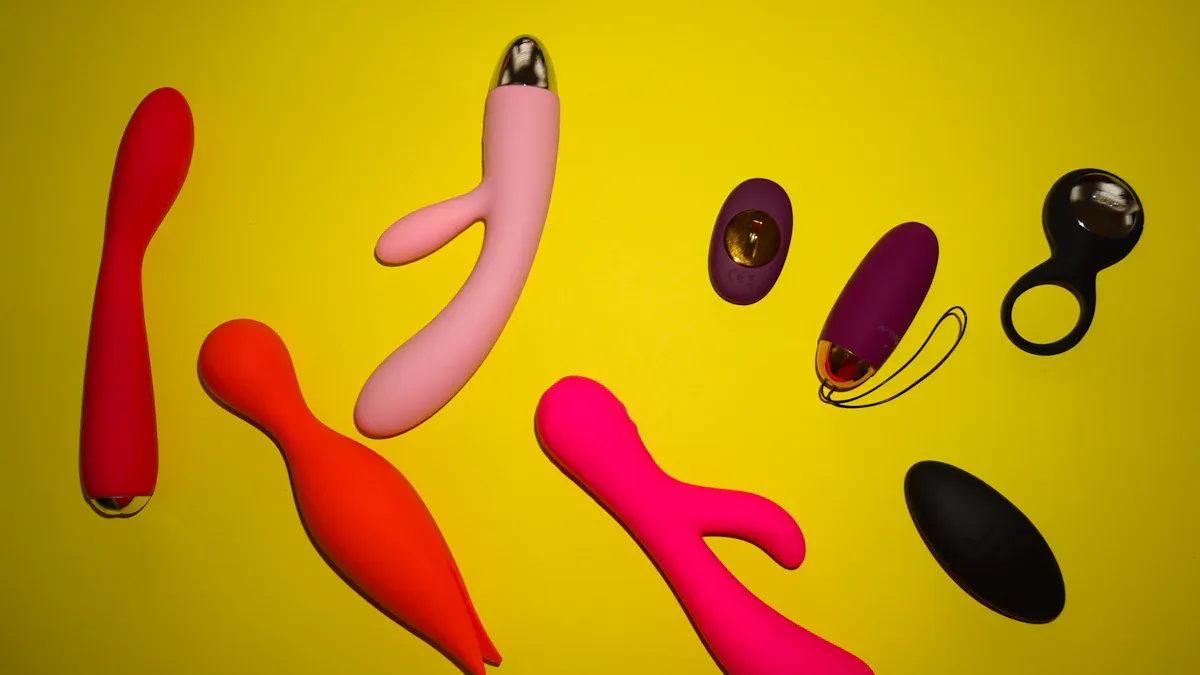
Communication
Open communication forms the foundation of healthy sexual experiences, especially when you want to introduce sex toys into your relationship. You might feel nervous about starting this conversation, but clear dialogue helps build trust and intimacy. For example, you can use a favorite movie scene or a magazine article as a conversation starter. This approach makes the topic feel less intimidating and more natural.
Introducing sex toys into a relationship undoubtedly builds trust and intimacy between partners. This process allows and encourages you to talk and hear about your and your partner’s erotic preferences, dilemmas, fantasies, and needs together.
You can try a “Yes, No, Maybe” list with your partner. This tool lets both of you express your interests and boundaries in a safe way. For instance, you might list different activities or toys and mark which ones you feel excited about, unsure of, or not interested in. This method encourages honest discussion and helps you find common ground.
Here are some best practices for communicating about sex toys:
- Engage in open dialogue about preferences and fantasies.
- Use media as conversation starters to ease into discussions.
- Establish clear communication systems during sexual activities to ensure comfort and consent.
You can also discuss practical details before trying something new. For example, talk about which sex positions feel comfortable, who will use or wear certain toys, and check in with each other during the experience. These steps help both partners feel respected and safe.
- Discuss sex positions that feel comfortable for both partners.
- Clarify who will use or wear the toy and if you want to switch roles.
- Check in before and during the activity to ensure comfort.
Safe Exploration
Safety should always come first when you explore new types of sex toys. Choosing high-quality, body-safe materials protects your health. For example, medical-grade silicone, glass, and stainless steel are safe choices. Always clean your toys before and after use with mild soap and warm water. This habit prevents infections and keeps your toys in good condition.
You should also use condoms on toys if you plan to share them with a partner. This simple step reduces the risk of spreading infections. Water-based lubricants work well with most toys and help prevent irritation. Before each use, inspect your toys for any damage or wear. If you notice cracks or changes in texture, replace the toy to avoid injury.
- Pay attention to quality and choose body-safe materials.
- Clean toys thoroughly before and after use.
- Use condoms on toys when sharing.
- Use compatible lubricants, such as water-based options.
- Inspect toys for damage before each use.
- Store toys separately in a clean, dry place.
You should avoid using improvised objects as sex toys. Purpose-built toys meet safety standards and reduce the risk of harm. Research trusted brands and avoid products with unknown materials, such as phthalates, which can be harmful. For example, a study found that people who used toys made from unknown materials reported more irritation and discomfort.
| Safety Step | Why It Matters |
|---|---|
| Use body-safe materials | Prevents allergic reactions and irritation |
| Clean before/after use | Reduces infection risk |
| Inspect for damage | Avoids injury and ensures safety |
| Use condoms when sharing | Protects both partners from infection |
By following these healthy practices, you create a safer and more enjoyable experience for yourself and your partner. Open communication and careful exploration help you embrace pleasure with confidence and peace of mind.
New Forms of Stigma
Technology and Sex
You live in a world where technology shapes almost every part of your life, including your sexuality. App-connected sex toys and digital platforms have made it easier for you to explore pleasure, even from a distance. However, these advances bring new forms of stigma and concern. Some people see the sextech industry as a way to empower women and promote sexual wellness. Others argue that it still follows old patterns, leaving out non-heteronormative experiences and reinforcing traditional roles.
The sextech industry is seen by some as a feminist-led project that could enhance female pleasure, while others argue it reinforces normative sexual scripts that marginalize non-heteronormative experiences. This duality contributes to stigma around sexual pleasure and identity, particularly in a context of gender-based inequality.
Privacy issues also add to the stigma. In 2017, a major lawsuit against a smart sex toy company revealed that user data had been collected without consent. This event made many people worry about the safety of their personal information. You might hesitate to try new technology if you fear your private moments could become public.
In 2017, We-Vibe faced a lawsuit for not informing users about the storage of intimate data, raising significant concerns about privacy and the ethical implications of data collection in the context of sexual rights.
Digital sex work, such as erotic camming, faces its own set of challenges. Society often labels users and performers as “deviant” or “addicted,” even though many participants do not see themselves that way. A recent study found that people involved in digital sex work experience strong stigma, but their personal beliefs often challenge these negative views. This suggests that as you engage with new technologies, your attitudes may shift, even if society lags behind.
| Technology Type | Common Stigma | Real-World Example |
|---|---|---|
| App-connected toys | Privacy, gender roles | Data breach lawsuits |
| Erotic camming | Addiction, deviance | Users facing social judgment |
Sex Robots
Sex robots represent another frontier where stigma grows. You might hear debates about whether these machines help or harm society. Many people worry that sex robots could worsen issues like misogyny and objectification. Some groups, such as Sweden’s Women’s Lobby, have even called for bans, arguing that sex robots could encourage aggression and blur the lines of consent.
- The construction of sex robots reinforces negative ideas about identity and roles in sexual relationships.
- Organizations like Sweden’s Women’s Lobby have called for a ban on sex robots due to concerns about their impact on consent and potential to catalyze aggression in male users.
Feminist scholars warn that programming sex robots to always say “yes” could affect how you understand consent in real life. If you use a robot that never refuses, you might develop unrealistic expectations about human partners. This could lead to problems in your relationships and even increase harmful behaviors.
Public discussions often focus on how sex robots might change gender roles. For example, critics argue that these machines could reinforce stereotypes about women being passive or always available. You may notice that these debates rarely include the voices of people who actually use or design sex robots, which can make the stigma even stronger.
A recent survey found that over 60% of adults feel uneasy about the idea of sex robots, mainly because of concerns about social values and personal relationships. As technology evolves, you face new questions about what is acceptable and how to balance innovation with respect for others.
Note: As you encounter new forms of sex technology, remember that your attitudes and choices can help shape a more open and respectful conversation about pleasure and consent.
You may feel guilt about sex toys for many reasons. The table below shows common sources of stigma:
| Source of Guilt/Stigma | Description |
|---|---|
| Societal Prejudices | Negative views on women’s sexuality |
| Explicit Designs | Discomfort with toy shapes |
| Perception of Immorality | Belief that toys promote immoral behavior |
| Tribal Stigma | Shame linked to sexual pleasure |
| Abominations | Negative reactions to explicit products |
| Blemishes of Character | Belief that toys show poor moral character |
You can overcome these feelings. Open conversations and education help reduce shame. For example, schools that teach about sexual wellness see students become more comfortable discussing pleasure. When you accept your needs, you build self-confidence and emotional strength. Embracing pleasure as a natural part of life leads to healthier relationships and greater joy. 🌱
FAQ
Why do you feel guilty about using sex toys?
You may feel guilty because of cultural taboos, negative messages from media, or family beliefs. For example, some people grow up hearing that sexual pleasure is wrong. These ideas can make you question your choices, even when they are healthy and normal.
Is it normal to use sex toys if you are in a relationship?
Yes, many couples use sex toys together. Research from Chapman University shows that couples who use sex toys often report higher satisfaction. You can use toys to explore new experiences and strengthen your connection with your partner.
Can sex toys replace real intimacy?
Sex toys do not replace real intimacy. You can use them to enhance pleasure and communication. Many couples find that toys help them learn about each other’s desires. Open conversations about toys can actually bring you closer together.
Are sex toys safe to use?
Most sex toys are safe if you choose body-safe materials and follow cleaning instructions. For example, medical-grade silicone and stainless steel are good options. Always clean toys before and after use. Avoid sharing toys without protection to reduce health risks.
How can you talk to your partner about using sex toys?
Start with a simple conversation. You might share an article or ask your partner about their thoughts. Use a “Yes, No, Maybe” list to discuss interests. Honest communication helps you both feel comfortable and respected.
What should you do if you feel ashamed about using sex toys?
Reflect on where your shame comes from. You can write down your feelings or talk to a trusted friend. Remember, many people feel the same way. Support groups and therapy can also help you build confidence and self-acceptance.
Are there age restrictions for buying sex toys?
Yes, most places require you to be at least 18 years old to buy sex toys. Stores and websites usually check your age before selling these products. This rule helps protect minors and ensures responsible use.