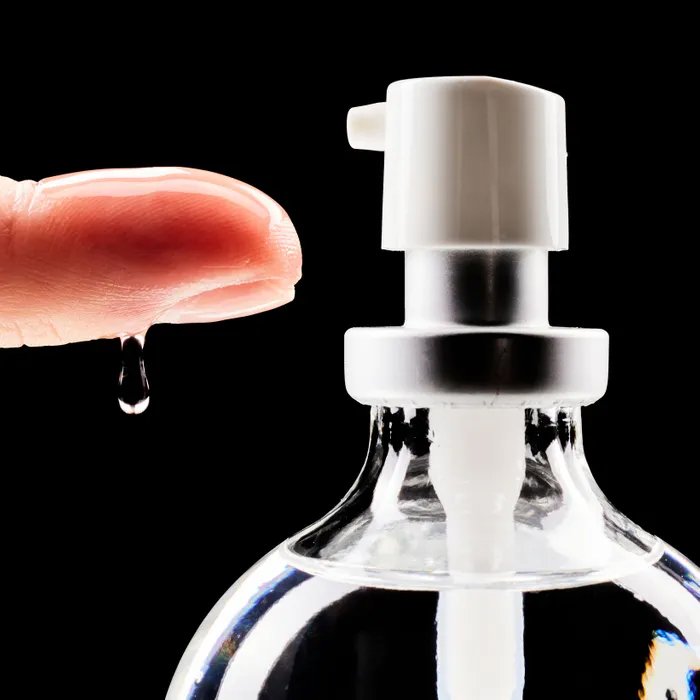
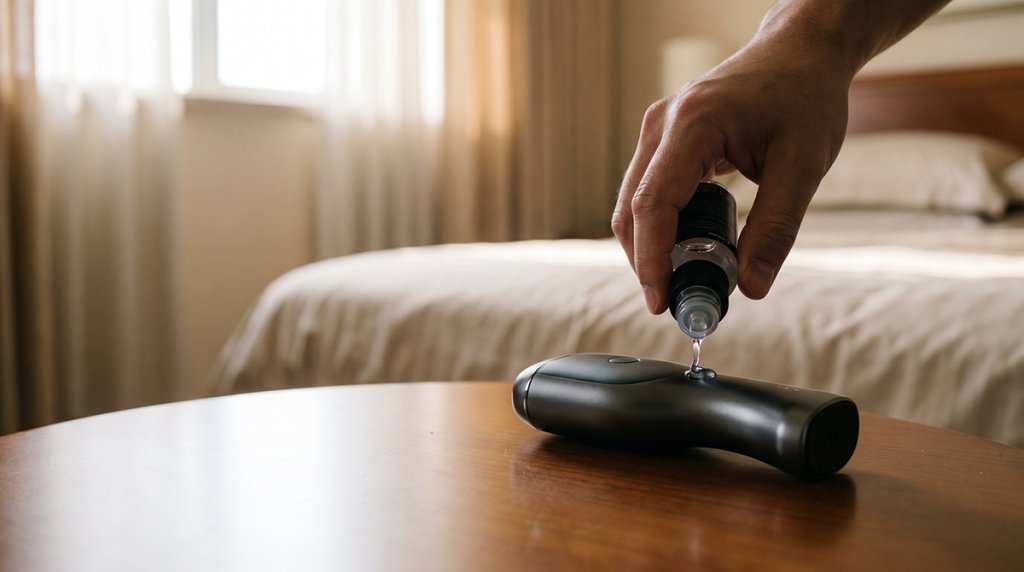
Lubricant isn’t a concession to inadequacy — it’s a precision performance tool. The moment you introduce mechanical stimulation into the equation, the biological calculus changes completely. Thrusting and rotating mechanisms operate at speeds and pressures human touch rarely replicates, and your body’s natural moisture simply wasn’t engineered to keep pace.
“Lubricant is the ‘great equalizer’ in sexual health, reducing friction-related micro-tears and allowing for longer, more intense sessions without irritation.” — Dr. Jen Gunter, Author of The Vagina Bible
Research supports this. According to research from the Indiana University Center for Sexual Health Promotion, over 70% of women and 60% of men report that lubricant makes sexual experiences significantly more pleasurable. That’s not a niche preference — that’s a majority consensus.
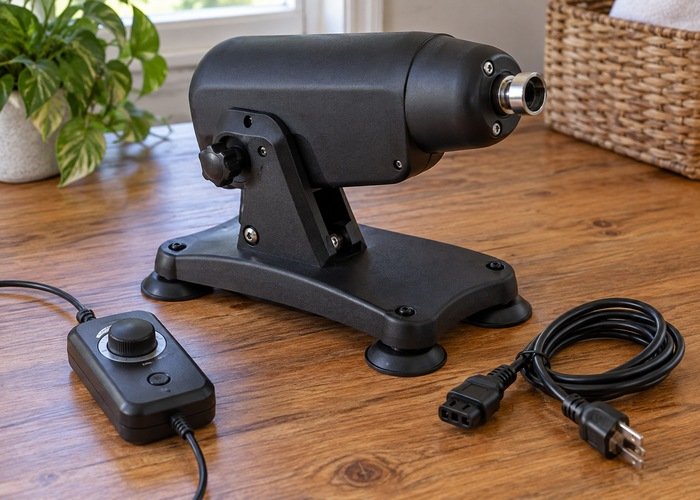
Mechanical automation raises friction demands exponentially. A thrusting device cycling at 150+ strokes per minute generates sustained surface contact that tissue and natural lubrication weren’t designed to handle alone. Without an adequate lubricant layer, the result isn’t just discomfort — it’s micro-abrasion, reduced sensitivity, and potential irritation. Understanding lube and toy compatibility becomes as critical as the device itself.
This is where the Hardware-Biology Compatibility Framework becomes useful. Think of it as matching the right lubricant formulation to both your body’s needs and your device’s material tolerances. One common starting point in this conversation is asking: is silicone lube safe — and the answer, as you’ll see, depends entirely on what it’s being paired with.
Is Silicone Lube Safe? The Biological vs. Material Debate
Silicone lubricant has a reputation for being the long-distance runner of the lube world — and biologically speaking, that reputation is well earned. But knowing how to choose the right lube means understanding that biological safety and material compatibility aren’t always the same conversation.
The Biological Case for Silicone
From a skin-safety standpoint, silicone lubricant is genuinely impressive. It’s non-porous, meaning bacteria can’t accumulate within the formula itself. It’s also hypoallergenic, condom-compatible, and doesn’t absorb into mucous membranes the way water-based alternatives do. That last quality makes it particularly long-lasting — no constant reapplication during extended sessions. For skin-to-skin contact or penetration without devices, silicone lube is hard to beat.
The Material Conflict: Why Silicone Destroys Silicone Toys
Here’s where things get complicated. The International Society for Sexual Medicine (ISSM) has noted that using the wrong lubricant can cause pitting — microscopic surface degradation — in advanced adult devices. This is especially true when silicone-based lube contacts silicone toy materials. The chemistry is straightforward: like dissolves like. The lubricant essentially begins breaking down the toy’s surface, creating micro-tears that harbor bacteria and compromise the toy’s structural integrity over time. In practice, a toy that looks fine on the outside may already be harboring contamination beneath a degraded surface layer.
pH and Vaginal Health
Silicone lube sidesteps one common concern — osmolality — because it doesn’t interact with vaginal tissue the way water-based formulas do. It won’t disrupt natural moisture balance or alter pH. For users with sensitive tissue or recurrent infections, this is a meaningful advantage during partner play.
| Lube Type | Best For | Risk Factor |
|---|---|---|
| Silicone | Skin-to-skin, shower play | Degrades silicone toys |
| Water-Based | Most toy materials | Requires reapplication |
| Hybrid | Moderate sessions, non-silicone toys | Partial silicone risk |
The core rule: silicone lube stays off silicone toys — full stop. For devices with TPE or ABS plastic components, you’ll want to check material specs carefully, as explored in this breakdown of toy material safety before committing to any formula. Which naturally raises the next question — if silicone is off the table for most high-tech devices, what should you actually reach for?
Water-Based Lubricants: The Gold Standard for Automated Pleasure
Now that we’ve established why silicone-based formulas are a hard pass for most high-tech devices, the answer becomes clear: water-based lubricants are the undisputed gold standard for automated pleasure technology. The International Society for Sexual Medicine confirms it directly — water-based lubricants are the safest and most effective choice for toys featuring realistic, high-tech materials like silicone or TPE.
Why Water-Based Works With Your Device — Not Against It
Suction heads, flapping mechanisms, and soft TPE sleeves all share a common vulnerability: chemical reactivity. Water-based formulas contain no compounds that bond to or degrade these surfaces. The result is sustained performance without material breakdown, warping, or that telltale sticky residue that signals a toy is losing structural integrity.
There’s another practical advantage that’s easy to overlook: cleanup. Devices with internal mechanical components trap residue in ways that solid toys simply don’t. Water-based lube rinses clean with minimal effort, reducing bacterial buildup risk inside motor housings and textured sleeve channels.
A clean formula is crucial for vaginal health. Many budget water-based options load up on glycerin (a sugar derivative that feeds yeast) and parabens (preservatives linked to hormonal disruption). These aren’t just theoretical concerns — they’re the difference between a product that supports your body and one that quietly works against it.
Must-Have vs. Avoid: A Quick Ingredient Guide
Look for:
- Aloe vera or plant-derived humectants
- Hydroxyethylcellulose (a body-safe thickener)
- Minimal, pronounceable ingredient lists
Avoid:
- Glycerin or glycerol
- Parabens (methylparaben, propylparaben)
- Nonoxynol-9
- Artificial fragrances or flavors
Water-based lubricants are the only lube category that simultaneously protects your device, respects your body chemistry, and simplifies maintenance — a combination that no other formula offers.
One important nuance: not all water-based lubes perform equally under sustained vibration. Thinner formulas evaporate faster, requiring reapplication mid-session. Choosing a formula with a slightly higher viscosity keeps friction managed longer — which connects directly to how your body’s own physiology responds to extended mechanical stimulation, something worth exploring in depth next.
Vaginal Health and the Science of Friction
Vaginal dryness isn’t a niche concern — it’s a common physiological reality for a significant portion of people who use pleasure devices. According to The North American Menopause Society, approximately 50% of women experience changes in natural lubrication due to hormonal shifts, stress, or medication. When automated devices enter the equation — cycling through high-frequency vibrations, suction pulses, or thrusting motions — the stakes around tissue health rise considerably.
Hormonal Shifts and Natural Lubrication Loss
Estrogen plays a central role in maintaining vaginal tissue elasticity and moisture. During menopause, postpartum recovery, or hormonal treatment cycles, estrogen levels drop — and so does the body’s ability to self-lubricate. The result isn’t just discomfort; it’s increased mechanical vulnerability. High-frequency vibration against already-thinned tissue creates a compounding friction problem that no arousal alone can reliably solve.
“Vaginal atrophy associated with low estrogen levels leads to thinning, drying, and inflammation of vaginal tissue — conditions that substantially increase the risk of micro-tears during penetrative activity.” — North American Menopause Society Clinical Guidelines
This is where pH balance becomes a non-negotiable consideration. A healthy vaginal environment maintains a pH between 3.8 and 4.5 — acidic enough to suppress harmful bacterial overgrowth. Many lubricants, especially those containing glycerin or certain preservatives, can disrupt this balance and open the door to yeast infections or bacterial vaginosis (BV).
Ingredient Safety for Sensitive Users
For users managing hormonal dryness or recurring infections, expert-approved formulas typically share a short ingredient list: purified water, hydroxyethylcellulose, and sodium benzoate at low concentrations. Osmolality matters too — hypo-osmolar formulas can damage cells, while iso-osmolar options respect tissue integrity.
“Products with osmolality close to vaginal fluid (approximately 260–290 mOsm/kg) are best suited for regular use, particularly in postmenopausal users.” — World Health Organization Advisory on Personal Lubricants
Preventing micro-tears during extended automated sessions also depends on lube viscosity and reapplication consistency. Thinner formulas spread easily but evaporate faster — a critical detail worth understanding before you commit to a particular product. For those exploring anal-safe material options alongside vaginal use, ingredient crossover matters even more.
Understanding what’s in your lube is only half the equation. Knowing which formula matches your specific device type is where the real optimization begins.
How to Choose the Right Lube for Your Specific Device
Not all automated toys work the same way — and neither should your lubrication strategy. Choosing the right lubricant for high-tech devices means thinking beyond the bottle and considering exactly what your device is doing to (and with) your body. As Dr. Jen Gunter has noted, as technology increases the intensity of stimulation, the biological need for supplemental moisture increases to protect delicate tissue. That principle becomes your guiding rule here.
For Suction Toys
Suction-based devices create a seal around sensitive tissue, which means friction isn’t the primary concern — but dryness and irritation from repeated pressure cycles absolutely is. A thin-to-medium viscosity water-based formula works best here. Heavy gels can disrupt the seal and reduce sensation. Apply a small amount around the opening and to the tissue itself before use, and keep a bottle nearby for sessions longer than 20 minutes.
Pro-Tip: Less is more with suction devices. A pea-sized amount of lube applied to the nozzle maintains comfort without breaking the vacuum effect.
For Thrusting Devices
Thrusting toys generate the most mechanical friction of any device category — repeated, rhythmic motion that mimics penetrative sex at variable speeds. This is where reapplication matters most. Water-based lubes do evaporate and absorb over time, especially during extended automated sessions. A slightly thicker, longer-lasting water-based gel reduces the need for constant reapplication without compromising toy safety. If you’re using a silicone toy for the first time, confirming material compatibility before choosing your formula is a smart first step.
Pro-Tip: Set a 15-minute reminder to reapply during long-form sessions. Don’t wait for discomfort — prevention beats correction.
For Heating Elements
Warming toys introduce a variable that most people overlook: heat changes lube viscosity. A formula that feels perfectly fluid at room temperature can thin out significantly once a heated device reaches body temperature or above. Choose a medium-to-thick water-based lube with a stable consistency, and avoid formulas with high water content that evaporate faster under warmth.
Pro-Tip: Store your lube at room temperature — not near heat sources — to maintain consistent texture before each use.
Hygiene matters just as much as formula choice. After every session, clean both the toy and any residual lube from the applicator cap to prevent bacterial contamination. These practical details often raise follow-up questions — which is exactly what the next section addresses.
Common Questions: Lube, Health, and High-Tech Play
Getting lubrication right matters — for your body, your devices, and your long-term comfort. Here are the most frequently asked questions answered clearly.
Can I use coconut oil with my toys.
No. This is one of the most common misconceptions in high-tech play. As Medical News Today notes, oil-based lubricants can rapidly degrade latex and certain synthetic toy materials, compromising both the device and your safety. Coconut oil also disrupts vaginal pH, which isn’t great if you’re focused on finding the best lube for vaginal health. Stick to water-based or body-safe silicone formulas depending on your device material — and when in doubt, check out this quick compatibility guide before you commit.
Does lube affect fertility?
Potentially, yes. Some lubricants — particularly those containing glycerin or parabens — can affect sperm motility. If conception is a consideration, look specifically for fertility-friendly formulas that are isotonic and pH-balanced.
How do I clean lube out of a mechanical device?
Act quickly. Water-based lubes rinse out with warm water and mild soap. For devices with internal mechanisms, use a damp cloth on external surfaces and avoid submerging anything with motors or charging ports. Always consult your manufacturer’s cleaning instructions.
What are the signs that my lube is irritating my skin?
Watch for redness, burning, unusual discharge, or persistent itching after use. These are clear signals to discontinue the product immediately. Fragrance, glycerin, and certain preservatives are common culprits.
In summary: Choosing the right lubricant isn’t just a comfort decision — it’s a health decision. Pair smart product choices with clean habits, and your high-tech experience stays both pleasurable and safe for the long run.
Key Takeaways
- Aloe vera or plant-derived humectants
- Hydroxyethylcellulose (a body-safe thickener)
- Minimal, pronounceable ingredient lists
- Parabens (methylparaben, propylparaben)
- Artificial fragrances or flavors