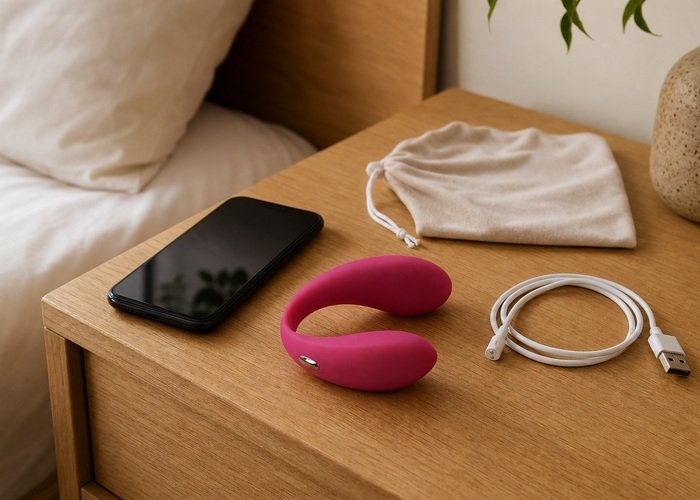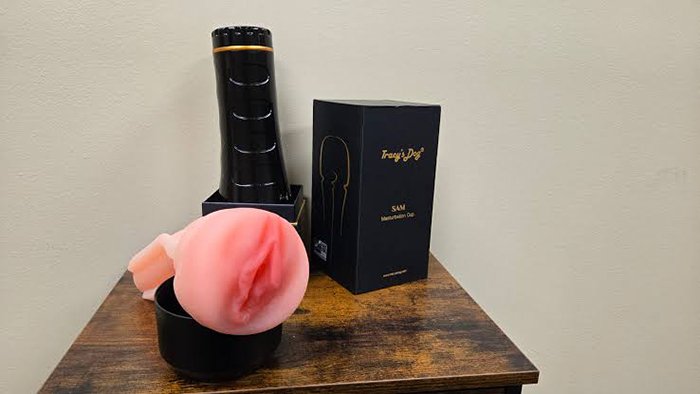
For decades, prostate wellness tools meant one thing: a rigid or flexible insert that stayed exactly where you put it. The effectiveness depended entirely on how much manual effort you applied — and how long you could sustain it. That design ceiling is finally being broken.
Traditional static toys face a significant limitation. They can reach the prostate, but they can’t work it. Sustained, rhythmic pressure — the kind that provides genuine therapeutic and pleasurable outcomes — requires consistent mechanical movement that human hands fatigue from quickly. This gap between what the body needs and what static tools can deliver has quietly driven demand for something smarter.

The global anal toy market is projected to grow at a CAGR of 8.4% through 2030, a trajectory directly linked to consumers who are no longer just seeking novelty — they’re seeking outcomes. That shift has accelerated the rise of automated anal thrusting toys, devices that replace manual effort with programmable, repeatable mechanical motion.a
This is what “mechanical intimacy” looks like in practice: hardware engineered to replicate the consistent pressure, depth, and rhythm that manual stimulation can rarely sustain. For men exploring prostate health for the first time or optimizing a long-term wellness routine, the distinction matters enormously.
Brands like Kissself are leading this shift, combining multi-axis thrusting with vibration and app-based control in a single device. The result isn’t just a better toy — it’s a different category entirely.
Understanding why automated movement outperforms static pressure starts with the anatomy itself.
The Science of the ‘Male G-Spot’: Why Movement Matters
The reason automated devices outperform static tools begins with anatomy. The prostate gland sits roughly 2–3 inches inside the rectum, along the anterior wall — a position that makes direct, sustained pressure both possible and profoundly effective. According to the International Society for Sexual Medicine, the prostate contains a dense concentration of nerve endings capable of producing more intense, full-body orgasms compared to penile stimulation alone. That nerve density is the entire reason mechanical anal stimulation technology has become such a meaningful development in prostate wellness.
[Anatomical diagram placeholder: cross-section showing prostate location, nerve bundle concentration, and optimal contact angle]
The Milking Action
Prostate “milking” isn’t just a colloquial term — it describes a specific physiological process. The goal is rhythmic, directional pressure that encourages fluid movement through the prostate’s ductal system, reducing stagnation and promoting circulation. Harvard Health Publishing notes that advanced mechanical features like thrusting and rotation are specifically designed to mimic this milking action required for optimal prostate massage.
A static plug, no matter how well-shaped, can apply pressure but can’t replicate that rhythmic, back-and-forth compression. Automated devices do. Their programmed thrust cycles mirror the deliberate, repetitive technique a trained pelvic health therapist would use — except available on demand, without scheduling an appointment. For a closer look at how this technique works in practice, this guide to the mechanics of milking breaks down the process with helpful clarity.
Vibration vs. Thrusting
A key distinction often overlooked is: vibration operates at the surface level, creating rapid oscillation that stimulates nerve endings near the tissue exterior. Thrusting creates deep-tissue displacement — physically moving the gland, compressing it cyclically, and engaging the deeper nerve clusters that surface vibration simply can’t reach.
Consider this analogy: a vibrating foam roller loosens surface tension, but a skilled massage therapist’s hands work through layers. Thrusting toys operate on that same deeper principle. That mechanical depth is precisely what makes the engineering behind these devices worth understanding — which is exactly where we’re headed next.
Robotic Engineering in the Bedroom: How Thrusting Toys Actually Work
Now that we understand why movement amplifies prostate stimulation, the logical next question is: how do modern devices actually deliver it? The mechanics are more sophisticated than most people realize.
Motor Configurations: Linear vs. Rotational
Two primary motor architectures power automated prostate devices. Linear actuator motors drive back-and-forth thrusting through a cam-and-rod mechanism — converting rotational motor energy into precise reciprocal movement. Eccentric rotating mass (ERM) motors, by contrast, create vibration and rotation through an off-center weighted shaft. High-end devices often combine both systems, layering rhythmic thrust with simultaneous rotation to replicate the varied manual pressure patterns that maximize p-spot stimulation.
Thermal Engineering and Realistic Warmth
Among the more underappreciated innovations in this category are realistic warmth and movement anal massagers — devices that embed low-wattage resistive heating elements directly beneath the surface layer. These maintain temperatures between 98°F–104°F, closely mimicking body warmth. Thermal safety is non-negotiable here: quality devices use independent temperature sensors with automatic shutoff triggers above 107°F, preventing any risk of thermal injury.
Why Material Science Is Non-Negotiable
Medical-grade silicone is the only responsible material choice for any mechanically actuated device. Unlike porous alternatives, it doesn’t trap bacteria through repeated friction cycles, it tolerates heat distribution evenly, and it’s compatible with water-based lubricants.
Critical safety note: The rectum produces zero natural lubrication. As Mayo Clinic confirms, using lubricant with anal devices isn’t a suggestion — it’s a safety requirement. Mechanical friction without adequate lubrication significantly increases tissue risk.
For a practical primer on comfortable internal use, this guide to preparing for prostate massage covers the essentials.
Power Requirements
Sustained mechanical movement is energy-intensive. Quality devices use 3,000–5,000mAh lithium-polymer batteries — comparable to a mid-range smartphone — to deliver 60–90 minutes of continuous automated operation. USB-C magnetic charging has become the durability standard, eliminating port wear from repeated connections.
Grasping the engineering foundation is crucial — but choosing the right device also comes down to decoding specs, sizing standards, and the technical language used to describe mechanical features.
Decoding the Tech: From NSFW Tags to 4.5-Inch Precision
With a solid grasp of how thrusting mechanisms work, the next challenge becomes practical: how do you decode the technical language surrounding these devices and choose the right specifications for your body?
Understanding the ’45/115′ Sizing Standard
Size matters — and not always in the direction people assume. Based on Amazon user data and market analysis, the 4.5-inch (11.5 cm) insertable length has emerged as the gold standard for intermediate users, balancing comfortable reach with reliable prostate contact. Shorter devices often miss the gland entirely; longer ones can cause discomfort before full engagement.
Here’s a quick referencence for how sizing maps to function:
| Size | Target Area | Benefit |
|---|---|---|
| 2–3 inches | Anal canal only | Beginner comfort, limited prostate reach |
| 4–4.5 inches | Prostate gland | Optimal contact for most users |
| 5+ inches | Deep tissue | Advanced stimulation, higher skill required |
If you’re still calibrating your comfort level, this guide on choosing the right fit breaks down material and size selection in practical detail.
Expansion vs. Penetration: A Critical Distinction
One of the most misunderstood concepts in automated prostate devices is the difference between expansion (radial stretching that activates nerve endings around the sphincter) and penetration (linear depth movement targeting the prostate directly). High-quality robotic anal massagers with heating typically combine both — a thrusting action that reaches the prostate and an inflatable or pulsing head that creates lateral pressure simultaneously.
Neither feature alone is as effective as the two working together. The real power of automated prostate technology lies not in depth or girth alone, but in the coordinated mechanical interplay between the two.
Why Durability Testing Matters
Devices claiming advanced mechanical specs should back them up with real-world durability. Stress tests — including abrasion testing on silicone coatings — reveal whether a motor will maintain consistent torque over hundreds of cycles. Underpowered motors lose rhythm under resistance, which directly undermines stimulation quality.
Material integrity and motor longevity are non-negotiable — especially when heat elements are involved. Speaking of which, heating functionality is just one component of a broader sensory equation that modern devices are pushing further than ever before.
The Multi-Sensory Experience: Flapping, Suction, and Heat
Understanding how do thrusting anal toys work is just the beginning. The real frontier in prostate wellness is what happens when mechanical movement gets layered with heat, suction, and synchronized external stimulation. Multi-sensory design transforms a single-note experience into something far more sophisticated — and far more effective.
Thrust: The Mechanical Core
Rhythmic thrusting remains the foundation of advanced prostate stimulation, and for good reason. Research from Harvard Health Publishing supports that mechanical stimulation can help alleviate symptoms of chronic prostatitis by encouraging fluid drainage — meaning this isn’t just about pleasure, it’s functional wellness.
- Adjustable stroke depth (commonly 1–4.5 inches) targets different zones of the prostate
- Variable speed settings allow escalation from gentle massage to deeper, rhythmic pressure
- Curved insertion angles engineered to maintain P-spot contact throughout the full stroke cycle
Heat: The Most Underrated Feature in the Room
Warming elements are consistently overlooked, yet they may be the single biggest upgrade in modern device design. Gentle heat — typically ranging between 98°F and 104°F — relaxes the rectal muscles, reduces resistance, and creates a far more natural sensation. In practice, users report that heat alone dramatically changes their comfort threshold, especially during longer sessions.
- Rapid pre-heat technology reaches body temperature in under 60 seconds
- Consistent temperature regulation prevents uncomfortable spikes
- Muscle-relaxing effect that pairs directly with the safe body signals approach for responsible play
Sync: External Stimulation Meets Internal Movement
Synchronized stimulation — pairing internal thrusting with external flapping or suction against the perineum or testicles — creates compound arousal that neither sensation achieves alone. App-connected devices now allow partners to control both channels independently, opening genuine possibilities for shared play regardless of physical distance.
- Dual-motor coordination syncs internal and external rhythms in real time
- Bluetooth and app integration for remote partner control
- Customizable patterns that alternate, mirror, or contrast internal and external sensations
The most effective designs don’t just move — they orchestrate. Of course, getting the most from these advanced features depends on proper care and usage habits, which is exactly what we’ll cover next.
Advanced User FAQ: Safety and Maintenance
Automated mechanical prostate toys represent a genuine leap forward in wellness technology — but like any precision device, they reward users who take care of them properly. Here are the most common questions answered clearly.
How do I clean mechanical toys without damaging the internal motors?
The golden rule is simple: water goes on the outside only. Most quality devices feature sealed, waterproof exteriors rated IPX7 or higher, which means you can rinse the toy under warm water or wipe it down with a toy-safe antibacterial cleaner without worrying about motor damage. Never submerge the charging port. For silicone surfaces, high-quality medical-grade silicone can withstand high-temperature disinfection — a fact confirmed by material testing — making it ideal for thorough sterilization between uses.
Are automated toys safe for beginners?
Absolutely, provided you follow the “start slow” principle. Begin on the lowest thrust speed or vibration setting and allow your body time to adjust before escalating intensity. If you’re exploring prostate stimulation for the first time, reviewing beginner-friendly techniques alongside your new device builds both confidence and safety. According to WebMD, any prostate stimulation should feel pleasurable, never painful — stop immediately if discomfort occurs.
What battery life should I expect from high-torque thrusting devices?
Most USB-rechargeable thrusting devices offer between 60 and 120 minutes of continuous use on a full charge. High-torque motors naturally consume more power, so intensive thrusting modes will drain the battery faster than gentle vibration settings.
Should I use water-based or silicone-based lubricant?
Always choose water-based lubricant with silicone toys. Silicone-based formulas degrade silicone surfaces over time, compromising both hygiene and texture. Water-based options remain slick throughout use and won’t interfere with any mechanical components.
The future of prostate wellness isn’t passive — it’s precise, automated, and increasingly intelligent. By understanding the technology, respecting safety guidelines, and maintaining your devices properly, you transform a simple purchase into a long-term investment in your wellbeing. Explore, take your time, and let the mechanics do the work.
Key Takeaways
- Adjustable stroke depth (commonly 1–4.5 inches) targets different zones of the prostate
- Variable speed settings allow escalation from gentle massage to deeper, rhythmic pressure
- Curved insertion angles engineered to maintain P-spot contact throughout the full stroke cycle
- Rapid pre-heat technology reaches body temperature in under 60 seconds
- Consistent temperature regulation prevents uncomfortable spikes