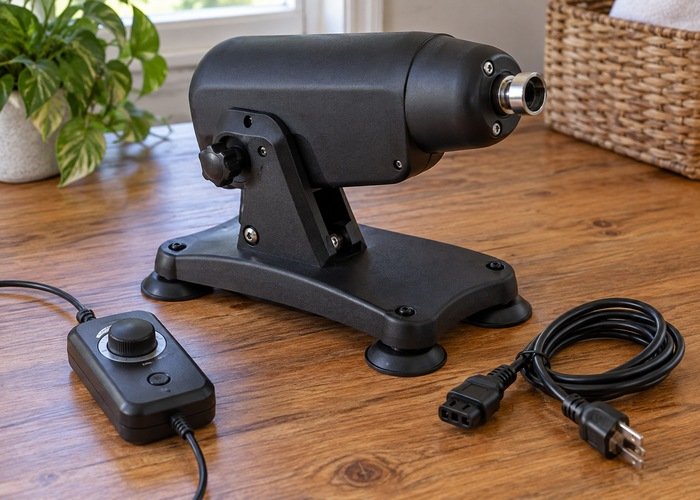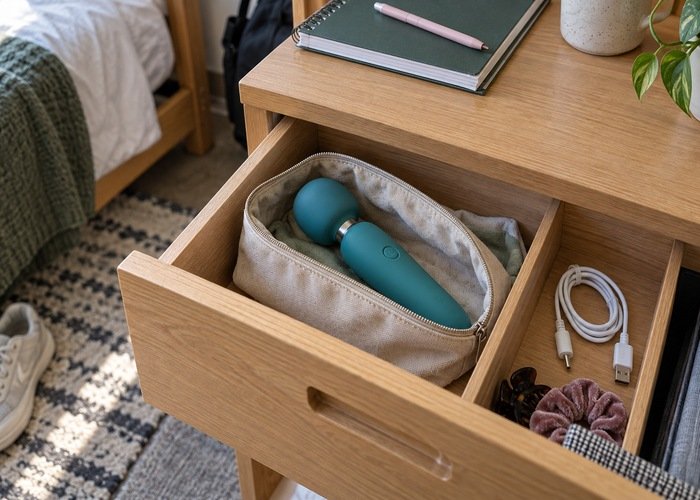
Forget everything you think you know about lubricant. It’s not a workaround for a problem — it’s a performance upgrade. For anyone using high-tech pleasure devices, lube is the critical interface between sensitive tissue and sophisticated hardware, and treating it as optional is leaving serious sensory value on the table.
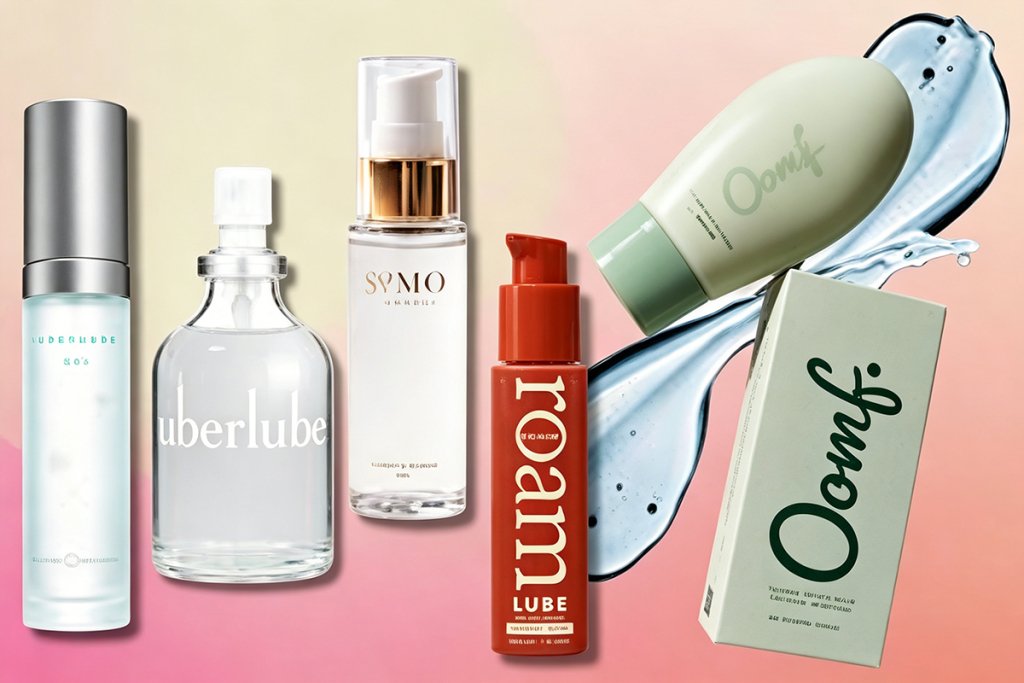
“Lubricant is the ‘great equalizer’ in sexual wellness, reducing friction-related discomfort and allowing for longer, more adventurous sessions without irritation.” — Dr. Jennifer Berman, Urologist and Sexual Health Expert
That framing matters. According to Indiana University’s Center for Sexual Health Promotion, a significant number of women report that using lubricant makes their sexual experiences significantly more pleasurable and physically comfortable. This isn’t describing a medical fix — it’s describing an enhancement.
When a device operates at high-intensity settings — tapping functions, pressure-wave suction, or layered vibration — even minimal friction compounds quickly. Lube eliminates that resistance, letting the device’s full sensory output land exactly as designed. The result is longer, more immersive sessions without the tissue fatigue that cuts them short.
One critical caveat: not all lubricants work with all devices. Material compatibility — particularly around silicone lube and silicone-coated hardware — is where smart choices separate good experiences from damaged equipment. Exploring your options for better-sex formulas is a solid starting point, but understanding the chemistry behind each formula is what truly puts you in control. That chemistry is worth a much closer look.
The Chemistry of Choice: Water-Based vs. Silicone Lube
Not all lubricants are created equal — and when high-tech devices enter the picture, the chemistry of what you choose becomes genuinely important. Understanding the core differences between lube types isn’t just useful trivia; it’s the foundation of safe, satisfying play.
Water-Based: The Universal Standard
Water-based lubricants are the gold standard for device compatibility, and for good reason. They’re non-reactive, easy to clean up, and — critically — the only variety confirmed safe for use with high-end silicone wellness devices, according to the International Society for Sexual Medicine. Silicone-coated hardware in contact with the wrong formula can break down over time, compromising both performance and hygiene. If you’re using premium devices regularly, understanding how water-based formulas interact with your body is worth the read. The one trade-off? Water-based lubes can dry out faster, requiring reapplication during extended sessions.
Silicone-Based: Long-Lasting but Risky
Silicone-based lubes excel at longevity — they don’t absorb into skin or evaporate quickly, making them ideal for extended use. However, they represent a genuine danger zone for silicone-coated devices. The science is straightforward: like dissolves like. Silicone lubricant bonds with and can degrade the polymer surface of silicone hardware, causing micro-abrasions that harbor bacteria and dull tactile responsiveness. It’s also worth noting that, like most personal care products, lube does expire — and degraded formulas applied to compromised device surfaces double the risk of irritation.
Hybrid Options: A Middle Ground Worth Scrutinizing
Hybrid lubricants blend water and silicone in lower silicone concentrations, promising durability without the full degradation risk. In practice, results vary. Some hybrids are safe for silicone toys; others aren’t. Always patch-test on a discrete area of your device first.
Choosing the right formula is only part of the equation — knowing what to avoid within each category matters just as much, which is exactly where the next section takes things.
How to Choose the Best Lube for Your Sex Life
Understanding how to use lube effectively starts with recognizing that the wrong formula can undermine even the most advanced device. Choosing correctly isn’t guesswork — it’s a decision framework built around your goals, your body, and your hardware.
Match Viscosity to Your Device
Viscosity — essentially, how thick or runny a lubricant is — matters more than most people realize. Suction-based devices generally perform better with thinner, water-based formulas that coat surfaces evenly without blocking airflow channels. Tapping or pressure-wave devices, on the other hand, often benefit from a thicker, gel-consistency lube that maintains a cushioning layer through repeated motion. Users who choose the wrong viscosity end up reapplying constantly, which interrupts the experience entirely.
Red Flag Ingredients to Avoid
Scan the label before you buy. Three ingredients deserve particular scrutiny:
- Glycerin — a sugar alcohol that can disrupt bacterial balance and trigger yeast infections in sensitive users
- Parabens — preservatives linked to hormonal disruption concerns
- Warming agents (like capsaicin or menthol) — often too intense for sensitive tissue and mucosal membranes
pH Balance and Natural Alternatives
The vaginal environment typically maintains a pH of 3.8–4.5. Lubricants that fall outside this range can compromise that balance, leaving users vulnerable to irritation or infection. Always look for pH-balanced formulas when enhanced play is involved.
Research published in The Journal of Sexual Medicine confirms that lubricant use is associated with a higher likelihood of achieving orgasm — making formulation a genuine health and pleasure priority, not just a preference.
Natural alternatives such as coconut oil are popular, but they degrade latex condoms and can disrupt vaginal flora. For silicone-device users, a trusted water-based option remains the safest default across most scenarios.
Of course, selecting the right formula is only half the equation — knowing exactly where and how much to apply makes all the difference.
Application Mastery: How Much Lube to Use and Where
Now that you’ve identified the right formula for your devices, the next step is applying it strategically. Technique matters just as much as chemistry.
The Internal vs. External Rule for Suction Devices
For air-pulse and suction-based toys, placement is everything. Apply a small amount — roughly a pea-sized drop — directly to the device’s opening and another thin layer around the external clitoris. Avoid flooding the nozzle, which can disrupt the pressure mechanics designed to replicate targeted sensation. According to The Journal of Sexual Medicine, reducing friction allows for more precise stimulation of clitoral nerve endings, particularly essential for sucking and tapping devices where air-to-skin contact must remain consistent.
Reapplication and Layering Techniques
One of the most overlooked skills is knowing when to reapply. The telltale sign isn’t dryness — it’s tackiness. That slight drag before friction fully returns is your cue. For multi-mode devices combining vibration and gentle heat, a layering approach works well: start with a base coat before powering on, then add a refresh after 15–20 minutes as warmth accelerates absorption.
Some users explore natural lubricant alternatives like aloe vera gel as a between-session refresh, though these should never replace a properly formulated product during active use.
Enhancing Sensitivity Without Numbing
For clitoral application specifically, less can be more. A thin, targeted layer preserves natural nerve response while reducing discomfort during extended sessions. Avoid formulas with benzocaine or heavy numbing agents entirely — the goal is amplified sensation, not suppression.
Knowing how to apply lube correctly is only part of the equation. What happens after the session — and how long your products actually remain effective — is equally worth your attention.
Maintenance and Safety: Does Lube Expire?
Yes — lube absolutely expires, and ignoring that fact carries real consequences. Most bottles print an expiration date near the bottom or on the crimped seal; pump bottles often stamp it on the base. Squeeze tubes typically list it along the side seam. Make checking this a habit before every use.
Why Expired Lube Is a Genuine Risk
According to Healthline’s medical review team, expired lubricants can undergo pH changes and preservative breakdown, potentially triggering yeast infections or irritation. What was once a smooth, protective formula can become a breeding ground for bacterial growth. Preservatives degrade over time, and that protective barrier against microbial contamination disappears with them. Knowing how much lube to use matters far less if the product itself is compromised.
Storage and Device Care
Temperature fluctuations are the quiet enemy of lubricant quality. Store your bottles away from direct sunlight, bathroom humidity, and heat sources — a bedside drawer at room temperature is ideal.
After each session, cleaning your devices properly preserves both the toy and your health:
- Water-based formulas: A warm water rinse is usually sufficient
- Silicone lubes: Require thorough soap-and-water scrubbing to prevent residue buildup on toy surfaces
- Hybrid formulas: Treat like silicone — err on the side of thorough
If you’re exploring friction-reducing techniques for self-pleasure, clean devices and fresh lube consistently deliver better, safer results. With storage and expiration addressed, the next step is seeing all these elements come together visually.
Expert Insights: Visualizing the Perfect Setup
Watch Before You Buy
Sometimes seeing the full picture makes everything click. The video below walks through everything you need to know about lubricants — from formula differences to compatibility rules — giving you a practical visual reference to complement what you’ve read here.
📺 [Everything you NEED to know about LUBRICANTS – YouTube]
Frequently Asked Questions
Can I use coconut oil as lube?
Coconut oil is a popular natural alternative, but it comes with serious caveats. As noted by MasterClass’s Sexual Wellness Guide, oil-based substances like coconut oil can degrade latex condoms, significantly increasing the risk of breakage. They’re also difficult to fully clean from porous toy materials, which can harbor bacteria over time. In practice, natural oils work only for skin-on-skin contact — not for protected play or use with most toys.
Is warming lube safe for sensitive skin?
Warming formulas typically use glycerin or propylene glycol to create heat sensation. However, these ingredients can trigger irritation in people prone to yeast infections or contact sensitivity. One practical approach is to patch-test any warming product on your inner wrist 24 hours before use, then proceed carefully.
How do I clean silicone lube off sheets?
Silicone lube is notoriously stubborn. Pre-treat the stain with dish soap before laundering in warm water. Avoid fabric softeners, which can seal the residue in rather than lifting it out.
The Takeaway: Choosing Smarter, Feeling More
The right lubricant isn’t a luxury — it’s a foundational element of high-quality pleasure. When you choose the best lube for your sex life thoughtfully, every sensation becomes more intentional and every device performs closer to its true potential. High-tech vibrators and stimulators deserve an equally considered formula, which is why pairing them with a quality water-based option remains the gold standard — body-safe, toy-friendly, and consistently reliable. Before your next session, revisit your compatibility basics using this quick lube safety guide. Your body — and your devices — will notice the difference.
Key Takeaways
- Glycerin — a sugar alcohol that can disrupt bacterial balance and trigger yeast infections in sensitive users
- Parabens — preservatives linked to hormonal disruption concerns
- Warming agents (like capsaicin or menthol) — often too intense for sensitive tissue and mucosal membranes
- Water-based formulas: A warm water rinse is usually sufficient
- Silicone lubes: Require thorough soap-and-water scrubbing to prevent residue buildup on toy surfaces