An erection is fundamentally a hydraulic event — and understanding that simple truth is the starting point for any useful cock rings guide.
When arousal occurs, the brain signals the smooth muscle tissue inside the penis to relax, allowing blood to rush into two cylinder-shaped chambers called the corpora cavernosa. These chambers run the length of the shaft and act like pressurized reservoirs. As they fill, the surrounding tissue compresses the veins responsible for draining blood away — a process called veno-occlusion. The result is rigidity.
Here’s where the mechanics get interesting: that venous compression isn’t always complete. Factors like fatigue, stress, age, or circulation changes can allow blood to seep back out faster than it should, and soften an erection prematurely. According to the International Society for Sexual Medicine, penis rings function specifically by restricting this blood outflow from the corpora cavernosa — acting as a physical barrier to venous return at the base of the shaft. A cock ring doesn’t manufacture arousal. It preserves and amplifies what’s already there. This distinction matters enormously for setting realistic expectations. If there’s no erection to begin with, a ring won’t produce one. But when even partial engorgement is present, a well-fitted ring can sustain and firm it noticeably. That increased engorgement also has a secondary payoff: as the glans (head) fills with additional blood, sensitivity rises, often making sensation feel sharper and more focused.
The practical implication? Lubrication matters more than most beginners expect when placing a ring against sensitive skin — worth exploring why lube belongs in this equation before your first use. That foundation set, the next question is which material handles the job most safely.

Why Beginners Should Start with Stretchy Silicone
The single most important choice in penis rings 101 is material — and for anyone just starting out, stretchy silicone isn’t just a recommendation, it’s the safest path forward.
The core contrast comes down to flexibility versus rigidity. Metal and glass rings are undeniably attractive — they look sleek, feel substantial, and offer intense constriction. But that same rigidity creates a real problem when things don’t go as planned. If swelling occurs, a rigid ring cannot stretch to accommodate it. Removal becomes difficult, and in some cases, dangerous. Stretchy materials like silicone, TPE, offer flexibility.
Bold Callout: According to guidance from Mayo Clinic Connect, beginners should prioritize stretchy materials like silicone or TPE over rigid metal or glass to ensure safety and ease of removal — especially during initial use.
Emergency removal is one of those things nobody thinks about until they need it. With a silicone ring, a quick tug or scissor snip solves the problem in seconds. With a metal ring, you may need a bolt cutter and a trip to urgent care. That scenario isn’t hypothetical — it’s well-documented across sexual health communities.
Medical-grade silicone raises the bar further. It’s non-porous, meaning bacteria can’t hide in microscopic surface gaps the way they can with cheaper rubber or jelly materials. It’s also hypoallergenic and compatible with water-based lubricants — pairing it with a body-safe lubricant makes the experience both safer and more comfortable, especially for first-time use.
Fit anxiety is another genuine concern. Girth varies significantly between individuals, and sizing a rigid ring incorrectly can mean the ring is either too loose to function or too tight to remove safely. Silicone stretches to accommodate a wider range of sizes, reducing the guesswork and the risk. What might feel like a snug fit in a rigid ring becomes a workable, adjustable experience in silicone.
Once you understand what makes silicone the smart starting material, the natural next question becomes: what can a cock ring actually do for your performance — and where do the myths end?
What a Cock Ring Can (and Can’t) Do for Your Performance
A cock ring delivers real, measurable benefits — but only when you understand exactly where those benefits begin and end.
Before going further, it’s worth separating the genuine wins from the wishful thinking. Erectile dysfunction affects approximately 30 million men in the United States, making non-invasive aids like cock rings a natural first step for many people. That context matters — because it also means plenty of marketing overclaims what these devices can actually do.
Here’s what the evidence actually supports:
- Fact: Erections feel harder and look fuller. By slowing venous outflow — the mechanism covered in the previous section — a ring keeps more blood pooled in the erectile tissue. The result is a noticeably firmer, more engorged erection during use. This is real, physiological, and well-documented by sources like Healthline.
- Myth: It permanently increases penis size. Any appearance of added girth or length disappears completely once the ring is removed. There is no structural change to tissue. Anyone claiming otherwise is selling something.
- Fact: It can assist with mild ED. For men who can achieve an erection but struggle to maintain one, a ring slows the escape of blood long enough to complete sexual activity. Some users also explore delayed ejaculation techniques alongside ring use for a more controlled experience overall. WebMD notes this supportive role specifically for mild, situational cases.
- Myth: It replaces medical treatment for chronic ED. A ring manages symptoms — it doesn’t treat underlying causes. Cardiovascular issues, hormonal imbalances, and nerve damage all require proper medical evaluation. Using a ring as a workaround while ignoring persistent symptoms is a risk not worth taking.
The honest bottom line is that a cock ring is a performance aid, not a corrective device. In practice, men who benefit most are those with occasional firmness issues tied to stress, fatigue, or age — not those managing a diagnosed chronic condition without professional guidance.
One practical consideration worth noting: how you apply the ring matters just as much as which ring you choose. Getting that process right — including what to use to make application smooth and comfortable — is exactly what the next section walks through in detail.
The Step-by-Step Guide to Your First Session
Knowing how to use a cock ring correctly from the very first session makes the difference between a genuinely pleasurable experience and an uncomfortable one you won’t want to repeat.
The most crucial prep step is lubrication — and it should always be water-based. Water-based lube works safely with silicone material, reduces friction during application, and makes removal significantly easier. Skipping lube is the most common beginner mistake. A generous application before you start takes seconds and prevents irritation that can cut the session short.
Timing your application matters just as much as technique. According to Healthline, the easiest and safest time to put on a cock ring is while flaccid or only semi-erect. Attempting to stretch a ring over a full erection is awkward at best and potentially painful. Work the ring on gradually, keeping movements slow and deliberate.
Placement directly shapes the sensation you get. The two main options are positioning the ring at the base of the shaft only, or placing it behind the testicles to encircle both the shaft and scrotum. Base-only placement is the more straightforward starting point for beginners. The behind-the-testicles position creates broader pressure and, as Dr. Evan Goldstein notes via Cosmopolitan, can intensify sensations during climax, leading to more powerful orgasms — but it requires more practice to apply comfortably.
For a first session, keep wear time to 20 minutes maximum. This “20-minute rule,” recommended by sources including WebMD, gives your body time to adapt without putting excess pressure on sensitive tissue for too long. Set a timer if needed — it removes any guesswork.
For a visual walkthrough of these steps, the video below breaks down the process clearly:
▶ Watch: Rings 101 — How They Work, Safety Tips & Best Picks
Getting the application right is empowering — but it’s only half the picture. Knowing how your body should feel during wear, and recognizing when something isn’t right, is just as critical to a safe experience.
Safety First: Recognizing the Red Flags
Knowing when to remove a cock ring is just as important as knowing how to put one on — and missing the warning signs can turn a great experience into a medical emergency.
⚠️ Safety Callout: WebMD advises that users should avoid wear beyond 20–30 minutes to prevent tissue damage. Set a timer before every session, no exceptions.
Numbness or coldness are the earliest signals that something is wrong. If the penis starts to feel tingly, loses sensation, or feels noticeably cool to the touch, blood flow is being restricted beyond safe limits. Remove the ring immediately. This is one of the most important reasons silicone cock rings for beginners are recommended over rigid materials — a stretchy silicone ring can be pulled off quickly, whereas a non-flexible ring may require cutting tools and an ER visit.
Discoloration is a hard stop. Some darkening from engorgement is normal, but a blue or purple color that extends beyond the head and persists after removing the ring signals that circulation has been dangerously compromised. This condition, called priapism when prolonged, requires immediate medical attention. MasterClass notes that any erection lasting over four hours warrants emergency care, regardless of cause.
Never fall asleep wearing a ring. This isn’t an overstatement — it’s a firm rule. Falling asleep removes your ability to monitor sensation and catch early warning signs, dramatically increasing injury risk. Along the same lines, give your body adequate recovery time between sessions. Waiting at least 60 minutes before wearing a ring again allows tissues to recover fully. Pairing smart timing habits with proper toy hygiene practices keeps every session safe and enjoyable.
Once you’ve locked down these safety fundamentals, you’re ready to explore more intentional techniques — including how a cock ring can directly influence stamina and ejaculation timing.
Advanced Techniques: Delayed Ejaculation and Sensitivity
A silicone cock ring does more than maintain firmness — used strategically, it becomes one of the most effective erection enhancement tools for extending sessions and deepening sensation.
Pairing the Ring with Stamina Techniques
The ring fundamentally shifts your relationship with the “point of no return.” By trapping blood in the glans, it makes nerve endings significantly more reactive to touch, as noted by Bespoke Surgical — which means you feel more with less stimulation. That heightened sensitivity cuts both ways: it can accelerate arousal, but it also gives you more to work with when combining the ring with deliberate control methods.
The classic squeeze technique — applying firm pressure just below the glans when approaching climax — works especially well here. The ring’s constriction already slows venous return, and the squeeze adds a second layer of interruption, effectively buying more time before the point of no return arrives. In practice, pairing these two approaches trains the body to tolerate higher arousal plateaus without tipping over.
Vibration and the Psychology of Performance
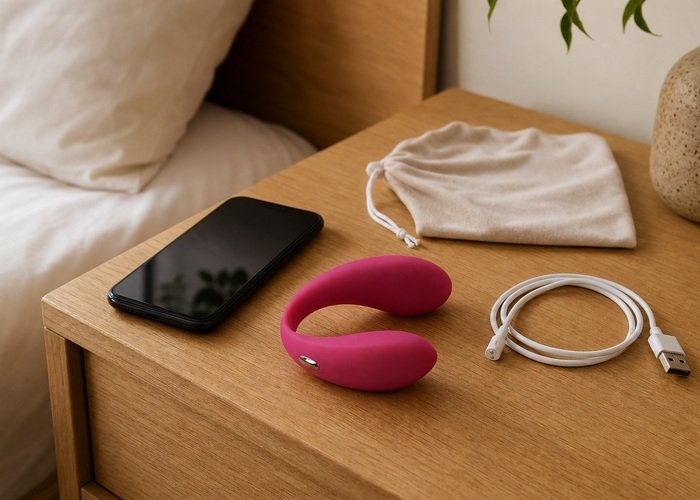
Vibration-integrated rings multiply stimulation for both partners simultaneously, making them a natural upgrade once you’re comfortable with standard rings. The motor sits against the perineum or clitoral area depending on positioning, layering external buzz onto the internal engorgement effect. According to Hello Cake’s guide on cock ring benefits, this dual stimulation is one of the most cited reasons couples return to ring use consistently.
There’s also a quieter benefit that often goes undiscussed: reduced performance anxiety. Knowing the ring is actively supporting your erection removes a cognitive load that derails many people mid-session. That mental release — the confidence of a physical assist — frequently extends sessions more than the mechanics alone. If you want to explore complementary sensations alongside ring use, learning how lubrication affects friction and feel adds another dimension worth considering.
Keeping your ring performing at this level, though, depends entirely on how well you maintain it after each session.

Hygiene and Longevity: Caring for Your Silicone Gear
Proper cleaning after every use isn’t optional — it’s what keeps your silicone ring body-safe and structurally sound for the long term.
The material itself works in your favor. According to Healthline, silicone is non-porous, meaning bacteria can’t burrow into the surface the way it does with rubber or jelly materials. That advantage only holds, however, if you clean the ring consistently and correctly.
Cleaning is straightforward: warm water and a small amount of mild, fragrance-free soap after every single use. Rinse thoroughly so no soap residue remains, then air dry completely before storing. Moisture trapped against silicone during storage won’t cause damage, but a damp ring stored in a closed container can encourage bacterial growth — exactly what you’re trying to prevent.
Lubricant compatibility is where many people make an expensive mistake. Silicone-based lubes react chemically with silicone toys and rings, causing the surface to break down, become tacky, and lose its smooth finish over time. Stick to water-based formulas exclusively — compatible options are widely available and won’t compromise the material. This is a non-negotiable rule, not a preference.
Storage matters more than most people assume. Silicone is a lint and dust magnet. Store your ring in a clean pouch or dedicated compartment — away from other toys that could press against it — to keep the surface clean between uses.
Replacement is the final piece of the longevity equation. Before each use, run your fingers around the full circumference of the ring and stretch it slightly. Any small tears, thin spots, or areas where the material feels inconsistent are signs it’s time to replace it. A compromised ring can snap under tension — the last thing you want during use.
Taking care of the gear you rely on is, in many ways, a reflection of taking care of yourself. The same discipline that makes silicone the right first choice also makes proper maintenance the right ongoing habit — and those habits are what the key takeaways ahead are built around.
The Bottom Line: What You Need to Know
Silicone cock rings are simple, effective tools — but their safety depends entirely on understanding the mechanics behind them and respecting a few non-negotiable rules.
A cock ring works by trapping blood in the shaft to maintain firmness, not by creating an erection from scratch. That distinction matters. Blood enters the penis normally during arousal, and the ring’s snug fit slows its return through the veins — the result is a firmer, longer-lasting erection. As Hims explains, this is a purely mechanical process, which is why material choice and fit are so consequential.
Material: Stretchy silicone is the only beginner-appropriate material. Its flexibility allows the ring to seat comfortably, accommodate size variation, and — critically — come off quickly if anything feels wrong. Rigid rings made from metal or hard plastic offer zero give, which creates real risk for first-time users who haven’t yet dialed in their sizing.
Timing: Vascular safety is directly tied to wear duration. A practical rule endorsed by sex educators is to start with just 5 minutes and never exceed 20–30 minutes of continuous wear. Staying within that window prevents oxygen restriction to sensitive tissue — an outcome that goes from uncomfortable to medically urgent fast.
Lubrication: Lube isn’t optional. It’s what makes application smooth and removal safe, especially if arousal has fully set in. Water-based formulas are the smart default here — they’re compatible with silicone toys and easy to clean up. If you want to explore how lubricant choice affects toy performance, the relationship between formula and material matters more than most people realize.
These four points — function, material, time, and lubrication — form the complete safety foundation. If a question comes up during use that isn’t covered here, the FAQ section ahead addresses the most common scenarios in detail.
Frequently Asked Questions About Penis Rings
Silicone cock rings prompt practical questions — and getting clear answers before your first use makes the experience safer and more enjoyable.
Can I use a cock ring with a condom?
Yes, and the order matters. Put the ring on first while flaccid or semi-erect, then roll the condom on once you’re fully erect. This sequencing keeps both the ring and condom properly positioned throughout use.
What should I do if the ring feels too tight?
Remove it immediately. A ring that causes numbness, discoloration, pain, or a cold sensation is cutting off circulation beyond what’s safe. According to Healthline, the 20-to-30-minute wear limit exists precisely because prolonged restriction can cause tissue damage. Discomfort is always a signal to stop — not push through. Silicone’s flexibility reduces this risk compared to rigid materials, but no ring is immune to fit problems.
Are there specific rings for ED?
Penis rings can support erections by slowing venous outflow — the blood draining back out — which helps maintain firmness after arousal. WebMD notes they’re commonly used as a non-pharmaceutical aid for mild erectile difficulties, though they don’t address the underlying cause. Anyone with a diagnosed vascular or neurological condition should consult a doctor before use.
How do I know my size?
Measure your girth at full erection using a soft tape measure or a strip of paper, then compare that circumference to ring diameter sizing charts — most manufacturers provide them. When in doubt, size up slightly; you can always explore snugger fits once you understand how the ring feels. Picking up a quality lubricant alongside your ring makes sizing experiments far more comfortable, especially during that first try.