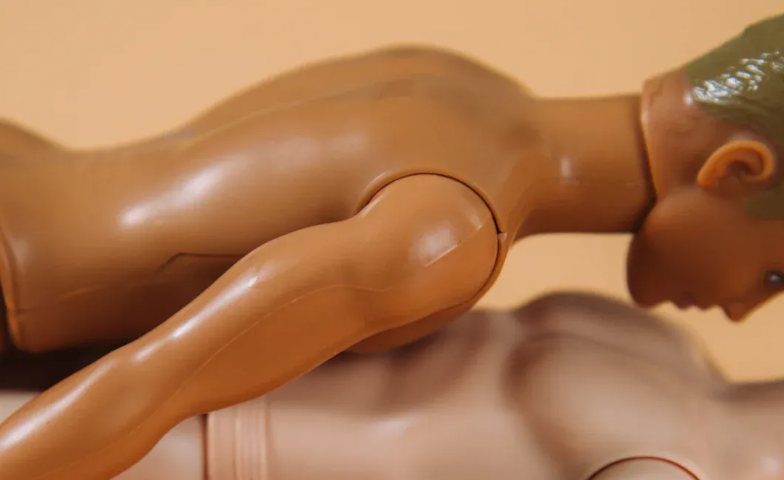
If you want to reach the A-Spot and unlock new levels of pleasure, try these sex positions that target deep, front wall stimulation:
- Missionary with hips elevated for a direct angle
- Doggy style with hips adjusted for deeper reach
- Cowgirl with a forward lean for precise contact
- Side-lying with leg placement for comfort and depth
The A-Spot sits on the front vaginal wall, just beyond the G-spot, near the cervix. When you use the right angles and communicate openly, you maximize comfort and pleasure.
Tip: Always check in with your partner. Consent and comfort shape every successful A-Spot Guide experience.
Key Takeaways
- Explore various sex positions like missionary, doggy style, and cowgirl to effectively target the A-Spot.
- Adjust angles and use pillows to enhance comfort and improve stimulation during A-Spot play.
- Communicate openly with your partner about comfort levels and preferences to ensure a positive experience.
- Use plenty of lubrication to reduce friction and enhance pleasure during deeper penetration.
- Take your time to relax and explore, as A-Spot stimulation can vary greatly from person to person.
- Incorporate regular check-ins with your partner to maintain consent and comfort throughout the experience.
- Celebrate small victories and progress in your exploration to strengthen intimacy and trust.
- Always listen to your body and your partner’s signals to ensure safety and enjoyment during A-Spot play.
A-Spot Guide: Best Sex Positions
Missionary Variations
Deep Angle
You can use the classic missionary position as a foundation for A-Spot Guide techniques. To target the A-Spot, focus on achieving a deeper angle. Ask your partner to lie on their back and lift their hips. You can kneel between their legs and guide your entry toward the front vaginal wall. This angle helps you reach the sensitive area near the cervix.
A practical example: Place your partner’s legs over your shoulders. This adjustment increases the depth of penetration and directs your movement toward the A-Spot. Many couples report that this variation creates a more intense sensation and allows for better communication during intimacy.
Pillow Support
Adding a pillow or wedge under your partner’s hips can transform the missionary position into a powerful A-Spot Guide tool. Elevating the pelvis changes the angle of penetration, making it easier to stimulate the front wall. This adjustment also relieves pressure on your partner’s arms and lower back, increasing comfort.
Tip: Use a firm pillow or a folded blanket for stability. A wedge shape works best for maintaining the angle throughout the session.
Here is a table summarizing anatomical factors that influence the effectiveness of missionary variations:
| Anatomical Factor | Description |
|---|---|
| Thickness of the anterior vaginal wall | Variations can affect sensitivity in the A-Spot area. |
| Distance between clitoris, vaginal opening, and urethra | Influences stimulation effectiveness. |
| Differences in erectile tissue | Can impact sensitivity and pleasure during penetration. |
You may notice that small changes in position can make a big difference. Experiment with different pillow heights and leg placements to find what feels best for both of you.
Doggy Style
Hip Adjustment
Doggy style stands out in the A-Spot Guide for its ability to provide deep, targeted penetration. Have your partner get on all fours, with knees and hands on the bed. You can enter from behind, angling your hips slightly downward. This position allows you to reach the front vaginal wall with precision.
- Deep penetration becomes easier.
- You can adjust your angle by shifting your partner’s hips higher or lower.
- A slow rocking motion often targets the A-Spot more effectively than fast thrusts.
A real-world example: Place a pillow under your partner’s knees or chest. This adjustment changes the angle and depth, helping you maintain comfort and control.
Standing Doggy
Standing doggy style offers another variation for the A-Spot Guide. Ask your partner to bend over a sturdy surface, such as the edge of a bed or a chair. You stand behind and enter, using your hands to guide their hips. This position provides excellent access to the A-Spot and allows for easy adjustment of depth and angle.
Many couples find that standing doggy style increases intimacy and control. You can communicate easily and make real-time adjustments to maximize pleasure.
Cowgirl Positions
Forward-Leaning
Cowgirl positions give your partner control over depth and angle, making them ideal for the A-Spot Guide. In the forward-leaning variation, your partner straddles you and leans forward, placing their hands on your chest or the bed. This angle directs penetration toward the front vaginal wall.
- Your partner can adjust their movement to find the most pleasurable angle.
- You can use your hands to support their hips and guide their rhythm.
A practical tip: Encourage your partner to experiment with different levels of forward lean. Small changes can enhance stimulation and comfort.
Reverse Adjustments
Reverse cowgirl, where your partner faces away from you, also fits into the A-Spot Guide. Ask your partner to lean slightly forward while riding. This adjustment shifts the angle of penetration toward the A-Spot. You can use your hands to help guide their hips and provide feedback.
Many couples enjoy the visual and physical variety this position offers. It allows for deep penetration and easy communication about what feels best.
Note: Every body is unique. The A-Spot Guide encourages you to explore these positions together, communicate openly, and adjust as needed for maximum comfort and pleasure.
Side-Lying
The side-lying position offers a gentle, intimate approach for A-Spot Guide exploration. You and your partner lie on your sides, facing each other or with one partner behind. This position reduces pressure on joints and allows for easy adjustments, making it ideal for longer sessions or when comfort is a priority.
Leg Placement
Proper leg placement in the side-lying position can make a significant difference in reaching the A-Spot. You can try the following adjustments:
- If you face each other, have your partner lift their top leg and rest it over your hip or thigh. This opens the pelvis and allows for deeper, angled penetration toward the front vaginal wall.
- In a spooning variation, you lie behind your partner. Ask your partner to bend their top leg forward at the knee, creating space for entry and allowing you to angle your hips for targeted stimulation.
- Use a pillow between the knees or under the top leg to maintain alignment and reduce strain.
Tip: Small changes in leg position can shift the angle of penetration. Encourage your partner to experiment with different placements until you both find what feels best.
A practical example: One couple in the A-Spot Guide community found that placing a firm pillow under the receiver’s top knee provided the perfect angle for front wall stimulation. They reported increased comfort and more consistent A-Spot contact during their sessions.
Comfort Tips
Comfort plays a crucial role in successful A-Spot Guide experiences. The side-lying position naturally supports the body, but you can enhance comfort further with these strategies:
- Use soft, supportive pillows to cushion hips, knees, and lower back.
- Adjust your pace and depth frequently. The side-lying position allows for slow, controlled movements, which many people find more pleasurable and less likely to cause discomfort.
- Maintain open communication. Check in with your partner regularly to ensure they feel relaxed and pain-free.
- Keep high-quality water-based lubricant nearby. The A-Spot sits deeper in the vaginal canal, so extra lubrication can prevent friction and enhance sensation.
| Comfort Strategy | Benefit |
|---|---|
| Pillow support | Reduces joint strain and maintains alignment |
| Slow, steady movement | Increases pleasure and minimizes discomfort |
| Frequent check-ins | Ensures ongoing consent and comfort |
| Ample lubrication | Prevents dryness and enhances sensation |
Note: According to Planned Parenthood, side-lying positions can help partners relax and focus on pleasure, making them especially useful for exploring new sensations like A-Spot stimulation.
Many couples share their experiences with the A-Spot Guide on social media platforms such as Reddit’s r/sex, where you can find additional tips and real-life stories. Exploring these resources can help you discover new adjustments and comfort strategies that work for your unique needs.
Understanding the A-Spot
Anatomy and Location
You can find the A-Spot deep inside the vagina, on the front wall, close to the cervix and between the bladder and cervix. This area, sometimes called the anterior fornix erogenous zone, sits farther back than the G-spot. To locate it, you or your partner can insert fingers or a toy and angle them upward toward the belly button. Many people describe a slight “pop” or change in texture when reaching this area.
| Anatomical Location | Identification Method |
|---|---|
| Deep in the vagina, near or just underneath cervix | Angle fingers or a toy toward the belly button, pressing upward from the cervical area |
| Anterior fornix, between cervix and bladder | Use a gentle hook motion, reaching 1–1½ inches in and tilting upward |
| Next to or just underneath the cervix | Apply pressure to the top wall, moving from the middle upward |
A real-world example: One couple shared on Reddit’s r/sex that they found the A-Spot by using a curved toy and adjusting the angle until the receiver felt a distinct, pleasurable sensation deep inside. This hands-on approach helped them identify the spot and communicate about what felt best.
Sensation and Pleasure
Stimulation of the A-Spot can produce unique sensations. Some people report deep, full-body pleasure or even intense orgasms. Others feel a sense of fullness or warmth. The experience varies from person to person, depending on anatomy and sensitivity.
You may notice that the A-Spot responds best to gentle, consistent pressure rather than fast or rough movements. Many people find that using plenty of lubricant and taking time to relax enhances the experience. For some, A-Spot stimulation can even increase natural lubrication and arousal.
Note: Scientific research on the A-Spot remains limited. Some experts question its existence, while others highlight the role of individual anatomy and subjective experience. The table below summarizes common myths and scientific findings:
| Myth or Claim | Scientific Perspective |
|---|---|
| The A-Spot guarantees intense orgasms for everyone | Scientific evidence is limited; experiences vary widely |
| The A-Spot is easy to find and always feels the same | Anatomical differences mean location and sensation differ for each person |
| All people have the same response to A-Spot stimulation | Subjective experience and anatomy play a significant role in pleasure |
Why Position Matters
Sexual position plays a crucial role in A-Spot stimulation. The anatomical location of the A-Spot means that certain angles and depths work better than others. You can use positions that allow for deep penetration and upward angles to maximize contact with the front vaginal wall.
- Positions like reverse cowgirl direct penetration toward the anterior wall, increasing the chance of A-Spot contact.
- Doggy style and its variations allow for deeper entry, making it easier to reach the A-Spot.
- Adjusting hips, using pillows, or changing leg placement can fine-tune the angle for more effective stimulation.
A practical example: A partner who struggled to find the right angle in missionary position tried adding a pillow under the receiver’s hips. This small change shifted the angle, allowing for more direct A-Spot contact and a noticeable increase in pleasure.
For more anatomical guides and community experiences, you can explore resources from Planned Parenthood or join discussions on Reddit’s r/sex. These platforms offer real stories and expert advice to help you learn more about your body and pleasure.
Step-by-Step A-Spot Stimulation
Preparation
Setting the Mood
Creating the right environment sets the foundation for a positive A-Spot experience. Dim the lights, play soft music, or use scented candles to help both of you relax. Many couples find that a warm shower together before intimacy helps ease tension and increases comfort. One couple shared on Reddit’s r/sex that taking time to set the mood made their first A-Spot exploration feel less pressured and more enjoyable. You can also try gentle massage or cuddling to build anticipation.
Communication
Open communication ensures both partners feel safe and heard. Before you begin, discuss boundaries, comfort levels, and any previous experiences with deep penetration. Use clear language and check in frequently during the experience. For example, you might agree on a signal or word to pause or slow down. Many sex educators recommend regular check-ins, as described by Planned Parenthood, to maintain trust and comfort throughout the session.
Lubrication and Relaxation
Choosing Lube
A-Spot stimulation often involves deeper penetration, which can require more lubrication. Choosing the right lubricant reduces friction and enhances pleasure. The table below compares common types:
| Type of Lubricant | Benefits | Drawbacks |
|---|---|---|
| Water-based | Compatible with all birth control methods; hydrating effect on tissues; good for sensitive areas | Can get sticky; requires reapplication; may contain irritants |
| Silicone-based | Long-lasting; good for non-silicone toys; suitable for water activities | Cannot be used with silicone items; can stain fabrics; requires effort to clean up |
| Oil-based | Long-lasting; good for sensitive areas; organic options available | Cannot be used with condoms; difficult to clean up |
For A-Spot play, many people prefer water-based or silicone-based lubricants. A woman on a sex-positive forum described how switching to a silicone-based lube made deep penetration more comfortable and allowed her to focus on sensation rather than dryness.
Relaxation Tips
Relaxation helps your body adjust to deeper stimulation. Start with slow, gentle touch and deep breathing. You can try solo play first to learn what feels best. One practical approach involves lying back with a pillow under your hips, using your fingers or a curved toy to explore the front vaginal wall. Take breaks as needed and use positive self-talk to stay relaxed. Many couples find that laughter and patience make the process more enjoyable.
Entering and Adjusting
Depth Control
Controlling penetration depth is key for effective A-Spot stimulation. You can use these techniques:
- Use plenty of lube to reduce friction and control speed.
- Engage in solo play to understand personal preferences for depth and speed.
- Adopt specific positions like doggy style with pelvic tilt, cowgirl leaning back, or missionary with hips elevated to enhance penetration depth.
For example, one couple found that starting in missionary with a pillow under the receiver’s hips allowed them to gradually increase depth until they found the most pleasurable angle. They paused often to communicate and adjust, which helped avoid discomfort.
Using Hands and Pillows
Hands and pillows play a vital role in comfort and precision. You can:
- Use pillows to improve angles for penetration, making it easier to access erogenous zones.
- Elevate the hips with a pillow to help straighten the vaginal canal, facilitating access to the A-Spot.
- Enhance comfort during sex with pillows, allowing for more pleasurable experiences in various positions.
- Use pillows to provide a clearer view of the vaginal opening, reducing the risk of misalignment during penetration.
A practical case: A couple experimenting with side-lying positions placed a firm pillow under the receiver’s top knee. This adjustment improved alignment and allowed for deeper, more targeted stimulation. They reported increased comfort and more consistent A-Spot contact. For more tips, you can explore discussions on Reddit’s r/sex or review guides from Planned Parenthood.
Tip: Always listen to your body and communicate with your partner. Adjust positions, depth, and speed as needed to ensure a pleasurable and safe experience.
Comfort, Safety, and Pleasure
Listening to Your Body
You need to pay close attention to your body’s signals during A-Spot play. Discomfort often serves as your body’s way of communicating important information. If you feel any sharpness, numbness, or pain, stop immediately. Pleasure should never come at the expense of safety. Avoid using aggressive pressure; more force does not guarantee more pleasure. Instead, focus on gentle, steady movements. If you notice any soreness or overstimulation, take a break. Resting helps prevent irritation and allows your body to recover.
Never use numbing agents to mask discomfort. Sensation guides you toward what feels good and what does not. Slow, deep breathing can help relax your pelvic floor and increase sensitivity. For example, if you start to feel tense or uncomfortable, pause and take a few deep breaths together. This simple step can help you reset and continue safely.
Tip: Always listen to your body. If something feels off, communicate with your partner and make adjustments right away.
Adjusting for Comfort
Comfort plays a central role in safe and pleasurable A-Spot exploration. You can use several strategies to enhance comfort and reduce risk:
- Use plenty of water-based lubricant to minimize friction.
- Start slowly with gentle touch, using fingers or a curved toy.
- Choose positions that allow for deeper penetration, such as missionary with hips elevated or doggy style with hip adjustments.
- Communicate openly and check in with your partner about comfort and pleasure.
- Use desensitizing products only if absolutely necessary, and never to hide pain.
A practical example: One couple found that adding an extra pillow under the receiver’s hips made deep penetration more comfortable and allowed for better angle control. They paused frequently to check in, ensuring both partners felt safe and relaxed.
You can also refer to the table below for common comfort and safety concerns and how to address them:
| Concern | How to Address It |
|---|---|
| Discomfort or pain | Stop immediately, communicate, adjust position |
| Dryness or friction | Apply more lubricant, slow down |
| Overstimulation | Take breaks, use gentle touch |
| Misalignment | Use pillows for support and angle adjustment |
Note: Active supervision and regular check-ins help maintain a safe and enjoyable experience.
Aftercare
Aftercare supports your body and emotional well-being following A-Spot play. You should always urinate after A-Spot stimulation. This simple step helps flush bacteria from the urethra and reduces the risk of urinary tract infections. Drink water to stay hydrated and help your body recover.
Spend time together after intimacy. Gentle cuddling, soft conversation, or a warm shower can help both partners relax and reconnect. If you notice any lingering discomfort, soreness, or emotional shifts, talk openly with your partner. Addressing these feelings strengthens trust and ensures future experiences remain positive.
Remember: Aftercare is not just physical. Emotional support and open communication matter just as much for a healthy, satisfying sexual relationship.
Troubleshooting A-Spot Play
Finding the Spot
Locating the A-Spot can challenge even experienced partners. You may notice that anatomical differences, sensitivity, and technique all play a role. If you struggle to find the right area, try adjusting your approach. Use a curved finger or toy and angle it upward toward the belly button. Move slowly and pay attention to feedback from your partner.
You can encounter several common challenges when searching for the A-Spot. The table below outlines these obstacles and practical solutions:
| Challenge | Description | Solution |
|---|---|---|
| Inaccurate understanding | Misjudging the location or angle | Communicate and explore together; use anatomical guides |
| Diverse anatomy | Each body is unique | Adjust technique and position; stay patient |
| Equipment limitations | Some toys or fingers may not reach | Try different tools or hand positions; use pillows for better angles |
| Lack of experience | Unfamiliarity with deep stimulation | Practice regularly; learn through gentle exploration |
Tip: Approach A-Spot play as a shared discovery. You may need several sessions to identify what feels best. Stay curious and flexible.
Managing Discomfort
Discomfort can occur during A-Spot play, especially if you use too much pressure or move too quickly. You should always prioritize comfort and safety. Start with plenty of lubricant and slow, gentle movements. If your partner feels any pain or tension, pause and check in.
You can use several strategies to manage discomfort:
- Weighted items, such as a heavy blanket or lap pad, can provide a sense of security and relaxation during play.
- Sensory-rich environments, like soft sheets or textured pillows, help your partner feel more at ease.
- Graded tactile exploration, such as kneading dough or handling different fabrics, can build comfort with new sensations over time.
A practical example: One couple found that using a weighted blanket during their session helped the receiver relax and focus on pleasure. They also experimented with different textures, like silk and cotton, to find what felt most soothing.
Note: If discomfort persists, stop and reassess your approach. Sometimes, a change in position or a slower pace makes all the difference.
Communication Tips
Clear communication ensures a positive and enjoyable experience for both partners. You should express your desires and boundaries openly. Honest conversations before and during play help you both feel safe and respected.
Consider these communication techniques:
- Be honest about your needs and comfort levels.
- Stay patient, as A-Spot stimulation often requires practice and adjustment.
- Explore together, treating each session as a mutual journey.
- Use positive reinforcement to celebrate new sensations and successes.
For example, you might agree on a signal or word to pause or slow down. One couple shared that giving each other feedback in real time helped them fine-tune their technique and build trust.
Remember: Open dialogue builds intimacy and confidence. Celebrate progress, no matter how small, and support each other throughout the process.
When to Seek Help
You may encounter discomfort or unusual symptoms during A-Spot exploration. Most minor issues resolve with rest, more lubrication, or a change in position. However, some situations require professional attention. Knowing when to seek help protects your health and ensures a positive sexual experience.
If you notice persistent or severe symptoms, do not ignore them. You should contact a healthcare provider if you experience any of the following:
- Pain, itching, or burning in the clitoris that worsens over time
- High fever, chills, or a rapid heart rate after sexual activity
- Itching or pain that does not improve with changes in habits or hygiene
- Unusual vaginal discharge, especially if it changes color or consistency
- A foul odor coming from the vagina
- Abdominal, pelvic, or lower back pain that feels different from normal soreness
- Severe pain or burning in the vulva or vagina during or after A-Spot play
- Sores, blisters, or spots on the vulva or vagina
- Swelling of the clitoris that lasts longer than one day
- Pain or itching during pregnancy
Tip: Trust your instincts. If something feels wrong or you feel anxious about a symptom, reach out to a healthcare professional. Early attention can prevent complications and give you peace of mind.
Consider a practical example. Imagine you try a new position for A-Spot stimulation and notice mild soreness afterward. You rest, use a warm compress, and the discomfort fades within a day. This response is normal. However, if you develop a fever or see unusual discharge, you should not wait. These signs may indicate infection or another medical issue.
You may also notice emotional discomfort or anxiety after trying something new. Open communication with your partner and, if needed, a conversation with a sexual health counselor can help you process these feelings. Your well-being includes both physical and emotional health.
You can use the following checklist to decide when to seek help:
- Symptoms persist for more than 24 hours
- Pain interferes with daily activities
- Over-the-counter remedies do not help
- You feel worried or unsure about a symptom
Note: Seeking help is a sign of self-care, not weakness. Healthcare professionals can answer your questions and support your sexual health journey.
By staying aware of your body and knowing when to seek help, you create a safer and more enjoyable experience with A-Spot play.
Exploring Together
Building Trust
You build trust by creating a safe and supportive environment for exploration. Trust allows you and your partner to relax, communicate openly, and try new things without fear of judgment. Sensate focus exercises offer a practical way to strengthen this foundation. These exercises involve taking turns touching and being touched, focusing on sensation rather than performance. You can use them to become more comfortable with each other’s bodies and preferences.
| Practice | Benefit |
|---|---|
| Sensate Focus Exercises | These exercises help you and your partner build trust and familiarity. They encourage open communication and reduce performance anxiety. This approach makes it easier to explore sensitive areas like the A-Spot together. |
For example, you might start with gentle, non-sexual touch and gradually move toward more intimate contact. You can pause at any time to discuss what feels good or what you want to change. This process helps both of you feel respected and understood.
Feedback and Experimentation
You improve your experience by sharing feedback and experimenting with different techniques. After each session, talk about what worked and what did not. Use clear, supportive language. For instance, you might say, “I liked when you changed the angle,” or “That pressure felt just right.” This feedback helps you both learn and adapt.
Experimentation keeps the process exciting and tailored to your needs. Try new positions, angles, or rhythms. Use pillows or change the pace to see what brings the most pleasure. If something feels uncomfortable, adjust or stop. You can also set aside time for playful exploration, where the goal is to discover rather than achieve a specific result.
A couple once shared that they kept a journal of their experiences. They wrote down what they enjoyed and what they wanted to try next. This practice helped them track progress and made each session feel like a shared adventure.
Tip: Treat every session as a learning opportunity. Stay curious and open-minded. You may find new favorites by trying something unexpected.
Celebrating Progress
You maintain motivation and a positive attitude by celebrating progress together. Recognize small victories and improvements, even if they seem minor. This approach helps you stay optimistic and connected.
- Regularly assess your progress during A-Spot exploration. Notice what has improved over time.
- Share positive feedback with your partner. Express appreciation for their effort and willingness to try new things.
- Celebrate milestones, such as finding a new position that feels good or communicating more openly.
- Reflect on how your trust and intimacy have grown since you started this journey.
For example, you might set aside a moment after each session to talk about what went well. You can express gratitude or simply enjoy a quiet cuddle. These small celebrations reinforce your bond and encourage continued exploration.
Remember: Progress looks different for everyone. Celebrate each step forward, and support each other as you grow together.
You can enhance A-Spot stimulation by choosing positions that allow deep, front wall contact and by making small adjustments for comfort. Open communication and consent remain essential for a positive experience. Research shows that A-Spot play offers unique benefits:
- The A-Spot, sometimes called the female prostate, shares similarities with the P-spot.
- Stimulation often increases blood flow and natural lubrication, which helps those with dryness.
- Over 60% of people report more lubrication, and 15% reach orgasm during A-Spot play.
Stay curious, listen to your body, and enjoy discovering what brings you and your partner pleasure.
FAQ
What is the difference between the A-Spot and the G-Spot?
You find the A-Spot deeper inside the vagina, near the cervix, on the front wall. The G-Spot sits closer to the vaginal opening. Both areas can feel pleasurable, but the A-Spot often responds best to deep, angled stimulation.
Can everyone experience pleasure from A-Spot stimulation?
Not everyone feels the same sensations from A-Spot play. You may need to experiment with angles, pressure, and positions. Some people report increased lubrication or intense orgasms, while others feel only mild pleasure. Your anatomy and comfort level shape your experience.
Which sex positions work best for reaching the A-Spot?
You achieve the best results with positions that allow deep penetration and upward angles. Try missionary with hips elevated, doggy style with hip adjustments, or cowgirl with a forward lean. Use pillows to support the hips and adjust the angle for more targeted stimulation.
How do I know if I have found the A-Spot?
You may notice a change in texture or a “pop” sensation when you reach the A-Spot. Many people describe a deep, pleasurable feeling or increased natural lubrication. Always check in with your partner to confirm comfort and pleasure.
What should I do if A-Spot play feels uncomfortable?
Stop immediately if you feel pain or discomfort. Adjust your position, use more lubricant, or slow down. Communicate openly with your partner. If discomfort continues, take a break and try again later. Persistent pain may require advice from a healthcare provider.
Is A-Spot stimulation safe during pregnancy?
You can usually enjoy gentle A-Spot play during pregnancy if you have no medical restrictions. Always consult your healthcare provider first. Use extra lubrication and avoid deep or forceful penetration. Listen to your body and stop if you feel any discomfort.
Can I stimulate the A-Spot without penetration?
You can use curved toys or fingers to reach the A-Spot without full penetration. Solo play allows you to explore angles and pressure at your own pace. Some people find external stimulation or gentle massage near the vaginal opening helps them relax before deeper exploration.
How can I talk to my partner about trying A-Spot positions?
Start with an open, honest conversation about your interests and boundaries. Share what you have learned about A-Spot stimulation. Suggest exploring together as a team. Use positive language and agree on signals to pause or adjust. Celebrate progress and support each other.