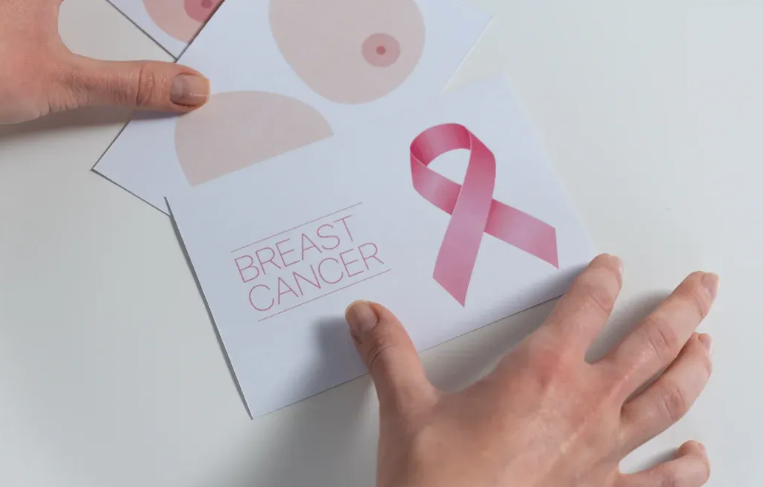
To Check Your Breasts for lumps or changes, a person uses both their eyes and hands. Self-exams remain simple and can be done at home. Most breast changes do not signal cancer, but knowing what to look for helps with early detection. In fact, 25% of breast cancers are found by self-exam, while mammography detects 65.5%.
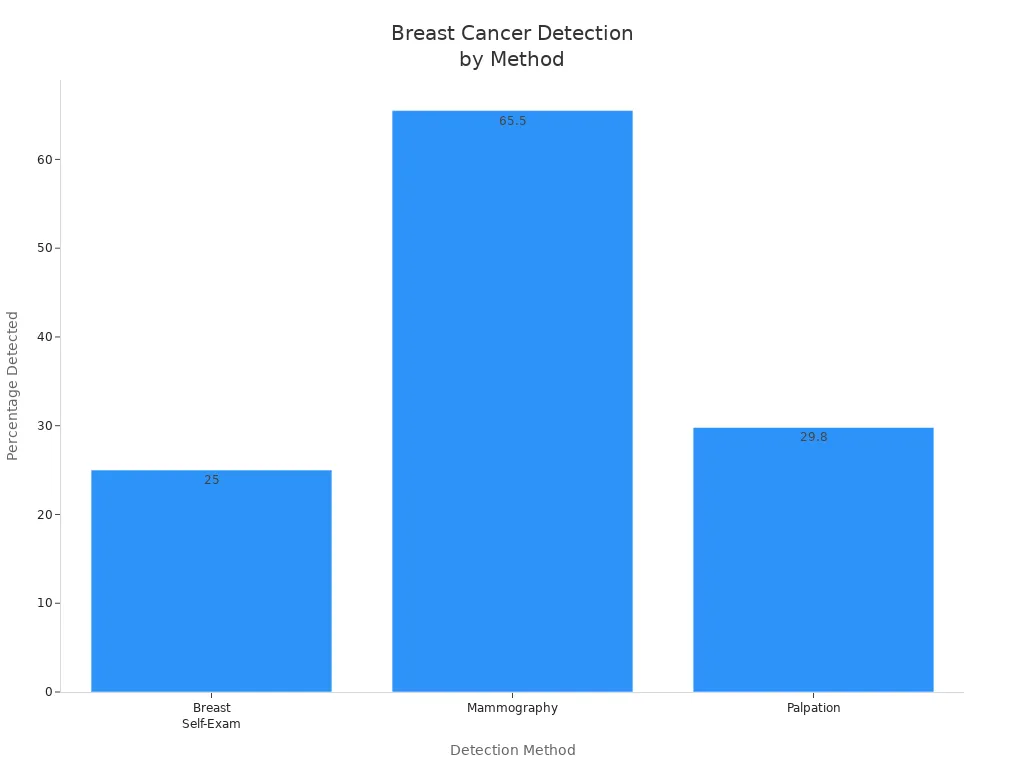
Regular self-checks build confidence and awareness. However, only 4.7% of women feel confident performing monthly self-exams, despite 66% knowing their benefits.
| Study Source | Percentage of Women Performing Self-Exams | Additional Notes |
|---|---|---|
| Study 1 | 4.7% | Confident in performing monthly self-exams |
| Study 2 | 66% | Aware of self-examination benefits |
Key Takeaways
- Regular self-exams can help detect breast changes early, potentially saving lives.
- Know your normal breast texture and appearance to spot any unusual changes quickly.
- Perform self-exams consistently, ideally 7-10 days after your menstrual period for best results.
- Use a mirror and good lighting for visual checks, and feel for lumps using the pads of your fingers.
- Track any changes in a health journal to monitor your breast health over time.
- Seek medical advice promptly if you notice any new lumps, skin changes, or unusual discharge.
- Stay informed about breast health and screening guidelines from trusted sources like the CDC and American Cancer Society.
- Adopt a healthy lifestyle, including regular exercise and a balanced diet, to support overall breast health.
Why Self-Exams Matter
Early Detection
Early detection of breast cancer can save lives. When people Check Your Breasts regularly, they may notice changes before a doctor’s visit. Many breast cancers are first found by individuals themselves. In one study, 25 out of 26 breast cancers were detected by patients during self-exams, while only one was found by a clinical exam. Other research supports this, showing that 39% of breast cancers were discovered by patients.
A real-life example highlights the importance of early detection. A young woman noticed a small lump during her routine self-check. She reported the change to her healthcare provider, who confirmed early-stage breast cancer. Because she acted quickly, her treatment was less invasive, and her recovery was faster. Stories like hers show why awareness matters.
Survival rates improve when breast cancer is found early. The table below shows how the stage of cancer affects the five-year survival rate:
| Stage of Cancer | Five-Year Relative Survival Rate |
|---|---|
| Localized | 99% |
| Regional | 86% |
| Distant | 31% |
Mammograms also play a key role in early detection. According to the Centers for Disease Control and Prevention (CDC), mammograms can reduce breast cancer deaths by 20-40% for women aged 40 to 74. Early detection, combined with better treatments, leads to higher survival rates.
Know Your Normal
Knowing what is normal for your breasts helps you spot changes early. Each person’s breasts look and feel different. Some have lumpy or uneven tissue, while others have smooth areas. Regular self-checks help you learn your unique pattern. If you notice a new lump, thickening, or change in shape, you can act quickly.
Major health organizations, such as the American Cancer Society, recommend that people become familiar with their breasts. They do not suggest routine self-exams for everyone. Instead, they advise reporting any changes to a healthcare provider right away.
Myths About Self-Exams
Many myths surround breast self-exams. Understanding the facts helps reduce anxiety and confusion.
- Monthly self-exams were once highly recommended, but recent research shows no clear benefit.
- The focus has shifted to breast self-awareness. This means knowing what is normal for you and noticing changes.
- Some believe that monthly self-exams save lives. Studies show that self-exams do not lower death rates or find cancer earlier. They can lead to worry and unnecessary tests.
- Experts now encourage people to pay attention to their breast health rather than follow a strict routine.
Tip: Follow trusted sources like the CDC on Instagram or American Cancer Society on Twitter for updates on breast health and screening.
By staying aware and informed, everyone can take charge of their breast health and act quickly if something changes.
When and How Often to Check Your Breasts
Understanding the right timing and frequency for breast self-exams helps individuals notice changes early. Health organizations such as the American Cancer Society and the American College of Obstetricians and Gynecologists emphasize self-awareness over strict routines. They advise people to know how their breasts usually look and feel, and to report any changes to a healthcare provider promptly. Routine self-exams do not lower breast cancer mortality, but self-awareness remains crucial for early detection.
Best Time Each Month
Hormonal changes during the menstrual cycle can affect breast tissue, making it feel more tender or lumpy at certain times. For the most accurate results, experts recommend the following:
- Perform a self-exam 7–10 days after the start of the menstrual period, when breasts are least tender and swollen.
- For those who do not menstruate, such as post-menopausal individuals, choose a consistent day each month, like the first day of the month, to perform the exam.
Tip: Setting a reminder on a phone or calendar can help make this a regular habit.
The table below summarizes the best timing for different groups:
| Group | Recommended Timing for Self-Exam |
|---|---|
| Menstruating individuals | 7–10 days after period starts |
| Post-menopausal individuals | Same day each month (e.g., 1st or 15th) |
| Irregular cycles | Pick a memorable date each month |
Setting a Routine
Establishing a routine increases the likelihood of noticing changes early. Consistency helps individuals become familiar with their normal breast texture and appearance. Here are some effective strategies:
- Allocate five to ten minutes for a thorough examination.
- Make self-exams a consistent part of a monthly routine, such as after a shower or before bed.
- Use a journal or a health app to track any changes or observations.
- Consult a healthcare professional if any new lumps, thickening, or changes appear.
A detailed example of setting a routine:
Maria, age 35, chooses the first Saturday of every month to Check Your Breasts. She sets a recurring reminder on her phone and spends about ten minutes after her morning shower performing a visual and physical exam. She records her findings in a notebook, noting any differences from previous months. When she once noticed a small area of thickening, she contacted her healthcare provider, who guided her through the next steps.
Monthly self-exams, combined with regular clinical screenings, support ongoing breast health. For more guidance, visit the Centers for Disease Control and Prevention or follow their updates on Instagram.
Get Ready to Check Your Breasts
Where to Do It
Choosing the right environment helps make a breast self-exam more effective and comfortable. Most people prefer to perform the exam in the privacy of their own home. This setting offers confidentiality and reduces distractions. Many find that a quiet bedroom or bathroom works best. A large mirror and good lighting help with the visual part of the exam. Some individuals feel more at ease checking their breasts during or after a warm shower, as the skin becomes softer and easier to examine.
- Private home environment
- Quiet bedroom or bathroom
- Large mirror and good lighting
- During or after a warm shower
Tip: Privacy and comfort can help reduce anxiety and make the process feel more natural.
What You’ll Need
A breast self-exam does not require special equipment, but a few items can enhance the experience and improve accuracy. Educational models, such as mini-breast models with lumps, help people learn what to feel for during practice. Some use pads designed to increase sensitivity, making it easier to notice subtle changes. Educational shower cards provide step-by-step instructions and reminders. These tools support learning and confidence, especially for those new to self-exams.
- Mirror for visual inspection
- Educational models for practice
- Sensitivity-enhancing pads
- Mini-breast models with lumps
- Instructional shower cards
A simple table summarizes helpful items:
| Item | Purpose |
|---|---|
| Mirror | Visual inspection |
| Educational model | Practice and learning |
| Sensitivity pad | Enhance touch sensitivity |
| Shower card | Step-by-step instructions |
Comfort Tips
Healthcare professionals recommend several strategies to make breast self-exams easier and less stressful. Knowing what to expect before starting can help reduce anxiety. Reminding oneself that early detection increases treatment success may provide reassurance. Practicing regularly builds familiarity and confidence. Talking with friends or family about self-exams can help normalize the process. Asking a doctor questions offers guidance and support.
- Learn what to expect before starting
- Remind yourself of the benefits of early detection
- Practice regularly to build comfort
- Discuss self-exams with others to reduce stigma
- Seek advice from healthcare providers
Note: The American Cancer Society and CDC offer additional tips and resources for breast health.
Practical Scenario
For example, Sarah decides to Check Your Breasts on the first Sunday of each month. She chooses her bathroom for privacy and uses a mirror with good lighting. She keeps an educational shower card nearby for reference. Over time, Sarah feels more confident and comfortable with the process. She talks with her doctor about any questions, which helps her stay informed and reassured.
How to Check Your Breasts
Regular self-exams help people notice changes early. Medical guidelines recommend a combination of visual and physical checks. These steps cover the entire breast, armpit, and upper chest. Each person should use the pads of three fingers and look for changes in shape, size, or skin.
Visual Check in the Mirror
A visual check helps spot changes in the appearance of the breasts. Good lighting and a large mirror make this process easier.
Hands on Hips
- Stand in front of a mirror with shoulders straight and hands on hips.
- Look at both breasts for changes in size, shape, or symmetry.
- Check for dimpling, puckering, or bulging of the skin.
- Notice if the nipples have changed position or if there is redness, soreness, or swelling.
Arms Raised
- Raise both arms overhead and look for the same changes.
- Watch for any differences in contour or movement.
- Check if either breast moves differently or if the skin pulls in any area.
- Examine the nipples for any signs of fluid, such as watery, milky, or yellow discharge.
Tip: Use a phone or camera to take a photo each month. Comparing images can help track subtle changes over time.
Physical Check Lying Down
Lying down spreads the breast tissue evenly, making it easier to feel all areas.
Using Three Fingers
- Lie flat on your back.
- Place a pillow or folded towel under your right shoulder.
- Put your right arm behind your head.
- Use the pads of your left hand’s three middle fingers to feel your right breast.
- Move your fingers in small, gentle circles.
- Apply light, medium, and firm pressure to feel different layers of tissue.
Covering All Areas
- Start at the collarbone and move down to the top of the abdomen.
- Move from the center of the chest out to the armpit.
- Check the entire breast, including the area under the armpit and up to the collarbone.
- Switch sides and repeat for the left breast.
Note: Cover every part of the breast, armpit, and upper chest. Breast tissue extends into these areas.
Physical Check in the Shower
Many people find it easier to Check Your Breasts when their skin is wet and slippery. The shower provides privacy and comfort.
Technique Tips
- Stand in the shower with skin wet and soapy.
- Raise your right arm above your head.
- Use the pads of your left hand’s three fingers to check your right breast.
- Move in a circular pattern, covering the entire breast and armpit.
- Apply light, medium, and firm pressure.
- Repeat on the left side.
Callout: Most lumps or changes are not cancer. However, reporting any new findings to a healthcare provider is important. For more information, visit the American Cancer Society or follow the CDC on Instagram.
Case Study
Maria, age 36, performed her monthly self-exam after a shower. She noticed a small, firm lump near her armpit. She had never felt it before. Maria scheduled an appointment with her doctor. The lump turned out to be a benign cyst, but her quick action gave her peace of mind and valuable information about her breast health.
Table: Common Findings During Self-Exam
| Finding | Description | Action Needed |
|---|---|---|
| Lump or thickening | Hard or firm area | Monitor, call provider if new |
| Skin dimpling | Skin looks puckered or uneven | Call provider |
| Nipple changes | Inversion, rash, or discharge | Call provider |
| Redness or swelling | Unusual color or warmth | Call provider |
| Pain | Persistent, localized discomfort | Monitor, call if persistent |
Statistics: Studies show that most breast changes are benign. About 80% of lumps are not cancerous.
Helpful Resources
- CDC: Breast Cancer Screening
- American Cancer Society on Twitter
- National Breast Cancer Foundation on Facebook
People should Check Your Breasts monthly and report any changes to a healthcare provider. Early detection saves lives and supports better outcomes.
What’s Normal vs. Warning Signs
Normal Breast Feel
Breast tissue varies greatly from person to person. Many people notice that their breasts feel lumpy or nodular, especially at certain times of the month. This texture often changes with hormonal cycles and age. Some common characteristics of normal breast tissue include:
- Nodular or lumpy areas that may shift over time
- Granular texture that feels uneven in places
- Noticeable differences between the left and right breast
- Changes in firmness or sensitivity during the menstrual cycle
These features usually do not signal a problem. Most people find that their breasts have a unique pattern that stays consistent over time. Regular self-exams help individuals recognize what feels normal for them.
Common Benign Changes
Many breast changes are benign, meaning they are not cancerous. These conditions often cause lumps, discomfort, or changes in texture. The table below outlines some of the most common benign breast changes and their implications:
| Benign Condition | Description | Cancer Risk Implication |
|---|---|---|
| Fibroadenomas | Firm, smooth, rubbery lumps made of glandular and connective tissue | Slightly increases risk, usually not treated |
| Cysts | Fluid-filled sacs that may feel tender or fluctuate in size | Do not increase risk, often resolve on their own |
| Fibrocystic changes | Lumpy, dense tissue often linked to hormonal changes | Do not increase risk, common in childbearing age |
| Atypical hyperplasia | Irregular cells that may increase cancer risk significantly | Requires monitoring or removal |
| Intraductal papillomas | Small growths inside breast ducts, sometimes causing discharge | May require removal if suspicious |
About 80% of breast lumps that undergo biopsy turn out to be benign. This means most lumps are not cancerous, but any new or unusual finding should be checked by a healthcare provider.
Warning Signs
Some changes in the breast may signal a more serious problem. People should pay attention to the following warning signs and seek medical advice if they notice any of them.
Lumps or Thickening
- New lump or area of thickening in the breast or underarm
- Lump that feels different from the rest of the breast tissue
- Persistent lump that does not go away after a menstrual cycle
Skin or Nipple Changes
- Change in breast shape or size
- Dimpling, puckering, or redness of the skin
- Nipple turning inward, developing a rash, or changing position
Unusual Discharge
- Nipple discharge that is clear, bloody, or occurs without squeezing
- Discharge from only one nipple
🚩 If any of these warning signs appear, schedule a visit with a healthcare provider as soon as possible. Early evaluation can make a significant difference.
For more information on breast health and warning signs, visit the Centers for Disease Control and Prevention or follow the American Cancer Society on Twitter.
People who Check Your Breasts regularly become more familiar with their normal pattern and can spot changes early.
What to Do If You Find a Change
Discovering a change during a breast self-exam can feel unsettling. Taking the right steps helps ensure proper care and peace of mind. This section explains when to monitor a change, when to contact a healthcare provider, and how to prepare for a medical visit.
When to Watch
Not every lump or change signals a serious problem. Many benign conditions cause temporary changes in breast tissue. People should monitor any new lump or area of thickening for one full menstrual cycle. If the change disappears after the next period, it likely relates to hormonal shifts. However, if the change remains or grows, further evaluation becomes important.
Tip: Keep a journal to track the size, location, and feel of any new lump or change. Note any additional symptoms, such as pain or skin changes.
People should remain familiar with their breasts starting at age 20. If a change appears during a shower or at any time, they should not ignore it. Open communication with a healthcare provider during the watch-and-wait period supports better outcomes.
When to Call Your Doctor
Certain warning signs require prompt medical attention. If any of the following symptoms appear, contact a healthcare provider immediately:
| Warning Signs to Contact Your OBGYN |
|---|
| A new lump or firm area |
| Changes in breast shape or size |
| Persistent swelling or warmth |
| Skin changes such as dimpling, puckering, redness, or flaking |
| Nipple turning inward or changes in direction |
| Nipple discharge not related to breastfeeding |
Other symptoms that need urgent care include:
- Uncontrollable bleeding
- Signs of infection, such as fever or redness
- Difficulty breathing or swallowing
- Sudden dizziness or fainting
- Severe chest, abdominal, or pelvic pain
Every case is unique. A healthcare provider will assess the situation and recommend the next steps. If any symptoms worsen or new concerns arise, reach out for further evaluation.
Talking to Your Provider
Preparing for a medical visit helps ensure a productive conversation. Before the appointment, gather important information:
- Collect previous mammograms, ultrasounds, MRIs, or pathology reports.
- List all symptoms, medical history, family history of breast cancer, and current medications.
- Prepare questions to ask during the visit.
- Bring a support person if needed.
- Check insurance coverage and plan the schedule.
Note: Open and honest communication with a healthcare provider leads to better care. No question is too small when it comes to breast health.
People who Check Your Breasts regularly and act on changes support early detection and better outcomes. For more information, visit CDC Breast Cancer Symptoms or follow updates from the American Cancer Society on Twitter.
Ongoing Breast Awareness
Keep a Health Journal
A health journal helps individuals track changes in their breasts over time. By writing down observations after each self-exam, a person can notice patterns or new developments. Recording the date, time, and any findings—such as lumps, pain, or skin changes—creates a useful reference for future exams. Many people use a notebook, a calendar, or a secure health app for this purpose.
📝 Tip: Consistent notes make it easier to remember details during doctor visits. A journal can also help identify if a change is related to the menstrual cycle or if it persists.
A sample journal entry might look like this:
Date: March 5
Right breast: No changes, feels normal
Left breast: Slight tenderness near armpit, no lump
Other notes: Period started three days ago
Over time, this habit builds confidence and supports better communication with healthcare providers.
Stay Informed on Screenings
Staying updated on breast cancer screening guidelines ensures timely and appropriate care. Recommendations may change based on age, risk factors, and family history. Several major health organizations provide guidance on when to start and how often to get mammograms.
- The U.S. Preventive Services Task Force recommends mammograms every two years for women ages 40 to 74.
- The American Cancer Society suggests starting annual screenings at age 45, switching to every two years at age 55.
- The American College of Obstetricians and Gynecologists advises beginning at age 40, with screening at least until age 75, based on shared decision-making.
- The American College of Radiology recommends yearly screenings starting at age 40 and continuing as long as a person remains healthy.
📅 Note: Individuals with higher risk, such as those with a family history of breast cancer, may need to start earlier or screen more often. Discuss personal risk factors with a healthcare provider to create a tailored plan.
For the latest updates, follow trusted sources like the CDC on Instagram or the American Cancer Society on Twitter.
Support Your Health
Healthy lifestyle choices play a key role in breast health. Research links certain habits to a lower risk of breast cancer. The table below summarizes important factors and their associations:
| Lifestyle Factor | Association with Breast Health |
|---|---|
| Physical Activity | Reduces breast cancer risk |
| Healthy Lifestyle Score | Associated with lower breast cancer incidence |
| Breastfeeding | Protective effect against breast cancer |
| Weight Management (Postmenopausal) | Significant in reducing breast cancer incidence |
Simple steps can make a difference. Regular exercise, balanced nutrition, and maintaining a healthy weight support overall wellness. Breastfeeding, when possible, offers added protection. Individuals should also avoid smoking and limit alcohol intake.
🌱 Callout: Small, consistent changes in daily habits can improve breast health and overall well-being.
Ongoing breast awareness means staying proactive, informed, and engaged with personal health. These habits empower individuals to take charge of their breast health for years to come.
Regular self-exams help individuals understand what feels normal for their breasts. Most changes do not signal cancer, but a doctor should check any new findings. The table below highlights why self-exams matter for different groups:
| Evidence Type | Description |
|---|---|
| High-Risk Women | Self-exams benefit those with family history or genetic mutations. |
| Self-Care Practice | Many view self-exams as a positive step for breast health awareness. |
| Health Literacy | Tailored education supports better outcomes for all backgrounds. |
Ongoing awareness and open conversations with healthcare providers offer long-term benefits:
- Support for emotional and physical needs during recovery
- Early discussions about reproductive health
- Access to resources for survivorship
Everyone can take charge of breast health by staying informed and proactive.
FAQ
How often should someone perform a breast self-exam?
Health experts recommend monthly self-exams. Regular checks help individuals notice changes early. The American Cancer Society suggests focusing on breast awareness rather than a strict schedule.
What does a normal breast feel like?
Normal breast tissue often feels lumpy or uneven. Texture can change with age or menstrual cycles. Each person’s normal is unique. Consistent self-exams help identify what feels typical.
Are all breast lumps cancerous?
No, most breast lumps are benign. About 80% of lumps are not cancer. Common causes include cysts or fibroadenomas. Any new lump should be checked by a healthcare provider.
What should someone do if they find a lump?
They should monitor the lump for one menstrual cycle. If it persists, grows, or causes concern, they should contact a healthcare provider. Early evaluation supports better outcomes.
Can men get breast cancer?
Yes, men can develop breast cancer. It is rare but possible. Men should report any lumps, pain, or nipple changes to a healthcare provider. Learn more at the CDC.
Does breast pain mean cancer?
Breast pain rarely signals cancer. Hormonal changes, injury, or benign conditions often cause discomfort. Persistent or severe pain should be discussed with a healthcare provider.
At what age should someone start self-exams?
Experts suggest starting in the early 20s. Early self-awareness helps individuals recognize changes. Clinical screenings become more important with age and risk factors.
Where can someone find reliable information about breast health?
Authoritative sources include the CDC, American Cancer Society, and National Breast Cancer Foundation. Social media accounts from these organizations provide updates and tips.