Premature ejaculation is one of the most searched-for concerns in men’s health — and one of the least talked about out loud. If you’ve ever found yourself spiraling through forums or late-night search results trying to figure out how to last longer without drugs, you’re far from alone. The silence around this topic doesn’t reflect its rarity; it reflects how much shame still surrounds a problem that is, at its core, a biological one.
According to various studies, approximately 30% of men experience premature ejaculation at some point in their lives — making it the single most common male sexual dysfunction. That’s roughly one in three men. Not a niche struggle. Not a personal failing. A widespread physiological response that millions of people quietly wrestle with.
Understanding why it happens starts with the nervous system. Ejaculation is essentially a reflex — a rapid-fire cascade of signals between the genitals, the spinal cord, and the brain. When stimulation reaches a certain threshold, the body triggers what’s called ejaculatory inevitability: the point of no return. For some men, that threshold is lower, whether due to genetics, heightened penile sensitivity, anxiety, or years of rushed solo habits that trained the nervous system to respond quickly. It isn’t weakness — it’s wiring.
The good news is that wiring can be retrained. Reclaiming control isn’t about willpower or distraction tricks; it’s about understanding the mechanics behind the reflex and addressing them through a layered approach — mind, body, and the right tools. As male wellness conversations have shifted from taboo to practical, so have the solutions available. To really understand where to intervene, though, it helps to look closely at what’s happening inside your body the moment things escalate faster than you’d like.

The Science of Sensation: Why Your Body Hits the Limit
Understanding why you finish so fast starts not with willpower, but with anatomy. The glans — the head of the penis — contains one of the densest concentrations of nerve endings in the human body, making it exquisitely sensitive to friction, pressure, and warmth. Key Concept: Overstimulation isn’t a character flaw. It’s a predictable physiological response to nerve-rich tissue receiving more input than the brain can regulate.
The threshold problem. Every man has an ejaculatory threshold — a point beyond which the body’s response becomes automatic. As stimulation builds, signals from the penile nerves travel to the spinal cord and trigger what sex researchers call ejaculatory inevitability: the moment where climax can no longer be consciously stopped. At this stage, a reflex arc has already fired. Awareness arrives too late.
What makes this threshold so easy to cross is the sheer density of mechanoreceptors concentrated in the frenulum and glans. These receptors respond rapidly to rhythmic stimulation, flooding the nervous system with escalating feedback. In practice, men who are more sensitive in these specific zones reach that point of no return faster — not because anything is “wrong,” but because their nerve pathways are doing exactly what evolution designed them to do.
Dampening the signal, not the pleasure. The more productive question isn’t “why is this happening?” but “how do I change the input?” According to a study published in the Journal of Sexual Medicine, topical desensitizing agents reduce nerve sensitivity in the glans without eliminating sensation entirely — effectively lowering the volume without switching off the music. The same principle applies to controlled stimulation tools that modulate intensity, letting users train their threshold over time.
Understanding these physiological mechanics is the foundation for every effective technique — including the behavioral methods that directly interrupt the reflex arc before inevitability takes hold.
Mastering the ‘Stop-Start’ and Squeeze Techniques
Learning how to control ejaculation and last longer starts with two clinically validated methods that cost nothing and can genuinely rewire your body’s response over time.
Both the Stop-Start Method and the Squeeze Technique are recognized behavioral therapies backed by the National Health Service as effective first-line interventions for premature ejaculation. Rather than suppressing arousal entirely, they work by training your nervous system to recognize — and back away from — the “point of no return” discussed in the previous section.
The Stop-Start Method is essentially endurance training for your arousal response. Here’s how it works in practice:
- Begin stimulation — alone or with a partner — and bring yourself to roughly 80% of your arousal threshold.
- Stop all stimulation completely. Breathe slowly and let the urgency subside by about 50%.
- Resume stimulation and repeat the cycle three or four times before allowing climax.
- Over several weeks, gradually increase how close to the edge you allow yourself to get before pausing.
This process — often called edging — functions like interval training. Each cycle stretches your tolerance window a little further, effectively resetting your internal clock for when climax feels inevitable.
The Squeeze Technique adds a physical component. At the moment you feel ejaculation approaching, apply firm pressure to the area just below the glans — the ridge where the head meets the shaft — for about 10–20 seconds. This interrupts the ejaculatory reflex without killing arousal entirely. You can explore how partners can apply the squeeze technique together, which builds communication alongside endurance.
Used consistently — three to five sessions per week — both methods gradually shift your baseline. The goal isn’t to feel less; it’s to feel more without losing control. As you build this behavioral foundation, the next logical step is understanding how physical tools can support and amplify that progress.
Physical Tools: The Role of Constriction and Suction
Physical stamina tools are among the most underused yet clinically supported options available to men who want to maintain control and firmness during intimacy.
Constriction rings work by trapping blood in the erectile tissue, preventing it from flowing back out too quickly. As a study from the Cleveland Clinic notes:
“Cock rings work by restricting the outflow of blood from the penis, which can result in a firmer, longer-lasting erection and may help delay ejaculation.”
That dual benefit — sustained rigidity and delayed finish — makes constriction rings genuinely functional rather than gimmicky. A firmer erection often means more confidence, and that confidence loop alone can reduce the anxiety-driven rush that causes many men to finish prematurely.
Physical barriers — including condoms with desensitizing liners or standard latex — reduce the intensity of direct friction against the glans. Since the head of the penis is the most densely nerve-packed zone (as covered in the first section), any reduction in direct contact there buys meaningful time without numbing the experience entirely.
Multi-functional devices that incorporate vibration or suction introduce an interesting physiological advantage: repeated exposure to high-arousal stimulation trains the nervous system to tolerate it longer before crossing the ejaculatory threshold. Think of it as a controlled desensitization process. Practicing with varied stimulation — including during solo sessions — helps habituate the body so it isn’t overwhelmed in partnered contexts. Exploring different stimulation patterns during self-pleasure is one practical way to build that tolerance over time.
The key framing here is performance enhancement, not compensation. Just as athletes use gear to optimize output, these tools support better physical responses. And when combined with the right technique and pacing, they set the stage for the next lever of control — choosing positions that structurally work in your favor. The best positions to last longer pair naturally with these tools for compounding results.
Stamina-Boosting Positions for Better Control
One of the most overlooked answers to how to last longer without drugs without drugs is already built into every intimate encounter — it’s simply a matter of where you are and how you move. According to Sexual Wellness Research, changing positions can provide a natural “reset” for the nervous system, momentarily lowering arousal levels, and giving you a genuine window to regain control. Modified Missionary is a strong starting point for men who want to reduce intensity without disrupting momentum. By shifting weight onto the forearms and keeping penetration shallower, this variation significantly reduces deep friction — the primary driver of rapid escalation. The shallower the angle, the more control you retain. Pairing this with slow, deliberate breathing turns position choice into an active stamina strategy rather than a passive one.
Partner-on-top positions offer a different kind of advantage: they transfer the pacing entirely. When your partner controls the rhythm and depth, your nervous system has fewer competing inputs to manage. This allows you to focus on sensation awareness — a core principle from the stop-start technique covered earlier — rather than fighting against your own momentum. Many men find this position shift alone adds several minutes to their endurance.
Spooning (side-lying, rear-entry) is arguably the most underrated option. The reduced penetration depth and slower, rocking motion lower physical intensity considerably, making it ideal for deliberate “cool-down” intervals mid-session. Think of it as a tactical pause that doesn’t break the connection. For couples interested in exploring deeper intimacy positions, spooning also creates comfortable access angles worth experimenting with.
Integrating breaks doesn’t mean stopping — it means switching. Moving between positions every few minutes naturally interrupts arousal peaks before they become irreversible. That brief transition is all the nervous system needs to recalibrate. Beyond physical mechanics, what you put into your body plays a surprisingly large role in how long you can sustain that control — which is exactly where we’ll turn next.
The Performance Diet: Foods and Supplements for Endurance
What you eat directly shapes how your body performs under pressure — and for men exploring premature ejaculation remedies, nutrition is one of the most underrated long-term strategies available.
Zinc and Magnesium are the two minerals most directly tied to sexual stamina. Zinc supports healthy testosterone production, while Magnesium plays a critical role in both muscle contraction and neurological signaling during sexual activity — according to Hims and Medical News Today. Low levels of either mineral can quietly undermine nerve function and hormonal balance, making control harder to maintain even when your technique is solid.
Blood flow is the other pillar of dietary performance. Leafy greens like spinach, arugula are rich in nitrates, which the body converts into nitric oxide — a compound that relaxes blood vessels, and improves circulation. The amino acid L-arginine, found in foods like turkey, pumpkin seeds, chickpeas, works through a similar pathway, supporting sustained firmness, and responsiveness where it counts. Just as important is knowing what to avoid. Excessive alcohol blunts nerve sensitivity and disrupts hormonal signaling, while heavy, high-fat meals before intimacy redirect blood flow toward digestion rather than sexual function. Being mindful of your body’s signals in the hours leading up to a sexual encounter can make a meaningful difference.
Power Foods to work into your regular diet:
- Pumpkin seeds — high in zinc and L-arginine
- Spinach — nitrate-rich for improved blood flow
- Bananas — potassium supports muscle function and stamina
- Dark chocolate — flavonoids boost circulation
- Oysters — one of the highest dietary zinc sources available
- Walnuts — omega-3s support vascular health
One important caveat: diet is a long-game strategy, not a quick fix. Nutritional shifts take weeks to register meaningful physiological change. Think of food as the foundation that makes every other tool — mechanical, behavioral, or technological — more effective. Speaking of technology, the right devices can accelerate that training process in ways diet alone never could.
Integrating High-Tech Devices into Your Routine
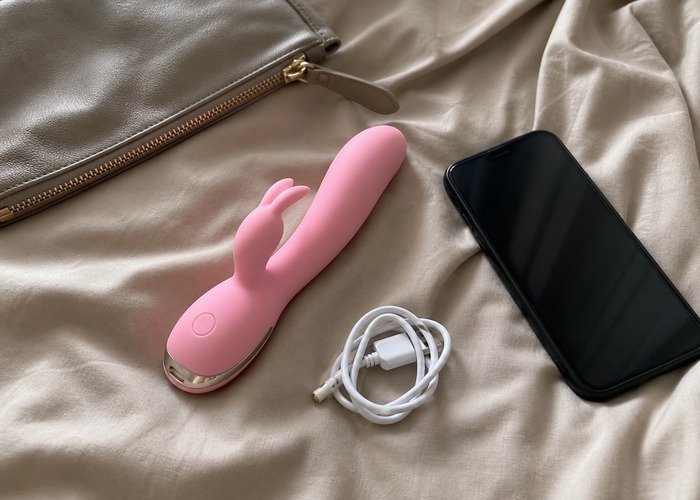
Modern sexual wellness technology offers a genuinely practical path for men who want a consistent, low-pressure environment to build stamina, and sensory control. Sensory tolerance training is one of the most compelling use cases for advanced devices. Tools that combine flapping and vibration modes — including multi-motor designs that cycle through intensity patterns — expose the body to varied stimulation in a controlled way. According to the Kissself Technology Overview, advanced sexual wellness devices now combine mechanical features like flapping and suction to deliver multi-sensory stimulation that goes well beyond what manual practice can replicate. Repeated exposure to these layered sensations gradually raises your arousal threshold, which is the physiological foundation of lasting longer.
Heating elements add another dimension that’s easy to underestimate. Warmth applied to the pelvic region helps relax involuntary muscle tension — the same tension that often accelerates climax. Devices with built-in thermal features create a more realistic environment while also encouraging the pelvic floor to stay loose rather than bracing, which directly supports the relaxation techniques covered earlier in this guide.
> The Future of Stamina is programmable: automated devices remove the inconsistency of manual stimulation, giving you a repeatable training session every time.
Consistent training conditions matter because the nervous system learns through repetition. Automated masturbators maintain steady rhythm and pressure without fatigue, making each session a reliable data point rather than a variable one. That consistency accelerates the neurological adaptation behind real stamina gains.
Discreet, premium design also plays an underrated psychological role. When a device feels well-crafted and looks unremarkable on a shelf, it reduces the low-level shame that can interrupt mindful practice. If you’re navigating the conversation with a partner, talking through new tools openly often dissolves hesitation faster than expected. With the right device integrated into a broader routine, you’re ready to pull everything together — which is exactly what the final action plan addresses.
The Bottom Line: Your Stamina Action Plan
Lasting longer isn’t about willpower alone — it’s the result of layering the right behavioral tools, physical aids, and consistent practice into a cohesive routine.
The most reliable path forward combines multiple approaches rather than betting everything on a single fix. Research from the ISSM confirms that a combination of behavioral therapy and topical aids produces better outcomes than either method used in isolation. That finding aligns with everything covered throughout this article: no single technique operates in a vacuum.
Behavioral training is your foundation. The Stop-Start method and progressive arousal control drills give your nervous system a new baseline to work from. These aren’t quick fixes — they’re skill-building exercises that compound over time. In practice, most men notice meaningful improvement within four to six weeks of consistent solo sessions.
Physical aids accelerate that progress. Delay sprays reduce sensitivity without numbing sensation entirely, while quality rings help manage blood flow and extend duration. Pairing these tools with devices designed to replicate realistic stimulation means your training sessions more closely mirror real-world conditions — which directly translates to better partner experiences.
Solo practice before partner play is a step many men skip, usually to their detriment. Building confidence in a low-pressure environment allows you to internalize techniques without the added anxiety of performance expectations. Think of it as rehearsal, not a replacement.
Professional support remains the most underused option in this space. If persistent symptoms cause significant distress or strain a relationship, a urologist or certified sex therapist can rule out physiological contributors and personalize a treatment plan that goes beyond what any self-guided routine can offer.
As you’ve worked through each layer of this strategy — from diet and devices to behavioral drills — you’ve likely collected several questions along the way. The next section addresses the most common ones directly.
Common Questions About Lasting Longer (FAQ)
Building real, lasting stamina means understanding the fundamentals — and that starts with getting clear answers to the questions most men are too hesitant to ask.
Can I last longer without medication?
Absolutely. Behavioral techniques like the stop-start method, the squeeze technique, and focused breathwork can meaningfully extend duration without a single prescription. Physical tools — including delay products and constriction rings — offer additional non-pharmaceutical support that many men find highly effective in practice. Does a cock ring actually do anything? Yes, and the mechanism is straightforward. By gently restricting venous blood flow out of the penis, a well-fitted ring helps maintain a firmer erection for longer and can reduce hypersensitivity during stimulation. The result is a modest but real extension in endurance for many users — making it one of the more practical low-cost tools available.
How long is “normal,” anyway?
This is one of the most loaded questions in men’s sexual health, and the honest answer is: it varies widely, and duration alone is a poor measure of success. The real goal is mutual satisfaction — not hitting an arbitrary number of minutes. In practice, focusing on connection, technique, and responsiveness to a partner matters far more than the clock.
Are there specific exercises that help?
Yes. Pelvic floor exercises — commonly called Kegels — are clinically recognized as an effective way to build ejaculatory control. According to a study published in the Journal of Sexual Medicine, strengthening the pelvic floor muscles can give men significantly better command over the ejaculatory reflex. Consistency is key: most men see noticeable improvement after several weeks of daily practice.
The bottom line is that lasting longer is a skill, not a fixed trait — and with the right tools, it’s well within reach.