Long-distance couples have never had more tools to stay connected — and yet, for millions of them, something essential is still missing.
Screens bridge the distance visually, but they cannot bridge it physically. That gap turns out to matter enormously. Researchers studying intimacy in long-distance relationships over video chat found that while digital communication sustains emotional bonds, it consistently falls short of replicating the tactile dimension of togetherness. This isn’t a minor inconvenience — it’s a fundamental ceiling built into visual-only connection.
Skin hunger is the clinical term for the craving of physical touch, and it operates independently of how much couples talk, text, or see each other on screen. Paradoxically, seeing a partner’s face through a video call can heighten awareness of their absence rather than ease it. The visual cue triggers the expectation of touch — and when that touch doesn’t come, the frustration intensifies. As Dr. Justin Lehmiller of The Kinsey Institute has noted, “The lack of physical touch is often cited as one of the most difficult aspects of long-distance relationships; technology that mimics touch can significantly reduce feelings of isolation.”
That insight is driving a meaningful shift in how long-distance couples approach intimacy — moving from passive observation toward active, shared physical experiences. Rather than simply watching each other, partners increasingly want to feel something together in real time. This is exactly the need that haptic feedback technology is beginning to answer.
The concept that makes this possible has a name: teledildonics — the technology of transmitting touch across distances through internet-connected devices. It represents the next genuine evolution in digital intimacy, and understanding how it works reveals why so many couples are making the switch from passive video calls to something far more connected.
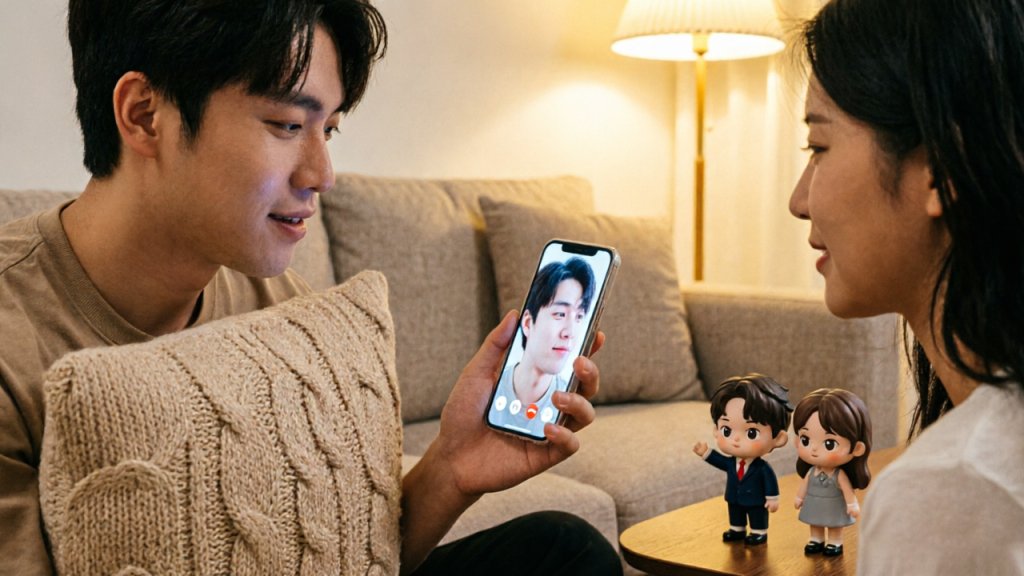
The Science of Teledildonics: How Distance Play Actually Works
App-controlled long distance toys do more than replicate touch — they encode it, transmit it, and reconstruct it on the other side of the world in real time.
Teledildonics converts digital input signals into precise physical vibrations, pulses, and pressure changes, allowing one partner’s touch or app command to manifest as a tangible sensation for the other. As the International Society for Sexual Medicine explains, this process effectively bridges the physical gap by translating data into feeling — a concept that sounds futuristic but is already embedded in consumer-grade hardware available today.
How It Works — The Signal Chain
When Partner A adjusts a slider in a companion app, here’s what actually happens:
- Encryption layer: The command is wrapped in end-to-end encrypted data packets, protecting intimacy from third-party exposure
- Transmission: The encrypted signal travels via Bluetooth (short range) or Wi-Fi/LTE (cross-country or global), depending on the device’s protocol
- Motor response: The receiving device’s onboard processor decodes the signal and fires its haptic motors at the exact intensity and pattern specified — typically within milliseconds
- Feedback loop: Many devices send back biometric or response data, creating a closed loop where both partners feel genuinely present in the exchange
This closed loop is what separates teledildonics from passive consumption. One partner isn’t just watching — they’re actively causing sensation, and that distinction carries real emotional weight.
Latency is where cheap hardware fails. A delay of even 300–500 milliseconds breaks the illusion of presence, reducing an intimate moment to something that feels more like a glitchy video call than shared touch. High-end devices prioritize low-latency protocols and stable connections precisely because the technology’s emotional payoff depends on near-instant response. If you’re new to navigating these features, understanding how app-connected devices are operated can significantly reduce setup friction and get couples to the good part faster.
That reliability gap between budget and premium hardware is worth examining more closely — and it’s exactly where the conversation around investment starts to get interesting.
Why High-End App-Controlled Toys Are a Relationship Investment
Premium app-controlled devices have moved well beyond novelty status — for couples navigating long distance relationship intimacy, they’re becoming as essential as a reliable Wi-Fi connection.
Research supports this claim. Research published in The Journal of Sex & Marital Therapy found that long-distance couples who use interactive technology report an 18% higher satisfaction rate regarding their sexual intimacy compared to those who rely solely on passive communication tools. That single statistic reframes the purchase entirely. This isn’t discretionary spending on a gadget — it’s a measurable investment in relationship health.
Connectivity is where budget alternatives consistently fall short. In practice, low-cost devices frequently struggle with the demands of real-time, long-range control. Common failure points include:
- Latency spikes that break the sense of synchrony between partners
- Unstable Bluetooth-to-app handoffs that drop connection mid-session
- Poor battery performance that cuts intimacy short at the worst possible moment
Each of these failures does more damage than a missed notification. They interrupt a moment that both partners invested emotional energy to create, and over time that frustration erodes willingness to try again. Premium devices solve these problems at the hardware level, which is why the price gap is justified by reliability alone.
The psychological aspect is equally important. When a partner can feel the other person’s input — a shift in intensity, a deliberate pause — the device stops being a toy and starts functioning as a genuine point of presence. Some app-enabled designs have been specifically engineered to carry that sense of agency across distance, making the interaction feel mutual rather than one-sided.
That quality of mutual presence depends heavily on one underappreciated factor: the app itself. Which is exactly where the next conversation needs to happen.
Navigating the Best Apps for Long-Distance Play in 2026
The app powering your device is as important as the hardware itself — for long distance couple toys, a weak or poorly designed control interface can undermine even the most sophisticated vibration technology.
So what separates a genuinely useful app from a frustrating one? Three qualities consistently rise to the top: low latency, an intuitive UI, and airtight privacy. Latency — the delay between a partner’s input and the device’s response — is especially critical. Even a two-second lag can break the sense of real-time connection that makes remote play feel intimate rather than mechanical. The best apps in 2026 keep response times under half a second, regardless of geographic distance.
Must-Have App Features to Look For:
- Global partner control — seamless handoff that works across time zones and international networks, not just local Bluetooth range
- Custom vibration pattern builder — lets partners create and save personalized sequences, adding a layer of personalization to every session
- Media sync — the ability to pair vibrations to audio or video, turning a shared playlist or video call into a fully sensory experience
- In-app messaging and video — keeps communication in one private environment rather than bouncing between platforms
- Haptic feedback for the controlling partner — so both people feel engaged, not just one
Some apps now integrate directly with video platforms, syncing intensity to voice tone or music tempo. This kind of app-connected sensory pairing is expanding rapidly across product categories, making the software ecosystem increasingly central to the overall experience.
⚠️ Security Warning: Never use an intimate device app that lacks end-to-end encryption. As the International Society for Sexual Medicine notes, modern smart toys transmit real-time behavioral data over Bluetooth or Wi-Fi — unencrypted signals expose deeply personal information to potential interception. Encrypted apps aren’t a luxury; they’re a baseline requirement.
Of course, even the most feature-rich app is only as effective as the comfort level both partners bring to using it — which is exactly where the conversation needs to go next.
Overcoming the ‘Awkward’ Phase: Introducing Toys to Your LDR
Knowing how to maintain intimacy in a long distance relationship isn’t just about frequency — it’s about building the confidence to suggest new experiences without making things weird.
The conversation itself is the first act of intimacy. Bringing up app-controlled play doesn’t have to feel clinical or transactional. A natural starting point is framing it as curiosity rather than a directive — something like “I’ve been reading about couples using connected devices, and I’m kind of intrigued. What do you think?” This low-pressure approach signals openness without pressure. Research on long-distance texting consistently shows that couples who communicate openly about their needs report higher relationship satisfaction, which applies directly to conversations around physical intimacy tools.
Boundaries come before buttons. Before either partner downloads the app or unboxes anything, take 15–20 minutes on a video call to walk through what feels exciting and what feels off-limits. Agree on a simple signal — a word or emoji — that means “pause.” This kind of pre-play alignment transforms a potentially awkward setup into a shared act of trust.
When it comes to the first technical session, small logistical steps matter more than people expect. A few practical approaches:
- Test the connection independently before a scheduled session to rule out Bluetooth or Wi-Fi issues
- Choose a low-stakes evening — not a birthday or anniversary where pressure is already high
- Start with basic, lower-intensity settings to build comfort; exploring haptic feedback options together adds a playful discovery element
Finally, keep the toy in its proper role: a supplement to emotional connection, not a substitute for it. The device creates a shared sensory moment — the relationship gives that moment meaning. As these tools evolve further, the technology itself is beginning to adapt to that understanding in genuinely remarkable ways.
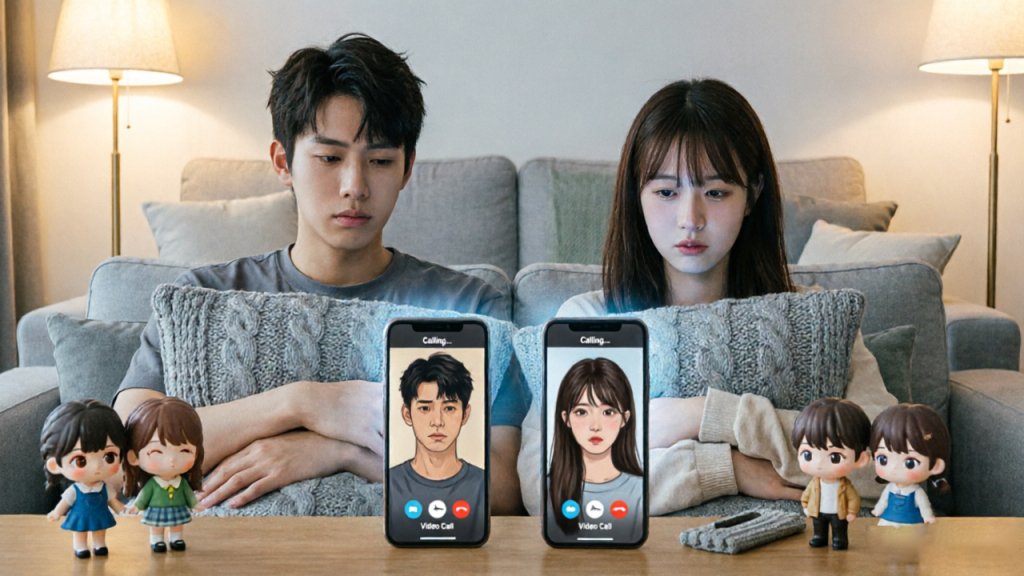
The Future of Intimacy: AI and Sustainable Smart Design
The next frontier for app-controlled toys isn’t just better connectivity — it’s devices that actively learn, adapt, and last.
AI-driven personalization is redefining what “smart” actually means. Early connected toys offered remote control as the headline feature. The emerging generation goes further, using machine learning to map a partner’s response patterns over time — adjusting intensity, rhythm, and timing based on behavioral data rather than manual input. What this creates, in practice, is a feedback loop where the device becomes more attuned with each session, moving closer to something that genuinely responds to individual preference rather than generic presets.
Alongside smarter software, material quality is finally getting the attention it deserves. According to HKTDC Sourcing Research, AI toys are leveraging sustainable design to break through the global market as a new category of intelligent companionship — and that framing matters. It signals a deliberate shift away from cheap, disposable novelties toward products engineered for longevity. Body-safe silicone, precision motors, and durable charging systems aren’t just comfort upgrades; they’re what make a device worth owning for years rather than months. For a deeper look at what separates quality builds from budget alternatives, this breakdown of body-safe material standards is worth reading before any purchase decision.
The new standard of quality is a device that evolves with you — not one you replace every year.
Kissself sits squarely in this forward-looking category. Its product line integrates haptic feedback, adaptive controls, and inclusive design features built for diverse intimacy needs, including solo and partnered use across different body types and relationship configurations. The mechanical innovation behind robotic motion embedded in newer devices signals where the entire category is heading.
If these developments raise practical questions — about compatibility, security, or what happens when the connection drops — those answers are worth addressing directly.
Common Questions About Long-Distance Smart Toys (FAQ)
Distance play raises real, practical questions — and getting clear answers upfront makes the experience far less intimidating for both partners.
Do both partners need to own the same toy?
Not necessarily. Many app-controlled vibrators are designed to work in pairs — one partner wears or uses a receiver device while the other controls it through a shared app. However, some platforms allow one partner to control a device while the other simply uses the app to send patterns or feedback. Matching devices do tend to create a more synchronized experience, but mismatched setups can still build genuine connection.
How far away can my partner be to control the device?
Distance is essentially unlimited. High-end devices typically offer Global Control modes that work anywhere with an internet connection, regardless of physical distance, according to Kissself Product Engineering. Whether your partner is in the next city or on the other side of the world, latency is the only variable — and premium hardware minimizes even that.
Are these apps safe from hackers?
Security varies significantly by brand. End-to-end encryption is the standard to look for — without it, session data can be intercepted. Reputable manufacturers publish their security protocols openly. Cheaper alternatives often cut corners here, which is why investing in established hardware matters. Research on technology in long-distance relationships consistently highlights trust in the platform as a core factor in user satisfaction.
What happens if the Wi-Fi drops during a session?
Most well-designed apps default the device to its last active setting or power off safely when the connection breaks. Built-in reconnect protocols — a feature in quality devices — restore the session automatically once the signal returns. It’s worth testing your connection stability before a planned session to avoid interruptions at the worst possible moment.
These practical realities are worth weighing carefully — and they tie directly into a broader truth about what separates meaningful intimacy technology from a novelty gadget.
The Bottom Line: What You Need to Know About LDR Toys
Smart technology doesn’t replace physical touch — it creates a credible bridge across the miles that keeps couples genuinely connected, not just digitally present.
Physical closeness matters more than most couples admit out loud. Research consistently shows that touch-deprived relationships erode faster than ones where partners find creative substitutes. The good news is that app-controlled intimacy devices aren’t a workaround — they’re a legitimate tool. According to The Journal of Sex & Marital Therapy, couples who integrate interactive technology into their long-distance routines report an 18% higher satisfaction rate compared to those relying on verbal communication alone. That gap is significant enough to take seriously.
Quality matters — a lot. Not all devices deliver that outcome equally. Cheap hardware cuts corners on encryption, haptic fidelity, and latency — the three factors that make the difference between an experience that feels shared and one that feels hollow. Prioritizing well-engineered, encrypted devices isn’t an indulgence; it’s a prerequisite for the technology to actually work in your favor. If you’re exploring newer form factors, innovations like stimulation-forward wearable designs demonstrate how rapidly the hardware is evolving to meet real intimacy needs.
Intimacy in 2026 is about shared experiences, not shared screens. Video calls create presence — they don’t recreate physicality. The couples thriving in long-distance relationships aren’t the ones logging the most FaceTime hours; they’re the ones investing in tools that simulate the sensory dimension of closeness. That shift in mindset — from passive observation to active, synchronized experience — is what separates couples who sustain desire over distance from those who gradually drift.
The framework is now clear: understand the technology, invest in the right hardware, and treat physical intimacy as a priority worth engineering around. What comes next is the practical side — matching the right device to your specific dynamic.
Choosing Your Connection: Finding the Right Fit for Your Relationship
The best long-distance toy is not the most expensive one, but the one that aligns with how you and your partner experience pleasure.
Match the toy type to your shared preferences first. Couples who prioritize clitoral stimulation will find app-controlled vibrators a natural fit, while partners who enjoy penetration or prostate play will gravitate toward masturbators or anal-safe designs. The technology only deepens connection when the sensation itself already resonates. Have an honest conversation before buying — what you each respond to in person translates directly into what will feel meaningful across the miles.
Body-safe materials are non-negotiable. Silicone, ABS plastic, and stainless steel are the gold standards: non-porous, easy to clean, and free of the harmful chemicals found in cheaper alternatives. Ergonomic design matters equally — a toy that’s uncomfortable to hold during a long video session or awkward to position solo will break the mood faster than any lag in the app connection. Look for intuitive controls, whisper-quiet motors where privacy is a concern, and a battery life that won’t cut a shared moment short.
Taking the leap to invest in your physical bond is one of the most deliberate things a long-distance couple can do. Research consistently links intentional intimacy practices to stronger relationship satisfaction, and smart toys are one of the most concrete ways to act on that intention. The emotional payoff — feeling genuinely present with someone hundreds of miles away — is well worth the initial learning curve.
Ready to find your fit? The Kissself collection covers vibrators, masturbators, and anal-safe designs built for real couples navigating real distance — with free worldwide shipping on orders over $49, so geography stops being a barrier to getting started.