Sexual wellness technology has undergone a fundamental shift — moving from rudimentary single-motor devices to sophisticated systems engineered around how the body actually responds to pleasure.
For decades, the standard vibrator operated on a single principle: one motor, one sensation, one fixed point of contact. That simplicity came with an inherent ceiling. A single stimulation point activates only a fraction of the nerve pathways involved in arousal, leaving the broader sensory landscape largely untouched. The result was a device category that worked for some people, some of the time — but rarely delivered consistent, layered satisfaction.
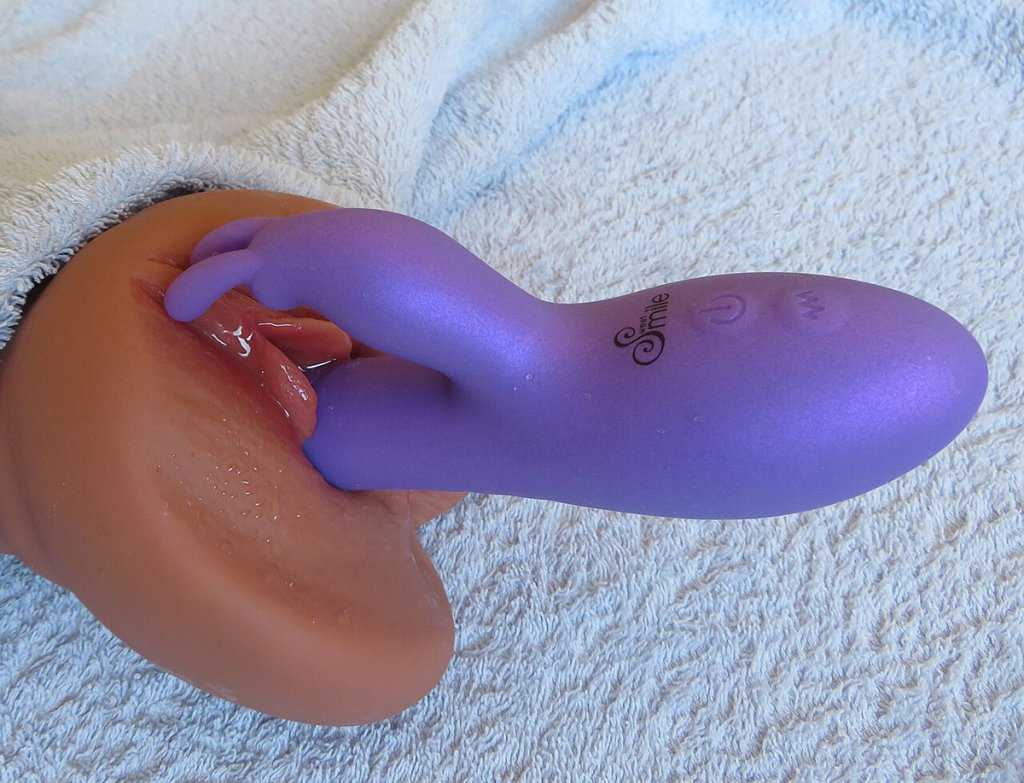
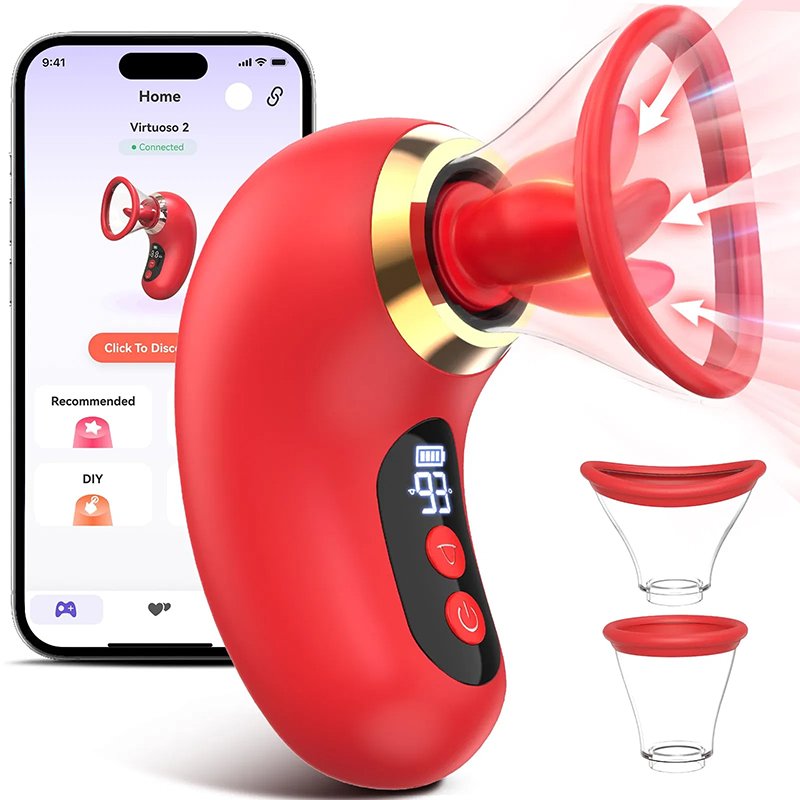
Triple stimulation vibrator technology changes that equation entirely. By combining clitoral suction or air-pulse technology, external vibration, and internal G-spot stimulation simultaneously, modern devices engage multiple nerve clusters at once. This isn’t a marketing upgrade — it’s a structural redesign based on how arousal actually builds across the body.
The shift is significant: according to Indiana University’s Center for Sexual Health Promotion, a significant number of people now use vibrators specifically to address sexual dysfunction or physical health issues — a clear signal that these devices have crossed into genuine wellness territory.
Sexual wellness is no longer a peripheral concern. Health practitioners increasingly recognize intimate wellbeing as interconnected with stress regulation, sleep quality, hormonal balance, and relationship satisfaction. Research into why women’s arousal needs go unmet points consistently to the same gap: stimulation that addresses only one pathway at a time.
Material innovation has kept pace with motor complexity. Medical-grade silicone, body-safe ABS, and precision-engineered motor housings now give devices both durability and the tactile responsiveness required for nuanced sensation delivery. These aren’t cosmetic improvements — they directly affect how effectively a device transmits stimulation to targeted nerve clusters.
Understanding why multi-point engagement works so reliably starts with anatomy — specifically, the remarkable complexity of the clitoral nerve network and why a single point of contact will always leave most of it untouched.
The Anatomy of Arousal: Why One Sensation Isn’t Enough
Understanding why single-point stimulation so often falls short starts with recognizing just how structurally complex the body’s arousal network really is.
The clitoral structure extends far beyond what’s visible externally. Its full internal anatomy — including two crura and two vestibular bulbs — wraps around the vaginal canal, meaning internal and external nerve pathways are deeply interconnected. Research into clitoral sensitivity confirms this organ contains over 10,000 nerve endings, making it one of the densest concentrations of sensory tissue in the human body. Stimulating only one point of this network is a bit like pressing a single piano key and expecting a full chord.
This anatomical reality explains a widely cited finding: according to The Journal of Sex & Marital Therapy, 45% of women report that clitoral stimulation is necessary for achieving orgasm during sexual activity. Penetration alone activates only a portion of the nerve network — and for nearly half of women, that’s simply not sufficient for climax.
Synergy between nerve pathways is another key factor. Various nerves contribute to orgasmic response, each activated by different types of touch, pressure, and rhythm. When stimulation targets multiple pathways simultaneously, the cumulative neurological response is significantly stronger than any single input could produce.
Desensitization adds another layer of complexity. Repeated exposure to one type of sensation can diminish nerve responsiveness over time — a pattern observed in sensory science. Rotating between distinct stimulation modes keeps nerve endings responsive and prevents the habituation that dulls pleasure.
This is precisely the logic behind devices designed as a clitoral sucking and internal tapping massager: they engage separate nerve clusters at the same time rather than relying on any single pathway. To understand exactly how each of those three stimulation modes works on a physiological level, it helps to break them down individually — which is exactly where we’re headed next.
Decoding Triple Action: Sucking, Tapping, and Vibrating
Multi-functional sexual wellness devices achieve what single-mode tools cannot: they layer distinct mechanical inputs to create a compounded physiological response greater than the sum of its parts.
Air-pulse technology, internal tapping, and vibration each target different nerve pathways — and when synchronized, they produce something closer to full-body resonance than isolated stimulation.
Air-Pulse (Suction) — Non-Contact Nerve Engagement
Air-pulse technology works by generating rhythmic pressure waves around the clitoris without any surface contact. According to the International Society for Sexual Medicine, this approach stimulates clitoral nerves while actively preventing overstimulation — a critical distinction. Because direct friction is removed from the equation, the nerve endings remain responsive longer, and post-orgasm sensitivity is significantly reduced. Think of it as precision targeting versus blunt pressure.
Internal Tapping — Replicating Human Touch
The tapping mechanism is considered anatomically sophisticated. Rather than static pressure, a motorized arm delivers rapid, rhythmic pulses against the anterior vaginal wall — the region associated with G-spot engagement. This motion closely replicates the sensation of a partner’s fingers using a “come-hither” motion, triggering mechanoreceptors that standard vibration alone cannot reach. The result is deeper internal arousal that builds gradually rather than peaks abruptly.
Vibration — The Foundational Sensory Layer
Vibration remains the bedrock of intimate technology for good reason. It activates Pacinian corpuscles — the pressure-sensitive receptors distributed throughout genital tissue — at frequencies the body interprets as sustained rhythmic stimulation. On its own, it’s effective. Within a triple-action system, it functions as a continuous sensory base, keeping baseline arousal elevated while the other two mechanisms cycle through their patterns.
Technology vs. Physiological Benefit
| Technology | Primary Target | Key Benefit |
|---|---|---|
| Air-pulse | Clitoral nerve complex | Non-contact stimulation; prevents desensitization |
| Internal tapping | G-spot / anterior wall | Mimics manual touch; deep mechanoreceptor activation |
| Vibration | Broad genital tissue | Sustained arousal baseline; Pacinian corpuscle activation |
When these three systems operate in concert, the body experiences what might be described as surround-sound stimulation — no single zone neglected, no nerve pathway left idle. That synchronized layering sets the stage for understanding why thermal elements, explored next, add yet another physiological dimension.
The Therapeutic Power of Integrated Heat Functions
Heat is one of the most underestimated features in modern sexual wellness devices — and the science behind it makes a compelling case for taking it seriously.
When a device incorporates gentle warmth alongside simultaneous clitoral and G-spot stimulation, it’s doing something measurably different from sensation alone. Heat acts as a physiological enhancer primer, preparing tissue before mechanical stimulation even begins.
“Heat therapy in intimate products can increase localized blood flow and tissue elasticity, mimicking the natural physiological response of arousal.” — Dr. Nan Wise, Cognitive Neuroscientist
Vasocongestion — the increased blood flow to genital tissue that occurs during arousal — is exactly what warmth accelerates. When localized heat is applied to sensitive tissue, blood vessels dilate, engorgement increases, and the body’s natural lubrication response is supported. In practice, this means less discomfort, faster arousal onset, and more responsive tissue throughout use. For anyone who finds cold silicone a jarring start to an intimate moment, this detail alone changes the experience considerably.
Pelvic floor relaxation is the less-discussed but equally important benefit. Chronic tension in the pelvic floor — common among people who experience stress, postural strain, or anxiety — can inhibit orgasm and cause discomfort during penetration. Gentle heat encourages these muscles to release, lowering the threshold for pleasure and making internal stimulation more comfortable from the outset. This isn’t a luxury feature; for many users, it’s a genuine functional advantage.
Temperature regulation in quality devices is equally critical. Premium designs maintain heat within a narrow, body-safe range — typically around 104°F (40°C) — using embedded sensors to prevent overheating. This is a non-negotiable safety standard. On the other hand, lower-quality alternatives often lack this regulation entirely, which introduces real risk.
The therapeutic dimension of heat reframes these devices as wellness tools — and that framing matters even more when you consider the specific challenges many people face in reconnecting with their bodies.
Bridging the Gap: Solving Common Intimacy Challenges
Multi-sensory stimulation technology isn’t just about amplified pleasure — it’s a clinically relevant tool for addressing real, common intimacy challenges that affect millions of people.
Anorgasmia responds particularly well to multi-modal input because it frequently stems from insufficient or monotonous stimulation rather than a physiological barrier. Understanding what is triple action stimulation clarifies why it works: simultaneous suction, tapping, and vibration engage overlapping nerve pathways, increasing the likelihood that one or more inputs will trigger the neurological threshold needed for climax. For people who have struggled to reach orgasm through conventional methods, layered stimulation redistributes sensory load across a wider surface area — including the deeper clitoral network that targeted internal techniques have long emphasized.
Hormonal shifts create a distinct set of challenges that technology can meaningfully address. According to Medical News Today, vibration therapy is increasingly used to manage symptoms related to menopause and pelvic floor strength. Reduced estrogen levels contribute to vaginal dryness, decreased sensitivity, and weakened pelvic muscles — all of which can diminish sexual satisfaction. Consistent vibration input supports blood flow to pelvic tissues and helps maintain nerve responsiveness over time, making high-performance devices a practical part of postmenopausal self-care rather than a luxury.
Chronic stress physically disconnects the body from pleasure. Cortisol suppresses libido and narrows sensory awareness, making arousal harder to access. In practice, multi-sensory devices can serve as a re-entry point — the compounded input essentially demands the nervous system’s attention in a way that single-mode stimulation cannot. Heat integration, as explored in the previous section, amplifies this by calming the surrounding musculature before stimulation begins.
The psychological dividend is just as significant. High-performance self-care reinforces bodily autonomy, reduces performance anxiety, and builds a positive feedback loop between intention and response. These aren’t trivial outcomes — they’re foundational to long-term sexual wellness.
Of course, the benefits of any device are only as reliable as the materials and construction behind it — which leads directly to how engineering choices shape the experience itself.
The Engineering of Pleasure: Material Quality and Durability
Premium multi-sensory devices deliver lasting results only when built from materials and components that hold up under real, repeated use — and that starts with what touches your body.
Body-safe silicone isn’t optional — it’s the foundation of any device worth investing in. Medical-grade silicone is non-porous, meaning it doesn’t harbor bacteria between uses the way porous materials do. It’s also hypoallergenic, free from harmful plasticizers, and gentle enough for sensitive tissue — including the nerve-dense areas discussed in previous sections. For devices engaging multiple stimulation zones simultaneously, contact surface quality matters even more.
Multi-motor construction is where engineering complexity really shows. Triple-stimulation devices run independent motors in parallel, placing higher demands on internal components than single-function alternatives. Premium builds address this with reinforced motor housings, robust wiring, and quality-controlled assembly that maintains consistent vibration output across hundreds of use cycles. In practice, cutting corners here is what causes performance degradation — motors weakening, patterns stuttering — long before the device should realistically fail.
Key material and construction benefits worth prioritizing:
- IPX7 waterproofing or higher — full submersion capability enables bath or shower use and simplifies cleaning
- Body-safe, platinum-cured silicone — non-toxic, temperature-neutral, and easy to sanitize
- Whisper-quiet motors — advanced motor dampening delivers power without disruptive noise, making discretion practical rather than theoretical
- Rechargeable battery systems — USB-C or magnetic charging eliminates the recurring cost and waste of disposables
- Seamless, non-seamed surfaces — reduces friction and irritation during extended use
The ROI of buying better once is straightforward. A lower-cost device that degrades after a few months — losing motor strength, developing charging issues, or failing waterproof seals — costs more over time than a single well-engineered purchase. For those exploring multi-zone stimulation for the first time, durability also means consistent, reliable performance as you learn what works for your body.
Once you understand what to look for in construction and materials, the next natural question is how to actually incorporate these devices into a sustainable wellness routine.
Integrating Advanced Devices into Your Wellness Routine
Getting the most from a multi-sensory device comes down to intentional integration — not just switching it on and hoping for the best.
Start with one mode before layering in the rest. Jumping straight into triple stimulation can feel overwhelming, especially for users new to tapping or heat functions. A smarter approach is progressive exploration:
- Begin with vibration alone — the most familiar sensation — to establish comfort and baseline arousal.
- Add tapping once vibration feels natural. As explored earlier in the pressure wave mechanics, tapping engages deeper nerve clusters that vibration alone can’t reach.
- Layer in heat last, allowing the gentle warmth to relax tissue and amplify sensitivity before combining all three modes simultaneously.
Pairing devices with intimate apparel creates a fuller sensory environment. Fabrics with varied textures — silk, lace, or soft mesh — engage tactile nerve pathways that prime the body for deeper stimulation. This multi-channel approach aligns with sensory engagement research suggesting that pre-activating multiple senses accelerates arousal response.
For partner play, multi-functional devices shift the dynamic entirely. Because many are designed for both solo and shared use — with flexible bodies and rotating heads — partners can co-direct stimulation rather than one person passively receiving. This shared control builds communication and attunement, two factors consistently linked to higher relationship satisfaction.
Maintenance matters as much as technique. High-tech devices with heat elements and precision motors require proper care to perform consistently:
- Clean after every use with toy-safe, fragrance-free cleaner
- Store away from direct sunlight to protect silicone integrity and electronic components
- Charge fully before storage to preserve battery longevity
- Avoid submerging non-waterproof components, even if the device is water-resistant
[VIDEO EMBED PLACEHOLDER]
Treat device care as part of your wellness routine — not an afterthought. When the engineering holds up over time, so does the experience. That consistency is ultimately what separates a tool you return to from one that collects dust — and it’s what makes high-tech stimulation not just a novelty, but a genuine long-term investment in sexual health.
The Bottom Line: Why Triple Stimulation is the Future
Triple stimulation isn’t a trend — it’s a direct, evidence-backed response to what the body actually needs for satisfying, holistic sexual wellness.
Research consistently shows that a significant share of users require dedicated clitoral engagement to reach orgasm. Multi-sensory devices address this gap by combining flapping, suction, and vibration to target multiple nerve centers at once — not sequentially, but simultaneously. That layered approach is what separates modern triple-stimulation technology from single-function alternatives.
Here’s a concise summary of why this category represents the future of sexual wellness:
- It closes the stimulation gap. With roughly 45% of users prioritizing clitoral focus, devices engineered around that anatomy aren’t a luxury — they’re a practical necessity for consistent satisfaction.
- Heat and tapping offer more than pleasure. Gentle warmth improves localized circulation and eases muscle tension, while tapping technology delivers rhythmic percussive input that differs meaningfully from standard vibration — adding a therapeutic dimension that supports long-term pelvic wellness.
- High-tech devices are a health investment. Choosing a quality multi-functional tool is a commitment to sexual health, not just gratification. Pairing that device with thoughtful practices — like using the right lubricant for clitoral use — maximizes both comfort and nerve response.
- Versatility drives long-term value. Multi-functional devices adapt to shifting needs, preferences, and bodies over time. A single well-designed tool can replace several single-purpose products, offering a more efficient and personalized path to satisfaction.
In practice, the convergence of these features — tactile, thermal, and pressure-based input — mirrors how the nervous system naturally processes pleasure: through layered, multi-channel signals rather than isolated stimuli. That alignment between design and biology is what makes triple stimulation a logical standard, not just a marketing claim.
Still have questions about which features matter most, or whether this technology is right for your experience level? The answers to the most common queries are just ahead.
Frequently Asked Questions About Advanced Vibrator Tech
Understanding multi-sensory devices separates confident, informed users from those who never quite get the results they’re looking for — and the right answers make all the difference.
Is triple stimulation too intense for beginners?
Not necessarily, but starting low and slow is always the right approach. Most quality multi-functional devices offer independently adjustable intensity levels across each stimulation mode, meaning beginners can activate just one function at a time and build from there. In practice, many users find that starting with gentle vibration before adding suction or tapping creates a comfortable progression.
How does the tapping function differ from standard vibration?
Standard vibration delivers rapid oscillation, while tapping mimics the focused, rhythmic pressure of manual touch. Where vibration disperses sensation broadly, tapping creates a more targeted, percussive impact that activates deeper nerve clusters differently. Many users find tapping reaches sensations that surface-level vibration can’t replicate — offering a distinct experience rather than just another setting.
Can these devices help with pelvic floor health?
Rhythmic stimulation — particularly vibration — has been associated with increased blood flow to pelvic tissues, which supports tissue elasticity and nerve sensitivity over time. Devices designed with non-contact suction technology are specifically engineered to prevent desensitization while still delivering intense stimulation, according to the International Society for Sexual Medicine. For users integrating devices into a broader pelvic wellness routine, pairing stimulation with water-based lubrication can further reduce friction and protect sensitive tissue.
What should I look for in a high-quality multi-functional device?
Prioritize these criteria when evaluating options:
- Body-safe materials — medical-grade silicone is the gold standard
- Independent controls — each stimulation mode should be adjustable separately
- Waterproof construction — for hygiene and versatility
- Ergonomic design — the device should reach target areas without strain
Triple stimulation technology represents a genuine leap forward in sexual wellness — and asking the right questions is the first step toward experiencing it fully.