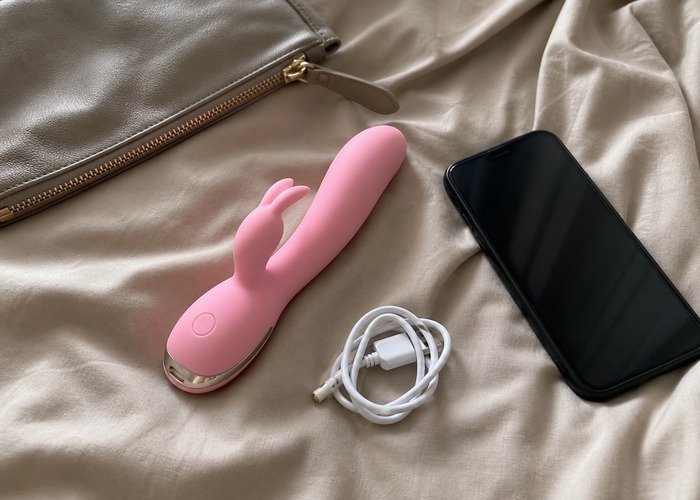
You can soothe your body after intense post-orgasm sensitivity by listening to your needs and taking simple steps to regain comfort. Many people experience changes in sensation after orgasm. Although studies on postcoital dysphoria show that 41% of men have felt negative emotions after sex at least once, researchers have not defined exactly how common post-orgasm sensitivity is. You are not alone if you notice your body feels extra sensitive or tender. Every body reacts differently, and you can find relief with gentle care and patience.
Key Takeaways
- Use gentle touch or soft fabrics to soothe sensitive areas after orgasm and reduce discomfort.
- Take breaks from contact and allow your body time to rest and recover at your own pace.
- Try cooling or warming compresses to ease sensitivity by calming nerves and relaxing muscles.
- Practice slow, deep breathing exercises to calm your nervous system and lower lingering sensitivity.
- Strengthen and relax your pelvic floor muscles with exercises and stretching to improve comfort and control.
- Eat light snacks and stay hydrated to replenish energy and support your body’s recovery.
- Communicate openly with your partner about your needs and set clear boundaries to build trust and comfort.
- Create a calming environment with soft lighting, comfortable support, and soothing sounds to help your body relax.
Quick Relief Steps
Gentle Touch
You can use gentle touch to help your body transition from intense sensitivity to comfort. Lightly rest your hand over the sensitive area without applying pressure. This technique can create a sense of security and reduce overstimulation. Try using the back of your hand or your fingertips to softly trace around, not directly on, the most sensitive spots. Many people find that slow, feather-light movements help the nerves settle.
Tip: Use a soft, clean cloth or a silk scarf as a barrier. This can further reduce direct contact and make the sensation more tolerable.
If you share this moment with a partner, communicate your needs. Ask them to slow down or use a lighter touch. You set the pace for your own comfort.
Hands-Off Breaks
Sometimes, the best relief comes from taking a complete break. Remove all contact from the sensitive area and give your body time to recover. You might want to shift your position, lie back, or curl up in a comfortable spot. Let your body rest without any stimulation.
- Move away from direct touch or friction.
- Adjust your clothing or bedding to avoid rubbing.
- Focus on relaxing your muscles and breathing deeply.
You may notice that sensitivity fades within a few minutes. Trust your body’s signals. When you feel ready, you can return to touch or intimacy at your own pace.
Cooling or Warming
Temperature changes can provide quick relief for post-orgasm sensitivity. You can experiment with cool or warm sensations to find what feels best for you.
- Cooling: Place a cool, damp washcloth or a gel pack (wrapped in fabric) over the area. The coolness can numb nerve endings and reduce tingling or burning sensations.
- Warming: Use a warm compress or a heating pad set to low. Warmth can relax tense muscles and promote blood flow, which may ease discomfort.
Note: Always test the temperature on your inner wrist first. Avoid extremes that could cause burns or irritation.
You can alternate between cool and warm if you like. Listen to your body and choose the method that brings you the most comfort.
Breathing Exercises
Breathing exercises offer a powerful way to calm your body after intense sensitivity. You can use your breath to shift your nervous system from a heightened state to a relaxed one. This technique works by stimulating the vagus nerve, which helps slow your heart rate and activates your body’s natural relaxation response.
When you practice slow, deep breathing—about six breaths per minute—you encourage your body to move away from the stress-driven “fight or flight” mode. Instead, you enter a state of rest and recovery. This shift can help your blood vessels respond better and make your heart rate more flexible. As a result, you may notice a decrease in lingering sensitivity and a greater sense of bodily comfort.
Tip: Focus on nasal breathing. Inhale and exhale through your nose to maximize the calming effect.
You can try this simple breathing exercise right after orgasm:
- Find a comfortable position, either lying down or sitting upright.
- Close your eyes if it feels good.
- Inhale slowly through your nose for a count of four.
- Hold your breath gently for a count of two.
- Exhale softly through your nose for a count of six.
- Repeat this cycle for several minutes, aiming for about six breaths per minute.
This practice not only soothes your nerves but also increases your awareness of how your body feels. You become more attuned to subtle changes in sensation, which helps you respond to your needs with greater care.
If you feel overwhelmed or notice your heart racing, pause and return to your breath. Even a few minutes of focused breathing can make a noticeable difference in your comfort level.
Remember: Breathing exercises are a discreet, accessible tool. You can use them anytime you need to regain calm and control after intense sensations.
Post-Orgasm Sensitivity Explained
Clitoral and Vulvar Changes
After orgasm, your body undergoes several changes in the clitoral and vulvar regions that can lead to heightened sensitivity. Understanding these changes helps you respond to your needs with greater care.
- Genital pleasurableness ratings decrease after orgasm, so you may notice less pleasurable sensations compared to just before climax.
- Pain sensitivity increases in the vulvar vestibule, which means you might feel more discomfort or tenderness if touched.
- There is a complex relationship between pleasure and pain sensitivity. If you have a higher pain threshold on the glans clitoris, you may also experience more pleasurable sensitivity.
- Tactile detection thresholds, or your ability to sense light touch, do not change significantly after orgasm.
You can see these physiological changes summarized in the table below:
| Physiological Change | Region Tested | Measurement Method | Observed Effect After Orgasm |
|---|---|---|---|
| Vibratory sensation threshold | Clitoris | Quantitative Sensory Testing (vibratory) | Significant decrease (increased sensitivity) from baseline to orgasm phases |
| Thermal sensation threshold | Clitoris | Quantitative Sensory Testing (thermal) | No significant change observed |
These findings show that your clitoral region becomes more sensitive to vibration after orgasm, which can make even gentle touch feel intense. This shift in sensation is a normal part of the post-orgasm experience.
Nerve Endings and Sensation
Your genital area contains a dense network of nerve endings that play a key role in post-orgasm sensitivity. During orgasm, these nerves send powerful signals to your brain and spinal cord, activating multiple regions responsible for pleasure, muscle tension, and emotional response.
- The pudendal and pelvic nerves carry sensory input from your genitalia to the spinal cord, triggering reflexes and changes in blood flow.
- Electrical stimulation of the pelvic nerve increases clitoral and vaginal blood flow, showing how active your nerves become during sexual arousal and orgasm.
- Sensory signals travel through the sacral spinal cord and reach your brain, where they are processed for both pleasure and pain.
- The distal vagina has more nerve endings than the proximal part, which means some areas are naturally more sensitive.
- Neurotransmitters released during orgasm, such as dopamine and oxytocin, influence how you perceive touch and pain.
You may notice that after orgasm, your nerves remain highly responsive. This heightened state can make even light contact feel overwhelming. If you experience post-orgasm sensitivity, you are feeling the effects of this complex nerve activity.
Refractory Period
The refractory period is the time after orgasm when your body recovers and resets. This period varies between individuals and can influence how you experience post-orgasm sensitivity.
| Gender | Typical Refractory Period Duration | Hormonal/Physiological Factors | Relation to Post-Orgasm Sensitivity |
|---|---|---|---|
| Males | Minutes to days; younger males recover faster, older males may need 12-24 hours or longer | Oxytocin, prolactin, and dopamine surges inhibit immediate re-arousal; seminal vesicle tension restoration | Hormonal changes inhibit erections; serotonin promotes satisfaction and relaxation; dopamine can block penile sensory nerves temporarily |
| Females | Very brief or no refractory period; many can have multiple orgasms | Higher oxytocin and prolactin levels, but these do not reduce genital sensitivity | Some females experience clitoral or vulvar hypersensitivity, causing temporary discomfort and reduced responsiveness |
If you are male, you may find that your body needs more time before you can become aroused again. Hormonal shifts help your body relax and recover, but they can also make your genitals feel extra sensitive or even numb. If you are female, you might not have a clear refractory period, but you can still experience temporary hypersensitivity in the clitoral or vulvar area. This discomfort can act as a natural pause, signaling your body to rest before further stimulation.
Note: Rare conditions like Post-Orgasmic Illness Syndrome (POIS) can cause extreme post-orgasm sensitivity, with symptoms such as fatigue, flu-like feelings, and cognitive difficulties. These conditions are rare but highlight the wide range of responses people can have after orgasm.
Understanding these physiological and neurological changes empowers you to care for your body and manage post-orgasm sensitivity with confidence.
Pelvic Floor Muscles
Your pelvic floor muscles play a crucial role in how you experience sensation after orgasm. These muscles include the pubococcygeus, iliococcygeus, bulbospongiosus, ischiocavernosus, and puborectalis. During orgasm, they contract rhythmically. This action adds depth and intensity to your orgasmic sensations and can directly influence how sensitive you feel afterward.
You can better understand their impact by looking at how each muscle contributes:
- Pubococcygeus and iliococcygeus: These muscles contract in a rhythmic pattern during orgasm. Their movement increases the intensity of your pleasure and supports the pelvic organs.
- Bulbospongiosus: This muscle wraps around the vaginal opening and clitoral base. Its contractions create pleasurable pulses that many describe as waves of ecstasy.
- Ischiocavernosus: This muscle helps maintain clitoral erection and participates in the rhythmic contractions, amplifying sensation.
- Puborectalis: While mainly responsible for bowel control, this muscle also contracts involuntarily during orgasm, adding to the overall feeling of pleasure.
When these muscles contract together, they support your genital structures and amplify sexual pleasure. This coordination can make you more sensitive to touch after orgasm.
You can take steps to manage post-orgasm sensitivity by focusing on your pelvic floor health:
- Practice pelvic floor exercises: Strengthening these muscles through exercises like Kegels can improve their responsiveness. You may notice stronger orgasms and better control over sensitivity.
- Relax your muscles after orgasm: Use deep breathing or gentle stretching to help your pelvic floor muscles release tension. This can reduce lingering sensitivity.
- Monitor your body’s response: Pay attention to how your muscles feel after orgasm. If you notice tightness or discomfort, give yourself extra time to rest before resuming activity.
Clinical studies show that women who experience orgasm have longer pelvic floor muscle contractions than those who do not. These longer contractions link to improved sexual function and greater sensitivity. Orgasm itself can strengthen your pelvic floor, creating a positive feedback loop that enhances both pleasure and recovery.
If you experience intense post-orgasm sensitivity, remember that your pelvic floor muscles may still be in a heightened state. Allowing them to relax and recover can help you regain comfort more quickly. Over time, regular pelvic floor training can make your orgasms more satisfying and help you manage sensitivity with greater confidence.
Comfort Techniques
Soft Fabrics
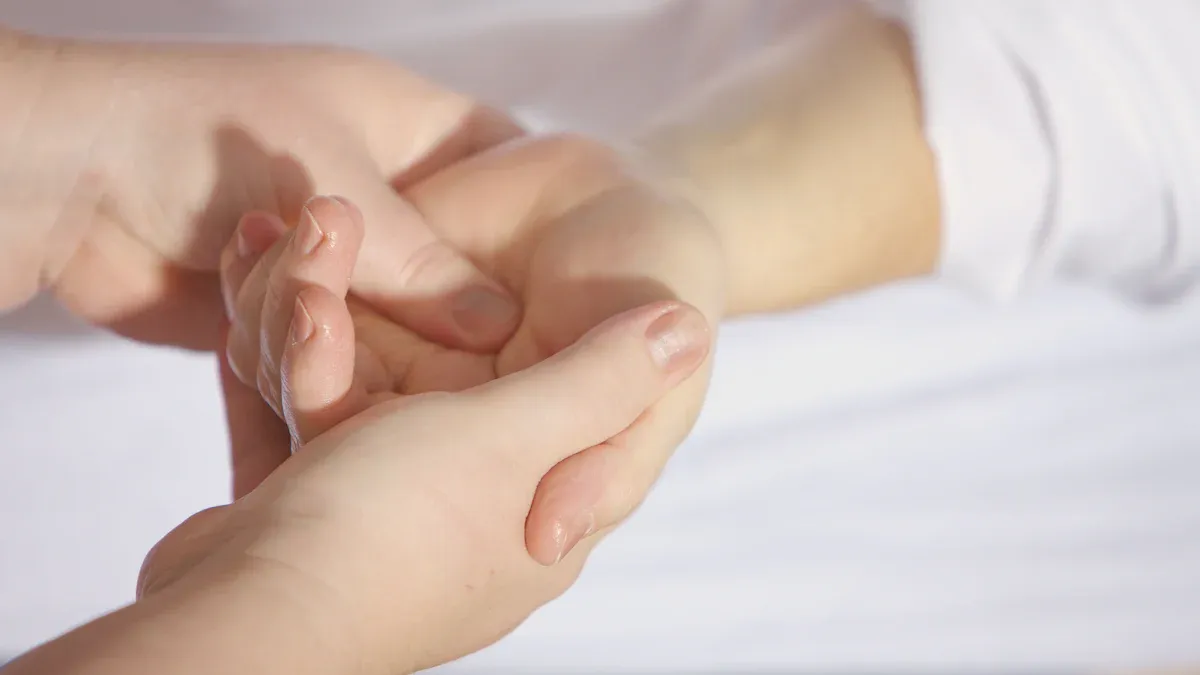
Choosing the right fabric can make a significant difference in your comfort after orgasm. You want to minimize irritation and allow your skin to breathe. Dermatologists and sexual health experts recommend using breathable, natural fabrics such as 100% organic cotton for underwear and loungewear. Cotton allows airflow and absorbs moisture, which helps prevent itching, irritation, and infections.
Synthetic materials like nylon, polyester, and spandex often trap heat and moisture. These fabrics can increase your risk of discomfort unless the crotch area has a cotton lining. You should look for underwear styles that avoid seams or tight fabric near sensitive areas. Proper fit matters as much as fabric choice. Loose, well-fitting garments reduce friction and help your skin recover.
Tip: Change your underwear daily and after any activity that causes sweating. Fresh, soft fabrics support healing and keep you feeling comfortable.
You can also use a soft cotton towel or blanket to create a soothing barrier between your skin and rougher surfaces. This simple step can help you relax and avoid unnecessary irritation.
Self-Massage
Self-massage offers a gentle way to ease post-orgasm sensitivity and promote relaxation. When you massage your body, you encourage the release of feel-good hormones like dopamine, serotonin, and oxytocin. These hormones help lift your mood and foster a sense of calm.
You can try several techniques to find what works best for you:
- Pressing: Use your palms to apply gentle pressure to tense muscles.
- Rubbing: Move your hands in slow, circular motions over your thighs, hips, or lower back.
- Kneading: Gently squeeze and release muscle groups to relieve tension.
- Rhythmic tapping: Lightly tap your skin with your fingertips to stimulate blood flow and relax muscles.
Focus on areas that feel tight or sore, such as your thighs, abdomen, or shoulders. Avoid sensitive regions like the neck and throat. Self-massage is safe to perform at home and does not require special equipment.
Regular self-massage can reduce discomfort, improve circulation, and help your body transition into a relaxed state after intense sensations.
You may notice that your muscles feel looser and your mind feels calmer after just a few minutes. This simple practice supports your recovery and enhances your overall sense of well-being.
Hydration
Light Snacks
After intense sensations, your body may benefit from a small, nourishing snack. Eating a light snack can help stabilize your blood sugar, replenish energy, and support your overall recovery. Many people notice a drop in energy or mild hunger after orgasm. This response is normal. Your body uses up glucose and releases hormones that can leave you feeling tired or even a bit lightheaded.
You can choose snacks that are easy to digest and gentle on your stomach. Focus on foods that provide a balance of carbohydrates, protein, and healthy fats. These nutrients help restore your energy without overwhelming your digestive system.
Recommended Light Snacks for Post-Orgasm Comfort:
- Fresh fruit: Slices of apple, banana, or berries offer natural sugars and hydration.
- Nuts or seeds: Almonds, walnuts, or pumpkin seeds provide protein and healthy fats.
- Whole grain crackers: Pair with a small amount of cheese or nut butter for a satisfying bite.
- Yogurt: Choose plain or lightly sweetened yogurt for probiotics and protein.
- Dark chocolate: A small piece can boost your mood and satisfy a sweet craving.
Tip: Keep a small snack tray or container near your bed or relaxation area. This makes it easy to reach for something nourishing without having to get up right away.
You should avoid heavy, greasy, or overly processed foods immediately after orgasm. These can slow digestion and may make you feel sluggish. Instead, opt for simple, whole foods that your body can process easily.
If you notice that you feel faint or shaky after orgasm, a quick snack can help restore your balance. Listen to your body’s cues. If you feel thirsty, pair your snack with a glass of water or herbal tea. Hydration and nutrition work together to support your recovery.
You can also use this time to practice mindful eating. Take a few slow bites, savor the flavors, and notice how your body responds. Mindful eating helps you reconnect with your senses and promotes relaxation.
| Snack Option | Key Benefit | Why It Helps Post-Orgasm |
|---|---|---|
| Banana | Potassium, quick energy | Replenishes electrolytes |
| Almonds | Protein, healthy fats | Sustains energy, calms nerves |
| Greek Yogurt | Probiotics, protein | Supports digestion, repairs tissue |
| Berries | Antioxidants, hydration | Reduces inflammation, refreshes |
| Whole Grain Crackers | Complex carbs | Stabilizes blood sugar |
You can experiment with different snacks to see what feels best for you. Over time, you will learn which foods help you feel most comfortable and restored after intimacy.
Remember: Light snacks are not just about nutrition. They are a form of self-care that signals to your body that you value its needs. Treat yourself with the same kindness you would offer a close friend.
Communication Tips
Expressing Needs
Clear communication after orgasm helps you feel understood and respected. You can use several strategies recommended by relationship therapists to express your needs about post-orgasm sensitivity:
- Create a safe, supportive space for open discussion. You might consider therapy to help you and your partner talk about sexual needs and intimacy challenges.
- Practice effective communication skills. Speak openly about your comfort levels and any concerns you have.
- Use evidence-based approaches like Cognitive Behavioral Therapy (CBT) or Dialectical Behavior Therapy (DBT) to improve emotional regulation and communication.
- Learn about sexual health together. Psychoeducation can help you and your partner understand each other’s needs.
- Try mindfulness techniques to manage stress and enhance your connection.
You can also use non-verbal communication if talking feels difficult. For example, gently guide your partner’s hand or use Sensate Focus exercises to focus on sensation rather than orgasm. Take responsibility for your own needs and use loving, straightforward language. Expect kindness and respect from your partner, and seek professional support if past trauma affects your ability to communicate.
Tip: Start conversations when you both feel relaxed. Use “I” statements, such as “I feel sensitive after orgasm and need a few minutes to recover.”
Setting Boundaries
Setting boundaries after orgasm protects your comfort and strengthens intimacy. Psychological research shows that when you set and respect sexual boundaries, you build trust and emotional safety. This foundation allows you and your partner to feel vulnerable and authentic with each other.
- Clearly state what feels good and what does not. For example, you might say, “I need a break from touch right now.”
- Encourage your partner to share their boundaries as well.
- Check in with each other regularly to address any unmet needs or concerns.
- Respect each other’s limits without judgment.
These conversations reduce anxiety and increase satisfaction in your relationship. When you both understand and honor each other’s boundaries, you create a stronger emotional bond. This trust carries over into every phase of intimacy, including the moments after orgasm.
Setting boundaries is not about rejection. It is about creating a safe space where both of you feel respected and cared for.
Alternative Intimacy
If post-orgasm sensitivity makes traditional sexual activities uncomfortable, you can explore alternative forms of intimacy. Sex educators suggest several approaches:
- Timed other-focus: Set aside time for one partner to receive gentle, non-goal-oriented touch, while the other focuses on giving. This method removes pressure and lets you enjoy sensation.
- Proactive communication: Talk openly about your expectations and any challenges, such as sensitivity or difficulty reaching orgasm. Honest conversations reduce pressure and foster understanding.
- Sensate focus therapy: Shift your attention from orgasm to the experience of touch. Focus on temperature, pressure, and texture. Start with non-genital touch and progress at your own pace.
You can use these techniques to deepen your connection and enjoy intimacy without discomfort. Sensate focus therapy, in particular, helps you and your partner explore touch mindfully, making intimacy a shared, relaxing experience rather than a performance.
Remember: Intimacy is about connection, not just sexual activity. You can nurture closeness in many ways, even when your body needs a break.
Environment Matters

Lighting and Temperature
You can create a soothing environment by adjusting lighting and temperature in your space. Environmental psychology studies show that temperature directly affects your comfort after orgasm. Warm temperatures, when kept moderate, support relaxation and help balance your mood. You should avoid extreme heat, which can cause dehydration, fatigue, and discomfort. These conditions increase stress hormones and make it harder for your body to recover. Use air conditioning or gentle heating to maintain a comfortable temperature. This helps your body restore itself and supports a pleasurable experience.
Lighting also plays a key role in your post-orgasm comfort. Bright or harsh lights can feel overwhelming, especially if you have sensory sensitivities. Soft, dim lighting—such as bedside lamps or candles—creates a calming atmosphere. You can close your eyes or use an eye mask to reduce visual stimulation further. A clutter-free, visually simple space helps you focus on relaxation and intimacy. When you control lighting and temperature, you set the stage for a peaceful recovery.
Tip: Try dimming the lights and setting your thermostat to a comfortable level before intimacy. This small step can make a big difference in how you feel afterward.
Pillows and Support
Proper support helps your body relax and recover after intense sensations. You can use pillows to cushion sensitive areas and support your joints. Place a soft pillow under your knees or lower back to relieve tension. If you prefer to lie on your side, tuck a pillow between your legs for extra comfort. Choose pillows with breathable covers to prevent overheating.
A supportive environment reduces muscle strain and helps you maintain a comfortable position. You might also use a weighted blanket for gentle pressure, which many people find calming. Arrange your bedding so that it feels soft and inviting. When you feel physically supported, your body can focus on recovery and relaxation.
| Support Item | Benefit | How to Use |
|---|---|---|
| Soft pillow | Cushions sensitive areas | Place under knees or hips |
| Body pillow | Supports side-lying position | Hug or place between legs |
| Weighted blanket | Provides gentle pressure | Cover your body lightly |
Calming Sounds
Sound can shape your recovery experience after orgasm. Many people find that calming music or gentle background sounds help them relax. Somatic Sound Therapy offers music tracks designed for sexual health and intimacy. These tracks often use Solfeggio frequencies and meditation healing music, which promote relaxation and support your body’s recovery. You can also try albums with binaural beats or meditation frequencies for a restorative effect.
- Play soft instrumental music or nature sounds.
- Use playlists that feature meditation or healing frequencies.
- Avoid loud or fast-paced music, which can increase tension.
🎵 Choose sounds that make you feel safe and peaceful. Experiment with different genres until you find what works best for you.
By adjusting your environment—lighting, temperature, support, and sound—you give your body the best chance to recover comfortably and enjoy the afterglow of intimacy.
Emotional Care
Self-Compassion
You can support your emotional well-being after intense post-orgasm sensitivity by practicing self-compassion. Mental health professionals recommend several strategies to help you manage difficult emotions and foster a gentle relationship with yourself:
- Cultivate loving kindness toward yourself, especially when you notice feelings like shame or sadness.
- Stay present with your emotional experiences. Use mindful attention to observe your bodily sensations and emotional states with openness and without judgment.
- Practice mindful inquiry. Focus on your body sensations, breath, emotions, images, impulses, and memories with curiosity and acceptance.
- Slow down and interrupt automatic reactions. Create space between your impulses and your responses to foster warmth and gentleness.
- Use your breath as an anchor. When you feel overwhelmed, return your focus to your breathing to support emotional regulation.
- Develop a mindful “witness” stance. Notice subtle internal signals and avoid harsh or distorted self-judgment.
🧘♀️ These approaches help you build resilience and create a new, kind way of being with yourself. You can learn to respond to post-orgasm sensitivity with patience and care.
Journaling
Journaling offers a practical tool for processing your emotions after experiencing post-orgasm sensitivity. Psychological studies show that writing about your experiences helps you develop attention, achieve calmness, and stay present. When you journal, you give yourself space to accept both positive and negative sensations. This practice supports self-acceptance and autonomy.
You can use journaling to recognize and integrate your emotional experiences. By putting your thoughts on paper, you allow yourself to release emotions and remain engaged with the present moment. Over time, journaling can help you regulate your feelings and strengthen your connection with yourself and others.
Try setting aside a few minutes after intimacy to write about what you feel in your body and mind. You might notice patterns or triggers that affect your sensitivity. This awareness can guide you in making choices that support your comfort and emotional health.
✍️ Journaling does not require perfect grammar or spelling. Focus on honesty and self-reflection.
Planning Ahead
Planning ahead empowers you to manage post-orgasm sensitivity with confidence. You can prepare a comfort kit with soft fabrics, snacks, and soothing music before intimacy. Discuss your needs and boundaries with your partner in advance. This proactive approach reduces anxiety and ensures you have what you need for recovery.
Consider creating a checklist for your post-intimacy routine:
| Step | Purpose |
|---|---|
| Prepare soft fabrics | Minimize irritation |
| Set up calming music | Support relaxation |
| Keep water nearby | Stay hydrated |
| Have a journal ready | Process emotions |
| Communicate needs | Foster understanding |
By planning ahead, you create a supportive environment for both your body and mind. You can approach intimacy with greater ease, knowing you have strategies in place for comfort and emotional care.
Post-Orgasm Sensitivity Tips
Do’s and Don’ts
You can manage post-orgasm sensitivity more effectively by following a few practical guidelines. These tips help you care for your body and maintain comfort after intense sensations.
Do’s:
- Listen to your body. Take breaks when you feel overwhelmed or uncomfortable.
- Use soft fabrics and gentle touch to reduce irritation.
- Practice deep breathing or relaxation exercises to calm your nervous system.
- Communicate openly with your partner about your needs and boundaries.
- Keep water and light snacks nearby to support hydration and energy.
- Adjust your environment for comfort. Dim the lights and use pillows for support.
Don’ts:
- Do not force yourself to continue with stimulation if you feel pain or discomfort.
- Avoid rough fabrics or tight clothing that may irritate sensitive areas.
- Do not ignore persistent or severe symptoms. Your comfort and health matter.
- Avoid comparing your recovery time to others. Every body responds differently.
- Do not hesitate to ask for help or seek medical advice if something feels wrong.
📝 Remember: You deserve to feel safe and cared for after intimacy. Small adjustments can make a big difference in your recovery.
When to Seek Help
Most people experience mild and temporary post-orgasm sensitivity. However, you should watch for signs that suggest a need for professional support. If you notice any of the following, consider reaching out to a healthcare provider:
- Severe or persistent pelvic pain that lasts 30 minutes or longer after orgasm.
- Flu-like symptoms such as fatigue, weakness, fever, or headache that continue for several days.
- Neurological changes, including muscle weakness, memory problems, or mood changes.
- Difficulty with movement, speech, swallowing, or breathing.
- Sensitivity that disrupts your daily life or makes it hard to function.
- Unexplained symptoms that do not improve after an initial medical visit.
- Unusual symptoms like photophobia (light sensitivity) or dry mouth.
You may need a referral to a specialist or a multidisciplinary care center if your symptoms remain unresolved. Early intervention can help you find relief and prevent complications.
⚠️ If you experience any of these symptoms, do not wait. Prompt medical attention ensures your well-being and helps address underlying issues.
You can use these tips as a quick-reference guide whenever you need support. By staying aware of your body’s signals and knowing when to seek help, you take an active role in your health and comfort.
You can take charge of your comfort by trying these practical techniques. Many people find that focusing on positive sensations and communicating openly leads to greater relaxation and satisfaction. Research shows that self-awareness, especially when you direct your attention to pleasurable feelings, enhances both comfort and pleasure after intimacy. Remember, your experience is normal. Give yourself permission to care for your body and enjoy intimacy at your own pace. 🌱
FAQ
What causes post-orgasm sensitivity?
You experience post-orgasm sensitivity because your nerves and pelvic muscles remain highly active after climax. Blood flow and hormone changes also play a role. This response is normal and usually fades within minutes.
How long does post-orgasm sensitivity last?
Most people notice sensitivity for a few minutes to half an hour. Your recovery time may vary based on your body, age, and overall health. If discomfort persists, consider using comfort techniques or consult a healthcare provider.
Can you prevent post-orgasm sensitivity?
You cannot always prevent sensitivity, but you can reduce discomfort. Use gentle touch, take breaks, and communicate your needs. Practicing pelvic floor exercises and choosing soft fabrics may also help.
Is post-orgasm sensitivity a sign of a health problem?
Mild sensitivity is normal. If you feel severe pain, experience symptoms that last longer than 30 minutes, or notice other unusual changes, seek medical advice. Persistent or intense symptoms may signal an underlying condition.
What should you avoid after orgasm if you feel sensitive?
Avoid rough fabrics, tight clothing, and further stimulation until you feel comfortable. Do not rush recovery. Give your body time to rest and use soft, breathable materials to support healing.
Can hydration help with post-orgasm sensitivity?
Yes. Drinking water helps your body recover and supports tissue health. Hydration can reduce fatigue and promote faster healing. Keep a glass of water nearby for easy access after intimacy.
Should you talk to your partner about post-orgasm sensitivity?
Absolutely. Open communication helps your partner understand your needs. Use clear language or gentle guidance. Setting boundaries and sharing comfort preferences can improve your experience and strengthen your relationship.
When should you seek medical help for post-orgasm sensitivity?
Contact a healthcare provider if you notice severe pain, flu-like symptoms, neurological changes, or symptoms that disrupt daily life. Early intervention ensures your well-being and helps address any underlying issues.