
You might sometimes feel bad after sex, even when everything seems fine. You are not alone. Many guys experience sadness, regret, or guilt after intimacy. Psychological research shows that postcoital dysphoria can affect anyone, no matter their background. Common reasons include emotional distress, past experiences, or sexual dysfunction. Studies reveal:
- 41% of men have symptoms of postcoital dysphoria at some point.
- 20% of men have felt this way in the last month.
- Nearly half of men and women report at least one episode.
Remember, these feelings do not make you weak or abnormal. Practice self-compassion and allow yourself to talk openly about what you experience.
Key Takeaways
- Feeling bad after sex is common and can happen to anyone. Understanding this can help you feel less alone.
- Emotional disconnect with your partner can lead to negative feelings. Building a deeper emotional connection can enhance intimacy.
- Guilt and shame often stem from societal messages or past experiences. Identifying these feelings can help you address them.
- Unmet expectations can cause regret after sex. Open conversations about desires can help align expectations and improve satisfaction.
- Communication is key in relationships. Discussing feelings and boundaries can strengthen trust and reduce misunderstandings.
- Self-reflection helps you identify triggers for negative emotions. Keeping a journal can reveal patterns in your feelings.
- Practicing self-care after sex, like cuddling or talking, can improve your mood and reinforce emotional bonds.
- If negative feelings persist, consider seeking support from a therapist. Professional help can guide you through emotional challenges.
Why Guys Feel Bad After Sex
Emotional Disconnect
You may notice that you sometimes feel bad after sex, especially if you do not feel emotionally close to your partner. Emotional disconnect can happen in both casual and committed relationships. Many people report negative feelings after casual sexual relationships. Studies show that between 25% and 78% of people have regretted a casual sexual encounter at some point. Short-term declines in emotional health often follow these experiences, especially within the first year.
Several factors can increase the chance of feeling bad after sex:
- Negative attitudes toward casual sex
- Lack of sexual satisfaction
- Alcohol use during the encounter
A lack of deep emotional connection can lead to sadness after sex. Some people need a meaningful bond to feel satisfied. If you do not have this connection, you may experience sadness or even depression after sex. However, even in healthy relationships, you might still feel down after intimacy. These feelings are not always about the relationship itself but can come from your own emotional needs.
If you notice a pattern of feeling disconnected or sad after sex, try to reflect on what emotional needs are not being met. Open communication with your partner can help you both understand each other better.
Guilt and Shame
Guilt and shame are common reasons why you might feel bad after sex. These emotions often come from early life experiences, cultural messages, or societal expectations. Many men grow up hearing that sexual feelings are something to hide or suppress. This can lead to internalized shame, which affects your confidence and how you relate to others.
“Societal norms, childhood experiences, and the internalization of shame contribute to feelings of guilt and shame after sexual experiences. Many men suffer from sexual shame without realizing it, which affects their confidence and authenticity in relationships. The roots of sexual shame often link to early childhood experiences and societal conditioning that equate sexual feelings with something to hide or suppress.”
Your cultural or religious background can also play a big role. Purity culture, for example, can create a lasting sense of moral failure and guilt, even after marriage. In some religious settings, you may learn that you are inherently sinful but also loved unconditionally. This mix of messages can make you feel ashamed or in need of external validation. Shame is sometimes used as a tool to control behavior, which can leave you struggling with guilt and inadequacy after sex.
If you notice guilt or shame after sex, try to identify where these feelings come from. Are they based on your own values, or are they messages you learned from others? Talking to a trusted friend or counselor can help you sort through these emotions.
Regret and Unmet Expectations
Regret often follows when your sexual experience does not match your expectations. You might feel bad after sex if you hoped for a deeper connection, more pleasure, or a different outcome. Relationship experts say that disappointment comes from a gap between what you expect and what actually happens.
Some common causes of regret and unmet expectations include:
- Discrepancies between expectations and reality, leading to disappointment.
- Negative emotions like frustration and resentment when expectations are not met.
- Emotional distress that can erode trust and intimacy in your relationship.
You may also feel rejected or inadequate if your needs are not met. Over time, this can build resentment and frustration. Disappointment can affect other parts of your relationship, leading to less intimacy and even avoidance of sex. Broader conflict and dissatisfaction may follow.
Research shows that men often regret missed opportunities for sexual experiences rather than specific encounters. For example, you might regret not being more adventurous or not approaching someone you found attractive. These regrets are usually about your overall sexual experiences, not just one event.
If you find yourself feeling bad after sex because of unmet expectations, try to reflect on what you wanted from the experience. Honest conversations with your partner about needs and desires can help prevent disappointment in the future.
Relationship Issues
Relationship issues often play a major role when you feel bad after sex. Even in healthy relationships, you can experience negative emotions if there are unresolved problems. Common relationship challenges that contribute to these feelings include:
- Communication difficulties
- Unresolved conflicts
- Lack of trust or emotional safety
When you and your partner struggle to communicate, misunderstandings can build up. You might avoid talking about your needs or concerns, which leads to frustration. Unresolved conflicts can linger in the background, making it hard to relax and enjoy intimacy. If you do not feel emotionally safe, you may hold back during sex, which can leave you feeling disconnected afterward.
Unresolved arguments or ongoing intimacy issues can also worsen feelings of sadness or emptiness after sex. Normally, sex releases oxytocin, a hormone that helps you bond and feel good. However, if you and your partner have not addressed underlying issues, this positive effect can disappear. You might notice that even after a caring or loving encounter, you still feel bad after sex. This can happen because emotional distress sometimes outweighs the physical pleasure.
Tip: Try to address conflicts and talk openly with your partner before they grow into bigger problems. Honest conversations can help rebuild trust and emotional safety.
You are not alone if you notice these patterns. Many men report that relationship distress can trigger postcoital dysphoria, but it can also occur in happy relationships. Sometimes, negative emotions after sex have less to do with your partner and more to do with your own emotional state or past experiences.
Hormonal Changes and PCD
Hormonal changes after sex can have a big impact on your mood. Postcoital dysphoria (PCD) describes the experience of feeling sad, anxious, or irritable after sex, even when the encounter was consensual and enjoyable. This is more common than you might think.
| Statistic | Percentage |
|---|---|
| Reported experiencing PCD in lifetime | 41% |
| Reported experiencing PCD in last 4 weeks | 20.2% |
| Reported experiencing PCD regularly | 3% – 4% |
After sex, your body goes through several hormonal shifts. These changes can affect how you feel emotionally and physically. Here is a breakdown of the main hormones involved:
| Hormone | Effect on Mood |
|---|---|
| Oxytocin | Promotes bonding and emotional connection |
| Prolactin | Induces feelings of relaxation and drowsiness |
| Testosterone | Fluctuations can lead to irritability and mood swings |
Oxytocin helps you feel close to your partner. Prolactin makes you feel relaxed and sleepy. Testosterone levels can change quickly, and low levels may cause moodiness or even depressive feelings. If you already feel stressed, these hormonal shifts can make things worse. Stress can disrupt your hormone balance, which increases the chance that you will feel bad after sex.
For example, imagine you had a stressful day at work and then had sex with your partner. Even if the experience was positive, the stress and hormonal changes might leave you feeling down or irritable afterward. Some men notice that these feelings happen more often when they are tired, anxious, or dealing with other life challenges.
Note: If you notice a pattern of negative emotions after sex, try to track your mood and energy levels. This can help you identify if hormonal changes or stress are playing a role.
You might feel confused or frustrated if you experience PCD, especially if you care about your partner. Remember, these feelings are common and do not mean something is wrong with you. Understanding the role of hormones and relationship dynamics can help you take steps to feel better after sex.
Identify Your Triggers
Understanding what makes you feel bad after sex starts with identifying your personal triggers. When you know what sets off negative emotions, you can take steps to manage or avoid them. This process involves self-reflection, recognizing patterns, and communicating openly with your partner.
Self-Reflection
Self-reflection helps you understand your emotional responses. You can start by asking yourself a few key questions after each sexual experience. Think about what you were doing before the urge for sex appeared. Consider the emotions you felt at that moment. Reflect on who you were with and what you talked about. Analyze the thoughts running through your mind and notice any specific sensory experiences, such as smells, sounds, or physical sensations.
- What was I doing before I felt the urge?
- How was I feeling emotionally?
- Who was I with, and what did we talk about?
- What thoughts were on my mind?
- Did I notice any strong sensory experiences?
Keeping a journal can help you track these details. Write down your feelings and the context each time you notice a negative reaction. Over time, you may see patterns that reveal your triggers.
Some men find it helpful to talk with a mental health professional. A therapist can guide you through the process of self-reflection and help you understand your emotional landscape.
Recognize Patterns
Once you start recording your experiences, look for patterns. You might notice that certain situations or emotions come up repeatedly before you feel bad after sex. For example, you may feel regret after casual encounters or sadness when you have sex during stressful periods.
Here is a simple table to help you organize your observations:
| Situation | Emotion Felt | Trigger Example |
|---|---|---|
| After argument | Sadness | Conflict with partner |
| Casual encounter | Regret | Lack of connection |
| Feeling stressed | Anxiety | Work or school pressure |
By reviewing your journal or notes, you can spot trends. This awareness gives you the power to make changes. For instance, if you notice that stress often leads to negative feelings, you can focus on stress management before intimacy.
Communicate with Your Partner
Open communication with your partner is essential. When you share your triggers, you create a safer and more supportive environment. Use these strategies to talk about your needs:
- Be clear: State your boundaries, needs, and desires directly. This reduces misunderstandings.
- Be positive: Approach the conversation with patience and support. A positive attitude encourages openness.
- Listen and ask questions: Show interest in your partner’s feelings. Ask follow-up questions to clarify their needs.
Honest conversations help both you and your partner feel understood. You can work together to avoid situations that trigger negative emotions.
Identifying your triggers takes time and practice. By reflecting on your experiences, recognizing patterns, and communicating openly, you can reduce the chances of feeling bad after sex and build healthier, more satisfying relationships.
Set Intentions Before Sex
Setting intentions before sex helps you create a positive experience and avoid negative feelings afterward. When you know your motivations, discuss boundaries, and align expectations, you build trust and satisfaction in your relationship.
Know Your Motivations
Understanding why you want to have sex is the first step. You might feel spontaneous desire, which comes from a sudden urge or hormonal changes. Responsive desire often grows from physical touch or emotional closeness. Sometimes, you may feel pressure to have sex out of obligation, but this can lead to resentment.
- Recognize your motivation:
- Spontaneous desire: You feel a strong urge without much thought.
- Responsive desire: You become interested after physical or emotional connection.
- Obligation: You feel pressured or responsible to please your partner.
Take time for self-reflection before intimacy. Ask yourself, “Am I doing this because I truly want to, or because I feel I should?” Open conversations with your partner about your motivations can deepen your connection and help both of you feel understood.
Example:
You notice you feel excited after a romantic date. You talk with your partner about your feelings. You both agree to move forward because you share the same motivation. This leads to a more satisfying experience.
Discuss Boundaries
Talking about boundaries before sex can improve emotional outcomes. When you share your limits and listen to your partner, you create a safe space for both of you. Open communication reduces anxiety and increases relationship satisfaction.
| Evidence Type | Description |
|---|---|
| Deepening Intimacy | Discussing boundaries helps you understand each other and strengthens bonds. |
| Reducing Anxiety | Sharing desires and limits lowers stress and worry. |
| Increasing Satisfaction | Respecting boundaries leads to greater happiness in your relationship. |
Tip: Use simple language when discussing boundaries. For example, say, “I am comfortable with this, but not with that.” Encourage your partner to share their feelings too.
Example:
You tell your partner you do not want to rush. You agree to check in with each other during intimacy. Both of you feel more relaxed and connected.
Align Expectations
Aligning expectations means making sure you and your partner want similar things from the experience. When you talk openly about needs and desires, you avoid disappointment and build compatibility.
| Key Findings | Description |
|---|---|
| Orgasm Expectations | Partners feel more satisfied when their needs are discussed. |
| Partner Pursuit | Open talk about pleasure increases mutual enjoyment. |
| Influence of Scripts | Adjusting sexual routines can improve satisfaction for both partners. |
- Sexual compatibility comes from shared preferences and boundaries.
- Honest discussions about expectations lead to fulfilling experiences.
- You can find intimacy in many forms, not just physical sex.
Before intimacy, ask your partner what they hope for. Listen carefully and share your own expectations. This helps both of you feel valued and respected.
Example:
You and your partner talk about what makes you feel good. You agree to try new things together. Both of you leave the experience feeling happy and understood.
Open Communication

Talk About Feelings
You build trust when you talk openly about your feelings before and after sex. Sharing your emotions helps you and your partner understand each other better. You might feel nervous or unsure about expressing yourself, but honest conversations can prevent misunderstandings and reduce negative feelings.
Tip: Use simple language when you share your feelings. Say, “I felt close to you,” or “I felt a bit anxious.” This makes it easier for your partner to respond with empathy.
Open communication about feelings benefits your emotional well-being. You can practice aftercare by checking in or spending quiet moments together. These actions strengthen your emotional bond. Even in casual relationships, expressing your feelings and seeking clarity is acceptable. You reinforce emotional connections when you engage in aftercare, such as cuddling or talking after sex. Unspoken feelings can weaken your emotional and sexual connection, so make space for honest discussions.
Benefits of talking about feelings:
- You clarify emotional attachments.
- You reinforce trust and intimacy.
- You reduce the risk of regret or sadness.
Check In With Your Partner
Checking in with your partner after sex helps both of you feel safe and satisfied. You can ask simple questions like, “How are you feeling?” or “Did you enjoy that?” These check-ins show you care about your partner’s experience.
You can use physical touch, such as cuddling or gentle massages, to create comfort and connection. Cleaning up together fosters teamwork and intimacy. Covering your partner with a blanket or offering water and snacks shows thoughtfulness. Light conversation or sharing jokes can lighten the mood and help you both relax.
Ways to check in with your partner:
- Communicate about what felt good and what could improve.
- Engage in physical touch for comfort.
- Clean up together to build intimacy.
- Offer comfort items like blankets or water.
- Share light conversation or humor.
Note: When you check in with yourself and your partner, you ensure both of you feel respected and cared for.
Address Concerns Early
Addressing concerns early prevents small issues from growing into bigger problems. You can talk about boundaries, expectations, or anything that made you uncomfortable. Early conversations help you and your partner adjust and avoid future misunderstandings.
If you notice something that bothers you, mention it gently. Use “I” statements, such as “I felt a little left out,” to avoid sounding accusatory. Encourage your partner to share their thoughts too. This approach creates a safe space for both of you.
| Early Communication Tips | Description |
|---|---|
| Use “I” statements | Share your feelings without blame |
| Listen actively | Show interest in your partner’s view |
| Stay positive | Focus on solutions, not problems |
You build a stronger relationship when you address concerns early. You also reduce the chance of feeling bad after sex. Open communication helps you and your partner grow together and enjoy more satisfying experiences.
Manage Expectations and Self-Care After Sex
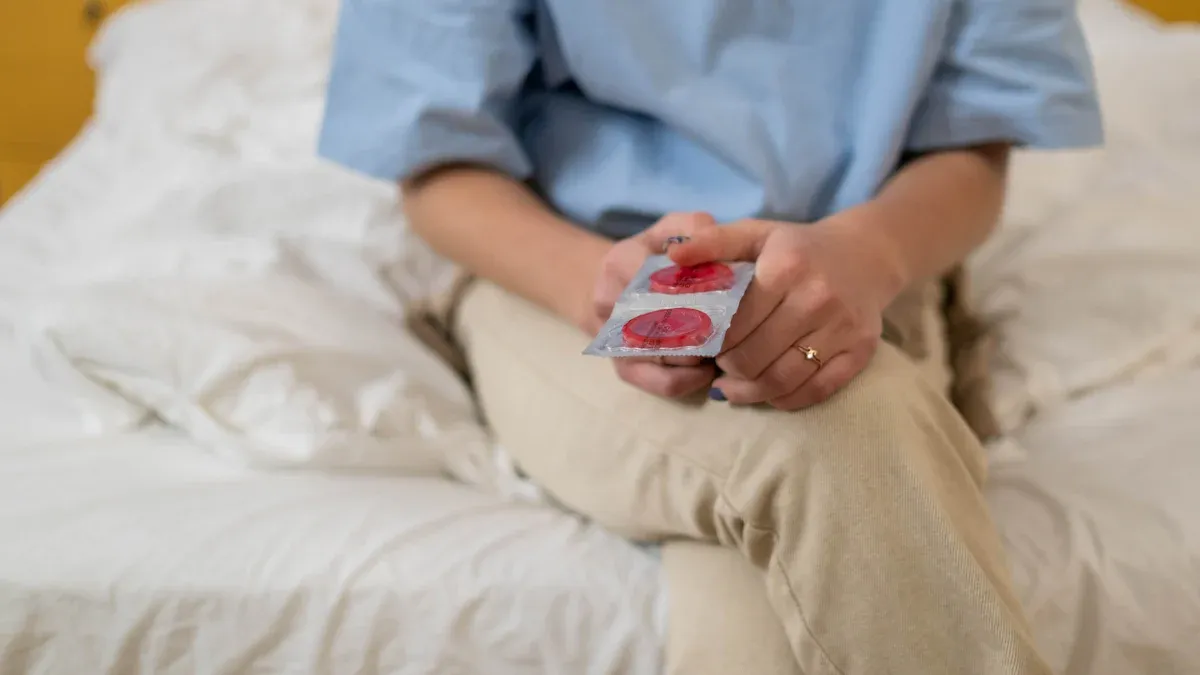
Taking care of your emotional well-being after sex can help you avoid negative feelings and build a healthier relationship with yourself and your partner. Managing expectations and practicing self-care are important steps if you sometimes feel bad after sex. Here are some practical ways to support your mood and maintain a positive outlook.
Be Honest With Yourself
Honesty with yourself is the foundation of emotional health. Check in with your feelings after sex. Ask yourself what you wanted from the experience and whether your needs were met. If you notice disappointment or sadness, try to understand where those feelings come from. You might realize that your expectations did not match reality, or that you wanted more emotional connection.
Tip: Journaling can help you process your emotions. Write down your thoughts and review them over time to spot patterns.
Being honest also means accepting your feelings without judgment. Everyone has moments of vulnerability. When you acknowledge your emotions, you give yourself permission to heal and grow.
Practice Safe Sex
Safe sex protects your physical and emotional health. Using protection reduces the risk of sexually transmitted infections and unplanned pregnancies. This peace of mind can help you relax and enjoy intimacy without extra worries.
Discuss safe sex practices with your partner before becoming intimate. Open conversations about protection show respect for each other’s well-being. When you both agree on safety measures, you build trust and reduce anxiety.
| Safe Sex Tips | Benefits |
|---|---|
| Use protection | Lowers health risks |
| Get regular checkups | Increases confidence |
| Communicate openly | Builds trust and understanding |
Self-Care Routines
Self-care after sex can improve your mood and prevent negative emotions. Many men find that thoughtful aftercare routines help them feel supported and connected. Here are some self-care ideas you can try:
- Cuddle with your partner to release oxytocin and promote calm.
- Share kind words or affirmations to strengthen your bond.
- Take time to relax together, such as lying quietly or napping.
- Offer a soothing massage to ease tension and show care.
- Help each other clean up, which shows attentiveness.
- Talk openly about your feelings to provide reassurance.
Note: Even small gestures, like offering water or a blanket, can make a big difference in how you both feel after intimacy.
If you feel bad after sex, these routines can help you transition from the intensity of the experience to a more grounded state. Practicing self-care supports your emotional health and helps you build positive associations with intimacy.
Coping If You Still Feel Bad After Sex
Even when you take steps to prevent negative emotions, you might still feel bad after sex. This is a common experience for many men. You can use healthy coping strategies, seek support, and know when to reach out for professional help.
Healthy Coping Strategies
You can manage difficult emotions by using practical coping techniques. These strategies help you process your feelings and regain a sense of control:
- Accept Your Emotions: Allow yourself to feel sad, anxious, or disappointed. Remind yourself that these emotions are temporary.
- Explore Your Feelings: Ask yourself questions like, “What triggered this feeling?” or “Did something remind me of a past experience?”
- Journaling: Write about your experiences after sex. Over time, you may notice patterns that help you understand your emotional responses.
- Practice Mindfulness: Focus on your breath or sensations in your body. Mindfulness can help you stay present and reduce emotional overwhelm.
- Post-Sex Self-Care: Develop routines that help you relax, such as taking a warm shower, listening to music, or spending quiet time alone.
Tip: You can combine several of these strategies. For example, you might journal your feelings and then practice mindfulness to calm your mind.
Seek Support
You do not have to handle these feelings alone. Support systems can make a big difference in how you cope with negative emotions after sex. Here are some options:
| Support System Type | Description |
|---|---|
| Adult Psychotherapy | Individual therapy sessions to address emotional struggles. |
| Couples Therapy | Therapy focused on improving relationships and communication. |
| Family Therapy | Support for family dynamics and emotional health within family structures. |
| Support Groups and Workshops | Group settings for shared experiences and coping strategies. |
Talking to a trusted friend or joining a support group can help you feel less isolated. You might also find online communities where people share similar experiences. Social support can give you new perspectives and practical advice.
When to Get Professional Help
Sometimes, negative emotions after sex do not go away on their own. If you frequently feel bad after sex or notice that these feelings disrupt your daily life, consider reaching out to a mental health professional. Therapy can help you explore the underlying causes of your emotions and develop healthier coping skills.
If postcoital dysphoria affects your quality of life, relationships, or self-esteem, seeking professional support is a positive step. A therapist can help you understand the psychological factors involved and guide you toward recovery. You are not alone in this experience, and professional help can empower you to feel better about yourself and your relationships.
Note: Reaching out for help shows strength and self-awareness. Many men benefit from therapy and support, and you can too.
You can avoid feeling bad after sex by focusing on self-awareness, open communication, and self-care. Emotional expression helps you build stronger connections and improve intimacy. Mindful sexual practices reduce anxiety and increase satisfaction.
| Key Step | Benefit |
|---|---|
| Self-awareness | Understand your emotions and triggers |
| Communication | Strengthen trust and intimacy |
| Mindful practices | Enhance satisfaction and connection |
Remember, you have the power to create positive sexual experiences. With these steps, you can feel confident and good about your choices.
FAQ
Why do I sometimes feel sad or empty after sex?
You may experience sadness due to hormonal changes, emotional disconnect, or unmet expectations. This reaction is common and does not mean something is wrong with you. Tracking your feelings can help you understand your emotional patterns.
Can feeling bad after sex mean there is a problem with my relationship?
Not always. Sometimes, negative feelings come from stress, past experiences, or personal expectations. If you notice a pattern, open communication with your partner can help you both understand each other better.
What can I do right after sex if I start to feel regret or guilt?
Take a few deep breaths and give yourself time to process your emotions. Journaling or talking to someone you trust can help. Practicing self-care, like taking a shower or relaxing, may also improve your mood.
Is it normal for guys to feel postcoital dysphoria (PCD)?
Yes, many guys experience PCD at some point. Hormonal shifts and emotional factors can cause this. You are not alone. If these feelings happen often, consider tracking your mood and discussing it with a professional.
How can I talk to my partner about feeling bad after sex?
Start with honesty. Use “I” statements, such as “I sometimes feel down after sex.” Ask your partner how they feel, too. This approach builds trust and helps both of you support each other.
Will practicing safe sex help me feel better emotionally?
Safe sex can reduce anxiety about health risks. Feeling secure physically often leads to greater emotional comfort. Discussing protection with your partner also builds trust and respect.
When should I seek professional help for negative feelings after sex?
If you feel sad, anxious, or guilty after sex most of the time, or if these feelings affect your daily life, reach out to a mental health professional. Therapy can help you understand and manage your emotions.
Can self-care routines really make a difference after sex?
Yes, self-care routines like cuddling, talking, or relaxing can help you feel grounded and supported. Small gestures can improve your mood and strengthen your connection with your partner.