You might feel nervous or unsure when you first hear about sensation play. Many beginners worry about making mistakes or crossing boundaries. A Beginner’s Guide gives you clear steps, answers common questions, and helps you avoid risky situations. It removes the guesswork, so you can focus on enjoying new experiences.
When you follow trusted guidance, you gain confidence and know you are exploring safely. This reassurance lets you relax and discover what feels good for you.
Key Takeaways
- Sensation play enhances pleasure by stimulating your senses. Start with simple activities like using a feather or listening to music.
- A Beginner’s Guide helps you understand sensation play, making it less intimidating and more enjoyable.
- Communication is key. Always discuss boundaries and use safe words to ensure a safe experience.
- Safety matters. Know your tools, start slow, and check for injuries before and after play.
- Aftercare is essential. Spend time together after play to relax and discuss your feelings.
- You do not need expensive tools. Everyday items like scarves and brushes can create exciting sensations.
- Avoid common mistakes by preparing, communicating, and learning from each session.
- Confidence grows with practice. Take notes on what you enjoy and adjust your approach as needed.
Sensation Play Basics
What Is Sensation Play
Sensation play invites you to explore pleasure by stimulating your senses. You can use touch, sight, sound, taste, and smell to create new experiences. Many people start with simple activities, such as running a feather across your skin or listening to music during intimacy. In BDSM, sensation play includes practices like pinching, tickling, hot wax, and even fire play. You do not need to use all these methods. You can choose what feels safe and exciting for you.
- Common sensation play activities:
- Clips and clamps
- Pinching
- Hot wax
- Knife play
- Electricity play
- Tickle torture
- Cupping and fire cupping
- Fire play
Tip: You can experiment with sensory tools alone before sharing them with a partner. This helps you discover your preferences and build confidence.
Case Study:
Imagine you want to try sensation play for the first time. You start by using a soft scarf to gently brush your arm. You notice how the texture feels different from your usual touch. You realize you enjoy light tickling more than firm pressure. This simple experiment helps you communicate your likes and dislikes when you try sensation play with someone else.
Why It Matters
You might wonder why sensation play deserves attention. Sensation play helps you connect with your body and your partner. You learn what feels good and what feels uncomfortable. This knowledge leads to better communication and more enjoyable experiences. In BDSM communities, sensation play is often the first step for beginners. You can set boundaries and use safe words to stay in control. You do not need to feel pain to enjoy sensation play. Many people find pleasure in gentle touches and new sensations.
| Sensation | Example Activity | Beginner Friendly? |
|---|---|---|
| Touch | Feather, silk, wax | Yes |
| Sound | Music, whispers | Yes |
| Sight | Blindfolds, candlelight | Yes |
| Taste | Flavored oils, chocolate | Yes |
| Smell | Scented candles, perfumes | Yes |
Note: Communication and consent are crucial. You should always talk about your limits and use a safe word, even if you do not expect pain.
Case Study:
You and your partner decide to try sensation play. You agree on a safe word and discuss what you want to explore. You use a blindfold and play soft music. You both feel more connected and relaxed. You check in with each other during the experience. This approach helps you build trust and enjoy new sensations without fear.
Common Myths
Many myths surround sensation play. Some people believe you must enjoy pain to participate. Others think sensation play is only for experts. These ideas can stop you from trying new things. You do not need to be an expert or enjoy pain. Sensation play is accessible for everyone, especially beginners. You can start with gentle activities and move at your own pace.
- Myth: Sensation play always involves pain.
- Myth: Only experienced people can try sensation play.
- Myth: You must use expensive tools.
- Myth: Sensation play is dangerous.
Callout: A Beginner’s Guide helps you separate fact from fiction. You learn that sensation play can be safe, gentle, and fun.
Case Study:
You read online that sensation play is risky and painful. You feel nervous about trying it. After reading a Beginner’s Guide, you learn you can start with simple activities like using a feather or scented candle. You realize sensation play is about exploring what feels good for you, not following strict rules. This knowledge encourages you to try new things with confidence.
Beginner’s Guide Impact
Demystifying Sensation Play
You may feel overwhelmed by myths and uncertainty when you first approach sensation play. A Beginner’s Guide breaks down complex ideas into simple steps. You learn that sensation play does not require pain or expensive tools. The guide explains how you can start with gentle activities and progress at your own pace. This clarity removes fear and confusion, making the experience less intimidating.
Tip: When you understand the basics, you can focus on what excites you instead of worrying about doing something wrong.
Research shows that educational resources encourage exploration and engagement. You gain the confidence to interact with your environment through different senses. This process fosters a desire to try new experiences and supports your emotional and behavioral development. You become more willing to experiment and discover what brings you pleasure.
Case Study:
You read a Beginner’s Guide before your first sensation play session. The guide explains how to use a blindfold and feather safely. You realize you do not need to feel pain or use complicated equipment. You feel less anxious and more curious. You decide to try a simple activity with your partner, knowing you have the information you need.
Building Confidence
A Beginner’s Guide empowers you to explore sensation play safely. You learn how to communicate your boundaries and preferences. The guide encourages you to ask questions and share your feelings. This open communication helps you avoid misunderstandings and builds trust.
- You discuss your interests and limits before starting.
- You agree on a safe word and check in during the experience.
- You practice aftercare to ensure comfort and support.
You gain confidence as you see your partner respond positively to your feedback. You feel respected and valued. The guide gives you tools to handle unexpected situations, so you can relax and enjoy the moment.
| Step | Action | Benefit |
|---|---|---|
| 1 | Share your interests | Builds trust |
| 2 | Set boundaries | Prevents discomfort |
| 3 | Use safe words | Ensures safety |
| 4 | Practice aftercare | Reinforces support |
Case Study:
You and your partner use a Beginner’s Guide to plan your first session. You talk about what you want to try and set clear boundaries. During the activity, you use a safe word to pause and check in. Afterward, you spend time together, discussing what you liked and what you want to change. You feel more confident and excited to try new things.
Enhancing Connection
Knowledge from a Beginner’s Guide leads to better pleasure and intimacy. You learn how to create a supportive environment where both partners feel safe. The guide teaches you to listen and respond to each other’s needs. This process strengthens your emotional connection.
- Blindfold play requires you to discuss preferences and boundaries.
- Heightened senses during play create a more intimate experience.
- Aftercare reinforces trust and ensures a safe environment.
You notice that sensation play becomes more meaningful when you communicate openly. You and your partner feel closer and more connected. The guide helps you turn a simple activity into a shared journey of discovery.
Note: Connection grows when you respect each other’s boundaries and celebrate new experiences together.
Case Study:
You use a Beginner’s Guide to try blindfold play. You talk about what feels comfortable and set a safe word. During the session, you focus on each other’s reactions and adjust your actions. Afterward, you share your thoughts and feelings. You feel a deeper bond and look forward to exploring more together.
Key Elements for Beginners
Beginner’s Guide to Safety
Safety forms the foundation of sensation play. You need to protect yourself and your partner from harm. A Beginner’s Guide helps you understand why safety matters and how you can practice it every time. You should fill out a Yes, No, Maybe list with your partner. This list lets you discuss what feels safe and what does not. Trust and communication must come before any activity. You should always prioritize comfort and check for injuries before and after play.
Safety Checklist for Beginners
| Step — | Action — | Why It Matters — | | 1 — | Know your tools | Prevents accidents | | 2 — | Hydrate and check for injuries | Keeps body healthy | | 3 — | Start slow | Allows adjustment | | 4 — | Watch for warning signs | Stops harm early | | 5 — | Provide aftercare | Supports recovery |
Tip: You can start with gentle sensations and increase intensity only when you feel ready.
Case Study:
You want to try wax play for the first time. You talk with your partner about safety. You test the wax temperature on your own skin. You keep water nearby and agree to stop if you feel pain. You check for burns after the session and spend time together to relax. This careful approach keeps you safe and builds trust.
Consent and Boundaries
Consent and boundaries protect your emotional well-being. You must give clear, enthusiastic, and ongoing consent. You should talk about soft and hard limits before you begin. Safe words help you pause or stop play at any time. Open communication lets you share comfort levels and hesitations.
How to Set Boundaries
- Discuss what you want and do not want.
- Use safe words for stopping or slowing down.
- Check in with your partner during play.
- Respect each other’s limits.
Callout: Consent is not a one-time event. You can change your mind at any point.
Case Study:
You and your partner decide to try blindfold play. You both share your limits and choose a safe word. During the session, you use the safe word when you feel uncomfortable. Your partner stops and checks in with you. You feel respected and safe because you know your boundaries matter.
Aftercare
Aftercare supports your emotional and physical health after sensation play. You need time to relax and recover. Aftercare activities, such as cuddling, talking, or sharing a snack, reduce stress and promote well-being. You and your partner can use this time to discuss feelings and strengthen your bond.
Aftercare Benefits
- Maintains emotional and physical well-being
- Encourages open communication
- Aids in physical recovery
- Reduces stress
- Promotes relaxation
Note: Aftercare is as important as the play itself. You should never skip it.
Case Study:
After a sensation play session, you feel tired and emotional. You and your partner spend time together, talk about the experience, and share a warm drink. You feel calm and supported. This aftercare helps you recover and deepens your connection.
Tools and Techniques

Sensory Devices
You can transform sensation play by using simple sensory devices. These tools help you discover new feelings and make each session unique. Beginners often feel unsure about which devices to try first. You do not need expensive or intimidating equipment. Many beginner-friendly options exist that are safe and easy to use.
- The Wartenberg wheel creates a sharp, tickly sensation when you roll it gently over the skin. You control the pressure, so you can keep things light and playful.
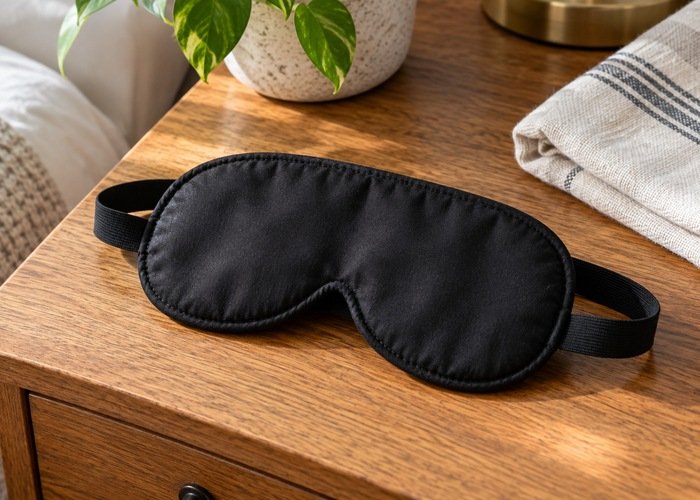
- A blindfold, such as a bandana or scarf, removes sight and heightens your other senses. You notice every touch and sound more intensely.
- Household items like a hairbrush can add prickly or soft sensations, depending on how you use them.
Tip: Combine a Wartenberg wheel with a blindfold to amplify the surprise and excitement. Always check in with your partner before using any new device.
Case Study:
You want to try sensation play but feel nervous about using new tools. You start with a soft scarf as a blindfold and a hairbrush for gentle teasing. You ask your partner to describe each sensation. You both laugh and share feedback, which helps you feel more comfortable and curious about trying new devices.
Textures and Temperatures
Exploring different textures and temperatures adds variety to sensation play. You can use items you already have at home to create new experiences. Soft, rough, warm, or cool sensations all trigger different responses in your body.
- Silk scarves and feathers offer gentle, soothing touches.
- A hairbrush or loofah provides a rougher, more stimulating feeling.
- Ice cubes and warm oil introduce temperature play. You can rub an ice cube along the skin or drizzle warm oil for a relaxing effect.
Safety should always come first, especially with temperature-based tools. You need to prepare and use the right materials to avoid accidents.
| Safety Consideration — | Description — | | First Aid Certification — | Ensures that you know how to handle emergencies. | | Fire Safety Kit — | Keep flame-retardant blankets, burn creams, wet towels, and a fire extinguisher nearby. | | Use of Massage Candles — | Choose massage candles instead of regular candles for safer wax play. |
Note: Always test temperature-based items on yourself before using them with a partner. Start with small areas and increase intensity slowly.
Case Study:
You and your partner want to try temperature play. You use a massage candle and drip a small amount of wax on your arm first. You keep a wet towel and burn cream nearby. You both agree to stop if anything feels too hot. This careful approach lets you enjoy new sensations without worry.
Simple Techniques
You do not need complex skills to enjoy sensation play. Simple techniques often create the most memorable experiences. Start with what feels comfortable and build from there.
- Use a bandana, necktie, or scarf as a blindfold to heighten anticipation.
- Experiment with a hairbrush for prickly sensations or a silk scarf for gentle teasing.
- Try temperature play with ice cubes or warm oil, always testing first.
- Introduce sensations gradually to build excitement.
- Use teasing and edging to increase emotional and physical impact.
- Discuss your favorite sensations and hard limits before you begin.
- Negotiate if you are okay with marks or want to avoid them.
- Stay informed and aware of risks by learning about each technique.
Callout: You create a safer and more enjoyable experience when you talk openly about your preferences and boundaries.
Case Study:
You want to surprise your partner with a new sensation. You blindfold them with a scarf and use an ice cube to trace patterns on their skin. You ask how each sensation feels and adjust based on their feedback. You both feel excited and connected, and you look forward to exploring more techniques together.
Common Mistakes
Overcoming Inexperience
You might feel unsure when you first try sensation play. Many beginners make similar mistakes because they lack experience. You may rush into new activities without enough preparation. You might skip important conversations about boundaries or forget to check in with your partner. These errors can lead to discomfort or misunderstandings.
Why do these mistakes happen? You want to impress your partner or try something exciting. You may not realize how important communication and safety are. A beginner’s guide helps you understand why you need to start slow and talk openly. You learn that building trust and knowledge takes time.
Common Beginner Mistakes
| Mistake — | Why It Happens — | How to Avoid — | | Not discussing boundaries — | Nervousness or excitement — | Talk before you start | | Skipping aftercare — | Lack of awareness — | Plan aftercare together | | Using unsafe tools — | Inexperience — | Research and test first | | Ignoring safe words — | Forgetfulness — | Agree on and use safe words |
Tip: You gain confidence when you learn from each session. Take notes on what worked and what did not.
Case Study:
You try sensation play for the first time and forget to set a safe word. During the session, you feel overwhelmed but do not know how to stop. Afterward, you realize the importance of clear communication. You read a beginner’s guide and decide to always discuss boundaries and safe words before future sessions. This change helps you feel safer and more in control.
Avoiding Pitfalls
You can avoid many common pitfalls by staying informed and open to learning. Many beginners believe they must follow strict rules or copy what they see online. You might think you need expensive tools or advanced skills. These beliefs can lead to disappointment or even unsafe situations.
Why should you avoid these pitfalls? You want sensation play to feel safe, enjoyable, and personal. A beginner’s guide shows you that you can create your own path. You learn to trust your instincts and adapt activities to your comfort level.
How to Keep Growing
- Ask for feedback from your partner after each session.
- Read guides and watch educational videos to expand your knowledge.
- Join online forums or local groups to learn from others’ experiences.
- Reflect on your feelings and adjust your approach as needed.
Note: Growth comes from curiosity and self-reflection. You do not need to be perfect to enjoy sensation play.
Case Study:
You see a video online showing advanced sensation play techniques. You try to copy it but feel uncomfortable and unsure. After reading a beginner’s guide, you realize you can start with simple activities and build skills over time. You join an online community and ask questions. You learn new tips and feel more confident with each session.
By understanding why mistakes happen and how to avoid them, you make sensation play safer and more rewarding. You grow with each experience and build a foundation for deeper connection and pleasure.
Getting Started
Preparation
You set yourself up for success when you prepare before sensation play. Preparation reduces anxiety and helps you create a safe, enjoyable experience. Professionals recommend several steps to help you get ready:
- Identify your sensory needs by noticing how you react to different sensations in daily life.
- Observe when you feel most sensitive or comfortable. This helps you plan the best time for play.
- Adjust your environment to minimize distractions and increase comfort. Dim the lights or play soft music if that helps you relax.
- Try out different sensory activities on your own. Notice what feels good or uncomfortable, and adjust your plans based on your reactions.
- Keep checking in with yourself and your partner. Adjust your approach as you learn what works best.
Tip: Preparation gives you control. You know what to expect, which makes the experience less intimidating.
Case Study:
You want to try sensation play for the first time. You notice you enjoy soft fabrics and dislike loud noises. You set up your bedroom with a soft blanket and turn off your phone. You test a feather on your arm and decide you like the feeling. This preparation helps you feel calm and ready to share your preferences with your partner.
First Steps
Your first experience with sensation play should feel safe and positive. Start with simple activities and clear safety guidelines. The table below shows important points to remember:
| Safety Guidelines for Sensation Play | Description |
|---|---|
| Age-appropriate materials | Use non-toxic items that do not pose choking hazards. |
| Allergy considerations | Avoid common allergens, especially in edible play. |
| Constant supervision | Stay attentive to your partner’s reactions at all times. |
| Clear clean-up protocols | Clean tools and surfaces to maintain safety. |
Begin with gentle touches, like a silk scarf or a soft brush. Ask your partner how each sensation feels. Use safe words and check in often. Set expectations before you start, so both of you know what will happen.
Note: Simple steps help you build trust and confidence. You do not need advanced skills to enjoy sensation play.
Case Study:
You and your partner agree to try sensation play using a blindfold and a feather. You talk about allergies and set a safe word. During the session, you watch for any discomfort and pause to check in. Afterward, you clean up together. This careful approach makes your first experience safe and enjoyable.
Checking In
Checking in keeps you and your partner safe and comfortable. You should ask questions before, during, and after play. This habit helps you spot problems early and adjust as needed.
- Ask how your partner feels before you begin.
- Pause during play to check for discomfort or pain.
- After the session, talk about what you liked and what you want to change.
- Practice aftercare, such as cuddling or sharing a snack, to support each other.
Callout: Regular check-ins show respect and care. They help you build trust and deepen your connection.
Case Study:
After your first session, you ask your partner how they felt about each activity. You both share what you enjoyed and what you want to try next time. You spend time together afterward, which helps you both feel valued and supported. This routine makes sensation play a positive and safe experience for both of you.
You may hesitate to try sensation play because of fear, vulnerability, or pressure to get it right. A Beginner’s Guide helps you overcome these concerns by creating a safe space and encouraging gentle exploration. You gain practical benefits, such as improved motor skills, emotional regulation, and deeper emotional connection.
| Benefit | Explanation |
|---|---|
| Development of Motor Skills | Sensory play guides movement and coordination. |
| Emotional Regulation | Sensory experiences help you manage and understand feelings. |
| Emotional Connection | Sensation play strengthens bonds and supports emotional growth. |
You can take your first step with confidence, knowing guidance transforms your experience.
FAQ
What is the safest way to start sensation play?
You should begin with gentle sensations, like a feather or silk scarf. Talk with your partner about boundaries and safe words. Start slow and check in often. Always stop if something feels uncomfortable.
Do I need special tools for sensation play?
No, you do not need special tools. Everyday items like scarves, brushes, or ice cubes work well. Focus on safety and comfort. Test each item on yourself first to see how it feels.
How do I talk to my partner about sensation play?
Start by sharing your curiosity and asking about their interests. Use a Yes, No, Maybe list to discuss boundaries. Agree on safe words. Open communication builds trust and makes the experience better for both of you.
What should I do if something feels wrong during play?
Stop immediately and use your safe word. Check in with your partner. Discuss what happened and how you feel. Never ignore discomfort. Safety and trust matter most.
How important is aftercare?
Aftercare is essential. It helps you and your partner relax and process the experience. You can cuddle, talk, or share a snack. Aftercare supports emotional well-being and strengthens your connection.
Can sensation play be part of a healthy relationship?
Yes, sensation play can improve communication and intimacy. You learn about each other’s likes and dislikes. Respect and consent make the experience positive and safe.
What are common mistakes beginners make?
Many beginners skip talking about boundaries or forget aftercare. Some use unsafe tools or ignore safe words. You can avoid these mistakes by preparing, communicating, and learning from each session.