You can safely masturbate with chronic pain and experience meaningful benefits. Masturbation often improves mood, brings relaxation, and helps you manage discomfort. Many people report feelings of joy, happiness, and calmness after self-pleasure. Masturbation triggers endorphin release, which supports pain relief and better sleep. Listen to your body and choose techniques that suit your needs. If you have pelvic pain or a recent injury, consult your healthcare provider before you begin. A supportive, non-judgmental environment lets you prioritize comfort and safety.
Key Takeaways
- Masturbation can provide temporary pain relief by releasing endorphins, which help reduce discomfort.
- Improved mood and relaxation often follow masturbation, making it a useful tool for managing stress and anxiety.
- Listening to your body is crucial; stop if you feel increased pain and try different techniques or positions.
- Create a comfortable environment by adjusting lighting, temperature, and removing distractions to enhance relaxation.
- Using supportive props like pillows can help reduce strain and make masturbation more enjoyable.
- Choose the right lubricant to minimize friction and enhance comfort during self-pleasure.
- Practice self-compassion and acknowledge your feelings about chronic pain to foster emotional wellbeing.
- Consult a healthcare provider if you experience persistent pain or unusual symptoms during or after masturbation.
Benefits
Pain Relief
You can use masturbation as a tool to help manage chronic pain. Many people find that sexual pleasure brings temporary relief from discomfort. When you reach orgasm, your body releases endorphins and other chemicals that can reduce pain sensations. Research shows that masturbation to orgasm increases plasma levels of the endocannabinoid 2-AG, which may play a role in pain relief during sexual activity.
- Masturbation triggers endorphin release, which can help you feel less pain for a short period.
- Studies suggest that endocannabinoids, released during orgasm, may support pain management.
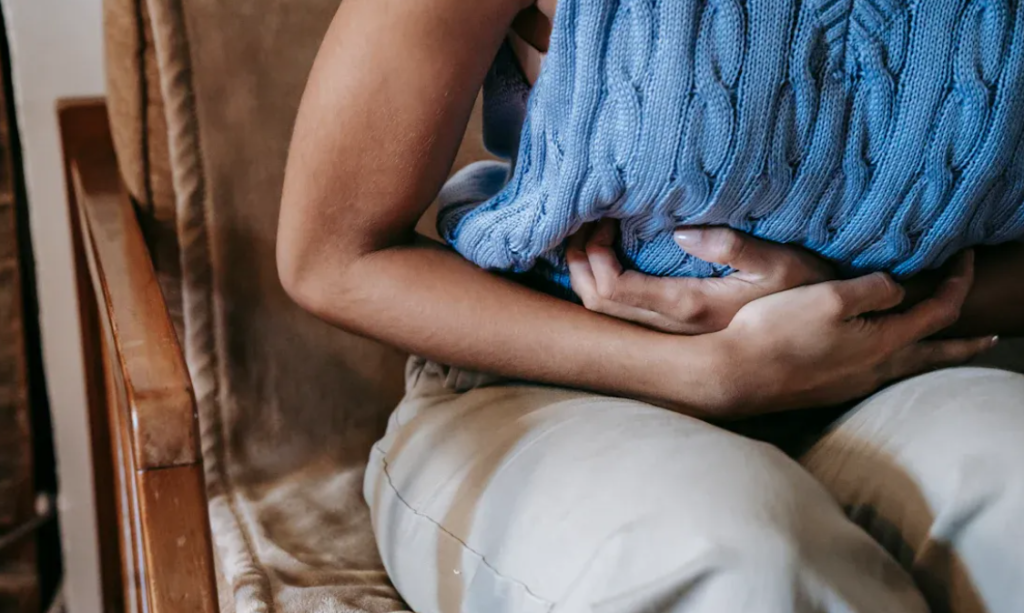
- Some people with menstrual pain report that masturbation helps ease cramps and tension.
You should remember that masturbation is not a cure for chronic pain. It can help you manage discomfort and provide a sense of normalcy. You may notice that relief lasts for a limited time, so it is important to listen to your body and avoid pushing through pain.
Tip: If you experience increased pain during masturbation, stop and try a different technique or position. Your comfort and safety come first.
Mood and Sleep
Masturbation can improve your mood and help you relax. Many people feel happier and calmer after sexual release. You may notice that stress and anxiety decrease, making it easier to cope with daily challenges. Masturbation also supports better sleep for some individuals. The relaxation and endorphin boost after orgasm can help you fall asleep faster and enjoy deeper rest.
Here is a summary of recent research on sleep quality and sexual activity:
| Study | Findings |
|---|---|
| Dittami et al. (2007) | Sexual activity, including masturbation, has been reported to improve sleep quality, which may facilitate memory consolidation. |
| Oesterling et al. (2023) | A diary study found that partnered sexual activity, particularly with orgasm, was associated with better sleep quality. |
| Cervilla et al. (2024) | Masturbation did not show a significant association with changes in sleep, indicating unique benefits of partnered sexual activity. |
You may find that masturbation helps you unwind before bed, but the effects can vary. If sleep is a concern, you can experiment with timing and techniques to see what works best for you.
Stress Reduction
You can use masturbation as a way to reduce stress and tension. Sexual pleasure activates your body’s relaxation response, lowering stress hormones and promoting a sense of well-being. Many people report feeling more balanced and less overwhelmed after self-pleasure. Masturbation offers a private, safe space to focus on your own needs and comfort.
- Masturbation can help you release built-up tension.
- You may notice improved mood and resilience after sexual activity.
- Taking time for self-pleasure can support emotional balance and self-care.
You deserve comfort and relief, even when living with chronic pain. Masturbation is one tool you can use to support your physical and emotional health.
Listen to Your Body
Recognize Pain Signals
You need to pay close attention to your body’s signals during masturbation. Chronic pain can change from day to day, so your comfort level may shift. Notice any discomfort, sharp pain, or fatigue that arises. These sensations tell you when to slow down or stop. You can use pacing techniques to avoid overexertion and maintain energy for sexual activities.
- Try different positions to find what feels best. For example, keeping a neutral spine may help if you have lower back pain.
- Use props like pillows or towels to support painful areas and reduce pressure.
- Explore sexual activities beyond intercourse, such as masturbation or using sex toys, to discover what works for you.
Tip: If you feel pain increasing, pause and reassess your position or movement. Your comfort is the priority.
Set Boundaries
Setting boundaries helps you protect your well-being and enjoy sexual pleasure safely. You have the right to decline sexual activity if pain feels overwhelming. Communicate your needs clearly, whether you are alone or with a partner.
- Express your limits and preferences before engaging in any sexual activity.
- Consider alternative forms of intimacy, such as cuddling or massages, when pain makes masturbation difficult.
- Prioritize physical comfort by creating a supportive environment before you begin.
- Gradually integrate sexual behaviors into scenarios that feel safe and comfortable.
Discussing sexual needs and boundaries with a partner fosters trust and intimacy. You can seek professional support for tips on maintaining a healthy sex life. Improving communication skills about intimacy helps you express your needs effectively.
Note: Developing a flare-up plan with calming strategies for your nervous system after intimacy can help you manage pain episodes.
Know Your Limits
Understanding your physical limits allows you to enjoy masturbation without risking injury or increased pain. You should listen to your body and respect its boundaries.
- Adjust activities based on pain or fatigue. Communicate with your partner if you need to change or stop.
- Use pacing techniques to avoid pushing yourself too hard. Take breaks as needed.
- Try different positions and movements to find what feels most comfortable.
- Props like pillows or towels can make certain positions easier and reduce strain.
You deserve pleasure and comfort, even with chronic pain. By recognizing pain signals, setting boundaries, and knowing your limits, you create a safer and more enjoyable experience. Your body’s needs come first, and adapting your approach ensures you prioritize both comfort and safety.
Prepare for Comfort
Environment
You set the stage for comfort by choosing an environment that supports your needs. A calm, quiet space helps you relax and focus on pleasure. Soft lighting reduces sensory overload and creates a soothing atmosphere. You may want to adjust the temperature to avoid discomfort from cold or heat.
- Arrange your space so you can reach pillows, blankets, or water easily.
- Remove clutter to minimize distractions and promote relaxation.
- Play gentle music or use white noise to mask outside sounds.
A supportive environment encourages you to listen to your body. You can experiment with different settings until you find what feels best. If you share your living space, communicate your need for privacy and uninterrupted time.
Tip: You deserve a space that feels safe and welcoming. Prioritize comfort by making small changes to your surroundings.
Support Props
Props provide essential support when you live with chronic pain. You can use pillows to cushion sensitive areas or maintain a comfortable position. Towels help you adjust your posture and reduce strain on joints. Some people prefer wedges or bolsters for extra stability.
- Place pillows under your knees or lower back to relieve pressure.
- Use rolled towels to support your neck or wrists.
- Try a heating pad to relax muscles before or after masturbation.
You may benefit from adaptive equipment designed for sexual health. Specialized cushions, adjustable beds, or ergonomic furniture can make self-pleasure easier. You can explore these options with your healthcare provider or occupational therapist.
| Prop Type | Benefit | How to Use |
|---|---|---|
| Pillow | Reduces pressure | Under knees or back |
| Towel | Adjusts posture | Rolled under neck/wrist |
| Wedge/Bolster | Adds stability | Supports hips or torso |
| Heating Pad | Relaxes muscles | Before/after activity |
Note: You control your experience. Use props that match your comfort level and physical needs.
Privacy
Privacy plays a vital role in your comfort and safety. You need a secure space to explore pleasure without fear or judgment. Understanding your sexual history helps you identify barriers to intimacy, especially if pain has limited your sexual activity. If you have a history of trauma or abuse, you may require specialized care and a safe environment to discuss your needs.
- Choose a location where you feel safe and undisturbed.
- Lock doors or use signs to prevent interruptions.
- Communicate boundaries with anyone who shares your space.
Opioid medications, often prescribed for chronic pain, can affect your sexual health by suppressing sex hormones. You should consider these factors when planning for masturbation and discuss concerns with your healthcare provider.
Callout: Your privacy matters. You deserve respect and understanding as you navigate sexual health with chronic pain. Create a space where you feel empowered to prioritize your comfort.
Masturbate with Chronic Pain
Positions
Choosing the right position helps you masturbate with chronic pain safely and comfortably. You need to find positions that reduce pressure on sensitive areas and support your body. Many people with chronic pain benefit from adaptive techniques that minimize strain. You can use pillows, wedges, or bolsters to support your joints and maintain alignment.
Here are some pain-friendly positions you can try:
| Technique | Description |
|---|---|
| Adaptive Missionary | Lie on your back with support under your knees or lower back. This position reduces back pain. |
| Modified Doggie Style | Lie on your stomach with a wedge under your abdomen. This technique provides stability. |
| Spooning | Lie on your side with a pillow between your knees. This position minimizes strain and offers comfort. |
You can experiment with these positions to discover what feels best. Adjust your setup as needed to support your body and reduce discomfort. Masturbate with chronic pain by prioritizing comfort and using props that make self-pleasure easier.
Tip: Change positions if you notice increased pain or fatigue. Your comfort matters most.
Movements
Gentle movements help you masturbate with chronic pain while minimizing discomfort. You should focus on slow, mindful touch that promotes relaxation and pleasure. Tuning into your body’s responses allows you to adjust your technique and avoid aggravating pain.
Consider these strategies for safe and enjoyable movements:
- Use feather-light caresses to stimulate sensitive areas without causing pain.
- Try soft kisses or gentle massages to relax muscles and enhance pleasure.
- Move slowly and deliberately, paying attention to how your body feels.
- Pause frequently to check in with your comfort level.
You can explore different techniques and find what works for you. Masturbate with chronic pain by prioritizing gentle touch and adapting your movements to your needs. If you experience discomfort, stop and switch to a different approach.
Callout: Slow, mindful movements help you enjoy pleasure while protecting your body from strain.
Flare-Ups
Managing flare-ups is essential when you masturbate with chronic pain. Pain can increase suddenly, so you need strategies to cope and continue enjoying self-pleasure. Orgasms release endorphins, which can relieve pain and boost your mood. Many people with endometriosis or menstrual pain find that masturbation helps ease cramps and tension.
Here are some techniques to manage flare-ups:
- Masturbation releases endorphins like oxytocin and dopamine, which temporarily reduce pain and stress.
- Self-pleasure provides natural pain relief at any time of the month.
- Focus on body-awareness and tantric touch to deepen relaxation and pleasure.
- Take breaks or stop if pain intensifies. Resume only when you feel comfortable.
You can develop a flare-up plan that includes calming activities, such as deep breathing or gentle stretching. Masturbate with chronic pain by listening to your body and adapting your routine as needed. The benefits of pleasure and body-awareness make it worth overcoming initial hesitation.
Note: Always prioritize your safety. Stop immediately if pain increases and consult your healthcare provider if you have concerns.
Tools and Lubrication
Lubricants
Choosing the right lubricant can make masturbation more comfortable and safer, especially if you have chronic pain or sensitive skin. You should select a product that matches your needs and preferences. Many people with chronic pain find that certain lubricants reduce friction and irritation, making self-pleasure easier.
- Water-Based Lubricants: These work well for sensitive skin. You can wash them off easily, and they do not leave a sticky residue. Brands like Sliquid H2O and Good Clean Love Almost Naked offer gentle formulas.
- Silicone-Based Lubricants: These provide a long-lasting, smooth glide. You may prefer them for extended sessions. However, avoid using silicone-based lubricants with silicone toys. Uberlube and Pjur Original are popular choices.
- Oil-Based Lubricants: These offer natural hydration and a lasting feel. Coconut oil (organic, unrefined) is a safe option, but do not use oil-based lubricants with latex condoms.
- Hybrid Lubricants: These combine water and silicone properties for versatility. Sliquid Silk and Aloe Cadabra are recommended for their gentle formulas.
Tip: Test a small amount of lubricant on your skin before use. This helps you avoid irritation or allergic reactions.
Adaptive Toys
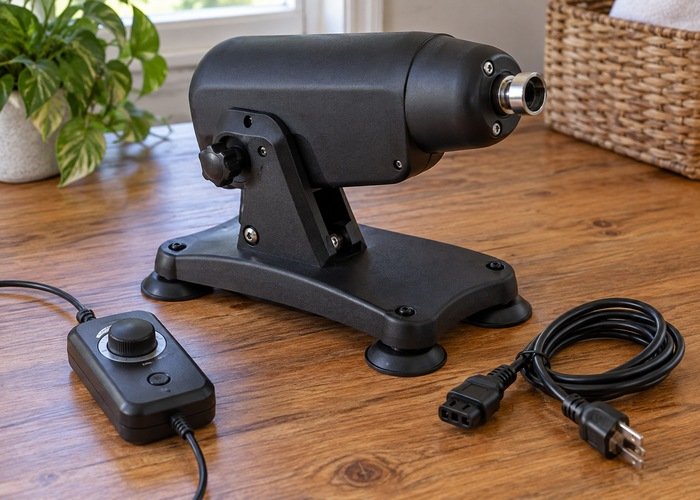
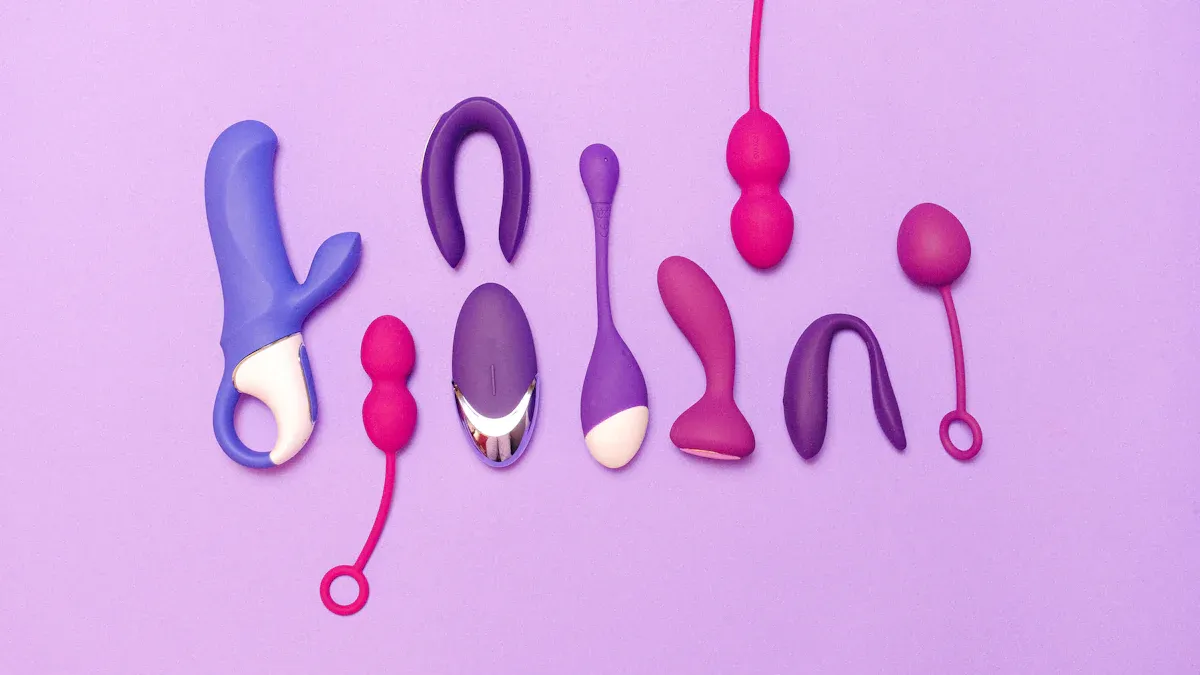
You can enhance comfort and pleasure by choosing adaptive sex toys designed for people with chronic pain. These toys feature hands-free operation, easy-to-press buttons, and ergonomic designs that reduce physical strain. You should explore different options to find what works best for your body.
| Adaptive Sex Toy | Features |
|---|---|
| Pulse III Solo | Hands-free operation, adjustable speed, comfortable silicone wings, effective without an erection. |
| Swan Wand | Easy-to-press buttons, great handle, adjustable intensity levels. |
| WaterSlyde | Hands-free operation, focuses water pressure for targeted stimulation. |
| Liberator Tula | Soft positioning pillow for mounting toys, sturdy design. |
| Aneros Prostate Massagers | Hands-free operation, utilizes muscle flexing for stimulation without manual effort. |
- Look for toys with easy-to-press buttons for convenience.
- Choose hands-free options to minimize physical effort.
- Experiment with different toys to discover what feels best for you.
Callout: You deserve pleasure without unnecessary strain. Adaptive toys can help you enjoy masturbation with greater comfort and safety.
Cleaning
Proper cleaning practices keep your tools safe and hygienic. You should clean sex toys before and after each use to prevent infections. Use gentle, unscented soap or a water-based sex toy cleaner for sensitive skin. Rinse toys thoroughly to remove any residue and avoid irritation.
- Use nonporous materials like 100% silicone, metal, or borosilicate glass for easier cleaning.
- Avoid porous materials such as jelly rubber or PVC, which can harbor bacteria.
- For nonporous toys, you may use a dishwasher without detergent for deep cleaning.
- Allow toys to air dry completely before storing them.
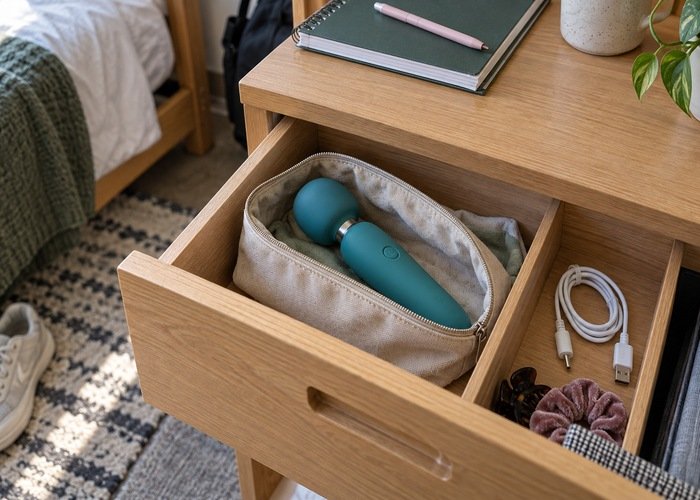
- Store toys in satin pouches to protect them from dust and debris.
Note: Cleanliness supports your comfort and safety. You can maintain a healthy routine by following these simple steps.
Safety and Consultation
When to Seek Advice
You should recognize when to consult a healthcare provider before or after masturbating, especially if you are healing from pelvic pain or a recent injury. Masturbation can be safe, but some situations require professional guidance. If you notice regular or severe pain during or after masturbation, you need to seek medical advice. Bleeding from the genital area, persistent discomfort, or worsening pain are clear signals that you should not ignore. You may also need to consult a provider if you have concerns about sexually transmitted infections (STIs), possible pregnancy, or other physical or mental symptoms.
Tip: Do not hesitate to reach out to your healthcare provider if you feel uncertain about your symptoms. Early intervention helps prevent complications and supports your overall well-being.
You can also take steps at home to manage minor discomfort. Resting the affected area and applying moisturizer may help with mild irritation. However, if pain persists or you notice unusual symptoms, professional evaluation is necessary.
Common signs you should seek medical advice:
- Persistent or worsening pain
- Bleeding from the genital area
- Risk of STI due to unprotected sex
- Possible pregnancy concerns
- Other physical or mental symptoms that do not resolve
Safety Tips
You can reduce the risk of injury and promote comfort by following simple safety tips during masturbation. Chronic pain may increase your sensitivity, so you need to take extra precautions. Clean hands before and after masturbation to prevent infections or irritation. Use lubrication to minimize friction and lower the chance of skin injury. After your session, urinate to help cleanse the urethra and decrease the risk of urinary tract infections (UTIs).
Safety tips for comfortable masturbation:
- Wash your hands thoroughly before and after self-pleasure
- Choose a lubricant that suits your skin and reduces friction
- Urinate after masturbation to help prevent UTIs
You should monitor your body for any adverse effects. If you experience pain, stop and reassess your technique or position. Avoid using toys or products that cause irritation or discomfort. You can rest the affected area and apply moisturizer if you notice mild soreness.
| Safety Tip | Benefit |
|---|---|
| Clean Hands | Prevents infection and irritation |
| Lubrication | Reduces friction and injury risk |
| Post-Session Urination | Cleanses urethra, lowers UTI risk |
Note: Your safety is essential. Listen to your body and adapt your routine as needed. Consult your healthcare provider if you have any concerns or experience unusual symptoms.
You can enjoy masturbation safely by prioritizing comfort, monitoring your body, and seeking advice when necessary. These steps help you maintain sexual health and well-being, even while living with chronic pain.
Emotional Wellbeing
Frustration and Guilt
You may experience frustration or guilt when chronic pain interferes with your sexual pleasure. These emotions can feel overwhelming, especially if you compare your current experiences to the past. You might blame yourself for changes in desire or ability. Recognizing these feelings is the first step toward managing them.
Effective strategies can help you cope with frustration and guilt. You can try mindfulness techniques, such as meditation or yoga, to reduce stress and foster acceptance. Therapy, especially cognitive-behavioral therapy (CBT), offers a structured environment to address underlying issues and develop coping skills. Regular exercise, a balanced diet, and adequate sleep support your mental health and resilience. Understanding what triggers guilt allows you to manage compulsive behaviors and regain control.
| Strategy | Description |
|---|---|
| Therapy | Provides a supportive space to address issues and build coping mechanisms. |
| Mindfulness | Meditation and yoga help manage stress and reduce guilt. |
| Lifestyle Changes | Exercise, nutrition, and sleep improve mental health. |
| Understanding Triggers | Identifying sources of guilt helps manage compulsive behaviors. |
Tip: You can practice mindfulness daily. Even a few minutes of deep breathing or gentle stretching can ease tension and help you reconnect with your body.
Self-Compassion
You deserve kindness and understanding, especially when pain disrupts your sexual wellbeing. Self-compassion means treating yourself with the same care you would offer a friend. You can start by acknowledging your pain without judgment. Ask yourself what you need in difficult moments. This approach helps you build a gentler relationship with your body and your experiences.
Consider the story of Meryl, a woman who lived with chronic back pain. She learned to embrace her pain rather than resist it. By asking herself what she needed during painful episodes, she developed a kinder relationship with her suffering. She expressed self-compassion by saying, “Oh, I’m so, so sorry you’ve got pain again!” This shift allowed her to smile more and accept her pain as a reminder to be gentle with herself.
You can adopt similar practices. Speak kindly to yourself. Allow space for your emotions. Remind yourself that your worth does not depend on your physical abilities. Self-compassion supports healing and fosters a sense of peace.
Callout: You have permission to be gentle with yourself. Self-compassion is a powerful tool for emotional wellbeing.
Positive Body Image
Chronic pain can change how you view your body. You may struggle with body dissatisfaction or feel disconnected from your physical self. Building a positive body image supports your sexual wellbeing and overall happiness. Accepting your pain and appreciating your body’s functionality can improve your relationship with yourself.
Research shows that pain acceptance predicts positive body image. When you focus on what your body can do, rather than its limitations, you nurture sexual wellbeing. Body appreciation links to reduced dissatisfaction and greater confidence.
| Aspect of Body Image | Findings |
|---|---|
| Pain Acceptance | Most consistent predictor of body image |
| Body Functionality | Positive correlation with sexual wellbeing |
| Body Appreciation | Linked to reduced body dissatisfaction |
You can practice body appreciation by celebrating small victories and acknowledging your strengths. Notice moments when your body feels good. Express gratitude for what your body allows you to experience.
Note: You can cultivate a positive body image, even with chronic pain. Focus on acceptance and appreciation to support your emotional and sexual health.
You can prioritize comfort and safety by using pillows for support, exploring sensate-focused and mindfulness techniques, and scheduling self-pleasure when pain is manageable.
- Try adaptive positions and pause to relax your muscles.
- Use sex toys or lubricants to reduce effort and discomfort.
- Practice self-compassion, which research links to lower sexual distress and greater satisfaction.
| Strategy | Benefit |
|---|---|
| Mindfulness & Adaptation | Enhances pleasure, reduces pain |
| Communication | Eases intimacy stress |
You deserve pleasure and comfort. Listen to your body, experiment with techniques, and remember that self-kindness fosters healing—even with chronic pain.
FAQ
Can masturbation worsen chronic pain?
You may notice increased pain if you ignore your body’s signals. Always stop if discomfort rises. Adjust your technique or position to reduce strain. Consult your healthcare provider if pain persists.
What lubricants work best for sensitive skin?
Water-based lubricants suit sensitive skin. You can choose brands like Sliquid H2O or Good Clean Love Almost Naked. Test a small amount first to check for irritation.
How do I choose a comfortable position?
Try positions that support your joints and reduce pressure. Use pillows or wedges for extra comfort. Experiment until you find what feels best for your body.
Tip: Change positions if you feel pain or fatigue.
Are adaptive sex toys safe for chronic pain?
Adaptive toys with ergonomic designs and hands-free features help reduce physical effort. You should select nonporous materials for easy cleaning. Always follow manufacturer instructions.
What should I do if I feel guilty about self-pleasure?
Practice self-compassion. Remind yourself that pleasure supports your wellbeing. Mindfulness and therapy can help you manage guilt and frustration.
| Strategy | Benefit |
|---|---|
| Mindfulness | Reduces guilt |
| Therapy | Builds resilience |
When should I seek medical advice?
You should contact your healthcare provider if you experience persistent pain, bleeding, or unusual symptoms during or after masturbation. Early intervention helps prevent complications.
Can masturbation help with sleep problems?
Masturbation may help you relax and fall asleep faster. Endorphin release after orgasm supports better rest. Effects vary, so experiment with timing and technique.