Using worn-out sex toys can harm your health. Cracks or damage create the perfect spot for bacteria to grow, leading to infections or irritation. It’s important to replace sex toys when they show signs of wear. Keeping them in good condition ensures a safer, more enjoyable experience for you.
Key Takeaways
- Check your sex toys often for cracks, stains, or rough spots. These show it’s time to get new ones to stay healthy.
- Bad smells from toys can mean bacteria is growing. If washing doesn’t fix it, throw the toy away.
- Clean toys the right way based on their material. Taking care of them makes them last longer and safe to use.
Health Risks of Worn-Out Sex Toys
Bacterial Growth in Damaged Toys
Old sex toys can get cracks, tears, or small holes. These spots are great places for bacteria to hide. Even if you clean them, germs can stay in damaged areas. This can lead to infections or irritation. Toys made of jelly rubber or PVC are worse. They break down faster and trap bacteria deep inside. If your toy smells weird, changes color, or looks damaged, replace it. Keeping toys in good shape helps keep you safe.

Material Breakdown and Toxicity Risks
Sex toy materials can wear out over time. Cheaper materials break down faster and may release harmful chemicals. These chemicals can irritate your skin or cause health problems. Some old toys have toxic stuff like phthalates that leak out as they age. Check your toys often for damage or changes. If they feel rough or look different, it’s safer to replace them.
Irritation and Allergic Reactions from Degraded Materials
Using old toys can cause itching or irritation. As toys wear out, they can get rough or flaky. This can bother sensitive skin or cause allergies. Even if the toy was fine before, it might now cause problems. Redness, itching, or irritation are signs to stop using it. Replace damaged toys to stay comfortable and safe. Your health is always worth it.
When to Replace Sex Toys
Cracks, Discoloration, or Texture Changes
Take a close look at your toys. Do you see cracks, discoloration, or changes in texture? These are clear signs it’s time to replace them. Cracks can trap bacteria, making cleaning almost impossible. Discoloration might mean the material is breaking down. If the surface feels rough or sticky, it’s no longer safe to use. Damaged toys aren’t worth the risk to your health. Regularly inspect your toys to catch these issues early.
Persistent Odors Indicating Bacterial Growth
Does your toy have a smell that won’t go away, no matter how much you clean it? That’s a red flag. Persistent odors often mean bacteria have taken hold in the material. This is especially common with porous toys. Even if the toy looks fine, a lingering smell is a sign to let it go. A fresh, clean toy is always a better choice for your health and peace of mind.
Mechanical or Electronic Malfunctions
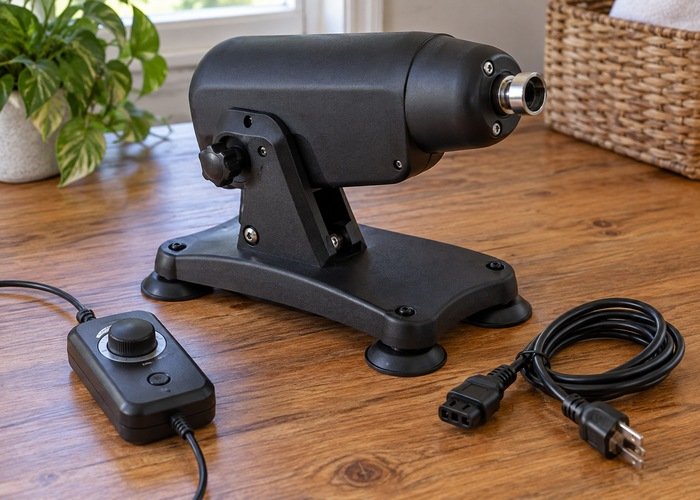
If your toy has moving parts or electronics, pay attention to how it works. Is it slower than usual? Does it stop working randomly? These malfunctions can make the toy unsafe. A broken motor or exposed wires could cause harm. Instead of trying to fix it, replace the toy. A fully functional toy ensures a safer and more enjoyable experience.
Wear and Tear in Frequently Used Toys
Your favorite toys might wear out faster because you use them more often. Over time, even high-quality materials can degrade. Look for signs like thinning material, loose parts, or a change in how the toy feels. Frequent use means frequent checks. Don’t wait for major damage—replace sex toys before they become a problem.
Tip: Keep a rotation of toys to reduce wear and tear on any single one. This helps them last longer and keeps your collection fresh.
Best Practices for Maintaining Sex Toys
Cleaning Guidelines for Different Materials
Cleaning sex toys the right way keeps them safe and lasting longer. Different materials need different cleaning methods to stay in good shape. For non-porous materials like silicone, glass, or stainless steel, use warm water and mild soap. Porous materials like jelly or rubber need extra care because they can hold bacteria. Always clean toys after each use to remove fluids or lubricants. If you’re not sure how to clean them, check the maker’s instructions.
Here’s a simple cleaning guide:
| Guideline | Description |
|---|---|
| Cleaning | Wash toys after use and before if stored improperly. |
| Drying | Dry with paper towels to avoid skin irritation. |
| Sterilization | Sterilize toys used for anal play for full hygiene. |
Proper Storage to Avoid Damage
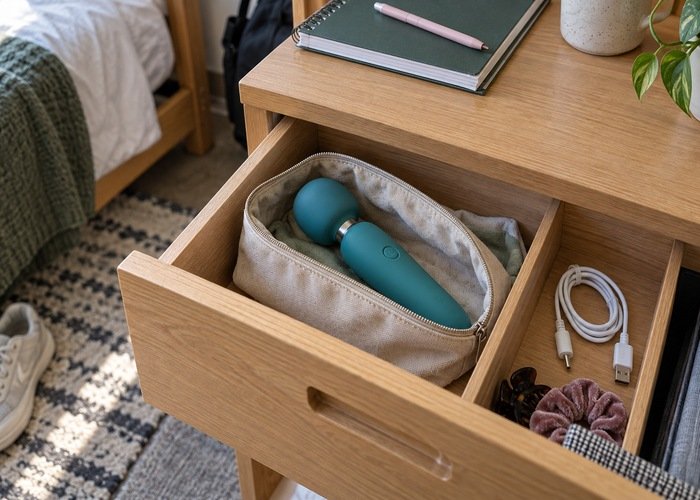
Storing toys correctly helps prevent damage and keeps them usable. Always store them in a clean, dry spot. Use separate pouches or cases for each toy to keep out dust and germs. Don’t let silicone toys touch each other, as this can cause damage. Avoid storing toys made of different materials together since they might react and break down.

Here are some easy storage tips:
- Store toys in a dry, dust-free place.
- Use individual bags or cases for each toy.
- Keep them away from sunlight and extreme heat or cold.
Material-Specific Care Tips
Each material needs special care to stay in good condition. Silicone toys are strong but shouldn’t touch other silicone items. Glass toys are easy to clean but can break if dropped. Porous materials like rubber or jelly wear out faster and need extra attention. Check these toys often for cracks or discoloration. Replace them if you see any damage.
Safe Use of Lubricants with Sex Toys
Using the right lubricant makes things smoother and safer. Water-based lubricants work with all materials and are the safest choice. Silicone-based lubricants last longer but can harm silicone toys. Oil-based lubricants should only be used if the instructions say it’s okay. Always read the label to make sure it’s safe for your toy.
Tip: Test a small amount of lubricant on your toy first to check for damage.
Looking after your health means checking your sex toys often. Regular checks help you find damage before it gets worse. Cleaning and storing them the right way keeps them in good condition. Replacing old toys on time makes sure you stay safe and have fun.
FAQ
How often should you replace your sex toys?
This depends on how often you use them and their material. Check for cracks, strange smells, or color changes. Porous toys need replacing sooner if they show damage.
Can you repair a damaged sex toy?
No, fixing them isn’t safe. Damage lets bacteria grow easily. Even if repaired, it’s still unsafe. Replace damaged toys to stay healthy.
What’s the best way to clean sex toys?
Use mild soap and warm water for most toys. Non-porous toys can be sterilized for better cleaning. Always follow the maker’s cleaning directions for safety.
Tip: Clean and store toys properly to make them last longer and stay safe to use.