Sex toys are becoming very popular. The market may grow from $27.5 billion in 2025 to $59.7 billion by 2034. But with more use comes responsibility. Did you know 14% of people don’t clean their vibrators? Avoiding common mistakes like this keeps your experience safe and fun.
Key Takeaways
- Clean your toys before and after using them. This stops germs. Use warm water and a mild cleaner made for toys.
- Pick toys made from safe stuff like silicone, glass, or steel. Stay away from toys made of PVC or harmful materials.
- Use the right lube for your toy. Water-based lube works for most toys. Silicone lube can harm silicone toys.
Common Mistakes in Hygiene and Maintenance
Not Cleaning Toys After Every Use
You must clean your toys after each use. Skipping this step can let bacteria or fungi grow. This might cause infections like UTIs or bacterial vaginosis. Yeast infections from fungi like Candida albicans can also happen.
To stay safe, wash toys before and after using them. Use warm water and a gentle cleaner made for toys. If the toy is waterproof, rinse it well. For non-waterproof ones, wipe them with a damp cloth. This habit protects your health and avoids problems.
Using Harsh or Inappropriate Cleaning Products
Some cleaning products are bad for your toys and body. Chemicals like triclosan or benzalkonium chloride can irritate your skin. They can also upset the balance of good bacteria, causing infections.
Use cleaners made for sex toys. If unsure, mild soap and water are usually fine. Avoid products with alcohol, bleach, or strong scents. These can harm your toy and your skin.
Storing Toys Without Proper Separation
Tossing all your toys together in one spot isn’t safe. Some materials, like non-medical silicone, can stick together. Porous toys can spread bacteria or mildew if stored wrong.
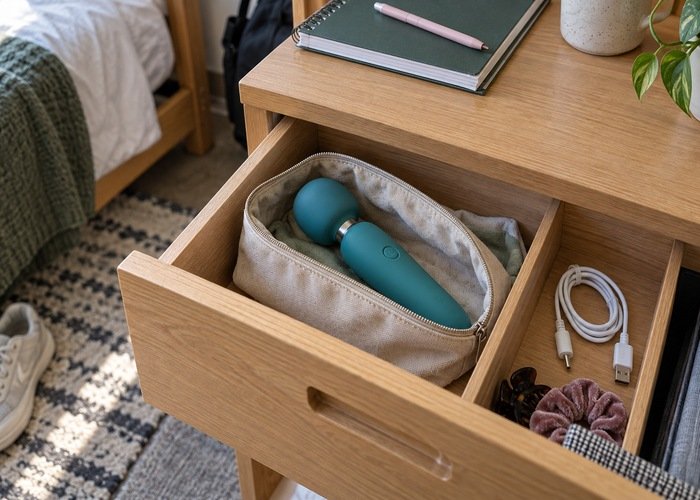
Keep each toy in its own cloth bag or separate space. This stops damage and keeps them clean for next time.
Sharing Toys Without Adequate Sanitation
Sharing toys can be fun but risky. Without cleaning, you or your partner could get infections or STIs. Always clean toys before and after sharing. Use a fresh condom on the toy for each person to stay safe.
Your health matters most. Cleaning and sanitizing toys helps avoid these common mistakes.
Common Mistakes in Choosing Safe Materials
Using Toys Made of Toxic Materials
Not all sex toys are made to keep you safe. Some, like PVC, have harmful chemicals called phthalates. These chemicals can cause health problems, like cancer or infertility, in animals. PVC is banned in kids’ toys in the U.S., but it’s still in some adult products.

This problem has been studied for years. For example:
- The Danish EPA found many toxic sex toys in the 2000s.
- A 2014 Smitten Kitten study showed some toys stayed toxic, even without phthalates.
- A Swedish study found improvements but noted some users still got chemical burns.
To stay safe, check what the toy is made of before buying. Choose toys made of medical-grade silicone, glass, or stainless steel. These materials are safer and less harmful.
Tip: If a toy smells strongly of chemicals, don’t use it. Trust your nose and pick safer options.
Ignoring Certifications and Reputable Brands
Buying from unknown brands might save money but risks your health. Trusted brands often work with experts to meet safety rules. Certifications, like ISO, prove the product is tested and safe.
Why certifications matter:
- They show the product meets safety standards.
- They prove the toy was tested carefully.
- They ensure the materials and design are safe to use.
Stick to brands with good reputations. A little research can help protect your health.
Overlooking the Benefits of Non-Porous Materials
The material of your toy affects safety, not just feel. Non-porous materials, like silicone, glass, and stainless steel, don’t hold bacteria. They are easier to clean and safer to share. You can sanitize them well, lowering infection risks.
Porous materials, like jelly or rubber, trap bacteria, mildew, and fungus. These are harder to clean and can harm your health. If sharing toys, non-porous ones are the best choice.
Note: Non-porous toys are better for your health. They last longer and are much safer than porous ones.
Avoiding these mistakes helps keep your toys safe and fun to use.
Common Mistakes in Using Toys Correctly
Using the Wrong Lubricant for the Toy Material
Not all lubricants are safe for every toy. Silicone lubricants can harm silicone toys. They might break down or melt the material. Some lubricants can irritate sensitive areas, leading to infections. Water-based lubricants are safer for most toy materials. Use them with silicone, TPR, or Cyberskin toys. Here’s a simple guide:
| Sex Toy Material | Recommended Lubricant | Risk of Damage |
|---|---|---|
| Silicone | Water-based | Low |
| Silicone | Silicone | High (melting) |
| Cyberskin | Water-based | Low |
| Cyberskin | Silicone/Oily | High (damage) |
Tip: Check the toy’s box or instructions for lubricant advice. This small step protects your toy and your health.
Choosing the Wrong Size or Shape for Your Needs
Picking the wrong size or shape can hurt or cause injuries. Big toys might cause tears or infections. A study found nearly 7,000 toy-related injuries treated in hospitals. Choose toys that fit your body and feel comfortable. Designs made for easy handling can also help avoid strain.
Note: Stop using a toy if it feels painful or uncomfortable. Your safety and comfort are most important.
Skipping the Manufacturer’s Instructions
Ignoring toy instructions can lead to problems. These guides explain cleaning, storage, and safe use. Following them prevents accidents and keeps your toy lasting longer. Toys meeting ISO 3533:2021 standards are tested for safety.
Reminder: Take time to read the manual. It helps avoid mistakes and makes your experience better.
Overusing Toys or Using Them Improperly
Using toys too much can cause numbness or discomfort. Vibrators might strain nerves if used for long periods. Skipping cleaning or sharing toys without protection spreads infections. About 14% of people admit they don’t clean their vibrators, risking UTIs or bacterial vaginosis.
To stay safe:
- Limit how long you use toys.
- Clean toys before and after each use.
- Use condoms on shared toys for extra safety.
Pro Tip: Pay attention to your body. If something feels wrong, take a break.
Common Mistakes in Addressing Emotional and Social Barriers
Letting Stigma Stop You from Trying
Feeling ashamed can stop you from learning about your body. Many people feel shy about sex toys because of old-fashioned beliefs. These ideas, especially about women, have been around for a long time. They’ve caused unfair treatment and made it harder for women to feel confident about their choices.
Sex toys can help change this. They start honest talks about pleasure and challenge outdated ideas. By exploring without guilt, you improve your life and support a fairer world. Your happiness matters, so don’t let shame control your decisions.
Avoiding Talks with Your Partner
Talking about sex toys with your partner might feel weird. But not talking can cause confusion. Being open builds trust and makes both of you feel better. Unsure how to start? Ask something like, “What do you think about trying something new?” This makes it a team effort, not a fight.
Couples who share their thoughts often feel closer. Talking about what you like can make your relationship stronger and more fun.
Using Toys Wrong in Shared Situations
Using sex toys together needs clear rules and good cleaning. Without talking, problems or awkward moments can happen. For example, sharing toys without cleaning them can spread germs. Always clean toys and use condoms on shared ones to stay safe.
Respect each other’s feelings too. If your partner doesn’t like a toy or idea, listen and adjust. A good experience comes from agreeing and understanding each other.
Believing False Facts About Sex Toys
Wrong ideas about sex toys can lead to unsafe choices. Some think all toys are safe, but that’s not true. Studies show some toys have harmful materials. Unsafe toys can cause health problems, and recalls happen when they fail safety checks.

To stay safe, learn before buying. Choose trusted brands and look for safety labels. Knowing the facts helps you pick wisely and stay healthy.
Tip: Don’t believe everything you hear. If it sounds too perfect, check the facts.
Staying safe with sex toys makes them more enjoyable to use. Keep them clean, pick safe materials, and use them properly. Here’s a quick guide:
| Material | Safety Level | How to Clean | Important Info |
|---|---|---|---|
| Silicone | Very Safe | Use soap and warm water | Gentle on skin and lasts a long time |
| Rubber | Less Safe | Might have harmful chemicals | Better to avoid for safety |
| Glass | Very Safe | Use soap and warm water | Easy to clean and doesn’t hold germs |
Silicone toys are gentle and strong, but don’t use silicone lubricants as they can harm the toy.
Don’t let shame stop you from exploring or talking about toys. Taking care of your toys and being open makes the experience safe and fun. 😊
FAQ
How can I tell if a sex toy is safe?
Choose toys made of medical-grade silicone, glass, or stainless steel. Stay away from toys with strong chemical smells or no safety certifications.
Tip: Look for ISO or safety labels before purchasing.
Can I use any type of lubricant with my toy?
No, not every lubricant works with all toys. Water-based lubricants are safe for most materials. Don’t use silicone-based lubricants on silicone toys as they can cause damage.
| Lubricant Type | Works With | Avoid Using With |
|---|---|---|
| Water-based | All materials | None |
| Silicone-based | Glass, metal | Silicone toys |
When should I replace my sex toys?
Replace toys if they crack, discolor, or show signs of wear. Porous toys may need replacing sooner because they can hold bacteria, even if cleaned often.
Reminder: Check your toys regularly to make sure they’re still safe.