What you wear closest to your skin says everything about how you value yourself — and nothing about who else might see it. For too long, lingerie has been packaged as something you pull out for special occasions, a prop in someone else’s experience rather than a daily investment in your own. That framing is overdue for a rethink.
To wear lingerie for yourself is to reclaim intimate apparel as a personal ritual, not a performance.
The “special occasion” marketing trope has conditioned many people to treat quality undergarments as luxuries reserved for romance or events. In practice, this creates a strange disconnect: you’re most likely to feel polished and put-together when the world can see you, and least likely to extend that same care inward, where it actually counts. A common pattern is that small, private rituals — the ones no one else observes — carry the most sustained psychological weight.
“Intimate armor” is a useful frame here. Think of it as the deliberate choice to dress your body with intention every single day, using fabrics and fit that signal self-respect from the inside out. It’s not about performance or aesthetics for an audience. It’s about the quiet, grounding act of starting your day wrapped in something that says you matter to yourself. As Dr. Carolyn Mair, author of The Psychology of Fashion, puts it: “Lingerie is not about how you look to someone else; it’s about how you feel about yourself. It is a private celebration of your own body and identity.”
That shift — from external validation to internal empowerment — is where the real story begins. And it turns out, the fabrics you choose aren’t just a comfort preference. They’re actively shaping your mind and emotional state in ways science is only beginning to map.
The Science of Enclothed Cognition: How Silk and Lace Change Your Brain
What you wear against your skin doesn’t just cover your body — it actively reshapes how your brain operates, even when no one else knows what’s underneath.
Enclothed Cognition (Journal of Experimental Social Psychology): The phenomenon whereby the symbolic meaning of a garment — combined with the physical experience of wearing it — triggers measurable psychological changes in the wearer’s confidence, focus, and abstract thinking ability.
Symbolic meaning drives real cognitive shifts. When you choose a piece of lingerie that feels intentional — whether that’s structured lace, weightless silk, or a body positivity lingerie style designed to honor your shape — your brain interprets the act as a signal. You’re not dressing for a meeting or a commute. You’re communicating something to yourself. That internal signal is powerful enough to alter how you carry yourself, make decisions, and engage with challenges throughout the day.
Material quality amplifies the effect. Fabrics aren’t neutral. The cool, fluid weight of silk against skin registers differently than scratchy synthetic blends. In practice, garments that feel luxurious create a feedback loop: the tactile sensation reinforces the symbolic choice, deepening the psychological shift. Choosing high-quality intimate wear, then, isn’t vanity — it’s a deliberate input into your mental state.
Abstract thinking follows. Research suggests that feeling “put together” underneath your outer layers improves broader cognitive performance — the kind of expansive, creative thinking that’s often the first casualty of stress or self-doubt. It’s worth noting that this effect doesn’t require external validation to work; the shift happens entirely within the wearer’s experience.
The specific sensory channels that make this transformation possible — texture, color, and the ritual itself — deserve a much closer look.
Dopamine Dressing: The Physiological Impact of Texture and Color
Wearing lingerie for yourself triggers measurable biological responses — proof that the body registers what the mind chooses with intention.
Understanding why women wear lingerie increasingly comes down to neurochemistry, not aesthetics alone. When you select a piece specifically for texture, color, or fit, your brain begins releasing dopamine — the reward neurotransmitter — during the act of choosing itself. The ritual is active. It’s a neurological event.
Three primary sensory triggers drive this biological response:
- Color activation. Research from the University of Hertfordshire identified what’s now called the Red Lingerie Effect — wearing specific colors and textures can physiologically lower cortisol levels while simultaneously increasing dopamine output. The body responds to visual and tactile cues before a single thought is consciously formed.
- Tactile texture. Silk gliding against skin stimulates mechanoreceptors — the sensory neurons responsible for processing gentle touch — which directly activates the parasympathetic nervous system. This is the biological “rest and restore” state. Lace, despite its delicate appearance, creates micro-pressure patterns that produce a grounding, body-awareness effect.
- Functional fabric design. Modern advances in intimate apparel engineering — moisture-wicking weaves, adaptive compression, seamless construction — add another layer. Purposefully engineered intimates aren’t just aesthetically considered; they’re designed to reduce friction-related stress signals throughout the day.
Bold claim worth noting: the dopamine hit from intentional dressing compounds. Each morning you choose something that feels good against your body, you’re reinforcing a neurological reward loop that builds over time.
These physiological foundations set the stage for an even deeper conversation — how that daily biochemical shift translates directly into mental health outcomes and sustainable mood regulation.
Lingerie as a Tool for Mental Health and Mood Regulation
Lingerie worn purely for yourself functions as a daily mental health ritual — a quiet, powerful signal that your well-being matters before the world even sees you.
Workday confidence begins beneath the surface. According to Psychology Today, many women report that wearing nice lingerie improves their overall mood and self-confidence throughout the workday — even when no one else knows what they’re wearing. That hidden layer creates a psychological advantage that compounds across every meeting, conversation, and challenge the day brings.
“The ritual of choosing what to wear against your body is one of the most intimate decisions you make each morning — and when that choice is intentional, it becomes a form of self-care that anchors the entire day.” — Mental health perspective on daily dressing rituals
The act of choosing is itself the practice. Selecting self-love lingerie each morning — considering texture, fit, color — requires the kind of present-moment attention that defines mindfulness. It’s brief, but it’s deliberate. That small window of intentionality sets a self-honoring tone before the noise of daily obligations takes over.
The shift from “special occasion” to “everyday ritual” is where the real transformation happens. Reserving beautiful lingerie for external validation — a date, a partner’s gaze — reinforces the idea that you only deserve comfort and beauty conditionally. Wearing it on a random Tuesday reclaims that logic entirely.
There’s also a resilience factor worth naming: knowing you’re carrying something beautiful and private creates a subtle inner confidence. It’s armor that only you know you’re wearing. That hidden power doesn’t demand external recognition — it simply exists, quietly reinforcing your sense of self throughout whatever the day demands.
That foundation — built from the inside out — connects naturally to how the body itself becomes a site of reclamation.
Body Positivity and the Radical Act of Self-Adornment
Wearing lingerie for yourself is a quiet act of rebellion — a deliberate reclaiming of your body on your own terms, not anyone else’s. The body positivity movement has long argued that self-worth isn’t conditional, and self-adornment is one of its most tangible expressions. As Dr. Carolyn Mair notes, choosing to wear high-quality intimate apparel is an act of mindfulness and self-respect that reinforces a positive body image. Lingerie for confidence isn’t about performing attractiveness — it’s about owning your physical existence without apology. When the motivation shifts from external validation to personal pleasure, the garment transforms into something far more powerful: a declaration that your comfort and joy matter.
Fit and comfort are where self-love becomes structural, not symbolic. Lingerie that fits well — that moves with your body rather than against it — sends a consistent physiological message that your body deserves care. A common pattern is that individuals who prioritize comfort in intimate wear report a stronger, more stable sense of bodily autonomy throughout the day. This matters because societal beauty standards have historically dictated a very narrow template for who lingerie is “for.” Choosing pieces designed around your body’s reality — its proportions, its sensitivities, its needs — is a direct rejection of that narrative. It’s worth noting that self-adornment works differently for everyone; what feels empowering is deeply personal and context-dependent. However, the underlying principle holds: treating your body as worthy of thoughtful, intentional care disrupts the external gaze entirely. As intimate wear continues to evolve, the next frontier isn’t just aesthetic — it’s functional, with emerging technology redefining what comfort and self-investment can actually look like.
The High-Tech Evolution: Why Functionality Is the New Sexy
Modern intimate wear has moved well beyond aesthetics — today, the most powerful lingerie works with your body, not just around it.
Traditional lingerie prioritizes appearance. High-tech wellness apparel prioritizes experience. That distinction matters more than most people realize, and understanding it reshapes the entire psychology of lingerie as a self-care practice.
Consider the difference:
- Traditional lingerie focuses on visual appeal, silhouette, and fabric softness as its primary value proposition.
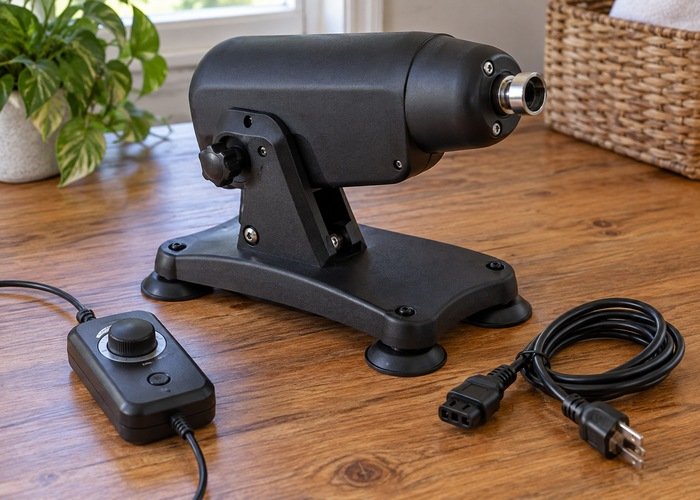
- High-performance intimate wear layers in advanced mechanical functions — heating elements, adaptive sensory textures, and pressure-responsive materials — that actively shape how a wearer feels throughout the day.
Heating and sensory textures aren’t luxury extras; they’re functional tools. Advanced mechanical features allow women to actively manage stress levels and enhance sensory well-being — transforming a garment from passive decoration into something closer to wearable therapy. In practice, warmth applied to the body’s core triggers the parasympathetic nervous system, easing tension in ways that no amount of beautiful lace alone can replicate.
Material quality compounds this effect over time. Cheap fabrics irritate skin, lose their shape, and subtly communicate to your brain that you’ve invested in something disposable. High-quality, performance-grade materials maintain their integrity — and that physical consistency reinforces the mental message that you are worth the sustained investment.
Choosing high-performance intimate wear is, at its core, a financial and emotional act of self-respect. It’s the same logic behind exploring new sensory experiences — deliberate investment in how you feel yields compounding returns on well-being.
This intersection of innovation and intimacy naturally raises a practical question: how do you begin building a collection that genuinely serves you? That starts with knowing what to look for — and what to feel for.
Creating Your Own Ritual: How to Start Wearing Lingerie for Yourself
Turning intimate wear into a daily self-care ritual doesn’t require a special occasion — it simply requires intention. According to Psychology Today, the primary motivation for purchasing premium intimate wear has shifted from “special occasions” to “daily ritual,” a signal that more people are recognizing the quiet power of what they put on first every morning.
The single most effective starting point is a sensory audit of your current drawer. Pull everything out. Ask yourself: Does this feel good against my skin, or do I only tolerate it? Anything scratchy, ill-fitting, or chosen purely out of habit is worth reconsidering.
From there, building your ritual follows a natural progression:
- Choose fabrics intentionally. Softness matters. Materials like modal, silk, and high-quality microfiber signal comfort to your nervous system before your day has even begun. This is where the principle of enclothed cognition lingerie becomes tangible — the physical sensation of quality fabric actively shapes how you carry yourself.
- Wear the “fancy” pieces on ordinary days. Save-it-for-later thinking keeps your best items folded and unused. A Tuesday in lace is not wasted — it’s the whole point.
- Prioritize fit above everything else. Poor fit creates physical discomfort and mental distraction. A well-fitting piece, by contrast, disappears into confidence.
Pro-Tip: Start small. Swap one everyday basic for something that genuinely excites you. Wear it through a full workday and notice how your posture, mood, and self-perception shift.
On the other hand, this isn’t about perfection or spending extravagantly — it’s about being deliberate. Small, consistent choices compound into a new relationship with yourself. That cumulative shift is precisely what the following section pulls together into a clear, actionable picture.
The Bottom Line: What You Need to Know About Self-Empowerment
Wearing lingerie for yourself is one of the most evidence-backed, psychologically grounded acts of self-care available — and the research keeps confirming it.
Everything covered in this article points to one clear conclusion: intimate wear is a legitimate psychological tool, not a luxury indulgence. The principle of Enclothed Cognition explains why what you wear against your skin shapes how you think, feel, and move through the world. When you choose lingerie with intention, you’re actively programming your mindset — before a single word is spoken or a single task is tackled.
Here’s what the science and practice consistently show:
- Lingerie activates Enclothed Cognition. The symbolic meaning you assign to what you wear translates directly into measurable shifts in confidence, focus, and self-perception.
- Sensory-rich fabrics regulate your nervous system. High-quality materials like silk, modal, and moisture-wicking blends reduce cortisol and stimulate tactile pleasure pathways — making fabric choice a genuine wellness decision.
- Dressing for yourself is a radical act of body positivity. According to Hanky Panky’s research on self-care and confidence, many women report mood improvement through daily lingerie rituals — proof that the audience that matters most is you.
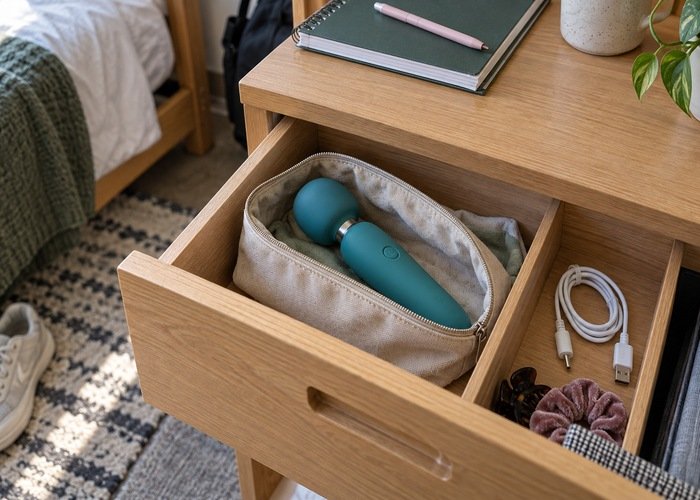
- Functional, high-tech intimate products are a valid wellness investment. Prioritizing products designed around your body’s comfort and pleasure — whether that means supportive construction or sensory exploration tools — reflects the same logic as investing in quality sleep or nutrition.
The most empowering wardrobe choice you can make happens before you get dressed. It’s the decision to treat your intimate wear as armor, ritual, and self-respect — all at once. If questions are still forming about the why behind these benefits, the next section addresses the most common ones head-on.
Common Questions About the Psychology of Lingerie
Wearing lingerie for yourself raises real questions — and the answers are grounded in psychology and self-care.
Is it worth buying expensive lingerie if no one sees it?
Absolutely. The value of quality intimate wear isn’t measured by an audience — it’s measured by how it makes you feel from the inside out. Well-crafted pieces with thoughtful construction and soft fabrics signal to your own nervous system that you are worth the investment. In practice, women who prioritize personal comfort and quality in their everyday wardrobe report higher baseline confidence throughout the day, regardless of visibility.
How does lingerie affect self-esteem?
The connection is direct and well-documented. Research-backed self-care practices show that choosing lingerie intentionally — based on personal preference rather than external approval — reinforces a sense of agency and self-worth. What you wear closest to your body shapes how you carry yourself in the world. This enclothed cognition effect means that even hidden clothing choices influence posture, mood, and interpersonal confidence.
What is the best color for a mood boost?
Color psychology offers practical guidance here. Red is consistently linked to energy, confidence, and assertiveness. Soft blush tones promote calm and self-compassion. Deep jewel tones like emerald or sapphire tend to signal self-assurance. The most effective choice is always the one that resonates personally — there’s no universal answer.
Can lingerie really help with mental health?
As a standalone tool, no — but as part of a broader self-care ritual, yes. Intentional dressing activates mindfulness, reduces cortisol, and builds positive body image over time. For a deeper look at the science connecting physical sensation and emotional wellness, this video on the psychology of self-care rituals offers valuable context: