Lingerie has always been personal. But something has shifted — and it runs deeper than fabric, fit, or fashion season. Today, the question isn’t just how does this look? It’s how does this make me feel?

The global lingerie market is projected to reach $94.15 billion by 2030, a trajectory fueled not by seduction alone, but by a surging cultural appetite for self-love, body autonomy, and sensory awareness. People are investing in intimacy as a form of personal wellness — and the industry is answering in kind.
This shift has given rise to what experts are calling functional wellness intimacy: the concept that intimate apparel can enhance emotional, physical, and neurological wellness. Lingerie is no longer just a visual experience. It’s a tactile one, a psychological one — and increasingly, a technological one.
Consider how rituals around self-image have evolved. Taking tasteful boudoir photos, for example, has become less about performance for others and more about reclaiming one’s own gaze — a practice rooted in body confidence and sensory self-awareness. The mirror has evolved from a decorative item to a wellness tool.
Lingerie, at its most evolved, is wearable technology for the self. Understanding this involves exploring fabric science and smart design in modern luxury intimates.
The Luxury Designer Guide: Decoding Modern Lingerie Types
Understanding the full spectrum of types of lingerie isn’t just about knowing what looks good — it’s about recognizing how different constructions interact with your body, your mood, and your sense of self. As the intimacy space continues to evolve, fabric and silhouette are becoming deliberate tools for sensory experience.
The Architecture of the Bodysuit and Teddy
The bodysuit and its softer cousin, the teddy, represent two of the most versatile foundational pieces in modern intimate wear. A bodysuit typically features structured panels, hook-and-snap closures, and a defined silhouette that creates a second-skin effect — ideal for layering or wearing as outerwear. The teddy, by contrast, prioritizes drape and softness, moving with the body rather than shaping it. Both styles reward attention to fit, particularly in the torso and shoulder strap construction, where poor engineering can undermine both comfort and confidence.
Silk vs. Lace: More Than a Fabric Choice
Fabric is where lingerie becomes genuinely psychological. Silk — with its cool, fluid weight — triggers an immediate sensory response; the brain perceives luxury before conscious processing. Lace, on the other hand, engages a different kind of awareness: texture, pattern, and the interplay between coverage and exposure. Neither is objectively superior, but they serve distinct emotional functions. Silk soothes; lace activates. Choosing between them (or combining them) is an act of intentional sensory design — something that connects directly to how sensation shapes arousal and response.
The Rise of Ethical Luxury
Sustainability is no longer a niche concern — interest in “sustainable and ethical lingerie” has increased significantly, signaling a genuine shift in consumer values. Shoppers are increasingly scrutinizing supply chains, dye processes, and material sourcing alongside aesthetics. Ethical luxury labels are responding with organic silks, recycled lace, and fair-trade certifications that don’t compromise on sensory quality.
The most considered lingerie purchase supports both the wearer’s physical comfort and a broader commitment to values that extend beyond the dressing room.
| Lingerie Type | Sensory Profile | Best Use Case |
|---|---|---|
| Bodysuit | Structured, second-skin pressure | Movement, layering, confidence dressing |
| Teddy | Soft drape, minimal restriction | Intimate evenings, self-care rituals |
| Silk chemise | Cool, fluid, weightless | Sensory relaxation, tactile luxury |
| Lace bralette | Textured, breathable, activating | Everyday wear, sensory stimulation |
| Mesh set | Light, cooling, body-aware | Active intimacy, temperature play |
The pieces you choose ultimately shape far more than your reflection — a concept that the science of enclothed cognition explains with surprising precision.
Enclothed Cognition: Why What You Wear Changes How You Feel
Building on the rich taxonomy of modern lingerie styles explored in the previous section, there’s a compelling psychological dimension worth unpacking — one that transforms how we think about getting dressed entirely.
Discover: The Science Behind the Feeling
Enclothed cognition is the theory that clothing doesn’t just cover the body — it actively shapes the mind. Research into enclothed cognition, published in the Journal of Experimental Social Psychology, suggests that what we wear directly affects our psychological state, influencing confidence, focus, and even performance. In short: the garment is never just fabric. It’s a psychological cue.
- Wearing intentionally chosen pieces signals self-investment to the brain
- The ritual of dressing can shift emotional states before a single word is spoken
- Symbolic meaning attached to garments amplifies their cognitive effect
Apply: How Tactile Sensation Builds Confidence
This is where texture becomes transformative. The sensation of silk against skin activates the nervous system differently than cotton or synthetics — it’s softer, more deliberate, more present. Similarly, stretch mesh creates a sense of being held, of definition, without restriction. These aren’t arbitrary design choices; they’re sensory triggers that communicate safety, desirability, and agency simultaneously.
- Silk stimulates warmth receptors, creating a calming, enveloping effect
- Mesh provides gentle compression that heightens body awareness
- Lace introduces varied tactile contrast, keeping sensory focus sharp
Any quality luxury designer lingerie guide will acknowledge this intersection of aesthetics and physical sensation — because informed shoppers increasingly choose pieces for how they feel, not just how they look.
Manage: Bridging Fashion and Functional Wellness
As WGSN notes, “Lingerie is no longer just an undergarment; it is a form of wearable technology that bridges the gap between fashion and functional wellness.” This perspective is reshaping the entire industry. Brands are now engineering pieces with wellness outcomes in mind — something the broader sensory wellness shift is accelerating across categories.
- Functional fabrics now incorporate moisture management and temperature regulation
- Intentional construction reduces friction and irritation during extended wear
- Wellness-first design validates lingerie as a daily self-care practice
That evolution doesn’t stop at fabric. When sensory-intelligent lingerie meets emerging intimacy technology, something genuinely new emerges — and that’s exactly what we’ll explore next.
The Multi-Sensory Ecosystem: Pairing Lingerie with Automated Tech
Now that we understand how lingerie shapes mood and self-perception, the conversation gets even more interesting when you integrate automated intimacy technology. Sensory intimacy — the deliberate layering of touch, temperature, sound, and visual stimulation — is where high-end garments and mechanical devices begin to work in genuine concert.
“The most intriguing intimacy experiences aren’t built around a single sensation — they’re engineered through carefully stacked, complementary sensory inputs that reinforce each other.”
Lace Meets Mechanical Sensation
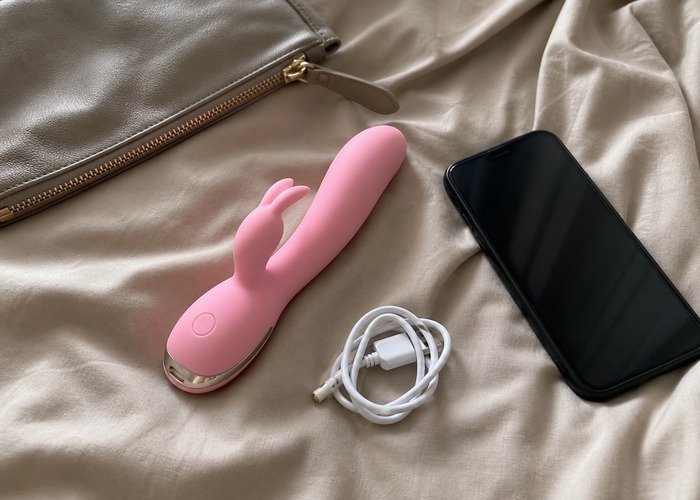
Tactile contrast is one of the most underappreciated elements in modern intimacy design. When delicate lace or mesh fabrics meet the rhythmic mechanical flapping and vibration of an automated device, the result is a layered tactile dialogue rather than a single, isolated feeling. Research published in the Journal of Experimental Social Psychology confirms that sensory-focused lingerie designs incorporating diverse textures significantly enhance the overall tactile experience — particularly when paired alongside high-tech intimacy products. In practice, the micro-textures of premium fabrics amplify every pulse and flutter, making the combined effect measurably more immersive than either element alone.
Bold Stat: Tactile diversity in intimate settings has been shown to heighten sensory engagement, with multi-texture experiences rated significantly more satisfying than single-material contact in controlled studies.
Heat as a Realism Driver
Heating elements built into modern automated devices add an entirely new dimension that fabric alone cannot replicate. Realistic warmth communicates biological presence in a way that cold silicone simply doesn’t. Pairing a garment with natural, skin-like textures against a device that maintains body-temperature heat creates a cohesive sensory environment — one where the boundary between material and sensation becomes intentionally blurred.
“Warmth isn’t a luxury feature in intimacy tech — it’s a fundamental signal that bridges the gap between mechanical and biological sensation.”
Building a Tech-Forward Intimacy Routine
Creating a cohesive tech-forward routine is less about accumulating devices and more about intentional curation. For couples interested in expanding their physical dynamic, introducing automation gradually — starting with a single textured garment paired with one device — allows the sensory layers to register distinctly rather than overwhelm. Think of it as composing: each element earns its place.
Once you’ve curated your sensory ecosystem, the natural next step is documenting and celebrating that confidence — which is exactly where thoughtful boudoir photography comes in.
Capturing the Confidence: How to Take Tasteful Boudoir Photos
Documenting your intimacy journey through boudoir photography is one of the most empowering acts of self-celebration you can engage in. Whether you’re capturing the intricate texture of a lace bodysuit or the sleek sheen of a satin corset, the camera becomes a tool for radical self-acceptance. Boudoir photography isn’t about perfection — it’s about presence.
Watch: Boudoir Photography Basics
Here are five actionable tips to get started with confidence:
- Master your lighting first. Soft, diffused light — think a sheer curtain over a sunny window — minimizes harsh shadows while beautifully highlighting fabric textures. Side lighting is particularly effective for emphasizing lace detailing and delicate embroidery.
- Prioritize poses that feel natural to you. According to Reflect Passion: Elevate Intimacy with Mirror Play, using mirrors during intimate moments encourages self-awareness and body positivity. Mirror-assisted poses let you preview your angles in real time, removing guesswork entirely.
- Embrace tech as part of your aesthetic. Incorporating automated pleasure technology as a tasteful prop in modern boudoir shoots reflects how intimacy has evolved. A sleek wearable device resting alongside a silk robe communicates sophistication and modernity without saying a word.
- Build a mood board before you shoot. Collect references — colors, textures, lighting styles — that reflect the emotional tone you want to capture. This pre-planning transforms a casual self-portrait session into a cohesive personal story.
- Review and select images intentionally. The editing process is part of the empowerment. Choosing which images feel most you reinforces the psychological benefits we discussed in the enclothed cognition section.
The most intriguing boudoir image isn’t the most technically perfect one — it’s the one where your authentic self is undeniably present.
If questions are forming in your mind about fabric care, beginner-friendly styles, or safely combining devices with delicate garments, the next section addresses all of that directly.
Frequently Asked Questions About Modern Intimacy
How do I care for high-tech fabrics in lingerie?
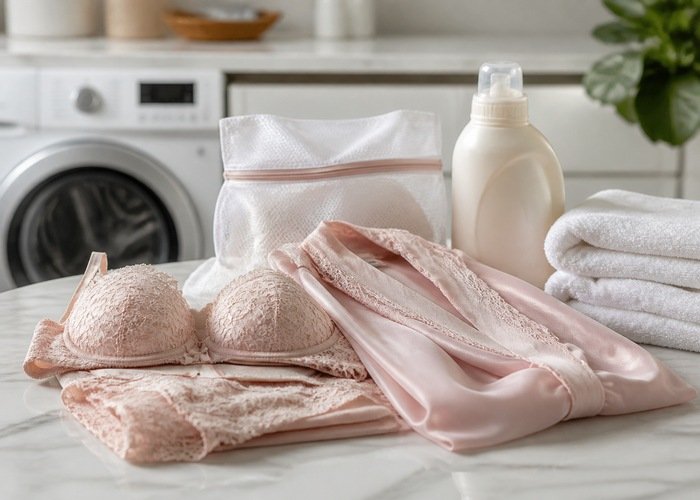
Always check the garment’s label first — most smart textiles and moisture-wicking fabrics require hand-washing in cool water with a gentle, pH-neutral detergent. Avoid machine drying entirely, as heat degrades both elastic fibers and any embedded conductive threads. Lay pieces flat to air-dry, and store them away from direct sunlight to preserve both color and functionality.
What is the best lingerie for beginners exploring sensory play?
Start simple. A soft satin bralette and high-waist brief set offers comfort, visual appeal, and ease of movement without overwhelming complexity. Beginners benefit most from pieces that feel luxurious against the skin rather than restrictive. Neutral colors and minimal hardware make early exploration feel approachable rather than performative. Comfort is the foundation that confidence is built on.
Can I use automated toys safely with delicate lace lingerie?
In practice, this requires some thoughtfulness. Vibrating or wearable automated devices can snag fine lace if positioned carelessly. Opt for toys with smooth, rounded edges and secure any lace away from moving components. Panty-style wearable devices designed specifically for lingerie compatibility are the safest pairing — they’re engineered to minimize fabric friction while maximizing sensation.
Exploring modern intimacy encourages curiosity. Start where you are, layer in new elements gradually, and let your comfort guide the pace.
Key Takeaways
- Wearing intentionally chosen pieces signals self-investment to the brain
- The ritual of dressing can shift emotional states before a single word is spoken
- Symbolic meaning attached to garments amplifies their cognitive effect
- Silk stimulates warmth receptors, creating a calming, enveloping effect
- Mesh provides gentle compression that heightens body awareness