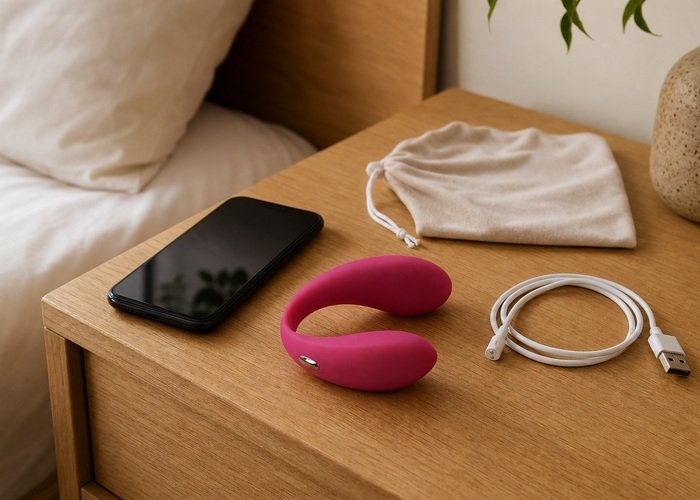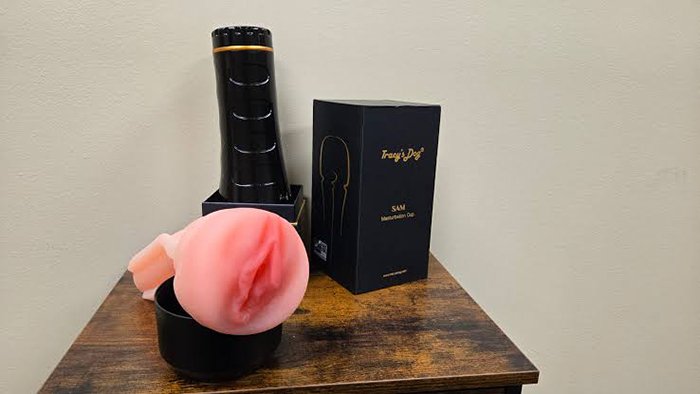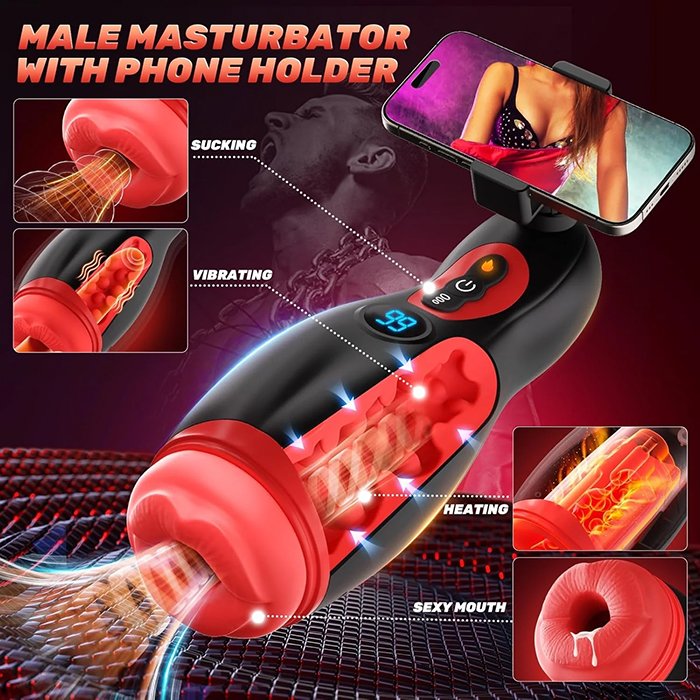
For decades, vibration was the default language of pleasure technology. Powerful, predictable, and easy to engineer — it dominated the market. But there’s a well-documented problem with constant vibration: the more you use it, the less you feel it. Nerve endings adapt to repetitive stimulation quickly, producing what users and researchers commonly call the “numbing effect” — that diminishing return where intensity has to keep climbing just to maintain sensation.
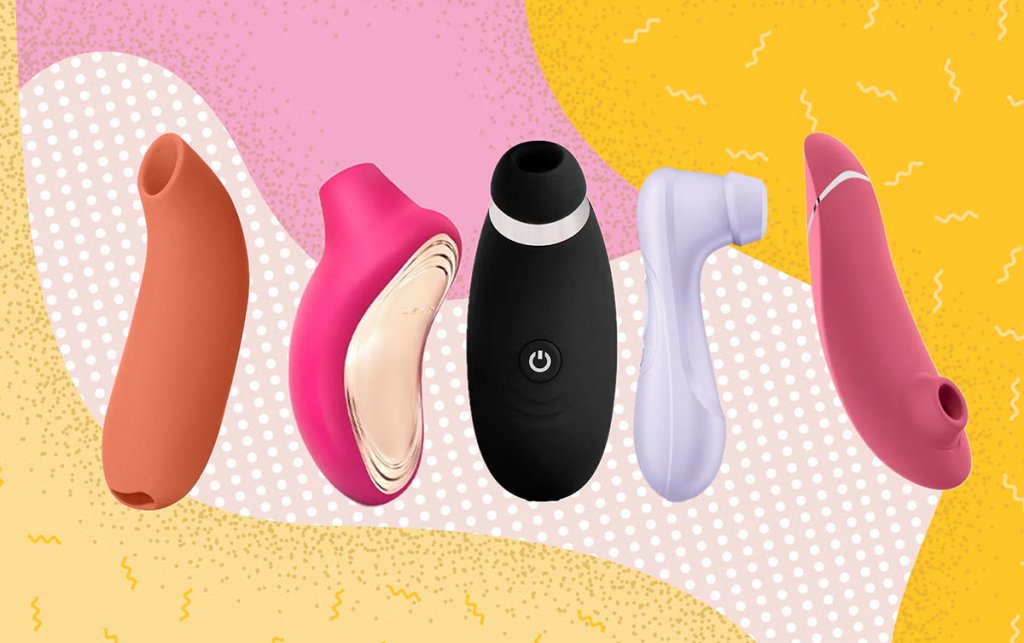
That plateau is exactly why male pleasure tech has undergone a quiet revolution.
According to a Men’s Health/YouGov behavioral study, over 40% of men now use a sexual wellness device to enhance their solo or partnered experiences — a figure that would have seemed unlikely just a decade ago.
What’s driving that number isn’t just loosening stigma, though that’s real. It’s innovation. The category has expanded far beyond the simple oscillating motor, introducing Triple Stimulation frameworks that combine tapping, vibration, and suction into a single device. Each mechanism targets the body differently, reaching different nerve receptors and preventing the sensory adaptation that makes standard vibration feel flat over time.
The cultural shift matters too. Male sexual wellness is increasingly framed as self-care rather than something to be embarrassed about. Products once whispered about are now reviewed openly, researched carefully, and purchased confidently. The best blow job toys on today’s market reflect that seriousness — engineered with the same thoughtfulness applied to recovery tools or sleep technology.
Understanding why these devices work so differently from their predecessors starts with the mechanics themselves — specifically, what happens when a motor stops buzzing and starts tapping.
The Mechanics of Pleasure: Tapping vs. Flapping Technology
Understanding why modern male pleasure devices feel so dramatically different from their predecessors starts at the motor level. It’s not just a marketing shift — it’s a fundamental change in how mechanical energy is delivered to the body.
Flapping: Engineering Human Touch
Traditional vibration motors spin eccentrically, creating rapid oscillations that buzz against tissue. Flapping technology works on an entirely different principle. A small, articulated arm moves in rhythmic back-and-forth strokes, producing physical impact rather than sustained vibration. According to the Sexual Health Alliance, this “flapping” or tapping motion mimics the rhythmic pressure of human touch far more accurately than conventional vibration ever could.
The difference is tactile, not just technical — flapping delivers rhythmic pressure pulses that neural receptors process the same way they process a partner’s touch.
This matters enormously for targeting sensitive anatomy. The frenulum — the small band of tissue on the underside of the glans — is densely packed with nerve endings that respond strongly to localized, rhythmic pressure. A flapping mechanism can be positioned to “thump” this area with metronomic precision, something a buzzing motor simply cannot replicate. Manufacturers calibrate stroke rate, amplitude, and pressure independently, allowing for far more nuanced sensation profiles. If you’re curious about how similar principles apply across device categories, this guide to flapping motion mechanics breaks down what to look for in practice.
Air-Pulse Suction: A Different Sensory Channel Entirely
Suction-based technology operates through a completely separate mechanism. A small internal diaphragm creates rapid pressure waves inside an air chamber, generating rhythmic suction pulses around the glans without any direct contact. This indirect stimulation activates deeper tissue layers and increases blood flow in ways surface vibration doesn’t reach.
Comparing the Technologies at a Glance
| Tech Type | Sensation | Primary Target Area |
|---|---|---|
| Traditional vibration | Continuous buzz | Surface tissue, broad |
| Flapping/tapping | Rhythmic physical impact | Frenulum, glans |
| Air-pulse suction | Pressure wave pulses | Glans, deeper tissue |
| Oscillating sleeve | Stroking pressure | Full shaft |
Each mechanism activates a distinct set of mechanoreceptors — which raises an interesting question about what happens when the body becomes accustomed to just one type of stimulation over time. That’s where the health conversation starts to get genuinely compelling.
The Health Angle: Overcoming Desensitization
Modern pleasure technology isn’t just about novelty — there’s a genuine wellness case for stepping beyond conventional habits. Now that we’ve established how tapping and flapping technology work at a mechanical level, it’s worth exploring what that actually means for the body over time.
“The integration of suction and vibration allows for a ‘dual-action’ stimulation that can help individuals overcome desensitization caused by repetitive manual habits.” — Dr. Ian Kerner, PhD, LMFT
That quote cuts straight to the core of why multi-functional devices are gaining traction not just as pleasure tools, but as sexual wellness aids.
The ‘Death Grip’ Problem
Desensitization through repetitive manual stimulation — commonly called “death grip syndrome” — is more widespread than most people discuss openly. Consistent, high-pressure friction using the same motion and intensity can gradually reduce penile sensitivity, making partnered intimacy feel less responsive and satisfying. It’s a physiological feedback loop: the body adapts to predictable input and requires more stimulation to register the same sensation.
Introducing New Pressure and Texture Patterns
Multi-functional devices directly interrupt that cycle. By delivering layered, unpredictable stimulation — alternating tapping rhythms, internal suction pulses, and variable pressure — they force the nervous system to process new sensory information. What typically happens is a kind of neurological reset: the body stops expecting one specific pattern and becomes receptive to a wider range of input. Think of it as cross-training for sensitivity.
Re-Sensitization Through Suction
Suction-based stimulation works through a fundamentally different mechanism than friction. Rather than compressing nerve endings, it gently draws blood flow toward the surface — increasing tactile awareness and responsiveness over time. Used consistently as part of varied solo practice, this approach can meaningfully support long-term sensitivity — a point worth keeping in mind as we consider what materials and construction actually enable that kind of sustained use.
Design Matters: Ergonomics and Material Safety
Beyond the motor technology and wellness benefits covered earlier, the physical design of a pleasure device has an equally significant impact on satisfaction, safety, and long-term value. Knowing what to look for before buying can make the difference between a device that lasts years and one that ends up in a drawer.
Must-Have Features to Prioritize
- Open-ended design
- Medical-grade silicone construction
- IPX7 waterproofing (or higher)
- Discreet, body-neutral aesthetics
Open-ended designs are the clear winner for hygiene and inclusivity. As noted in Cosmopolitan’s sex tech reviews, ergonomic open-ended sleeves accommodate a wider range of body types without sacrificing stimulation intensity — the same principle that makes air-pressure technology applied to the glans (air-pressure technology applied to the glans) so broadly effective regardless of anatomy. Cleaning is also dramatically simpler when there’s no closed cavity trapping moisture.
Medical-grade silicone vs. TPE is a debate worth settling quickly. Silicone is non-porous, meaning bacteria can’t penetrate the surface — a critical factor for anything used on intimate skin. TPE is softer and more affordable, but its porous nature means deeper cleaning is non-negotiable. If longevity and skin-safe material selection are priorities, silicone is worth the price premium.
Waterproofing isn’t a luxury — it’s a hygiene baseline. IPX7-rated devices can be fully submerged, making thorough cleaning effortless. In practice, devices that aren’t waterproofed tend to harbor bacteria in charging ports and seams.
Discreet aesthetics reflect a maturation in wellness engineering. Modern devices increasingly resemble minimalist personal care tools rather than novelties — a design philosophy that reduces stigma and encourages consistent, routine use.
The intersection of smart technology and thoughtful design is evolving rapidly, with digital interactivity now reshaping how users engage with these devices entirely.
Deep Dive: Addressing the ‘Game Via’ and Academic Interest
The evolution of personal pleasure tech doesn’t happen in a vacuum — it mirrors broader shifts in how humans interact with digital systems. The same cultural momentum that transformed mobile gaming into a multi-billion-dollar industry has quietly reshaped adult technology, pushing automatic strokers and app-controlled devices toward experiences that feel genuinely interactive rather than purely mechanical.
Gaming culture, in particular, has accelerated consumer expectations. Players now demand responsive feedback, customizable settings, and seamless connectivity — standards that have bled directly into adult tech design. Developers are borrowing UX principles from game controllers and mobile interfaces to build devices that respond to rhythm, audio cues, or synchronized app inputs.
This intersection has drawn legitimate academic attention. Research compiled under the GCSCE Proceedings framework — which explores computer-mediated human interaction — highlights how digital interfaces fundamentally change how people experience feedback and reward loops. Those same cognitive patterns apply when users engage with app-paired pleasure devices.
The smartest devices on the market now function less like appliances and more like interactive platforms. Trend data around “game via” search behavior reflects growing curiosity about bridging entertainment ecosystems with intimate tech — think synchronized experiences, partner-controlled apps over distance, or devices that respond to music or video content.
In practice, this positions the future of pleasure technology as deeply personalized and increasingly connected. Choosing a body-safe, well-designed device is just the starting point — getting the most from it depends heavily on how you use and maintain it, which is exactly what the next section covers in detail.
Visual Guide: How to Use and Maintain Your Device
Getting the most from advanced oral simulators and tapping devices starts well before you hit the power button. Proper setup, compatible lubricants, and consistent care directly determine both your experience and how long the device lasts.
First-time setup in 4 steps:
- Charge fully before first use — most devices require 60–90 minutes
- Apply a generous amount of water-based lubricant to the sleeve opening
- Start on the lowest intensity setting to calibrate comfort
- Explore tapping and suction modes independently before combining them
Water-based lubricant is non-negotiable with silicone devices — oil or silicone-based formulas degrade the material and compromise hygiene over time.
As Healthline notes, lubricant compatibility is one of the most overlooked factors in device longevity. In practice, proper maintenance of silicone devices can extend their lifespan by up to 300% compared to poorly maintained alternatives, according to Medical News Today.
Cleaning checklist:
- Rinse internal sleeve with warm water immediately after use
- Use toy-safe antibacterial cleaner — never harsh soap
- Air-dry completely before storage
- Inspect sleeve for micro-tears monthly
For battery health, store the device at roughly 50% charge in a cool, dry location. Avoid leaving it plugged in indefinitely. Before your next purchase decision, it’s worth reviewing expert guidance on male device selection to align care habits with the right product category.
With these fundamentals covered, you’re well-positioned to make a confident, informed final choice — which the conclusion addresses directly.
Conclusion: Choosing Your Next Level of Intimacy
The landscape of sexual wellness tech has shifted dramatically — and this article has mapped exactly why. Single-function vibrators dominated for decades, but today’s most advanced devices combine tapping, suction, and oral simulators into cohesive, multi-sensory experiences that older technology simply couldn’t deliver.
The key insight worth carrying forward: devices engineered for triple stimulation don’t just feel different — they work differently, engaging more nerve pathways simultaneously and producing responses that are measurably more intense for many users.
For anyone genuinely curious about the flapping or tapping experience, the learning curve is minimal when you start with well-designed hardware. Proper technique, compatible accessories, and consistent maintenance — all covered in the sections above — make a real difference in long-term satisfaction.
Here’s a quick recap of what matters most when choosing:
- Stimulation variety — prioritize devices offering tapping, suction, and vibration
- Material quality — body-safe silicone remains the benchmark
- Customizable intensity — multiple modes prevent adaptation plateaus
If you’re ready to explore devices built around these principles, browse the high-tech collection at Kissself — curated specifically around next-generation pleasure engineering.
The next level of intimacy isn’t a distant concept. It’s already available — and it’s built on science.