If you’ve been curious about sexual wellness but felt unsure where to start, you’re not behind—you’re normal.
A lot of adults grew up with sex education that focused on avoiding negative outcomes, not building a healthy, respectful relationship with their own body. In 2026, the conversation is finally shifting: sexual wellness is increasingly treated as part of overall wellbeing—right alongside sleep, stress, relationships, and self-care.
This beginner guide is for solo exploration. Not to “perform.” Not to chase a checklist. But to understand what feels good, what feels safe, and what helps you feel more at home in your body.
Key Takeaway: Sexual wellness isn’t a goal you hit. It’s a skill set—body awareness, boundaries, safety, and self-trust.
What “sexual wellness” means (in plain English)
There isn’t one universal definition, but most reputable sources agree on the core idea: sexual wellness (or sexual health) is about physical, emotional, mental, and social wellbeing related to sexuality—not just the absence of disease.
For a broad overview of how experts frame the concept, see Sexual health (Wikipedia) and the public health framing from CDC—Sexual Health.
In everyday life, “sexual wellness” can include things like:
- Feeling safe and in control of your choices
- Understanding consent and boundaries (even when you’re solo)
- Knowing your own anatomy and what kinds of touch feel pleasant vs. uncomfortable
- Communicating preferences clearly (with yourself first, and later with partners if you choose)
- Taking care of hygiene, comfort, and privacy
- Being able to seek help when something feels “off” (pain, bleeding, anxiety, sudden changes)
A quick note on medical advice
This article is educational, not medical advice. If you have persistent pain, bleeding, sexual dysfunction concerns, or trauma responses, consider speaking with a qualified healthcare professional or therapist.
Why solo sexual wellness matters (even if you’re not dating anyone)
Solo sexual wellness isn’t just “something to do” when you’re single. For many people, it’s a practical way to explore solo pleasure with less pressure and more self-knowledge.
Here’s why it matters:
- Body literacy builds confidence. When you understand your own preferences, it’s easier to advocate for yourself.
- Boundaries get clearer. Exploring solo helps you notice what’s a “yes,” a “no,” and a “maybe.”
- Stress and tension awareness improves. You start connecting how stress, sleep, and mood affect desire and sensitivity.
- It reduces shame through familiarity. Shame thrives in secrecy and vagueness. Clear information makes things less scary.
For broader health framing, the WHO—Sexual health topic page is a good reference point.
Your 2026 solo sexual wellness checklist (10 minutes)
Think of this as sexual self-care: small choices that make your body feel safe enough to relax.
You don’t need a perfect plan. You need a safe starting point.
Use this as a quick “prep list” you can return to anytime.
| Step | Question | Your default answer (for now) |
|---|---|---|
| 1 | Do I have privacy and time? | 10–20 minutes, no interruptions |
| 2 | What’s my intention today? | Curiosity, relaxation, self-knowledge |
| 3 | What’s my body saying right now? | Tired / stressed / neutral / energized |
| 4 | What’s a clear boundary? | “No pain,” “stop if numb,” “no pressure to finish” |
| 5 | What’s a comfort upgrade? | Water, tissue, towel, lube, warm lighting |
| 6 | What’s my safety baseline? | Clean hands, clean items, gentle pace |
| 7 | What do I want to learn? | One thing (e.g., what feels soothing vs. stimulating) |
| 8 | What’s my aftercare plan? | Pee, wash up, hydrate, breathe, journal note |
Pro Tip: “I’m just gathering information” is a powerful intention. It removes performance pressure.
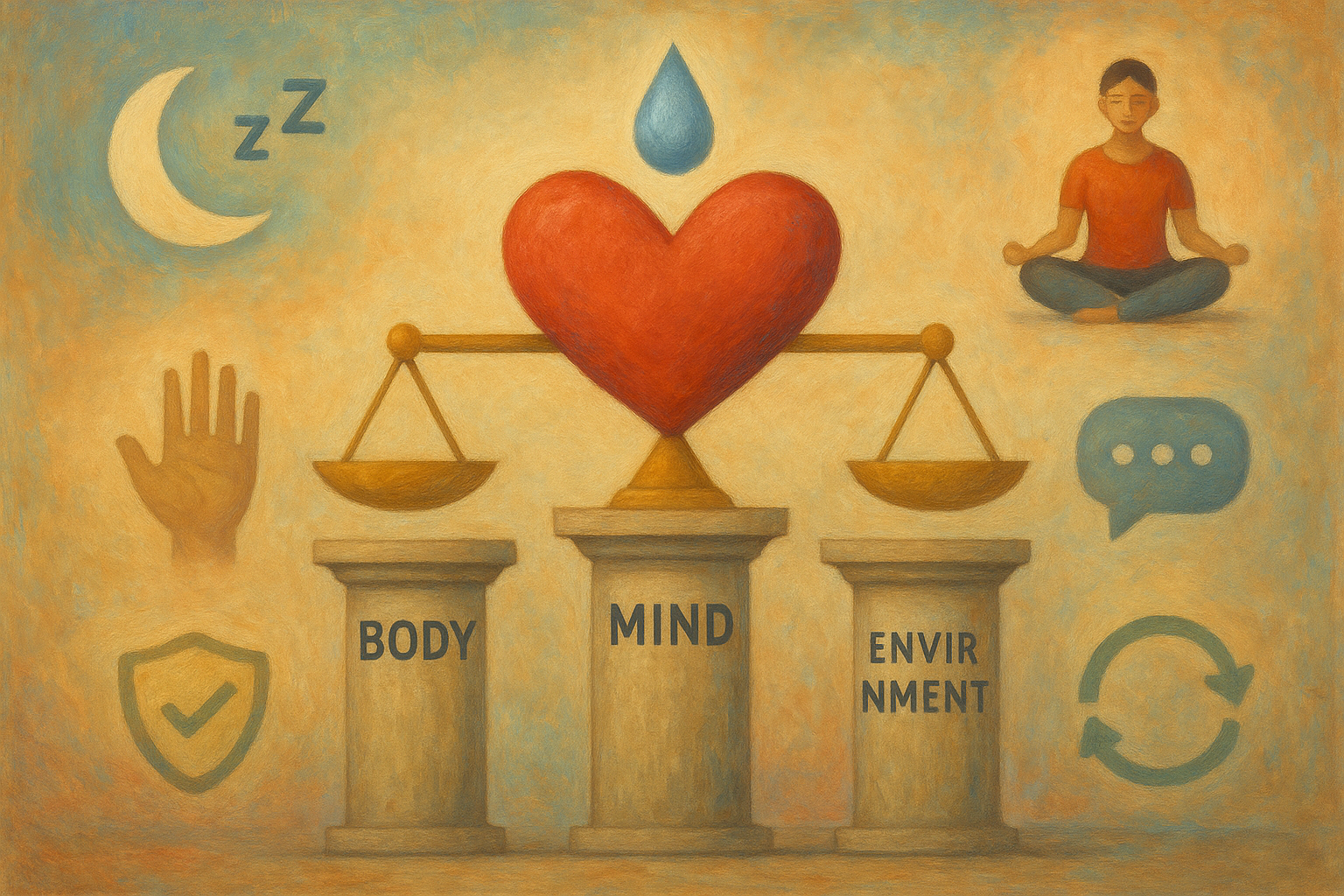
The 3 pillars of solo sexual wellness (Body, Mind, Environment)
In 2026, the biggest shift isn’t a new “hack.” It’s recognizing that your sexual wellbeing is influenced by multiple systems.
1) Body: comfort, anatomy, and health signals
This pillar is about the basics that make exploration feel safe and physically comfortable.
Body-friendly foundations:
- Hydration and sleep (they influence arousal and sensitivity more than most people realize)
- Gentle movement and blood flow
- Comfort and temperature (being cold can shut down desire fast)
- Awareness of pain vs. discomfort vs. “new sensation”
Red flags worth getting checked:
- Persistent pain with touch
- Bleeding that isn’t expected
- Sudden changes in sensation
- Symptoms that might indicate infection
If any of those apply, pause the “DIY diagnosis” spiral and consider professional support.
2) Mind: shame, stress, focus, and consent with yourself
Your brain is your biggest sexual organ. If your mind is flooded with stress, self-judgment, or fear of being “weird,” your body may feel distant or unresponsive.
A few 2026-friendly reframes:
- Consent isn’t only for partners. You can practice consent with yourself by checking in: “Do I actually want this right now?”
- Curiosity beats criticism. Replace “What’s wrong with me?” with “What am I noticing?”
- Arousal isn’t a test you pass. It’s a response that varies with context.
3) Environment: privacy, safety, and your “yes-space”
The environment you build sends a message to your nervous system: safe or not safe.
In 2026, this includes both physical privacy and digital privacy.
- Lock your door (if that matters for your living situation)
- Silence notifications
- Consider what you’d feel comfortable having on your nightstand
- Keep clean-up easy so you don’t associate exploration with stress
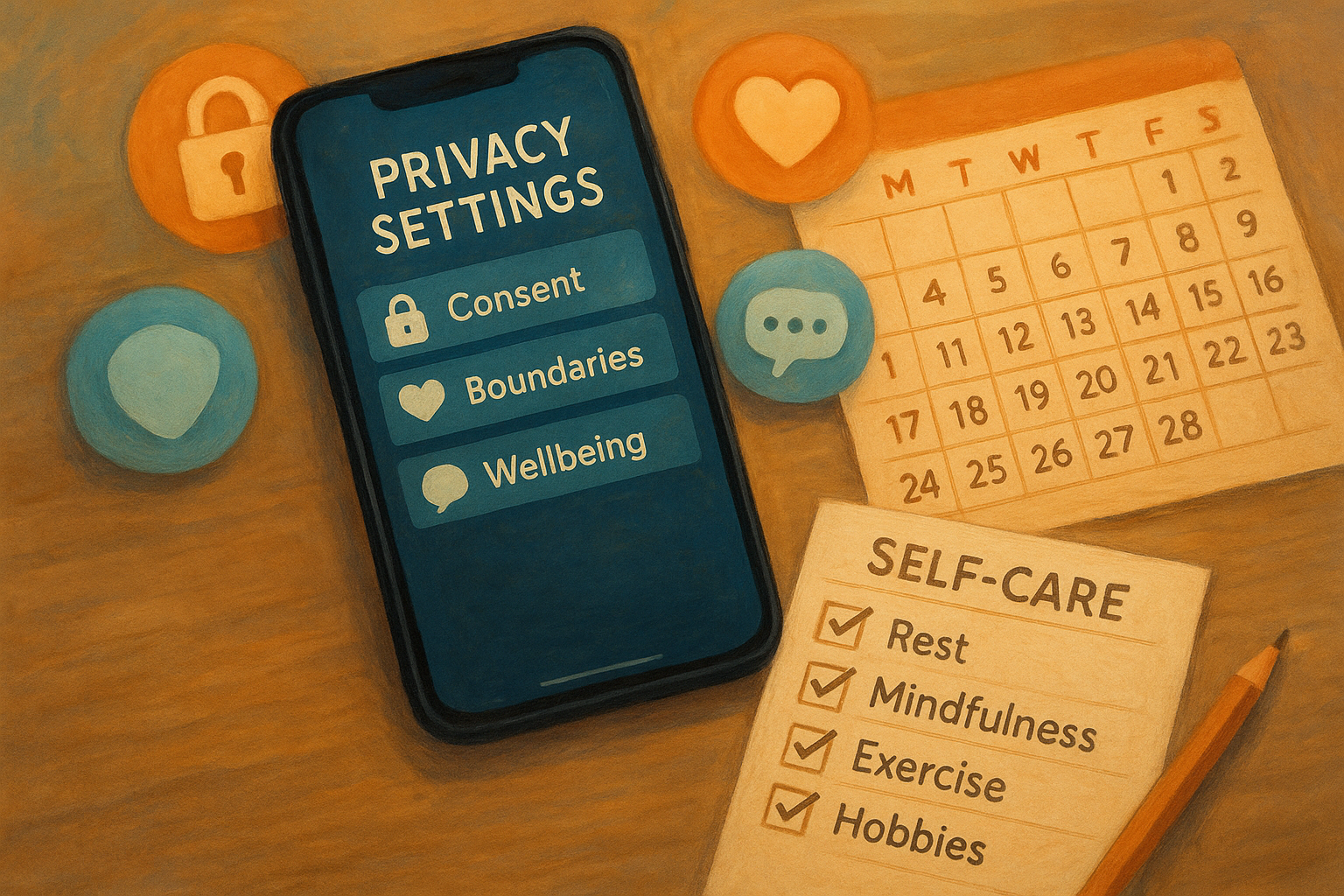
Consent and boundaries: how to practice them solo
It can feel strange to talk about boundaries when you’re alone, but it’s one of the healthiest skills you can develop.
Try a simple boundary script:
- My body is allowed to change its mind.
- Discomfort is information, not a challenge.
- If something feels wrong, I stop.
And a simple consent check-in:
- “Do I want to continue?”
- “Do I want to slow down?”
- “Do I want to switch to something more comforting?”
This approach is consistent with public health framing around safety and wellbeing from CDC—Sexual Health and broader sexual health principles from WHO—Sexual health.
The hygiene basics that most people skip (but shouldn’t)
If you’ve ever searched for “masturbation health,” you’ve probably noticed how quickly the internet swings between fear and hype. The basics are simpler: comfort, cleanliness, and listening to your body.
Good hygiene isn’t about being “perfect.” It’s about reducing irritation and making exploration feel easier next time.
The simple routine
- Wash hands
- Keep nails trimmed (comfort)
- Clean anything you use before and after
- If you use products like lubricant, store them properly and check expiration
Materials + lube compatibility (general guide)
If you use any items designed for intimate use, choose body-safe materials and follow the manufacturer’s guidance. Many consumer guides highlight silicone, glass, and stainless steel as common body-safe materials when properly made.
Here’s a general compatibility table to help you avoid common mistakes:
| Material (general) | Usually non-porous? | Typical cleaning | Common lube note (general) |
|---|---|---|---|
| Silicone | Yes | Mild soap + warm water; dry fully | Some silicone lubes may not be compatible with silicone items—follow product guidance |
| Glass | Yes | Mild soap + warm water; dry fully | Often compatible with water-based lubes |
| Stainless steel | Yes | Mild soap + warm water; dry fully | Often compatible with water-based lubes |
| TPE/TPR blends | Varies | Follow product guidance | Often best with water-based lubes |
⚠️ Warning: If you’re prone to irritation, treat “fragrance” as a question mark. When in doubt, keep it simple and consult a healthcare professional if symptoms persist.
A shame-free way to explore what you like (without turning it into homework)
A common beginner trap is trying to “optimize” sexual wellness the way you’d optimize a workout plan. The better approach is gentle experimentation with clear stop rules.
The “3 layers” method
Instead of searching for the “right” sensation immediately, explore in layers:
- Calm layer: what feels soothing or grounding?
- Curious layer: what feels interesting or novel?
- Intense layer: what feels strong—and how much is too much?
The point isn’t to push intensity. It’s to learn your signal system.
The one-sentence journal prompt
Afterward, write one line:
- “Today I noticed that ________.”
That’s it. Over time you’ll build a personal map.
When (and how) to bring tools into your sexual wellness routine
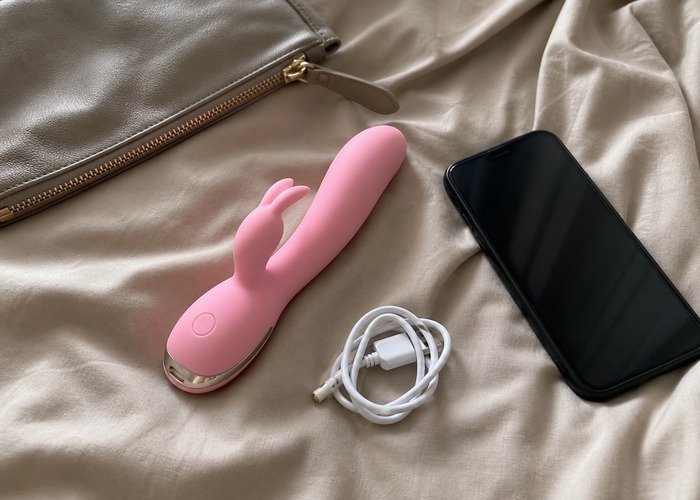
Tools are optional. For many people, they’re useful because they can provide consistent, adjustable stimulation and reduce hand fatigue.
If you decide to explore tools, a few beginner-friendly considerations:
- Body-safe materials and build quality
- Noise level and privacy needs
- Waterproofing (makes cleaning simpler)
- Controls that feel intuitive
- Comfortable shape/ergonomics
If you want to browse discreet, body-safe options, you can explore the categories on Kissself and start with a general collection like vibrators or comfort add-ons like lubes & lingerie.
One example of the kinds of specs you might see on a modern multi-function product page is the Vibrator With Flapping Vibration & Clitoral Suction, which lists details like body-safe materials, waterproof rating, rechargeability, and a low-noise design.
(This is an informational mention, not a promise of outcomes.)
2026 trends that actually matter for sexual wellness (solo edition)
Let’s skip the gimmicks. These are the trends that genuinely improve wellbeing.
1) Privacy-first wellness
People are more selective about what they share, where they store it, and which apps get access to intimate data.
A simple rule:
- If something is deeply personal, treat it like health data.
2) Nervous-system regulation as the missing link
More people are connecting sexual wellbeing to stress response.
If you’re chronically stressed, your body might not feel safe enough for arousal. That’s not “broken”—it’s protective.
3) Education that’s adult, inclusive, and practical
In the US especially, people are seeking evidence-informed, shame-free information.
If you want to explore research topics, a good starting point is searching through PubMed for review articles (look for “systematic review” or “meta-analysis”) on topics like sexual satisfaction, desire, and sexual functioning.
A beginner-friendly “solo sexual wellness plan” for the next 14 days
Keep it light. The goal is repetition without pressure.
Days 1–3: Reset and set boundaries
- Write 3 boundaries you want to honor
- Identify 2 comfort upgrades you can set up easily
- Choose a private time window you can actually keep
Days 4–7: Build body literacy
- Learn one anatomy term per day (without judgment)
- Notice how sleep and stress affect interest or sensitivity
- Practice a 30-second consent check-in (yes/no/maybe)
Days 8–14: Experiment gently
- Try the “3 layers” method once or twice
- Journal one sentence afterward
- Adjust your plan based on what you learn
Key Takeaway: If you can name what you like and what you don’t, you’re already making progress.
Common mistakes (and what to do instead)
Mistake 1: Treating arousal like a performance metric
Do instead: Treat it like weather. Some days are sunny. Some aren’t. You can still take care of yourself.
Mistake 2: Ignoring discomfort
Do instead: Stop, breathe, and reassess. Discomfort is information.
Mistake 3: Skipping clean-up because you’re tired
Do instead: Make clean-up easy: warm water, mild soap, and a clean towel within reach.
Mistake 4: Letting shame drive the narrative
Do instead: Replace judgment with a neutral question: “What am I noticing?”
Watch: a guided educational perspective
Below is the YouTube video you provided (embedded as requested).
FAQ: Solo sexual wellness basics
Is solo sexual wellness “normal”?
Yes. Curiosity about your own body is common. Sexual wellness is broadly framed as part of overall wellbeing by public health and global health organizations (see CDC—Sexual Health and WHO—Sexual health).
Do I need to “finish” for it to count?
No. If your goal is wellness, the win is learning and feeling safe—not hitting an endpoint.
What if I feel anxious, numb, or disconnected?
That can happen for many reasons: stress, fatigue, medication effects, trauma, or simply being new to this. If it persists or feels distressing, consider professional support.
Is it okay to use tools?
For many adults, yes—if you choose body-safe options, follow manufacturer guidance, and prioritize comfort and hygiene. If you have medical concerns, ask a clinician.
How do I know if something is “wrong” physically?
If you have persistent pain, unusual bleeding, symptoms of infection, or sudden changes that worry you, it’s worth getting checked by a healthcare professional.
Next steps (gentle, no-pressure)
If you want a simple next step, choose one:
- Pick one boundary you’ll honor this week.
- Try the 10-minute checklist once.
- If you’re curious about exploring products, browse Kissself and start broad—comfort and body-safe materials first.
You don’t need to rush. You’re building a relationship with your own body—and that’s allowed to take time.