
If pregnancy advice leaves you unsure what “avoid sex” includes, ask your own midwife or doctor to make the instruction specific. A general article cannot interpret a restriction for your pregnancy.
Imagine leaving an appointment with a short instruction but several unanswered questions. Does it apply until another examination? Does it include intimate products? Whom should you contact if something changes? Those are useful care questions, and you can ask them without describing more of your private life than is necessary.
This guide helps you turn an unclear instruction into a conversation and a written follow-up plan. It does not recommend positions or decide whether sexual activity is appropriate for you. Start with the advice from the professionals responsible for your pregnancy, including any restrictions already given.
Start with your own care plan
NHS Wales pregnancy intimacy guidance explains that sex is generally safe unless a doctor or midwife has advised otherwise. It also identifies circumstances that can change that advice, including a low-lying placenta or broken waters. A reassuring statement about pregnancy in general cannot override an instruction you have received.
Bring the wording you were actually given. You might say, “I was told to avoid sex, and I want to follow that correctly. Could you explain what you mean in my situation?” If different professionals have used different language, ask the team to reconcile it rather than choosing whichever version sounds less restrictive.
You do not have to solve the uncertainty by experimenting. Until your team clarifies the instruction, follow the restriction already given. Ask for an understandable explanation of its purpose, the activities it includes, and when it should be reviewed.
Ask about scope, duration, and review
Broad words can conceal several separate questions. Write them down before the conversation so an awkward moment does not make you forget the one that matters most. The goal is a clear answer from your team, not a long list of hypothetical activities.
| Unclear point | A question to ask | What to record |
|---|---|---|
| Scope | Which activities and products does this restriction include? | The team’s specific explanation |
| Duration | Does this remain in place until a review or test result? | Review date or condition for reassessment |
| Changing symptoms | Which changes mean I should contact you sooner? | The action and contact route |
| Conflicting advice | Who can confirm the current plan for my pregnancy? | The responsible team and confirmed instruction |
Ask separately about intimate products if that is relevant. Ask whether a recommendation not to have sex also includes sex toys. Do not assume a different product, a gentler setting, or another person’s experience creates an exception.
Before ending the discussion, repeat the answer in your own words: “So I should follow this instruction until that review, and contact this service if something changes. Have I understood?” If the answer still feels unclear, say which part needs a simpler explanation.

Make room for a private question
NHS guidance on antenatal appointments says you can ask questions and discuss concerns. It also says a partner can attend if you would like them to. You can ask the service how to arrange a private part of the conversation, an interpreter, or another communication adjustment you need.
A partner can help remember an answer, but they should not decide which questions you may ask. Before the visit, agree whether you want them present for this topic. If you would rather speak alone, a simple “I have a personal health question I would like to discuss privately” is enough to begin.
For wording that helps you explain preferences at home, our intimacy conversation guide offers a starting point. Medical advice and personal willingness are separate: an activity being permitted does not mean either person has to want it.
Know when not to wait for an appointment
Keep a routine question list separate from a current health concern. NHS antenatal guidance says you can contact maternity services between appointments if you are worried about your health or your baby’s health. Ask your local team which number or service to use, including outside normal hours.
NHS advice on bleeding in pregnancy says bleeding needs professional advice. It calls for emergency help when bleeding occurs with severe abdominal pain, shoulder pain, faintness or dizziness, or when bleeding is heavy. Use your local emergency service for an emergency; do not wait to finish a checklist or test whether changing an activity helps.
When contacting care, state that you are pregnant, how far along you are, and what is happening now. Follow the service’s instructions. Our guide to describing intimacy discomfort can help with routine preparation, but it should never delay urgent assessment.
Bring product details, not a safety assumption
If you want to ask about a lubricant or another personal product, bring its exact name and label information. A familiar brand, a small bottle, or the phrase “water-based” does not answer whether a particular formula is appropriate for your circumstances. Ask what information your clinician or pharmacist needs before offering advice.
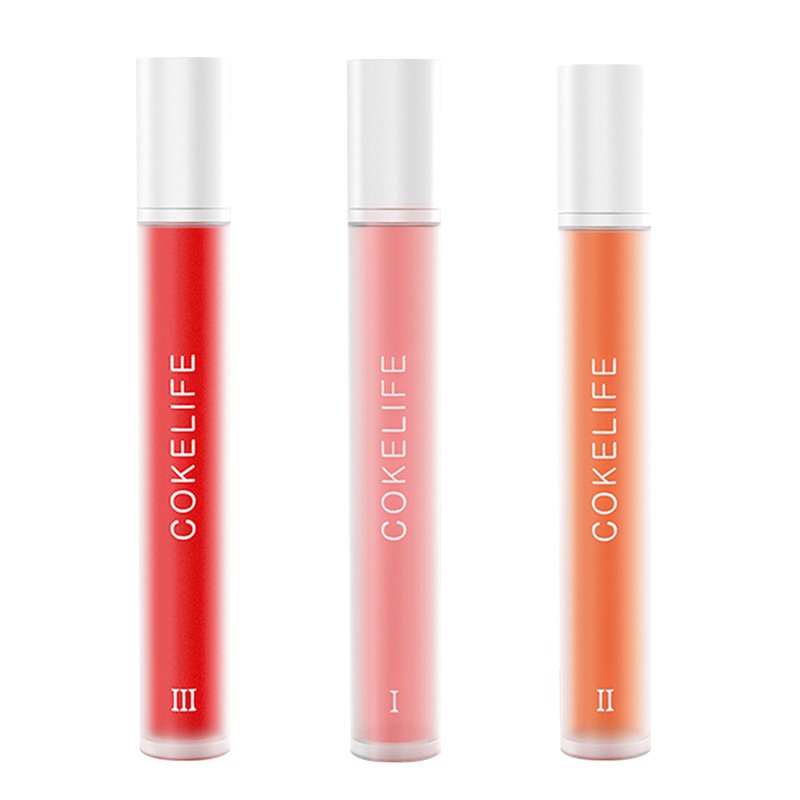
For example, the COKELIFE listing identifies the following item as an 18 ml water-based lubricant. This is a factual product reference to help identify it, not a pregnancy-specific recommendation. Check the actual packaging and ingredients, and do not use a purchase to work around a restriction.
Our lubricant label-reading checklist can help you identify missing information. Keep that shopping task separate from medical clearance. If the ingredients or instructions are unavailable, record the gap instead of filling it with a general claim.
Take the plan home without pressure
After clarification, keep a brief note of the instruction, who gave it, when it was discussed, and the follow-up arrangement. Use your maternity service’s preferred records where possible. A private question list does not need to become a shared account of every intimate detail.
At home, discuss what feels comfortable emotionally as well as what the plan allows. You can choose conversation, time together, or personal space without making a replacement activity compulsory. Our guide to comfort and communication can support that discussion.

If another question appears later, add it to your note and use the agreed contact route. You do not need to resolve every possible scenario in one visit. More reading is available in Sex Education, but your own maternity team remains the place to clarify individual instructions.
Questions about clarifying pregnancy advice
Short answers for planning a conversation with your care team.
Does general pregnancy advice override my own restriction?
No. Follow your individual instruction and ask the maternity team responsible for your care to explain any uncertainty. Another person’s pregnancy or a reassuring article cannot create an exception.
What should I ask if I was told to avoid sex?
Ask what the instruction includes, how long it applies, when it will be reviewed, and whom to contact if something changes. Ask explicitly about intimate products if relevant.
Must my partner attend this conversation?
No. Tell the service whether you want a partner present, and ask how to arrange a private conversation if you prefer. You can choose which personal information to share at home.
Can a lubricant make a restricted activity appropriate?
No. A lubricant does not remove a medical restriction. Bring the exact label if you have a product question, and keep that question separate from permission to resume an activity.