The clitoris plays a central role in sexual pleasure, yet it remains one of the most misunderstood parts of the human body. This small but powerful organ is designed exclusively for pleasure, housing over 8,000 nerve endings in its glans alone. Studies reveal that women often have higher expectations for clitoral stimulation and orgasm when engaging with female partners. These expectations not only influence their pursuit of orgasm but also highlight the importance of understanding and appreciating this unique anatomy. By prioritizing clitoral stimulation, you can take significant steps toward maximizing pleasure in intimate experiences.
Key Takeaways
- The clitoris is made just for pleasure. It has over 10,000 nerve endings, making it the most sensitive body part.
- Learning about the clitoris, both outside and inside, helps people enjoy intimate moments more.
- Most women need clitoral stimulation to reach orgasm, not just vaginal stimulation.
- Trying different methods, like using fingers or toys, can help find what feels best.
- Talking openly with partners about likes and dislikes builds closeness and makes experiences better.
- A cozy and welcoming setting can make intimate times more fun and enjoyable.
- Lubrication reduces rubbing and adds comfort, making it important for intimate activities.
- Exploring your own body helps you understand it better and improves communication in relationships.
Understanding the Clitoris
Anatomy and Structure
External parts: Glans and hood
The external portion of the clitoris, often referred to as the glans, is the most visible part of this organ. It is located at the top of the vulva, where the inner labia meet. The glans is covered by the clitoral hood, a protective fold of skin that shields it from overstimulation. This area is highly sensitive due to its dense concentration of nerve endings. The clitoral hood can be gently retracted during stimulation to expose the glans, allowing for direct contact. However, sensitivity levels vary, so exploring what feels comfortable is essential.
The glans and hood work together to regulate stimulation. While the glans provides intense sensations, the hood offers a buffer, making it easier to control the level of stimulation. This balance ensures that the clitoris can be stimulated without discomfort, enhancing the overall experience.
Internal structure: Crura and bulbs
The clitoris extends far beyond its external appearance. Internally, it comprises two crura (singular: crus) and two bulbs. The crura are wing-like structures that extend along the pelvic bones, forming a wishbone shape. These structures are made of erectile tissue, which engorges with blood during arousal, increasing sensitivity.
The bulbs, located on either side of the vaginal opening, also consist of erectile tissue. They contribute to the sensation experienced during sexual activity by swelling and applying pressure to surrounding areas. Together, the crura and bulbs form a complex network that interacts with other anatomical structures, amplifying pleasure.
Recent studies highlight the importance of understanding the clitourethrovaginal (CUV) complex, a multifaceted area that includes the clitoris, urethra, and vaginal wall. Proper stimulation of this complex can lead to an orgasmic response, showcasing the interconnected nature of the clitoris and surrounding anatomy.
Sensitivity and Function
Why the clitoris is uniquely sensitive
The clitoris is unparalleled in its sensitivity. It contains a staggering number of nerve endings, far exceeding those found in other erogenous zones.
- Research reveals that the clitoris has approximately 20% more nerve fibers than the commonly cited figure of 8,000.
- These nerve endings connect to an additional 15,000 pelvic nerves, creating a network that enhances sensation during stimulation.
- Recent findings from Oregon Health & Science University indicate that the clitoris may have over 10,000 nerve fibers, surpassing earlier estimates.
This intricate nerve network makes the clitoris one of the most sensitive areas of the human body. Its sole function is to provide pleasure, a unique characteristic that sets it apart from other anatomical structures.
How its function is tied to pleasure
The clitoris plays a central role in sexual arousal and orgasm. Its sensitivity allows it to respond to various forms of stimulation, including touch, vibration, and pressure. When stimulated, the nerve endings in the clitoris send signals to the brain, triggering the release of feel-good hormones like dopamine and oxytocin.
The internal structures of the clitoris, such as the crura and bulbs, also contribute to pleasure. During arousal, these structures engorge with blood, increasing their sensitivity and enhancing the overall experience. This interconnected system ensures that stimulation of the clitoris can lead to intense and satisfying sensations.
Debunking Myths
Common misconceptions about the clitoris
Despite its importance, the clitoris is often misunderstood. Several myths persist, leading to confusion and misinformation:
- The G-spot, A-spot, and C-spot are frequently discussed as distinct erogenous zones. However, scientific consensus on their existence remains inconclusive.
- Many believe that vaginal stimulation alone is sufficient for orgasm. In reality, most women achieve orgasm primarily through clitoral stimulation.
- Some assume that the clitoris is a small, insignificant organ. In truth, it is a complex structure with both external and internal components, all designed to maximize pleasure.
The importance of education in breaking taboos
Education is crucial for dispelling myths and fostering a better understanding of the clitoris. Misconceptions often stem from a lack of comprehensive sexual education, which perpetuates taboos and stigmas. By learning about the anatomy and function of the clitoris, you can challenge these misconceptions and promote a more informed perspective on sexual health.
Understanding the clitoris empowers you to explore your body and communicate your preferences effectively. It also encourages mutual respect and consent in intimate relationships, laying the foundation for more fulfilling experiences.
Techniques for Maximizing Pleasure
External Stimulation
Using fingers: Pressure, rhythm, and motion
Using your fingers for clitoral stimulation offers a versatile and intimate way to explore pleasure. The key lies in understanding how pressure, rhythm, and motion interact to create different sensations. Start by applying light pressure to the glans or the clitoral hood. Gradually increase the intensity based on your comfort level. Circular motions, tapping, or gentle stroking can provide varied sensations.
Experiment with rhythm to discover what feels best. Some individuals prefer slow, deliberate movements, while others enjoy faster, more consistent patterns. Pay attention to how your body responds and adjust accordingly. Using your fingers allows for precise control, making it easier to adapt to changing preferences during stimulation.
Tip: Keep your nails trimmed and smooth to avoid discomfort. Adding a water-based lubricant can enhance the experience by reducing friction and increasing sensitivity.
Incorporating toys: Vibrators and other tools
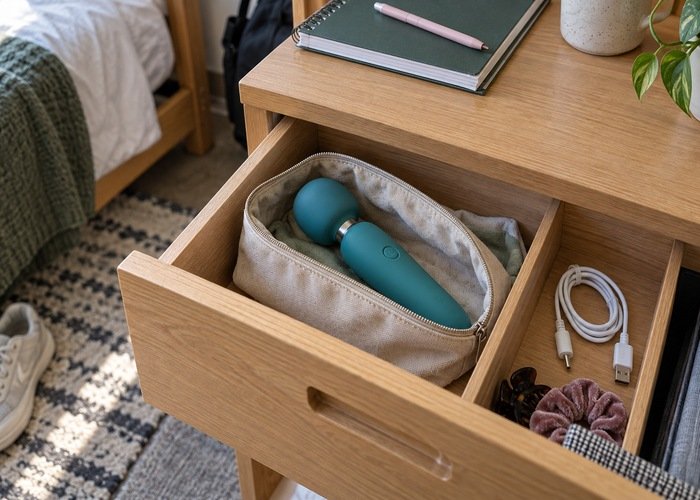
Incorporating toys into clitoral stimulation can elevate your experience. Vibrators, for instance, are designed to provide consistent and targeted stimulation. Choose a vibrator with adjustable settings to explore different intensities and patterns. Place it directly on the glans or move it around the clitoral hood to find the most pleasurable spots.
Other tools, such as suction devices, offer unique sensations by mimicking the feeling of oral stimulation. These tools can be particularly effective for those seeking a new way to experience pleasure. Always prioritize high-quality, body-safe materials when selecting toys.

Note: Clean your toys before and after use to maintain hygiene. If you’re new to using toys, start with a smaller device to ease into the experience.
Indirect Stimulation
Stimulating the clitoral hood
Indirect stimulation through the clitoral hood can be a gentler alternative to direct contact. The hood acts as a natural buffer, reducing the intensity of sensations while still engaging the nerve endings beneath. Use your fingers or a soft toy to massage the hood in circular or side-to-side motions.
This method is ideal for those who find direct stimulation too intense. It also allows for prolonged sessions without discomfort. Adjust the pressure and rhythm to suit your preferences, and don’t hesitate to explore different techniques to discover what feels most enjoyable.
Oral techniques for indirect pleasure
Oral stimulation offers another way to engage the clitoris indirectly. Focus on the clitoral hood and surrounding areas to create a buildup of sensations. Use your tongue to trace gentle patterns or apply light suction for added stimulation. Alternating between soft and firm pressure can heighten the experience.
Communication is crucial during oral stimulation. Let your partner know what feels good and guide them if necessary. This ensures that the experience remains pleasurable and tailored to your needs.
Tip: Incorporating warm breath or a flavored lubricant can add an extra layer of sensory enjoyment.
Combining Methods
Blending clitoral and vaginal stimulation
Combining clitoral and vaginal stimulation can lead to a more intense and fulfilling experience. This approach, often referred to as “Pairing,” respects the interconnected nature of the clitoris and surrounding anatomy. The OMGYES study highlights that nearly 70% of women have used pairing techniques to enhance pleasure during penetration.
To try this, use a vibrator on the clitoris while engaging in vaginal penetration with fingers, a toy, or a partner. This dual stimulation activates both the external and internal components of the clitoris, amplifying sensations. Adjust the intensity and rhythm of each type of stimulation to find the perfect balance.
- Benefits of Pairing Techniques:
- Simultaneous stimulation of visible and hidden parts of the clitoris.
- Enhanced pleasure through the engagement of multiple erogenous zones.
- Increased likelihood of achieving orgasm.
Exploring positions for better access
Certain positions can improve access to the clitoris, making it easier to combine methods or focus on specific areas. For solo play, lying on your back with your knees bent provides a clear view and easy access. For partnered activities, positions like missionary with a slight pelvic tilt or cowgirl allow for direct clitoral stimulation during penetration.
Experiment with different angles and positions to discover what works best for you. Adding a pillow under your hips can also help align your body for optimal stimulation.
Note: Open communication with your partner about positioning can enhance the experience and ensure mutual satisfaction.
Enhancing the Experience
The role of lubrication
Lubrication plays a critical role in enhancing comfort and pleasure during intimate activities. It reduces friction, which can otherwise lead to discomfort or irritation. Whether your body produces natural lubrication or you use a store-bought product, ensuring adequate lubrication can significantly improve the quality of your experience.
There are three main types of lubricants available: water-based, silicone-based, and oil-based. Each has unique properties suited to different preferences and activities:
| Type of Lubricant | Key Features | Best For |
|---|---|---|
| Water-based | Easy to clean, compatible with most toys and condoms | General use, especially with latex condoms |
| Silicone-based | Long-lasting, waterproof | Shower or bath play, extended sessions |
| Oil-based | Natural feel, moisturizing | Non-latex condoms, external stimulation |
When selecting a lubricant, consider your specific needs and any sensitivities. For example, if you have sensitive skin, opt for a hypoallergenic, fragrance-free product. Always check the ingredients to avoid irritants like glycerin or parabens, which can disrupt the natural pH balance.
Using lubrication effectively involves applying it generously to the areas you plan to stimulate. If you’re using toys, coat both the toy and the targeted area for smooth and seamless interaction. Reapply as needed to maintain comfort throughout the session.
Tip: Keep a small bottle of lubricant within reach during intimate moments. This ensures you can quickly address any dryness without interrupting the flow of your experience.
Creating a comfortable and intimate environment
The environment you create sets the tone for your intimate experiences. A comfortable and inviting space can help you relax, focus on the moment, and fully enjoy the sensations. Start by ensuring your surroundings are clean, private, and free from distractions.
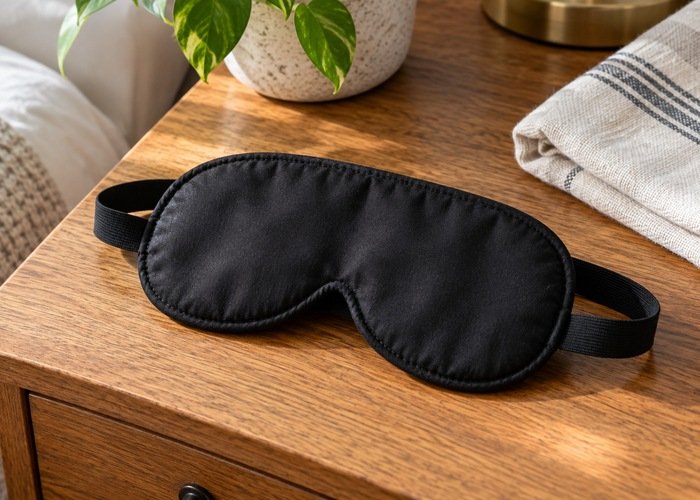
Lighting plays a significant role in setting the mood. Soft, warm lighting creates a calming atmosphere, while candles can add a touch of romance. If you prefer complete darkness, blackout curtains or an eye mask can help you focus solely on the physical sensations.
Temperature is another important factor. A room that’s too cold or too hot can be distracting. Adjust the thermostat or use blankets to ensure you’re comfortable.
Incorporating sensory elements can further enhance the experience. For example:
- Sound: Play soothing music or nature sounds to create a relaxing background.
- Scent: Use essential oils or scented candles with calming fragrances like lavender or vanilla.
- Touch: Choose soft, clean sheets and keep a cozy blanket nearby.
Communication with your partner also contributes to a comfortable environment. Discuss your preferences beforehand to ensure you’re both on the same page. This eliminates uncertainty and allows you to focus on enjoying the moment.
Note: If you’re exploring solo, take the time to create a space that feels safe and personal. This could include adding items like pillows, a favorite blanket, or even a journal to reflect on your experience afterward.
By prioritizing lubrication and creating a comfortable environment, you take essential steps toward maximizing pleasure. These elements not only enhance physical sensations but also contribute to a deeper sense of connection and satisfaction.
Communication and Personal Preferences
The Importance of Open Communication
Discussing likes and dislikes with a partner
Open communication about your preferences is essential for fostering intimacy and satisfaction. Discussing what you enjoy and what feels uncomfortable allows you and your partner to create a more fulfilling experience. Start by choosing a relaxed setting where both of you feel at ease. Use clear and positive language to express your likes, and encourage your partner to share theirs.
Research underscores the benefits of such conversations. For example, a study by Mallory (2022) found that sexual communication positively impacts both sexual and relationship satisfaction. Similarly, Jones & Lucero Jones (2022) observed that couples who communicate more frequently about sex report higher relational satisfaction.
| Study | Findings |
|---|---|
| Mallory (2022) | All facets of sexual communication are positively associated with sexual and relationship satisfaction. |
| Jones & Lucero Jones (2022) | Relationally satisfied couples communicate more often and positively about sex. |
| Coffelt & Hess (2014) | Greater frequency of sexual self-disclosure correlates with higher relational satisfaction. |
| Montesi et al. (2011) | Importance of communicating about sex is linked to couples’ sexual and overall relationship satisfaction. |
Overcoming discomfort in conversations about pleasure
Talking about pleasure can feel awkward, especially if you’re not used to discussing intimate topics. To overcome this discomfort, start small. Share a positive experience or a compliment about something your partner does well. Gradually introduce more specific preferences as the conversation progresses.
Using “I” statements, such as “I feel most comfortable when…” or “I enjoy it when…”, can make the discussion feel less confrontational. Remember, the goal is to create a safe space where both of you feel heard and respected. Over time, these conversations will become more natural, strengthening your connection.
Exploring Individual Preferences
Discovering your body through self-exploration
Understanding your body is a crucial step in maximizing pleasure. Self-exploration allows you to identify what feels good and what doesn’t. Practices like mindful masturbation can help you reconnect with your desires and improve your ability to communicate them to a partner.
Studies highlight the benefits of self-exploration. Research from Brigham Young University revealed that an online sexual mindfulness program improved emotional and sexual satisfaction for participants. Similarly, findings published in Sexual and Relationship Therapy showed that mindfulness practices enhance relational flourishing and sexual harmony.
- Benefits of self-exploration:
- Enhances emotional and sexual satisfaction.
- Improves communication about preferences.
- Builds confidence in expressing desires.
Adapting to changing preferences over time
Your preferences may evolve due to factors like age, experiences, or changes in your relationship. Regular self-reflection helps you stay in tune with these shifts. Pay attention to how your body responds to different types of stimulation and adjust your approach accordingly.
Discussing these changes with your partner ensures that your intimate experiences remain satisfying. Approach the conversation with curiosity and openness, emphasizing that exploring new preferences together can strengthen your bond.
Respecting Boundaries
The role of consent in intimacy
Consent is the foundation of any healthy intimate relationship. It ensures that both partners feel safe and respected. Mutual consent fosters trust, which is essential for open communication about desires and boundaries.
Statistics reveal the importance of this principle. Approximately 50% of women and 23% of men have experienced some form of sexual coercion in their lifetime. Practicing mutual consent not only prevents harm but also enhances emotional intimacy and satisfaction.
- Key aspects of consent:
- Clear and enthusiastic agreement from both partners.
- Ongoing communication to ensure comfort.
- Respect for a partner’s right to change their mind.
Navigating differences in preferences with respect
Differences in preferences are natural and should be approached with understanding. Instead of viewing them as obstacles, treat them as opportunities to learn more about each other. Listen actively to your partner’s needs and express your own with clarity.
Respecting boundaries creates an environment where both partners feel valued. This mutual respect allows for open dialogue, leading to more satisfying and harmonious experiences. Trust and understanding are key to navigating these differences successfully.
Tip: Regularly check in with your partner about their comfort levels and preferences. This practice reinforces trust and ensures that both of you feel supported.
Aftercare and Emotional Connection
Physical and Emotional Aftercare
Cleaning and soothing after intimacy
After intimacy, taking care of your body is essential for comfort and hygiene. Cleaning the genital area with warm water helps remove any residue and reduces the risk of irritation or infection. Avoid using harsh soaps or scented products, as they can disrupt the natural pH balance. Pat the area dry gently with a clean towel to prevent chafing.
For additional soothing, consider applying a mild, fragrance-free moisturizer or aloe vera gel to reduce any sensitivity. If you used toys, clean them thoroughly with a toy-safe cleanser or warm soapy water to maintain hygiene. These small steps ensure your body feels refreshed and cared for after intimate moments.
Providing reassurance and emotional support
Emotional aftercare is just as important as physical care. After intimacy, you may feel vulnerable or emotionally exposed. Offering reassurance to your partner can help create a sense of safety and connection. Simple gestures like holding hands, cuddling, or sharing kind words can strengthen your bond.
Research highlights that engaging in enjoyable post-intimacy activities fosters stronger emotional connections. This practice reduces anxiety, promotes effective communication, and enhances overall relationship satisfaction. By prioritizing emotional support, you create a foundation of trust and mutual understanding.
Tip: Ask your partner how they feel after intimacy. Listening actively and responding with empathy can deepen your emotional connection.
Building Intimacy
How post-intimacy communication strengthens relationships
Talking with your partner after intimacy can significantly enhance your relationship. Sharing your feelings, expressing gratitude, or discussing what you enjoyed creates a positive feedback loop. This open dialogue fosters emotional closeness and helps both partners feel valued.
Studies show that aftercare rituals, such as meaningful conversations, elevate relationship satisfaction. Positive expressions during these moments cultivate trust and reassurance, which are essential for long-term relationship sustainability. By making post-intimacy communication a habit, you strengthen your emotional bond and create a safe space for mutual growth.
Encouraging ongoing exploration and mutual learning
Intimacy is an ongoing journey that evolves over time. Encouraging exploration and learning together keeps your relationship dynamic and fulfilling. Discussing new ideas, preferences, or fantasies can open doors to deeper understanding and shared experiences.

Approach these conversations with curiosity and an open mind. Celebrate your discoveries and adapt to each other’s changing needs. This mutual learning process not only enhances your physical connection but also reinforces your emotional partnership.
Note: Regularly revisiting your shared experiences and preferences ensures that your relationship continues to grow in a positive direction.
By focusing on aftercare and emotional connection, you nurture both physical and emotional well-being. These practices create a supportive environment where intimacy thrives, leading to a more satisfying and meaningful relationship.
Understanding the clitoris is vital for maximizing pleasure and fostering deeper intimacy. This knowledge empowers you to explore your body and communicate preferences effectively, creating more fulfilling sexual experiences. Recent studies reveal that lesbians report higher orgasm rates than heterosexual women, largely due to increased clitoral stimulation and differing sexual expectations. These findings underscore the transformative impact of prioritizing clitoral stimulation in intimate encounters.
By learning about anatomy, techniques, and communication, you can enhance your connection with yourself and your partner. Embrace exploration, maintain open dialogue, and prioritize mutual respect and consent. These steps not only enrich physical pleasure but also strengthen emotional bonds, paving the way for a more satisfying and harmonious relationship.
FAQ
What is the primary function of the clitoris?
The clitoris exists solely for pleasure. It contains thousands of nerve endings that make it the most sensitive erogenous zone in the human body. Its unique design ensures that its stimulation can lead to intense sensations and orgasms.
Can everyone experience clitoral pleasure the same way?
No, sensitivity varies from person to person. Some individuals prefer direct stimulation, while others enjoy indirect methods. Exploring your preferences helps you discover what feels best for your body.
Is clitoral stimulation necessary for orgasm?
For most women, yes. Studies show that clitoral stimulation plays a key role in achieving orgasm. Vaginal stimulation alone often doesn’t provide enough sensation to reach climax without engaging the clitoris.
Are there risks to overstimulating the clitoris?
Yes, overstimulation can cause discomfort or temporary numbness. To avoid this, use gentle techniques and take breaks if needed. Pay attention to your body’s signals to ensure a pleasurable experience.
How can I introduce clitoral stimulation into partnered intimacy?
Start with open communication. Share your preferences and guide your partner during intimacy. Using fingers, toys, or oral techniques can enhance the experience for both of you.
Do lubricants affect clitoral sensitivity?
Yes, lubricants can enhance sensitivity by reducing friction. Water-based lubricants work well for most people. Choose a product that suits your skin type and preferences for the best results.
Can the clitoris change over time?
Yes, hormonal changes, aging, or childbirth can affect sensitivity. Regular self-exploration helps you adapt to these changes and maintain a satisfying intimate life.
Is it normal to feel shy about discussing clitoral stimulation?
Yes, many people feel shy due to societal taboos. However, open conversations about pleasure foster better understanding and intimacy. Start small and build confidence over time.
Tip: Approach these topics with curiosity and patience. Learning together strengthens your connection and enhances mutual satisfaction.