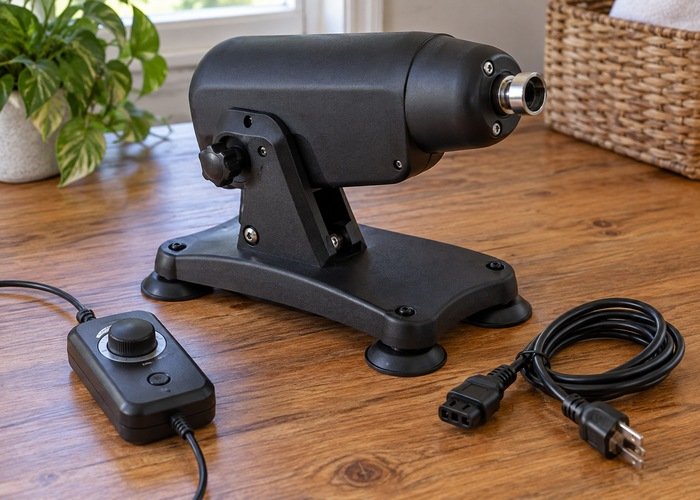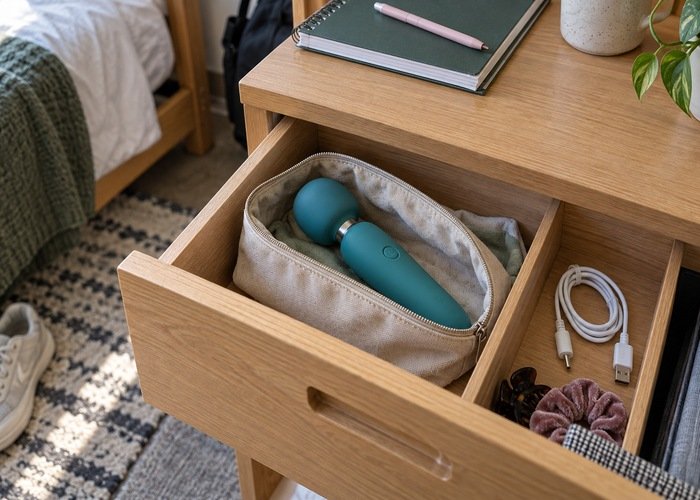
You want your partner to experience pleasure and satisfaction, but many people with vulvas face challenges.
- About 30–40% of people with vulvas report difficulty reaching orgasm during partnered sex, and half of them feel distressed by this.
Creating the right conditions for a vulva orgasm means focusing on emotional safety, communication, and physical exploration. Barriers can include physical, psychological, relational, and contextual factors:
| Category | Barriers |
|---|---|
| Physical | Fatigue, infections, lack of lubrication |
| Psychological | Anxiety, shame, lack of knowledge, fear of failure |
| Relational | Partner rushing, disputes, distractions |
| Contextual | Poor sleep, lack of privacy, children present |
Approach this journey with curiosity, patience, and openness for the best results.
Key Takeaways
- Emotional safety is crucial for pleasure. Create a secure environment for your partner.
- Open communication about desires and boundaries enhances intimacy and satisfaction.
- Gradual arousal through extended foreplay increases the likelihood of orgasm.
- Direct clitoral stimulation is often necessary for achieving orgasm; explore different techniques.
- Using lubricants and sex toys can significantly enhance pleasure and comfort.
- Experimenting with new positions can lead to better stimulation and more satisfying experiences.
- Aftercare is essential for emotional connection and helps both partners feel valued.
- Focus on the journey of pleasure rather than just the goal of orgasm for a more enjoyable experience.
Vulva Orgasm: Key Factors
Achieving a vulva orgasm involves more than physical touch. You need to create the right environment, which includes emotional safety, open communication, and effective physical stimulation. Each factor plays a unique role in helping your partner feel comfortable, connected, and aroused.
Emotional Safety
Emotional safety forms the foundation for sexual pleasure. When your partner feels secure, their body responds more positively to arousal. Research shows that insecure attachment styles, such as anxious or avoidant, often lead to difficulties in reaching orgasm. Secure attachment, on the other hand, supports better sexual health outcomes, including the ability to experience vulva orgasm.
Tip: You can foster emotional safety by listening without judgment, respecting boundaries, and showing genuine care. For example, if your partner expresses discomfort with a certain activity, acknowledge their feelings and suggest exploring alternatives together.
The autonomic nervous system reacts to mental states. If your partner feels unsafe, stress can block arousal and orgasm. A sense of safety allows relaxation and enhances sexual experiences.
Open Communication
Open communication helps you and your partner express desires, preferences, and boundaries. This leads to greater sexual satisfaction and more frequent vulva orgasms. You can use simple questions to start conversations, such as “What feels good for you?” or “Would you like to try something new?”
| Key Point | Explanation |
|---|---|
| Importance of Communication | Sharing desires and preferences increases satisfaction. |
| Orgasm Gap | Many women feel pressure to fake orgasms, which blocks honest communication. |
| Trust and Intimacy | Discussing sexual needs builds trust and deepens intimacy. |
You can build trust by having honest conversations about sexual needs. Address concerns together to strengthen intimacy. For example, if your partner feels nervous about trying a new position, talk openly about their worries and reassure them that you value their comfort.
Physical Stimulation
Physical stimulation is essential for vulva orgasm. Clinical research highlights direct stimulation of the external clitoris as the most reliable method. Vaginal penetration alone does not guarantee orgasm for most people with vulvas. Combining clitoral and vaginal stimulation often produces the best results.
- Direct clitoral stimulation increases the likelihood of orgasm.
- Many women report that blended stimulation during vaginal penetration works well.
- A history of penile-vaginal orgasm links to better psychological functioning and a more fluid gait.
You can experiment with different techniques, such as using your fingers, tongue, or sex toys. For example, try gentle circular motions around the clitoris and ask your partner for feedback. Adjust your approach based on their responses to maximize pleasure.
Note: Every person is unique. What works for one may not work for another. Stay curious and open to learning together.
By focusing on emotional safety, open communication, and physical stimulation, you set the stage for more reliable and satisfying vulva orgasms. The next sections will guide you through actionable steps to build trust, communicate effectively, and explore physical techniques.
Emotional and Mental Preparation
Preparing emotionally and mentally can make a big difference in your partner’s ability to experience pleasure and reach orgasm. You can help by building trust, creating comfort, reducing pressure, and using relaxation techniques. These steps set the stage for a more satisfying and connected sexual experience.
Building Trust
Trust forms the backbone of intimacy. When your partner trusts you, they feel safe to explore their desires and communicate openly. Research shows that women who feel comfortable discussing sexual activities with their partners are more likely to experience satisfaction and orgasm. You can see the impact of trust and communication in the table below:
| Evidence Description | Key Findings |
|---|---|
| High sexual motivation and communication | Women with high sexual motivation and open communication are more likely to experience orgasms. |
| Discomfort with communication | Anorgasmic women reported greater discomfort with discussing sexual activities, indicating a link between trust and sexual satisfaction. |
| Positive sexual experiences | Women with high orgasmic capacity often had skillful partners and valued open discussions about sexual issues, enhancing their sexual experiences. |
Creating Comfort
You can create comfort by making sure your partner feels accepted and valued. Start by asking what helps them relax. For example, one couple found that dimming the lights and playing soft music helped the partner with a vulva feel more at ease. You can also use gentle touch and reassuring words to show support. When your partner feels comfortable, their body can respond more positively to arousal.
Reducing Pressure
Taking the pressure off orgasm can actually make it easier to achieve. Many people with vulvas feel anxious about performance, which can block pleasure. You can help by focusing on the journey rather than the goal. For instance, one couple agreed to spend time exploring each other’s bodies without any expectation of orgasm. This approach led to more relaxed and enjoyable experiences.
Tip: Remind your partner that pleasure matters more than reaching a specific outcome. Celebrate small moments of connection and intimacy.
Relaxation Techniques
Relaxation helps the body and mind become more receptive to pleasure. You can use several techniques to help your partner unwind before and during intimacy.
Setting the Mood
Setting the mood involves creating a calm and inviting environment. You might light candles, use soft bedding, or play soothing music. One couple found that taking a warm bath together before sex helped them both relax and connect. These small changes can reduce stress and increase arousal.
- Mindfulness and relaxation techniques, such as deep breathing exercises or meditation, can help reduce anxiety and help you stay present during sexual activity.
- Taking the time to unwind and set a positive mindset can make a significant difference in how your body responds.
Mindfulness in the Moment
Mindfulness means focusing on the present and tuning into bodily sensations. Practicing mindfulness during sex can help your partner notice what feels good and let go of distractions. For example, you can guide your partner to pay attention to their breath or the feeling of your touch. Studies show that higher levels of sexual mindfulness are linked to greater sexual function and less distress.
- Mindfulness may help individuals focus on bodily sensations and reduce cognitive distractions, enhancing arousal and the ability to experience orgasm.
- Increased body awareness and connection through mindfulness can lead to improved sexual function and satisfaction.
You can try a simple exercise together: pause, take a few deep breaths, and describe what sensations you both notice. This practice can help your partner feel more connected and increase the chances of a vulva orgasm.
Communication for Better Orgasms

Open and honest communication can transform your sexual experiences. When you talk about what you like and need, you help your partner feel valued and understood. This section will guide you through asking preferences, encouraging feedback, and sharing fantasies to create the best conditions for a vulva orgasm.
Asking Preferences
You can start by asking your partner about their preferences. Many people with vulvas do not reach orgasm because their partners do not understand the vulva or clitoris well. You can change this by asking simple questions like, “Do you like this touch?” or “Would you like me to try something different?” These questions show that you care about their pleasure.
- Studies show that effective communication about sexual preferences, such as stimulation methods, increases orgasm frequency.
- Women with high sexual self-esteem experience orgasms more often, but good communication can help even if self-esteem is low.
A practical example: One couple decided to talk before sex about what each person wanted to try. The partner with a vulva described the kind of touch that felt best. This led to more pleasure and a higher chance of orgasm.
| Communication Tip | Example Question |
|---|---|
| Ask about touch | “Do you like it softer or firmer?” |
| Check in during intimacy | “Is this speed okay for you?” |
| Explore new ideas | “Would you like to try something new?” |
Encouraging Feedback
Feedback helps you learn what works and what does not. You can ask for feedback before, during, and after sex. Positive reinforcement, like saying “I love when you do that,” encourages more of what feels good. Gentle corrections, such as “That’s a bit too much pressure,” help you adjust.
- Discuss preferences before, during, and after sexual activity.
- Provide positive reinforcement for pleasurable experiences and gentle corrections for discomfort.
- Debrief after sexual encounters to identify what worked and what didn’t.
A case study: After sex, one couple spent a few minutes talking about what they enjoyed most. They each shared one thing that felt great and one thing they might change next time. This open feedback made future experiences more satisfying.
Tip: Create a safe space for open dialogue. Remind your partner that their comfort and pleasure matter most.
Sharing Fantasies
Sharing fantasies can deepen intimacy and trust. Many people feel nervous about expressing their desires because of societal pressures. You can help by starting the conversation and showing acceptance.
- Create a safe space for open dialogue about sexual desires and boundaries.
- Recognize that each person’s preferences are unique, so stay open to experimenting and learning together.
For example, one couple set aside time to talk about fantasies without judgment. They each wrote down a fantasy and shared it. This led to new experiences and a stronger connection.
| Step | How-To Example |
|---|---|
| Set the mood | Choose a relaxed time to talk |
| Use open questions | “Is there something you’ve always wanted to try?” |
| Listen actively | Respond with curiosity and support |
Good communication about preferences, feedback, and fantasies helps you and your partner feel closer and more confident. These steps can make a big difference in achieving a vulva orgasm and enjoying your time together.
Foreplay and Gradual Arousal

Gradual arousal plays a crucial role in helping your partner reach a Vulva Orgasm. You can create the best conditions by focusing on extended foreplay, teasing, anticipation, and non-genital touch. Each step builds excitement and comfort, making orgasm more likely.
Extended Foreplay
You can increase pleasure by extending foreplay. Research shows that the average duration of foreplay leading to higher orgasm rates for people with vulvas is 15.4 minutes, with a standard deviation of 11.6 minutes. You should not rush this stage. Instead, explore different types of touch, kissing, and gentle caresses.
- Try setting a timer for at least 15 minutes of foreplay before moving to genital stimulation.
- Use a variety of touches, such as soft strokes, gentle massages, and playful kisses.
A practical case study: One couple decided to focus on longer foreplay. They spent 20 minutes exploring each other’s bodies, using massage oil and slow, deliberate movements. The partner with a vulva reported feeling more relaxed and aroused, which led to a more satisfying orgasm.
Tip: You can ask your partner what kind of touch feels best during foreplay. Adjust your approach based on their feedback.
Teasing and Anticipation
Teasing and anticipation heighten arousal and make sexual experiences more exciting. When you delay gratification, you build emotional tension and increase pleasure. Experts emphasize that consistent orgasms are linked to ample foreplay time, especially focused attention on the clitoris, which often requires about 15-20 minutes of dedicated stimulation.
| Benefit of Teasing | Description |
|---|---|
| Psychological anticipation | Creates desire and excitement |
| Delayed gratification | Amplifies emotional tension and pleasure |
| Longer sexual duration | Leads to greater satisfaction |
- Anticipation leads to better sexual experiences, breaking down inhibitions and enhancing arousal.
- The feeling of craving and waiting results in more intense orgasms.
A practical example: One couple played a teasing game where they took turns touching each other but paused before moving to direct stimulation. This playful approach increased excitement and led to a stronger orgasm for the partner with a vulva.
Non-Genital Touch
Non-genital touch helps build arousal and emotional intimacy. You can start by exploring areas like the neck, back, thighs, and inner arms. Sexual arousal links to increased sensitivity in these erotic zones, which enhances pleasure during sexual activity.
- Arousal may prevent pain and facilitate pleasure through increased lubrication and heightened pain thresholds.
- Most women report that building up arousal, having a partner who understands their preferences, and emotional intimacy significantly enhance their orgasm experiences.
- 66.6% of women prefer direct clitoral touch with an ‘up and down’ motion and medium pressure, but non-genital touch helps set the stage.
Case study: One couple began their intimate time with a slow back massage and gentle kisses on the shoulders. The partner with a vulva felt more connected and relaxed, which made genital touch more pleasurable and increased the likelihood of orgasm.
Note: You can use non-genital touch to communicate care and affection. This builds trust and comfort, making sexual experiences more enjoyable.
Clitoral and G-Spot Stimulation
Clitoral Stimulation for Vulva Orgasm
You can help your partner achieve a Vulva Orgasm by focusing on clitoral stimulation. Most people with vulvas need direct clitoral touch to reach climax. Research shows that:
- 82% of women report needing direct clitoral stimulation to orgasm.
- 80 to 95% require at least some direct clitoral caressing to climax.
You should try different techniques to discover what feels best. You can use your fingers, tongue, or a sex toy. Start slow and soft, then gradually increase pressure and speed as arousal builds. Mixing up techniques, pressure, and rhythm can help you find the most effective approach.
Here are some proven methods:
- Use your tongue to gently circle the clitoris and hood, changing pressure as you go.
- Try a vibrating toy placed next to or on top of the clitoris for intense sensations.
- Experiment with rubbing, tapping, grinding, or pinching to see what your partner enjoys.
- Keep it varied and pay attention to feedback.
A practical case study: One couple set aside time to explore clitoral stimulation. The partner with a vulva described the kind of touch that felt best, such as gentle circular motions and medium pressure. They tried different techniques, including using a vibrator and oral stimulation. The partner reported more frequent and satisfying Vulva Orgasm experiences.
Tip: Ask your partner to guide your hand or describe what feels good. This helps you learn their preferences and increases pleasure.
G-Spot Techniques
You can enhance pleasure by exploring G-spot stimulation. The G-spot is an area inside the vagina, usually located about two inches in, on the front wall. Some people find G-spot stimulation highly pleasurable, while others may not notice much sensation.
Scientific studies offer mixed findings about the G-spot. Here is a summary:
| Study Type | Findings | Notes |
|---|---|---|
| Imaging Studies (MRI) | 62% of women showed a ‘G-spot complex’ | Assumed location based on Ostrzensky’s findings |
| Ultrasound Studies | Correlation between urethrovaginal space thickness and vaginal orgasm | Some studies reported gland-like structures, but not all agreed on the G-spot’s existence |
| Anatomical Studies | Critiques of dissection techniques used to identify the G-spot | Varied findings on the existence and nature of the G-spot |
You can locate the G-spot by inserting a lubricated finger and making a “come here” motion toward the front vaginal wall. Many people describe the sensation as firm and slightly rough. You should use gentle pressure and check in with your partner about comfort.
A practical example: One couple experimented with G-spot stimulation by using two fingers and slow, rhythmic movements. The partner with a vulva described a feeling of fullness and increased arousal. They combined G-spot touch with clitoral stimulation, which led to a more intense orgasm.
Note: Not everyone enjoys G-spot stimulation. You should communicate openly and adjust your technique based on your partner’s feedback.
Simultaneous Stimulation
You can maximize pleasure by combining clitoral and G-spot stimulation. Many people with vulvas report that simultaneous stimulation leads to stronger and more reliable orgasms.
Recent surveys show:
- 89% of couples have experienced simultaneous orgasms.
- 37% of couples achieve this more than half the time.
- Up to 95% of vulva owners can orgasm at some point in their lives.
You can use your fingers for the G-spot while using your mouth or a toy for the clitoris. Some couples find that using a vibrator on the clitoris during penetration works well. You should experiment with different positions to find what feels best.
Case study: One couple used a small vibrator on the clitoris while the partner stimulated the G-spot with their fingers. The partner with a vulva described the experience as much more intense, with a longer-lasting Vulva Orgasm.
Tip: Communicate throughout the experience. Ask your partner if they want more or less pressure, and adjust your technique to match their needs.
Simultaneous stimulation can help you and your partner discover new levels of pleasure. You should stay open to trying new methods and always prioritize comfort and consent.
Using Lube and Toys
You can enhance pleasure and increase the chances of a Vulva Orgasm by using lubricants and sex toys. Many people overlook these tools, but research shows they can make a significant difference in sexual satisfaction.
Lubricants reduce friction and make touch feel smoother. This helps prevent discomfort and allows for longer, more enjoyable sessions. A randomized controlled trial found that people who used lubricants during partnered sex reported much higher orgasm satisfaction. In the study, participants using couple lubricants scored an average of 1.43 for orgasm satisfaction, compared to just 0.01 for those who did not use lubricants. This shows that lube can help you and your partner experience more satisfying Vulva Orgasm moments.
You can choose from different types of lubricants. Water-based lubes work well with most toys and are easy to clean. Silicone-based lubes last longer and are great for water play, but you should avoid using them with silicone toys. Oil-based lubes feel rich and smooth, but they can break down latex condoms.
Tip: Always check the label to make sure the lube is safe for your chosen activity and toys.
Here is a quick comparison table to help you choose:
| Lube Type | Best For | Cautions |
|---|---|---|
| Water-based | Most toys, easy cleanup | May dry out, reapply as needed |
| Silicone-based | Long-lasting, water play | Not for silicone toys |
| Oil-based | Massage, solo play | Not for latex condoms |
Sex toys can also boost pleasure and help your partner reach a Vulva Orgasm more reliably. Vibrators, suction devices, and dildos offer different sensations. You can use toys for clitoral, G-spot, or blended stimulation. Many couples find that adding a toy to their routine helps them discover new ways to enjoy intimacy.
- Try a small external vibrator for direct clitoral stimulation.
- Use a G-spot toy with a curved tip for internal pleasure.
- Experiment with suction toys for a unique clitoral sensation.
A practical case study: One couple wanted to improve their sexual experiences. They started using water-based lube and a small vibrator during foreplay. The partner with a vulva reported less discomfort and more intense sensations. Over several weeks, they noticed that Vulva Orgasm became easier to achieve and more satisfying.
You can also combine lube and toys for even better results. Apply lube to the toy and your partner’s body before starting. This reduces friction and makes every touch feel more pleasurable. Encourage your partner to guide your hand or the toy, so you can learn what feels best.
Note: Always clean toys before and after use. Store them in a safe, dry place to keep them in good condition.
Using lube and toys can transform your sexual experiences. You create a more comfortable, exciting, and supportive environment for your partner. This approach helps you both explore new sensations and increases the likelihood of a fulfilling Vulva Orgasm.
Experimenting and Enhancing Pleasure
Trying New Positions
You can boost pleasure and increase the chance of orgasm by experimenting with new sexual positions. Research shows that positions which allow for more clitoral stimulation often lead to higher orgasm rates. For example, the missionary position with a pillow under your partner’s buttocks enhances clitoral blood flow. The woman-on-top position, also known as cowgirl, gives your partner more control over movement and pressure, which can help target sensitive areas. The Coital Alignment Technique (CAT) has proven especially effective, increasing orgasm frequency by 56% for those who struggle with traditional positions.
- Positions to try:
- Woman on top (cowgirl)
- Missionary with a pillow under the pelvis
- Coital Alignment Technique (CAT)
A practical case study: One couple tried the CAT position after reading about its benefits. They adjusted their movements to maximize clitoral contact. The partner with a vulva reported a noticeable increase in pleasure and reached orgasm more reliably.
Tip: Ask your partner which positions feel best and adjust based on their feedback. Small changes can make a big difference.
Blended Orgasms
Blended orgasms combine clitoral and vaginal stimulation. Many people with vulvas find this type of orgasm more intense and satisfying. A 2016 study found that 54% of women achieve orgasm through both clitoral and vaginal stimulation. You can facilitate blended orgasms by experimenting with different positions, using toys, and exploring erogenous zones.
- Techniques for blended orgasms:
- Try positions like cowgirl, spooning, or standing to allow simultaneous stimulation.
- Use a vibrator or your fingers for clitoral stimulation during penetration.
- Explore erogenous zones such as the inner thighs or lower abdomen.
Case study: One couple used a small vibrator during penetration while in the spooning position. The partner with a vulva experienced a blended orgasm, describing it as more powerful and satisfying than previous experiences.
Note: Communication is key. Check in with your partner about what feels good and adjust your approach as needed.
Buttocks and Erogenous Zones
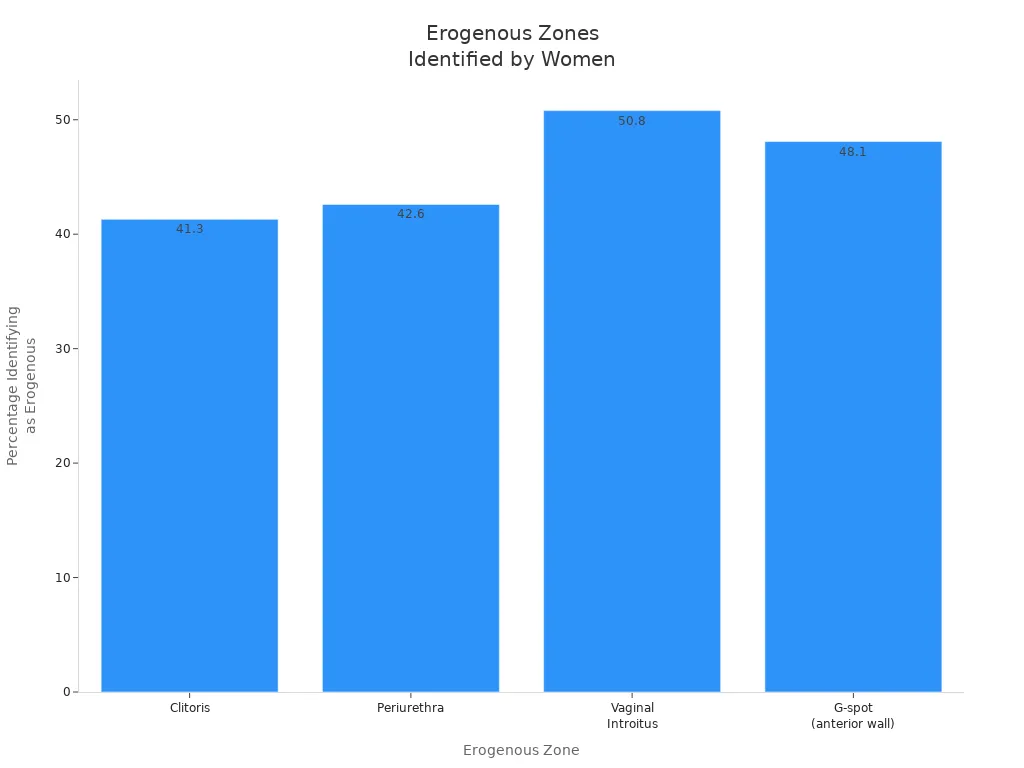
Exploring erogenous zones can enhance pleasure and variety. Many people overlook areas like the buttocks, inner thighs, and lower back, but these zones can be highly sensitive. The table below shows sensitivity levels and the percentage of women who identify certain areas as erogenous:
| Erogenous Zone | Sensitivity Level | Percentage Identifying as Erogenous |
|---|---|---|
| Clitoris | High | 41.3% |
| Labia Minora | Moderate | N/A |
| Periurethra | Moderate | 42.6% |
| Vaginal Introitus | High | 50.8% |
| G-spot (anterior wall) | Variable | 48.1% |
A practical example: One couple added gentle massage to the buttocks and inner thighs during foreplay. The partner with a vulva felt more relaxed and aroused, which led to a more satisfying orgasm.
Tip: Explore different erogenous zones together. Use light touch, massage, or kisses to discover what feels best.
Aftercare and Connection
Aftercare is a crucial step in creating a fulfilling sexual experience for your partner with a vulva. You help your partner feel safe, valued, and respected when you pay attention to their needs after intimacy. Aftercare is not just about physical comfort. It also supports emotional and mental well-being.
You can start by discussing aftercare preferences before intimacy. Ask your partner what helps them feel grounded and cared for after sex. Some people enjoy cuddling, while others prefer quiet time or a gentle conversation. Creating an aftercare plan together ensures that both of you feel comfortable and respected.
Tip: Open communication about aftercare needs builds trust and deepens your connection. You show your partner that their feelings matter.
Aftercare can include many actions:
- Cuddling or holding each other
- Offering verbal reassurance or compliments
- Checking in emotionally by asking, “How are you feeling?”
- Bringing water or a snack for hydration
- Allowing space for quiet reflection if needed
These small gestures help shift from the intensity of intimacy back to everyday life. You create a sense of safety and validation for your partner. Thoughtful aftercare also prevents negative emotions, such as feeling ignored or misunderstood.
A practical example: One couple made it a habit to spend ten minutes cuddling and talking after sex. The partner with a vulva shared that this routine helped her feel more secure and appreciated. She reported higher satisfaction and a stronger emotional bond.
Aftercare also has long-term benefits for your relationship. Research shows that the positive feelings, or “sexual afterglow,” can last up to 48 hours after sex. This afterglow increases relationship satisfaction and reduces the risk of infidelity. Couples who engage in affectionate activities after sex, like hugging or gentle conversation, report deeper emotional connections.
| Benefit | Description |
|---|---|
| Sexual Afterglow | Positive feelings linger after sex, boosting relationship satisfaction. |
| Affectionate Activities | Physical affection post-sex strengthens emotional bonds. |
| Marital Satisfaction | Couples with strong afterglow report higher satisfaction over time. |
You can see that aftercare is more than a nice gesture. It is an essential part of sexual health and relationship happiness. By attending to your partner’s physical, emotional, and mental needs after intimacy, you foster trust, respect, and mutual understanding.
Remember: Every person is different. Ask your partner what aftercare feels best for them, and be open to adjusting your approach. This intentional care helps both of you feel valued and connected.
You create the perfect conditions for your partner’s orgasm by focusing on emotional safety, open communication, gradual arousal, and physical techniques. Every journey to pleasure is unique.
- Key takeaways include:
- Patience and relaxation enhance pleasure.
- Communication and consent build trust and closeness.
- There is no single “right” way to orgasm.
Keep exploring together. Use active listening and empathy to strengthen your bond. Remember, pleasure grows with teamwork and curiosity. Try new things, share openly, and celebrate every step you take together. 🌟
FAQ
What if my partner feels anxious about reaching orgasm?
You can help by focusing on relaxation and removing pressure. Try deep breathing together before intimacy. One couple found that setting aside time for non-sexual touch reduced anxiety and improved comfort. Celebrate small moments of pleasure instead of making orgasm the only goal.
How long should foreplay last for most people with vulvas?
Research suggests that 15–20 minutes of foreplay increases orgasm likelihood. You can use a timer or agree to explore each other’s bodies for at least this amount of time. Many couples report higher satisfaction when they do not rush this stage.
What should I do if my partner does not like direct clitoral stimulation?
Ask your partner about their preferences. Some people prefer indirect touch or stimulation through the clitoral hood. You can use a table to track what feels best:
| Technique | Response |
|---|---|
| Direct touch | Likes/Dislikes |
| Through clothing | Likes/Dislikes |
| Vibrator | Likes/Dislikes |
Can toys and lube really make a difference?
Yes, studies show that using lube increases comfort and orgasm satisfaction. Many couples find that toys add variety and help discover new sensations. You can try different types and ask your partner for feedback after each experience.
How do I talk to my partner about trying new things?
Start with open-ended questions like, “Is there something you’ve always wanted to try?” One couple wrote down fantasies and shared them in a relaxed setting. This approach helped them feel safe and led to new, enjoyable experiences.
What if my partner does not orgasm every time?
Orgasms are not the only measure of a satisfying experience. Focus on connection, pleasure, and communication. Many couples find that removing pressure leads to more frequent and enjoyable orgasms over time. Celebrate intimacy in all its forms.
Are there positions that increase the chance of orgasm?
Positions that allow clitoral stimulation, such as woman-on-top or the Coital Alignment Technique, often help. You can experiment with pillows or different angles. One couple found that adjusting their position increased clitoral contact and led to more reliable orgasms.
How important is aftercare?
Aftercare supports emotional and physical well-being. You can ask your partner what helps them feel cared for after sex. Many couples spend time cuddling or talking, which strengthens trust and deepens connection. Research shows that aftercare increases relationship satisfaction.