How to Get in the Mood Without Pressure: A Practical Desire Reset Guide becomes much easier once the reader stops trying to force a perfect outcome and starts building a routine around workable details. A lot of people do not need more pressure to feel desire. They need fewer interruptions, clearer boundaries, and a setup that helps the body relax before anyone starts chasing a result. That is why a careful reader looking into how to get in the mood often gets more value from setup habits than from bigger promises.
The practical version of this topic is comfort, nervous-system calm, lube within reach, and small invitations that make the body feel safe instead of judged. That sounds almost unromantic, but real pleasure and real comfort usually depend on the boring things being handled well. If a hand can reach the towel, the lubricant, the toy, or the reset plan without panic, the body gets to stay interested instead of switching into problem-solving mode.
That is also why the site context matters. A buyer can compare related options in the KissSelf shop, follow a more specific reader path in the guide archive, and use the site’s category pages to think in terms of fit and routine rather than isolated product claims. Public health guidance from NHS sexual health and other reader-facing resources helps because it keeps the focus on comfort, consent, and realistic expectations instead of hype.

Start with the actual job this routine needs to do
Most people get stuck because they ask the wrong opening question. They ask what sounds strongest, fastest, or most exciting, when the better question is which routine will remain manageable after the first two minutes. The actual job here is comfort, nervous-system calm, lube within reach, and small invitations that make the body feel safe instead of judged. Once that is clear, product choice and technique become easier to judge.
A reader browsing related KissSelf options should pay attention to what the body will need mid-session, not only what the product promises at the start. Where will the bottle sit? What happens if the angle feels wrong? Can the toy be paused, rinsed, or re-gripped without killing the mood? These questions are more predictive than any dramatic headline.
There is also a confidence issue hidden inside every practical setup. If the routine feels easy to explain, easy to stop, and easy to clean, the body usually relaxes sooner. That matters because relaxed bodies make clearer decisions. Clear decisions usually produce better sessions than the kind that rely on pressure, speed, or wishful thinking.
Three variables that change the experience faster than people expect
The first variable is simple: many people respond better to a calmer ramp-up than to a fast start that tries to create desire on command. A lot of discomfort gets blamed on the wrong thing because readers notice the sensation before they notice the setup choice that created it. When the first variable is handled well, the body gets time to respond instead of react.
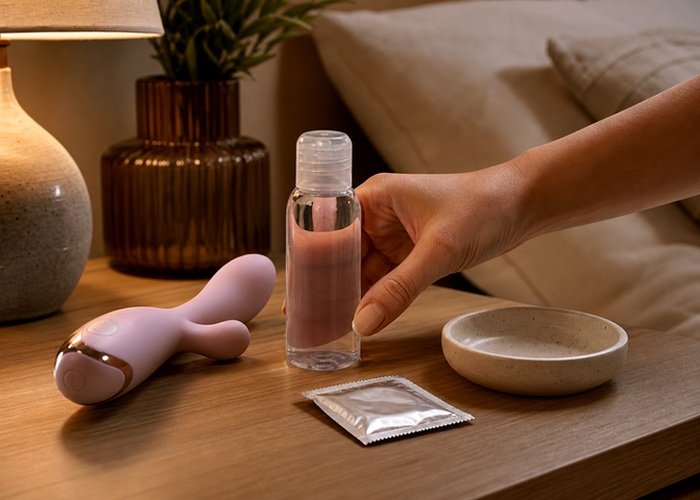
The second variable is simple props like water, pillows, a towel, and a bottle of lubricant reduce friction before the body has to ask for help. Control matters because most people do not need a dramatic correction; they need a small one. A little more lubricant, a different angle, a smaller amount of pressure, or a clearer barrier plan often changes the session more than a bigger device or a higher setting would.
The third variable is when the plan allows stopping, changing direction, or laughing without embarrassment, desire has more room to appear naturally. This is where practical buyers separate themselves from impulsive buyers. They understand that a body likes routines it can trust. Trust comes from repeated clean decisions, not from crossing fingers and hoping the next minute will somehow fix the previous one.
A decision table worth using
| Body signal | What it can mean | A better response |
|---|---|---|
| You feel mentally willing but physically flat | The body may need warmth, touch, or lubricant before intensity | Slow the pace and make the first goal simple comfort |
| You feel distracted or self-conscious | Privacy or setup may be doing more harm than desire itself | Clear the room, silence interruptions, and reduce clutter |
| One partner wants fast escalation | The pace may be mismatched rather than wrong | Agree on a gradual starting point and check in early |
| The mood fades halfway through | Dryness, awkward angle, or fatigue may be stealing attention | Pause, reapply lubricant, and reset the body position |
Build the setup before intensity has a chance to take over
The easiest win is usually the physical layout. Put the bottle where it can be reached without twisting away from the body. Decide where the towel or cloth will go before anything gets slippery. If a related category like the closest support product page may help, open it later for shopping rather than scrambling for answers during the session itself.
Lubricant is especially important because it changes comfort earlier than many people expect. Guidance from Oxford sexual health on lubricants and similar reader resources is useful here because it reminds people that good glide is not an optional luxury. It is one of the simplest ways to keep the body focused on sensation instead of friction, dryness, or cleanup regret.
The cleanup plan belongs in the beginning as well. The reader who knows where the toy will dry, how residue will be rinsed, and where the product will be stored afterwards has already removed several quiet stressors. That calmer setup often improves pleasure indirectly because there is less mental drag around the entire experience.
Common mistakes that make the topic harder than it needs to be
The first mistake is treating desire as a switch that must turn on immediately once time has been carved out. That mistake matters because it turns curiosity into a performance task. Once the body starts trying to prove something, it becomes harder to notice the smaller signals that would have led to a better adjustment.
The second mistake is skipping comfort details because they feel too practical for a supposedly sexy moment. Readers often assume that doubling down will solve a disappointing moment, but doubling down usually removes information. A slower reset teaches more. It shows whether the issue was dryness, placement, pressure, material, patience, or simple fatigue.
The third mistake is using pressure, guilt, or performance language instead of noticing what actually helps both bodies relax. Cleanup, storage, and accessibility do not sit outside the reader experience. They are part of it. A routine that ends in annoyance makes the next session less likely, no matter how promising the product looked earlier.
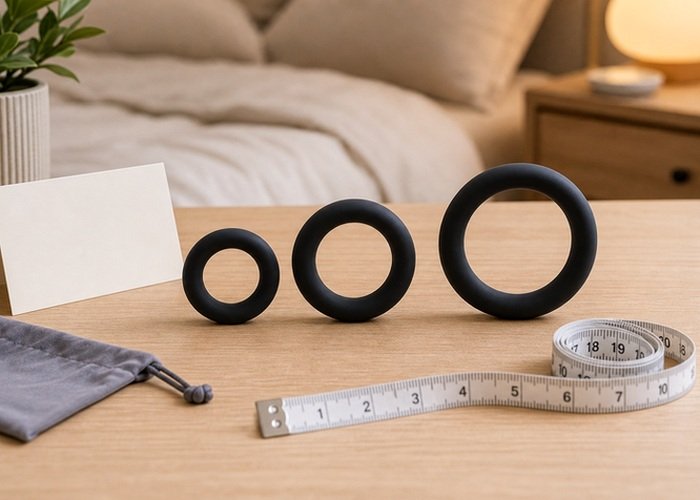
Comfort signals are not obstacles, they are instructions
Many practical guides sound repetitive because the body tends to ask for the same kinds of kindness over and over: enough glide, enough time, enough cleanliness, and enough permission to slow down. When a routine starts to feel wrong, those needs become more obvious. A problem is rarely improved by pretending it is not there.
That is why the safer-sex and body-care pages from CDC condom guidance, MedlinePlus safer-sex advice, and ACOG STI guidance matter even in buyer-focused content. They keep the reader anchored in a mindset where comfort, tissue care, and barrier habits are treated as signs of competence rather than signs of caution gone too far.
If the body feels dry, cold, numb, irritated, unexpectedly tense, or mentally checked out, that information is useful. It says something about pace, product fit, barrier choice, lubricant coverage, or the emotional climate around the moment. Once readers learn to treat those signals as instructions, their routines improve faster and with less frustration.
How to make the next session better than the last one
The best improvement plan is usually small. Change one thing and notice whether it helped. Maybe it is a different amount of lubricant. Maybe it is a shorter timer, a pillow under the hips, a better bowl-and-towel cleanup station, or a simpler product in the same category. Small changes reveal more than dramatic ones.
This approach also makes partner communication easier. Instead of saying a session was just good or bad, people can talk about which detail improved pressure, angle, glide, privacy, or cleanup. That kind of language turns a vague experience into a repeatable routine, and it often points naturally toward a follow-up read such as another practical KissSelf article.
The point is not to chase a perfect script. It is to build a setup the body trusts. When that trust is there, pleasure has a more stable place to grow. That is usually the real upgrade readers were hoping for all along.
A short checklist for better decisions
Before starting, check whether the bottle, towel, and reset plan are visible. During the routine, check whether sensation still feels welcome rather than merely dramatic. Afterwards, check whether cleanup and storage felt manageable enough that the product is likely to be used again. Those three checks sound plain, but they solve an impressive number of real-world problems.
They also protect the reader from solving the wrong issue. A person who really needs more glide should not answer that need with more force. A person who really needs a simpler cleanup should not answer that need with a fussier product. A person who needs a calmer emotional tone should not let the session turn into a performance contest. The right question usually leads to the right purchase and the right routine.
That same checklist is useful for repeat sessions because it keeps improvement specific. Instead of deciding that everything must change, the reader can fix one variable at a time and notice what actually helped. That is how practical routines become reliable: not through one perfect attempt, but through a series of small corrections that the body remembers as kindness rather than chaos.
Use the easiest version first
The easiest version of a routine is often the best teacher. One bottle instead of three. One clear stop rule. One towel. One product that has already been cleaned and charged. One barrier plan that does not need interpretation halfway through the moment. Simpler setups reduce noise, and less noise makes it easier to notice what genuinely improves the experience.
This matters even more when a routine involves a new category or a partner. Simplicity protects confidence, and confidence protects communication. People make better adjustments when they do not feel rushed to prove something. They pause earlier, reapply earlier, and choose a better ending before a minor problem turns into the whole story.
That is what reader-first store content should accomplish. It should not only help someone buy something. It should help someone use that purchase in a way that keeps the body, the cleanup routine, and the next session all in better shape than before.
What experienced buyers notice that newer buyers often miss
Experienced buyers are usually less impressed by novelty on its own. They have learned that the best product or the best routine is not the one with the loudest feature list. It is the one that stays usable after the first five minutes. That means the body is still comfortable, the hand still knows where everything is, and the cleanup task waiting at the end does not already feel like a punishment.
That experience also teaches people to respect small support details. A towel that keeps the surface stable. A pillow that removes one awkward angle. A charging cable that was checked earlier instead of discovered too late. A bottle that stands upright and does not disappear behind a lamp or under a blanket. These details are modest, but they turn many disappointing sessions into ordinary, successful ones.
Another thing experienced buyers notice is that products tend to reveal their true value during the quiet parts of the routine. How easy is the product to rinse? Does the surface stay pleasant when it gets slicker? Can the item be stored in a way that feels discreet and clean? Does it create a problem that has to be solved later, or does it leave the user feeling organized enough to try again another day? Those answers often matter more than the original selling point.
Use the follow-up decision, not just the first decision
The first decision in a session is usually easy. Someone picks the toy, the bottle, or the broad plan. The harder decision is the follow-up decision: what happens when the body wants a pause, when the angle is slightly off, when the surface feels drier than expected, or when the excitement level changes halfway through. Good routines are built by people who know what their second decision will be before they need it.
That is one reason people benefit from laying out supplies before they begin. They are not just preparing objects. They are preparing follow-up decisions. If the bottle is visible, reapplication becomes easy. If a cloth is nearby, cleanup stays calm. If the product category is already understood through pages like the {linked(internal[0], ‘most relevant KissSelf category’)} or the {linked(internal[3], ‘broader guide archive’)}, buyers are less likely to improvise badly in the middle of the moment.
Planning the second decision also reduces emotional friction. People get embarrassed less easily when the pause plan is already normal. They communicate more clearly because slowing down was already part of the routine rather than a sign of failure. That calmer structure can matter as much as any material or motion choice because it gives the body permission to stay honest about what is working.
Why the finish of the session predicts the future of the product
Many store guides focus on choosing and using, but the finish of the session predicts whether a product becomes part of real life. If the ending involves confusion, residue, searching for cleaning supplies, or a sense that the product is suddenly one more household chore, enthusiasm drops fast. A product may still be technically effective, but it will quietly fall out of the routine because the finish feels heavier than the benefit.
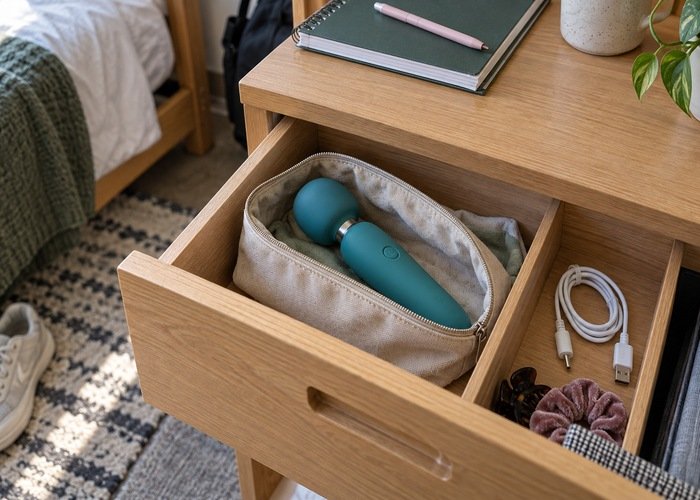
That is why aftercare deserves concrete thought. If the toy needs to dry, decide where. If a pouch helps, keep it open and ready. If a different cloth works better than the nearest bath towel, choose that earlier. If a barrier or a simpler bottle would remove future hassle, that is worth noticing. These are not luxury optimizations. They are the difference between a product that lives in a drawer and a product that lives in a usable habit.
Readers who pay attention to the ending usually make smarter buying decisions later as well. They stop shopping mainly for fantasy and start shopping for repeatability. Repeatability is not boring. It is what turns one positive experience into a pattern the body trusts. That trust is often the real reason a buyer becomes loyal to a product type, a setup style, or a site that gave them practical advice in the first place.
FAQ
What if I want intimacy but do not feel instantly aroused?
That is common. Start with comfort, warmth, and curiosity instead of assuming something is wrong.
Does lubricant matter even before penetration or toy use?
Yes. Easy glide can lower friction and help the body stay focused on sensation rather than dryness.
How do couples avoid making the moment feel like a test?
Agree that slowing down, changing plans, or stopping is acceptable, so nobody feels trapped by the setup.
Can a small bedside routine really help desire?
Often yes. Predictable comfort lowers mental clutter, which gives desire a better chance to build.
How to Get in the Mood Without Pressure: A Practical Desire Reset Guide works best when the reader stays honest about what the body is asking for in the moment. Comfort is not a lesser goal. In most real routines, comfort is what makes intensity worth having.