Choosing intimate products is easier when the decision starts with comfort, hygiene, and realistic expectations. This guide explains curved vs straight dildos in a calm, practical way so readers can make a better plan before they buy, clean, pack, or use a product. The goal is not to chase complicated tricks; it is to create a setup that feels clean, controlled, and easy to repeat.
Good preparation also prevents many common frustrations. A toy that is stored damp may pick up lint or odor. A lubricant that is not compatible with a material can make cleanup harder. A product that feels exciting online may be too loud, too firm, or too complicated in the moment. The simple checks below help readers slow down and make choices that fit their body, partner, space, and routine.
For browsing related products, readers can compare options in the KissSelf shop and keep practical reference articles in the Guide section open while planning. For broader sexual-health basics, resources such as the NHS sexual health guide and the CDC condom-use guidance are useful complements to product-specific advice.
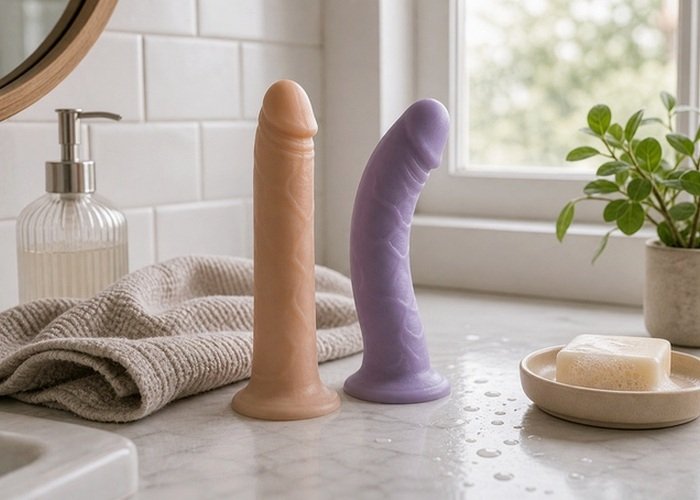
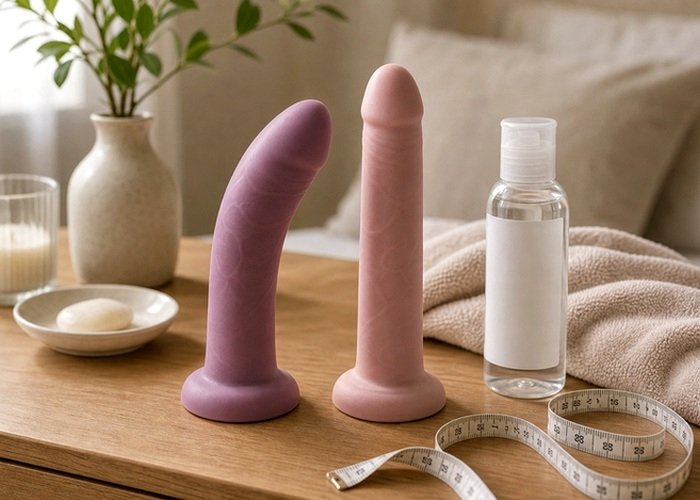
Shape changes pressure more than size
Shape changes pressure more than size is best handled as a small routine rather than a last-minute guess. Start by checking the product surface, the instructions, the lubricant label, and the space where the item will be used or stored. If anything feels uncertain, pause and choose the lower-intensity option. A steady routine gives more control and usually makes the experience feel more relaxed.
For curved vs straight dildos, the details matter: material, fit, drying time, noise, cleaning access, and how easy it is to stop. Keep a towel nearby, use enough compatible lubricant when relevant, and avoid rushing into a larger size, stronger mode, or tighter fit just because it looks more dramatic. Comfort is a better signal than novelty.
A useful habit is to make the decision before the mood is intense. Decide where the item will be placed, which cleaner or cloth is safe, which lubricant is compatible, and what the stopping point will be. This removes awkward guessing later. It also makes the product feel like part of a normal wellness routine rather than something that has to be solved in the moment.
Couples can use the same approach by agreeing on simple language ahead of time. One person can ask for a pause, a lower setting, more lubricant, or a different angle without turning the moment into a negotiation. Solo users can do something similar by keeping expectations modest and treating the first session as a comfort test rather than a performance goal.
Readers comparing products can check related KissSelf options and pair that with neutral health guidance such as MedlinePlus hygiene advice or ACOG STI prevention information when protection or shared use is part of the plan.
Curved toys need slower angle testing
Curved toys need slower angle testing is best handled as a small routine rather than a last-minute guess. Start by checking the product surface, the instructions, the lubricant label, and the space where the item will be used or stored. If anything feels uncertain, pause and choose the lower-intensity option. A steady routine gives more control and usually makes the experience feel more relaxed.
For curved vs straight dildos, the details matter: material, fit, drying time, noise, cleaning access, and how easy it is to stop. Keep a towel nearby, use enough compatible lubricant when relevant, and avoid rushing into a larger size, stronger mode, or tighter fit just because it looks more dramatic. Comfort is a better signal than novelty.
A useful habit is to make the decision before the mood is intense. Decide where the item will be placed, which cleaner or cloth is safe, which lubricant is compatible, and what the stopping point will be. This removes awkward guessing later. It also makes the product feel like part of a normal wellness routine rather than something that has to be solved in the moment.
Couples can use the same approach by agreeing on simple language ahead of time. One person can ask for a pause, a lower setting, more lubricant, or a different angle without turning the moment into a negotiation. Solo users can do something similar by keeping expectations modest and treating the first session as a comfort test rather than a performance goal.
Readers comparing products can check related KissSelf options and pair that with neutral health guidance such as MedlinePlus hygiene advice or ACOG STI prevention information when protection or shared use is part of the plan.
Straight toys can feel easier to control
Straight toys can feel easier to control is best handled as a small routine rather than a last-minute guess. Start by checking the product surface, the instructions, the lubricant label, and the space where the item will be used or stored. If anything feels uncertain, pause and choose the lower-intensity option. A steady routine gives more control and usually makes the experience feel more relaxed.
For curved vs straight dildos, the details matter: material, fit, drying time, noise, cleaning access, and how easy it is to stop. Keep a towel nearby, use enough compatible lubricant when relevant, and avoid rushing into a larger size, stronger mode, or tighter fit just because it looks more dramatic. Comfort is a better signal than novelty.
A useful habit is to make the decision before the mood is intense. Decide where the item will be placed, which cleaner or cloth is safe, which lubricant is compatible, and what the stopping point will be. This removes awkward guessing later. It also makes the product feel like part of a normal wellness routine rather than something that has to be solved in the moment.
Couples can use the same approach by agreeing on simple language ahead of time. One person can ask for a pause, a lower setting, more lubricant, or a different angle without turning the moment into a negotiation. Solo users can do something similar by keeping expectations modest and treating the first session as a comfort test rather than a performance goal.
Readers comparing products can check related KissSelf options and pair that with neutral health guidance such as MedlinePlus hygiene advice or ACOG STI prevention information when protection or shared use is part of the plan.
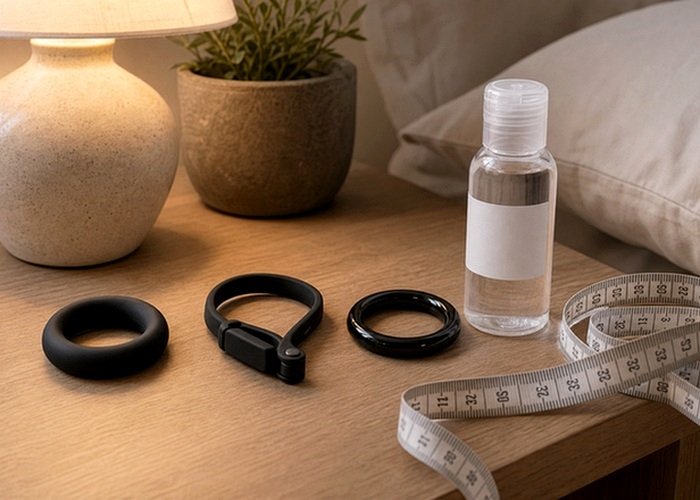
Lube and base grip matter
Lube and base grip matter is best handled as a small routine rather than a last-minute guess. Start by checking the product surface, the instructions, the lubricant label, and the space where the item will be used or stored. If anything feels uncertain, pause and choose the lower-intensity option. A steady routine gives more control and usually makes the experience feel more relaxed.
For curved vs straight dildos, the details matter: material, fit, drying time, noise, cleaning access, and how easy it is to stop. Keep a towel nearby, use enough compatible lubricant when relevant, and avoid rushing into a larger size, stronger mode, or tighter fit just because it looks more dramatic. Comfort is a better signal than novelty.
A useful habit is to make the decision before the mood is intense. Decide where the item will be placed, which cleaner or cloth is safe, which lubricant is compatible, and what the stopping point will be. This removes awkward guessing later. It also makes the product feel like part of a normal wellness routine rather than something that has to be solved in the moment.
Couples can use the same approach by agreeing on simple language ahead of time. One person can ask for a pause, a lower setting, more lubricant, or a different angle without turning the moment into a negotiation. Solo users can do something similar by keeping expectations modest and treating the first session as a comfort test rather than a performance goal.
Readers comparing products can check related KissSelf options and pair that with neutral health guidance such as MedlinePlus hygiene advice or ACOG STI prevention information when protection or shared use is part of the plan.
When to choose another size first
When to choose another size first is best handled as a small routine rather than a last-minute guess. Start by checking the product surface, the instructions, the lubricant label, and the space where the item will be used or stored. If anything feels uncertain, pause and choose the lower-intensity option. A steady routine gives more control and usually makes the experience feel more relaxed.
For curved vs straight dildos, the details matter: material, fit, drying time, noise, cleaning access, and how easy it is to stop. Keep a towel nearby, use enough compatible lubricant when relevant, and avoid rushing into a larger size, stronger mode, or tighter fit just because it looks more dramatic. Comfort is a better signal than novelty.
A useful habit is to make the decision before the mood is intense. Decide where the item will be placed, which cleaner or cloth is safe, which lubricant is compatible, and what the stopping point will be. This removes awkward guessing later. It also makes the product feel like part of a normal wellness routine rather than something that has to be solved in the moment.
Couples can use the same approach by agreeing on simple language ahead of time. One person can ask for a pause, a lower setting, more lubricant, or a different angle without turning the moment into a negotiation. Solo users can do something similar by keeping expectations modest and treating the first session as a comfort test rather than a performance goal.
Readers comparing products can check related KissSelf options and pair that with neutral health guidance such as MedlinePlus hygiene advice or ACOG STI prevention information when protection or shared use is part of the plan.
Quick decision table
| Question | Better choice | Why it helps |
|---|---|---|
| Is the product completely dry? | Wait before storing | Dry surfaces reduce odor, lint, and material stress. |
| Is lubricant needed? | Choose a compatible formula | Compatibility protects condoms, toy material, and cleanup time. |
| Is there discomfort? | Stop and reset | Pain, numbness, pinching, or irritation should not be pushed through. |
| Will the product be shared? | Use protection and clean between uses | Barrier use and washing reduce avoidable hygiene risks. |
Cleaning, lube, and aftercare notes
Cleaning should be simple enough to do every time. Use the product maker’s instructions first, avoid harsh cleaners, and keep charging ports or motors away from unnecessary water exposure. For lubricant decisions, a water-based option is often the easiest first choice for toys and condoms, while the Oxford sexual health lubricant guidance gives a helpful reminder that comfort and compatibility should lead the decision.
Aftercare can be practical: wipe surfaces, wash what needs washing, let items dry fully, and store them away from dust, heat, and sharp objects. If irritation, numbness, unusual bruising, or persistent discomfort appears, stop using the product and seek appropriate care. Safer use is not a mood-killer; it is what makes the next experience easier to trust.
FAQ
How often should intimate products be cleaned?
Clean them before and after use unless the product instructions say something more specific. Drying fully before storage is just as important as washing.
Can one lubricant work for every product?
Not always. Check the toy material, condom type, and lubricant label. Water-based lubricant is often the simplest starting point, but labels still matter.
What is the safest way to try something new?
Start smaller, slower, and with more control than you think you need. Stop if there is pain, numbness, pinching, or discomfort that does not settle quickly.
Should products be stored together?
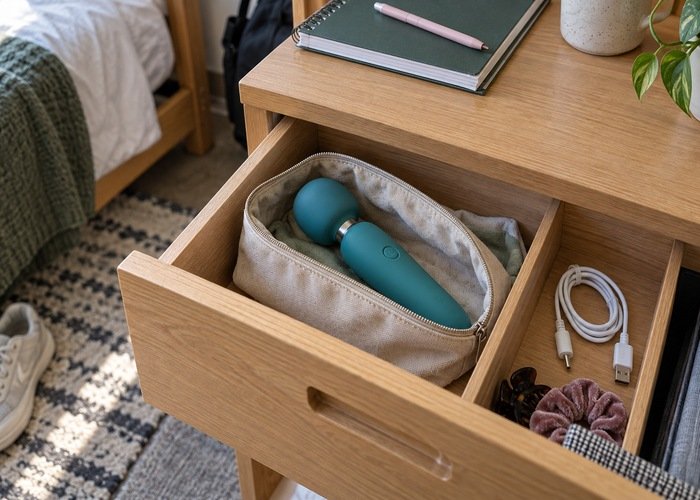
Use separate pouches or clean compartments when possible. Separation prevents lint transfer, surface friction, and accidental contact between different materials.
In the end, curved vs straight dildos is less about a perfect product and more about a repeatable routine: choose carefully, use compatible supplies, clean thoroughly, dry fully, and stop when the body gives a clear signal. That is the kind of preparation that makes intimate products feel easier, safer, and more enjoyable over time.
Final practical check
Before buying, packing, cleaning, or using the product, take a final minute to check the body signal, the material, the lubricant plan, and the cleanup path. A comfortable routine is usually built from small decisions: enough lube, a clean towel, a charged device, realistic timing, and a clear reason to stop if something feels off. That last check is simple, but it prevents many avoidable problems.