Oral intimacy can help you feel closer to your partner. It can also bring new levels of happiness and fun. It’s not only about physical feelings—it’s about trust and sharing. Did you know 78% of women in an Instagram survey said oral sex matters in their marriage? Research also shows women are more likely to have orgasms when oral sex is included. These facts show how important this act can be in relationships.
Start cunnilingus with an open mind and curiosity. Think of it as a fun journey to find what feels good. Respect your partner’s limits, and enjoy the experience. It’s about bonding as much as it is about pleasure.
Key Takeaways
- Talking openly is important. Share likes and dislikes to build trust.
- Always get consent. Make sure your partner feels safe and respected.
- Go slow and take your time. This can make it more fun for both.
- Watch body language. It shows how your partner feels and enjoys.
- Try new ways and positions. It keeps things fun and helps you learn together.
Communication, Consent, and Comfort
Talking Openly About Oral Intimacy
Talking is key to any close relationship. It helps you and your partner feel connected. When it comes to oral intimacy, sharing thoughts about likes and limits is important. Ask questions like, “What do you enjoy?” or “Is there something new to try?” These questions help you both share openly and learn more about each other.
Listening carefully is just as important as talking. Pay attention to what your partner says and show you care. For example, if they mention something they like, let them know you’re happy to try it. Use phrases like, “I want you to feel good,” to make them feel safe and understood.

Take time to talk outside the bedroom too. Discussing what you like, dislike, or dream about can bring you closer. These talks build trust and make your bond stronger, which helps with physical closeness too.
Getting Consent and Respecting Limits
Consent is a must in any close moment. It means making sure both of you feel safe and respected. Before starting oral intimacy, talk about what feels okay for each of you. Say things like, “Does this feel good?” or “Tell me if you’re uncomfortable,” to show you care about their feelings.
Sometimes, texting or online chats can cause confusion. Studies show men often think these messages mean consent, but that’s not always true. Always talk directly to your partner to avoid misunderstandings.
People’s limits can change, so keep talking about them. Ask, “How do you feel about this now?” to make sure you both agree and feel good.
Making the Space Comfortable and Relaxing
A calm space can make oral intimacy better for both of you. Pick a spot where you both feel relaxed. Use dim lights, soft music, or candles to create a nice mood. These little things help you focus on each other.
Being physically comfy is important too. Make sure the bed or surface feels good. Use pillows to support your body and avoid awkward positions. If anyone feels nervous, take deep breaths together to relax and feel closer.
Comfort isn’t just about the body—it’s about feelings too. Let your partner know you enjoy being with them. Saying, “I love doing this for you,” can make them feel special and loved.
Oral Techniques for Beginners
Starting Slow and Building Anticipation
Take your time with oral intimacy. Rushing can ruin the moment. Begin with soft touches and kisses on the thighs or stomach. This helps your partner feel calm and excited. Think of it as preparing for something special. You’re creating a memory, not just starting quickly.
Watch how your partner reacts. Do they seem relaxed or lean closer? These signs show when to move forward. If unsure, ask simple questions like, “Do you like this?” or “Should I keep going?” Talking helps both of you enjoy the moment.
Exploring Tongue Movements and Patterns
Your tongue can do many things, so try different moves. Use slow circles or quick flicks to see what feels best. Changing patterns keeps it fun and avoids boredom.
Studies show tongue movements are important for connection and communication. Here’s a simple table:
| Study Focus | What It Explains |
|---|---|
| Movement Styles | How tongue and lips affect closeness and talking. |
| Daily Uses | How these movements help with eating and breathing. |
| Outside Factors | Things that make oral techniques easier or harder. |
| Improvement Goals | Ways to get better and make the experience nicer. |
Use this to improve your skills. Trying new things keeps it exciting. Don’t be afraid to mix it up and find what works for both of you.
Combining Lips, Tongue, and Hands
Using lips, tongue, and hands together makes it more special. Lips can gently suck, while the tongue focuses on certain spots. Hands can softly touch or press other areas. This mix creates a deeper connection.
Research shows combining these actions improves skills and closeness. For example:
- Touch exercises can help with control and movement.
- Resting lips properly helps with breathing and comfort.
- Hands can guide or support, adding more care to the moment.
Notice your partner’s reactions. If they like something, stick with it before trying new moves. The goal is to find a rhythm that feels good for both of you.
Finding the Right Rhythm and Pressure
Finding the right rhythm and pressure is like discovering the perfect melody—it takes a bit of trial and error, but the results are worth it. Start by paying attention to your partner’s reactions. Their body language, breathing, or subtle sounds can guide you toward what feels good. If they seem to lean in or relax more, you’re likely on the right track.
Go slow at first. A gentle, steady rhythm helps your partner relax and enjoy the moment. Once you notice what they like, stick with it. Consistency is key. Changing the rhythm too often can disrupt the flow and reduce the pleasure. Think of it as dancing—you want to move in sync with your partner.
Pressure matters just as much as rhythm. Too light might feel ticklish, while too firm could be uncomfortable. Start with a soft touch and gradually increase the pressure until it feels just right. Don’t hesitate to ask, “Does this feel good?” or “Do you want more or less pressure?” Open communication makes the experience better for both of you.
Adding your hands can enhance the experience. While your tongue focuses on one area, your hands can gently explore other sensitive spots. This combination creates a fuller, more connected experience. Remember, this isn’t just a physical act—it’s a loving gesture. Approach it with care and affection, and your partner will feel that.
Here’s a quick checklist to help you master rhythm and pressure:
- Start slow to build relaxation and anticipation.
- Maintain a consistent rhythm once you find what works.
- Adjust pressure based on your partner’s cues.
- Use your hands to add variety and connection.
By focusing on these elements, you’ll create an experience that’s both intimate and deeply satisfying.
Understanding and Responding to Your Partner
Recognizing Body Language and Nonverbal Cues
Your partner’s body language can tell you a lot during intimate moments. Pay attention to how they move or react. Do they arch their back, press closer, or let out soft sounds? These are often signs they’re enjoying what you’re doing. On the other hand, if they pull away, tense up, or seem distracted, it might mean they’re uncomfortable or not fully engaged.
Take note of their breathing too. Faster or deeper breaths can signal excitement, while shallow or uneven breathing might mean they’re feeling unsure. If you notice any hesitation, pause and check in with them. A simple “Is this okay?” can make all the difference.
Here’s a quick guide to common nonverbal cues:
| Cue | What It Might Mean |
|---|---|
| Leaning in or pressing closer | They’re enjoying the sensation. |
| Tensing up or pulling away | They might feel uncomfortable. |
| Soft moans or sighs | They’re relaxed and feeling pleasure. |
| Lack of movement or response | They could be unsure or distracted. |
By staying tuned into these signals, you’ll create a more connected and enjoyable experience for both of you.
Asking for Feedback During Oral Intimacy
Feedback is your best friend when it comes to improving your skills. Don’t be afraid to ask your partner what they like. Questions like “Do you want me to keep doing this?” or “How does this feel?” show that you care about their pleasure. It also helps you learn what works and what doesn’t.
If your partner seems shy about giving feedback, try offering options. For example, ask, “Do you prefer this or that?” This makes it easier for them to share their preferences without feeling pressured. Remember, feedback isn’t criticism—it’s a way to grow together and make the experience better.
You can also encourage nonverbal feedback. Say something like, “Let me know if you want me to change anything,” and watch for their reactions. Over time, you’ll get better at reading their cues without needing to ask as much.
Adapting Techniques Based on Partner Responses
Every person is different, so what works for one might not work for another. That’s why it’s important to adapt your techniques based on your partner’s responses. If they seem to enjoy a particular movement or rhythm, stick with it for a while. Consistency can amplify their pleasure.
If you notice they’re not responding as much, don’t be afraid to switch things up. Try a new pattern, adjust the pressure, or use your hands in a different way. For example, if slow circles with your tongue aren’t getting much reaction, try quicker flicks or a combination of movements.
Communication plays a big role here too. If you’re unsure, ask something like, “Do you want me to try something different?” This keeps the experience collaborative and ensures you’re both on the same page. Remember, the goal is to create a moment that feels good for both of you.
By staying flexible and attentive, you’ll build trust and deepen your connection. It’s not just about the act itself—it’s about showing your partner that their pleasure matters to you.
Dispelling Myths About Cunnilingus
Debunking Common Misconceptions
Cunnilingus has many myths that can cause confusion. Let’s clear up some of the biggest ones so you feel more confident.
- “It’s only about the orgasm.”
This idea is wrong. Pleasure is important, but it’s also about closeness. It shows your partner you care about their comfort and joy. Think of it as sharing a moment, not chasing a goal. - “Everyone likes the same techniques.”
People are different. What one person enjoys might not work for another. That’s why talking and noticing your partner’s reactions matter. There’s no single way that works for everyone. - “It’s unhygienic or unsafe.”
Many worry about this, but it’s mostly false. Good hygiene and health make it safe. A quick shower or cleaning up can help you feel more comfortable. - “It’s only for certain types of relationships.”
Cunnilingus isn’t limited to specific relationships. It’s about mutual agreement and desire, no matter who you love.
Letting go of these myths helps you feel relaxed and ready to explore.
Building Confidence and Authenticity
Confidence in cunnilingus starts with being yourself. You don’t need to be perfect or know everything. What matters is trying and connecting with your partner.
Focus on your thoughts first. Remind yourself your partner values your effort. If you feel nervous, breathe deeply and take your time. Confidence grows with practice and honest communication.
Here’s a tip: Don’t think of it as performing. Pay attention to your partner’s reactions and enjoy the moment. This makes it feel real and less stressful.
Learn about your partner’s likes to feel more sure. Ask them what they enjoy or if they want to try something new. Being curious and excited makes the experience better.
Celebrate small successes too. If your partner smiles or gives good feedback, it means you’re doing well. Confidence isn’t about being perfect—it’s about showing care and being genuine.
Tip: Confidence comes from connection, not perfection. Focus on your partner’s happiness and the bond you’re building together.
Enhancing the Oral Experience
Trying Creative Positions for Variety
Switching up positions can make oral intimacy more exciting and comfortable for both of you. If you’ve been sticking to the same setup, why not try something new? For example, you could have your partner lie on their back while you kneel between their legs. This classic position gives you easy access and allows you to focus on their reactions.
Want to spice things up? Try the “edge of the bed” position. Have your partner sit or lie at the edge of the bed while you kneel or sit on the floor. This angle can make things more comfortable for you and give your partner a new sensation. Another option is the “face-to-face” position, where your partner sits on a chair, and you kneel in front of them. It’s intimate and allows for great eye contact.
Experimenting with positions isn’t just about variety—it’s also about finding what works best for both of you. Pay attention to comfort and adjust as needed. A little creativity can go a long way in keeping things fresh and fun.
Incorporating Oral Sex Toys
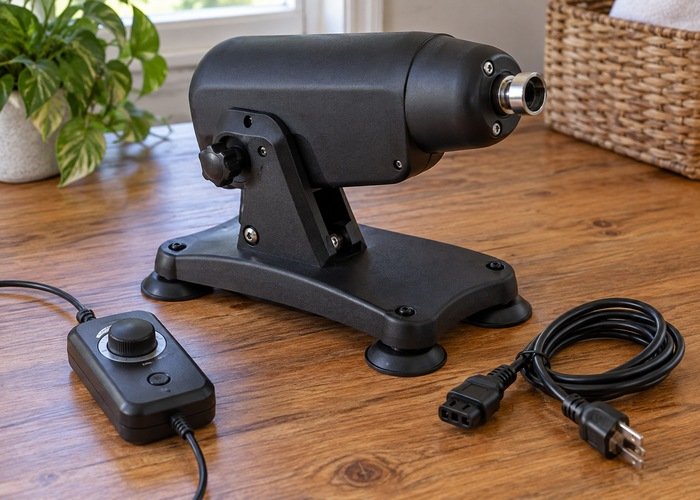
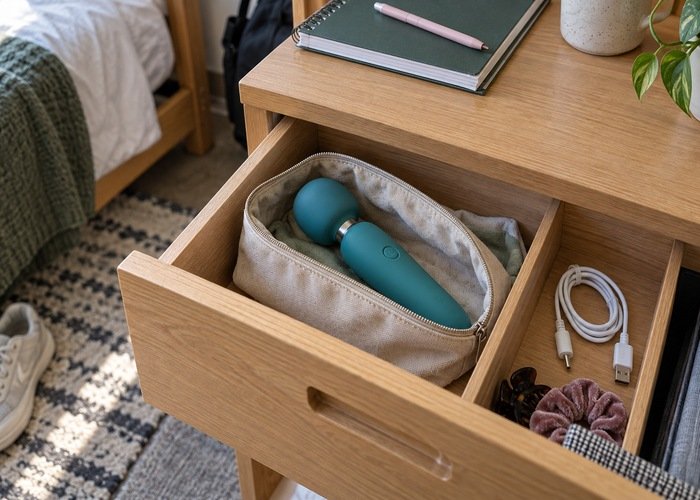
Adding toys to your oral routine can elevate the experience. Vibrating toys, for instance, can provide extra stimulation while you focus on other areas. You could use a small vibrator on your partner’s inner thighs or around sensitive spots to enhance their pleasure.
If you’re new to toys, start simple. A small bullet vibrator or a soft silicone toy can be a great introduction. Use it alongside your tongue or hands to create a multi-sensory experience. Always communicate with your partner before introducing toys. Ask questions like, “Would you like to try this?” or “How does this feel?”
Toys aren’t just for advanced users—they’re tools to explore together. They can help you discover new sensations and deepen your connection. Just remember to clean them thoroughly before and after use to maintain hygiene.

Hygiene Tips for a Better Experience
Good hygiene is essential for a comfortable and enjoyable experience. Start by washing your hands and face. If you or your partner feel self-conscious, a quick shower beforehand can help both of you feel fresh and relaxed.
Trim your nails to avoid accidental scratches, and consider brushing your teeth or using mouthwash to ensure fresh breath. These small steps show your partner that you care about their comfort.
For added comfort, keep a clean towel or wet wipes nearby. They can come in handy for quick cleanups afterward. Staying clean isn’t just about physical hygiene—it also helps create a more relaxed and confident atmosphere.
Tip: A little preparation goes a long way. When you feel clean and fresh, you can focus entirely on the moment and your partner.
Cunnilingus is more than just a physical act. It’s about talking, connecting, and sharing joy. By speaking honestly, trying new moves, and being creative, you can make it special for both of you. It’s not about doing everything perfectly—it’s about paying attention and being in the moment.
Tip: Be curious and kind. Learning and adjusting shows you care about your partner’s happiness.
Enjoying each other’s pleasure makes your bond stronger. When you focus on making each other happy, intimacy becomes a fun and meaningful journey. Take it slow, enjoy every step, and grow closer together. 😊
FAQ
What if I feel nervous about trying cunnilingus for the first time?
It’s normal to feel nervous! Start by talking openly with your partner about your feelings. Take things slow and focus on building trust. Remember, it’s about connection, not perfection. Deep breaths and a relaxed mindset can help ease your nerves.
How do I know if my partner is enjoying it?
Pay attention to their body language and sounds. Soft moans, relaxed movements, or leaning closer are good signs. If you’re unsure, ask simple questions like, “Does this feel good?” Open communication helps you understand their preferences better.
Are there any hygiene tips I should follow?
Yes! Wash your hands and face before starting. A quick shower can help both of you feel fresh. Trim your nails and brush your teeth for added comfort. Keeping a clean towel nearby is also a good idea for quick cleanups.
Can I use oral sex toys even if I’m a beginner?
Absolutely! Start with simple toys like a small vibrator. Use it alongside your tongue or hands for added stimulation. Always talk to your partner first and introduce toys gradually. Clean them thoroughly before and after use to maintain hygiene.
What if my partner has different preferences than I expected?
Everyone is unique, so preferences can vary. Stay flexible and adapt based on their feedback. If something isn’t working, try a new technique or ask them directly what they’d like. Communication and willingness to learn make the experience better for both of you.