Awkward angles can disrupt rhythm, reduce pleasure, and even cause discomfort. The fix is often simpler than people expect: small, intentional changes in pelvic tilt and support. While there aren’t randomized trials proving a “magic pillow,” biomechanics research shows that different sexual positions change spinal and hip demands, and clinician guidance frequently recommends strategic pillow support. That means a thoughtfully placed cushion can help you find the best angles during sex—often with less strain and more control.
Key takeaways
- Pillows and wedges can subtly change pelvic tilt and penetration angle; start small (about 2–3 in / 5–8 cm of lift) and adjust based on comfort.
- Positions for deeper penetration often benefit from a modest pelvic lift or better trunk/knee support to maintain alignment and reduce strain.
- Evidence note: A 2022 systematic review synthesizes spine and hip movement patterns across positions; clinical guidance supports using pillows for comfort and alignment, not guaranteed performance.
- If you have back, hip, or knee issues, choose supports that keep your spine near neutral and your joints within comfortable ranges; stop if you feel sharp pain or numbness.
- Side‑lying and supported-from-behind variations can lower joint load; small tweaks in pillow height can meaningfully change the angle.
- Communication is key: try a red/yellow/green check‑in (“green = good; yellow = adjust; red = stop”) to fine‑tune comfort and depth together.
Why angles matter for positions for deeper penetration
When people talk about “hitting the right spot,” they’re talking about geometry—how the pelvis tilts, how hips are flexed or rotated, and how the receiving partner’s canal is oriented relative to the penetrating partner. Subtle changes in tilt can feel dramatically different.
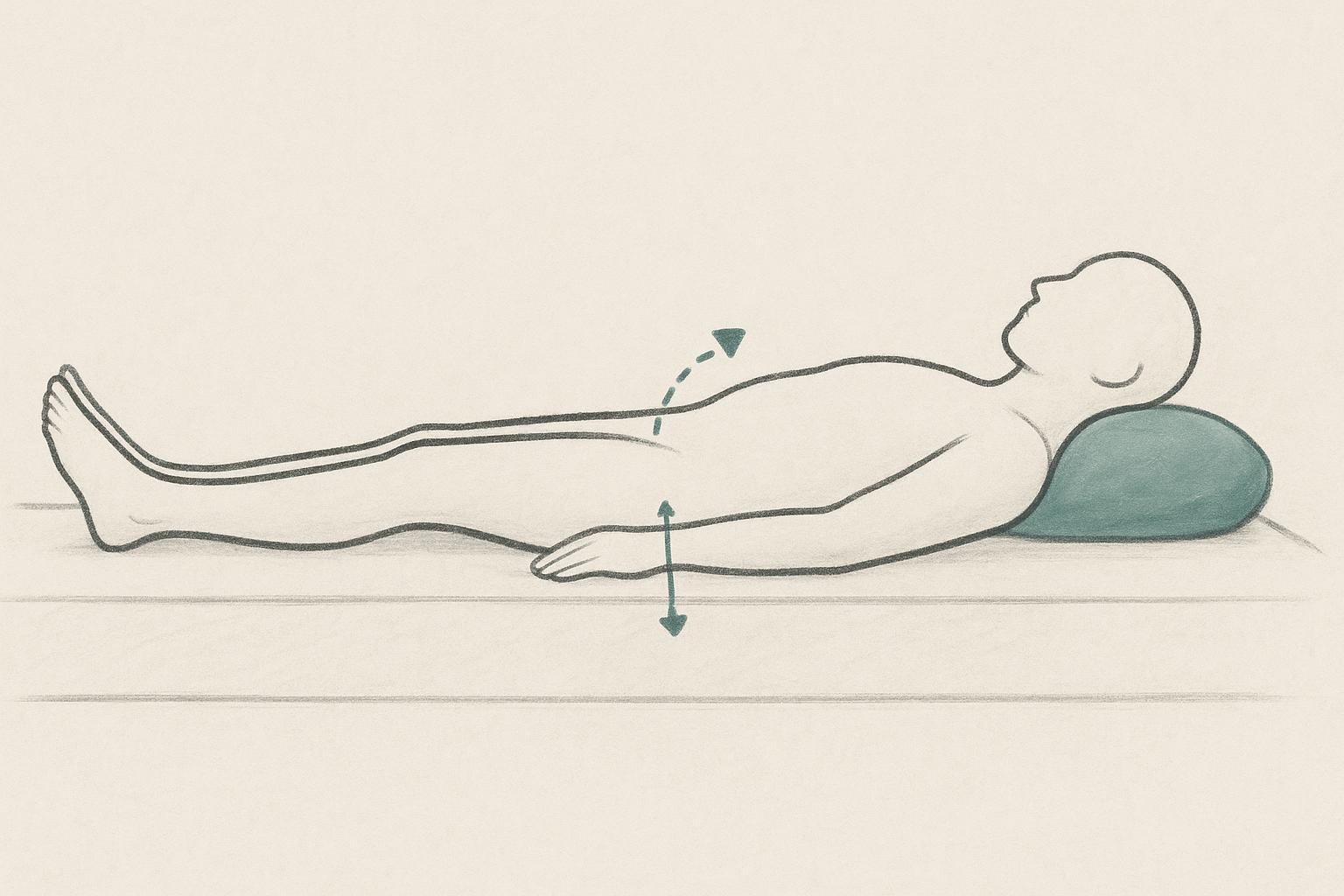
- Pelvic tilt basics: Tilting the pelvis slightly forward (anterior tilt) in supine positions can shift the canal’s orientation and may enhance contact on the anterior wall for some. A small, firm support under the sacrum can create this tilt without over-arching the low back.
- Lumbar comfort: Research finds that spine motion during intercourse is cyclic and position‑dependent. Some positions demand more lumbar flexion or extension; if your back is sensitive to one pattern, choose setups that reduce that motion or add support.
According to the peer‑reviewed synthesis in the Physical Demands of Sexual Intercourse review, missionary variants tend to increase lumbar flexion demands in women, while missionary and side‑lying can increase flexion demands in men; these patterns help explain why certain supports feel better than others for specific bodies. See the open‑access summary in the Physical Demands of Sexual Intercourse systematic review (2022) for details: peer‑reviewed overview of spine and hip motion across positions. Complementary kinematics from a McGill/Waterloo team also quantified male spinal motion during common positions, underscoring how posture changes can reduce aggravating movements for some backs: male spine motion during coitus study (2014).
What this means in bed
- For depth goals, a slight pelvic lift in supine positions can alter the entry angle and, for some, feel like positions for deeper penetration without extra force.
- For comfort goals, supports under the knees or torso can keep the spine closer to neutral, reducing strain while you explore the best angles during sex.
- Bodies vary. Let sensation, breath, and communication guide the exact height and placement.
Choosing the right support: your pillow for sex and simple substitutes
You don’t need specialized gear to experiment. Start with what you have, then scale thoughtfully if you want more stability.
- Start minimal: a small, firm cushion or folded towel (2–3 in / 5–8 cm) under the pelvis changes a lot.
- Stability matters: firmer wedges resist compression and keep the angle consistent.
- Safety first: avoid anything that slips, collapses, or blocks breathing.
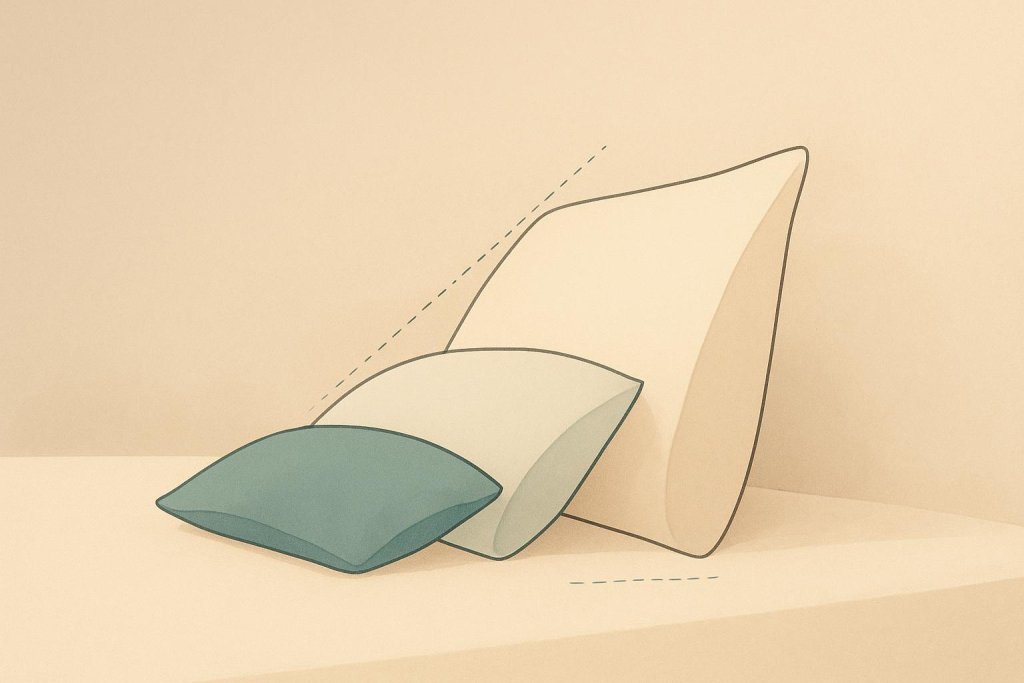
Below is a neutral, buyer‑agnostic matrix to help you choose. Heights/angles reflect common sleep ergonomics and are offered as starting points—not performance guarantees. For a general overview of wedge sizes and uses in sleep/posture (useful as neutral specs), see the Sleep Foundation’s editorial overview of wedge pillow heights and angles.
| Support type | Typical lift/angle | Feel | Good for | Notes |
|---|---|---|---|---|
| Small firm cushion or folded towel | ~2–3 in (5–8 cm) lift | Firm to medium‑firm | Gentle pelvic tilt in supine; under knees in side‑lying | Great first step; quick to adjust; check breathability. |
| Low wedge pillow | ~6–7 in height; ~30° | Medium‑firm | Under torso or knees; subtle pelvic elevation stacks | Stable base; avoid excessive low‑back arch if placed under lumbar area. |
| Mid wedge pillow | ~8–10 in; ~35–40° | Medium‑firm to firm | More pronounced pelvic/torso elevation; leg elevation in side‑lying | May feel steep for smaller bodies; use gradually. |
| High wedge/stacked cushions | ~12 in; ~45° | Firm | Seated/lounging support; not usually needed for pelvic tilt alone | Can overextend lumbar spine; limit duration and monitor comfort. |
Cleaning and care
- Use removable, washable covers; body‑safe detergents; allow foam to dry fully before storage.
- Replace supports that sag, slip, or lose shape.
Top sex pillow positions for deeper penetration (step‑by‑step)
Everyone’s body is different. Use these as templates you can tweak. Start with the smallest lift that feels helpful and build slowly.
1) Modified missionary with pelvic lift
Goal: Angle change for depth and focused anterior wall contact while keeping the low back comfortable.
Setup
- Receiving partner lies on their back. Place a small, firm pillow (about 2–3 in / 5–8 cm) beneath the sacrum to create a slight anterior pelvic tilt.
- Optionally place a second small cushion under the knees to ease lumbar tension.
- Penetrating partner kneels or stands at bedside; slow, exploratory thrusting finds the angle that feels best.
Why it can help
- A small pelvic lift alters the canal’s orientation; some find this makes penetration feel deeper or more targeted. Clinician advice for pelvic support in supine positions echoes this approach; for example, guidance for pelvic conditions describes a modified missionary using a pillow under the pelvis to improve comfort and pressure distribution: NAFC guidance on modified missionary and support.
Safety checks
- Keep breathing easy; no compression against the diaphragm.
- If low‑back pain increases, reduce height or shift to side‑lying.
Variations
- Elevate the receiving partner’s feet on the penetrating partner’s shoulders for a steeper angle—go slowly and respect hip range of motion.
2) Legs‑on‑shoulders with moderated tilt
Goal: Positions for deeper penetration with controlled hip angles.
Setup
- Receiving partner supine; legs supported on the penetrating partner’s shoulders or on stacked pillows.
- Use a modest pelvic support (1–2 in / 2–5 cm) if needed to fine‑tune the angle without forcing extreme hip flexion.
Why it can help
- Elevating the legs can align the canal for a deeper-feeling path. But extreme hip flexion isn’t right for everyone—especially after hip surgery or with certain hip morphologies. Clinical literature notes that sexual activity often involves substantial hip flexion/abduction/external rotation; people with hip precautions should stay within comfortable ranges and follow their clinician’s advice. See background on hip mechanics in sexual activity: open‑access review on sexual function around hip replacement.
Safety checks
- Support the thighs; avoid end‑range flexion that causes pinching at the front of the hip.
Variations
- A strap or hand support behind the thighs can distribute load if hamstring tension limits comfort.
3) Flatiron (prone) with hip cushion
Goal: Focused contact with a stable base.
Setup
- Receiving partner lies prone (on the stomach) with a small, firm cushion under the hips to create space and avoid pressure on the pubic bone.
- Penetrating partner enters from behind; adjust pillow thickness so breathing is easy and the low back isn’t over‑extended.
Why it can help
- Prone positioning with a modest lift can change the contact pattern and feel more stable. If pelvic floor or prolapse symptoms are present, consider guidance that warns against gravity‑dependent or high‑pressure positions; tailor accordingly. For comfort‑first variations and cautionary notes tied to pelvic symptoms, see clinician‑oriented advice summarized by continence specialists: NAFC positioning considerations for pelvic symptoms.
Safety checks
- Ensure airway freedom; avoid chest compression.
- If the low back feels jammed, change to forearms‑supported or side‑lying.
Variations
- Place a small pillow under the chest as well to reduce lumbar extension.
4) Modified quadruped with trunk support
Goal: Range of motion and angle control with less lumbar extension.
Setup
- Receiving partner on hands and knees or with forearms resting on stacked pillows; knees cushioned.
- Penetrating partner kneels behind; both partners experiment with shallow to moderate thrust angles.
Why it can help
- From-behind positions allow a broad range of hip angles; supporting the trunk can reduce extension stress if the back dislikes arching. A recent framework for low‑back pain and sexuality encourages matching position choice to the spine’s tolerance (flexion vs extension) and using supports to stay closer to neutral: low‑back pain and sexual activity framework (2023).
Safety checks
- If wrists or shoulders fatigue, add more support under the torso or switch to side‑lying.
Variations
- Try one knee up, one knee down, or widen/narrow knees to fine‑tune the feel.
5) Side‑lying spoon with lift
Goal: Low‑load, discreet angle play and joint friendliness.
Setup
- Both partners lie on their sides, receiving partner in front; place a pillow between knees and a small cushion under the waist or low back for alignment.
- Penetration from behind; slow thrusts let you find the path that feels deepest and most comfortable.
Why it can help
- Side‑lying reduces overall joint loading and keeps movement smaller—useful when comfort is the priority. Health‑system guidance for people with knee or hip limitations often recommends side‑lying with pillows for support and alignment, which conveniently translates to intimate settings as well: provincial health guidance on knee‑friendly positions with pillows.
Safety checks
- If the penetrating partner’s low back prefers less flexion, keep hips stacked and movements small.
Variations
- Place a small pillow behind the receiving partner’s low back to maintain gentle lordosis if that feels better.
Goal‑based adjustments and accessibility
- For deeper penetration without strain: Favor supine with a small pelvic lift (modified missionary) or supported‑from‑behind variations. Increase lift in small steps; the difference between 2 and 3 inches can be huge.
- For more clitoral contact while keeping depth: In modified missionary, slide a flat cushion under the pelvis and add a hand or toy for external stimulation; angle and tempo do the rest.
- For low‑back‑friendly play: Choose positions that match your tolerance. If flexion worsens symptoms, avoid deep curl‑ups; use trunk support in from‑behind or side‑lying. Research‑informed guidance suggests tailoring positions to your spine’s preference; if pain persists, consult a pelvic health PT or clinician: framework synthesizing sexual activity advice in LBP (2023).
- For knee/hip limitations or early post‑op periods: Keep joints supported and within allowed ranges. Side‑lying with pillows between knees is often recommended in clinical settings; always follow your provider’s timeline and precautions for returning to sex.
- For chronic pain or pelvic floor overactivity: Prioritize relaxation—use pillows under the knees/thighs and adopt slow, breath‑paced exploration. Pain services often suggest cushioning and body support during intimacy attempts; for a concise overview, see a hospital leaflet on chronic pain and intimacy strategies: hospital guidance emphasizing cushions and pacing during intimacy.
Troubleshooting your setup
- Slippage: Use a grippy pillowcase or place a towel between layers. Firmer foam compresses less and keeps angles consistent.
- Too much pressure on low back: Lower the lift, place a second cushion under the knees, or add torso support.
- Numbness or tingling: Stop and reposition immediately; adjust height and distribute load with wider surface area.
- “It doesn’t feel deeper, just different”: That’s valid. Try micro‑adjustments—move the pillow 1–2 inches toward/away from the sacrum, change tempo, or switch to side‑lying with a knee pillow.
- Communication script: Green = keep going; Yellow = change angle/height/tempo; Red = stop. Check every few minutes, especially when changing positions.
Evidence and further reading (trusted sources)
- A systematic review compiling spine/hip motion patterns across positions offers the best big‑picture view currently available.
- Kinematics work from spine biomechanics labs provides position‑by‑position motion insights for healthy participants.
- Clinical resources from continence and joint‑care programs translate positioning and pillow support into practical tips for specific conditions.
- Ergonomics references for wedge specs help you choose stable, comfortable supports without chasing brand claims.
Note: Large national surveys (e.g., Natsal) describe sexual behavior trends but do not provide reliable, position‑specific orgasm or satisfaction rates. Be skeptical of such claims unless they cite original, peer‑reviewed data with clear methods.
FAQs
Can pillows really create positions for deeper penetration?
They can change the angle, which for some feels deeper or more targeted. But results vary. Current evidence supports pillows as comfort/alignment aids; there aren’t controlled trials proving specific depth gains.
How high should I elevate the hips?
Start small—about 2–3 inches (5–8 cm) under the sacrum—and adjust slowly. Many couples find tiny changes make the biggest difference.
What’s the safest “pillow for sex” setup if I have back pain?
Choose supports that keep your spine near neutral and avoid your aggravating pattern (flexion vs extension). Supported side‑lying or trunk‑supported from‑behind often feels easier. For a research‑informed overview of matching positions to back tolerance, see the low‑back pain and sexuality framework (2023) cited above.
Are “sex wedge positions” better than regular pillows?
Wedges are firmer and more stable, so the angle stays consistent. Regular pillows can work well when folded or paired with a towel for firmness. The best choice is the one that’s stable, breathable, and comfortable for your body.
Is it safe to try legs‑on‑shoulders after hip surgery?
Follow your provider’s timeline and precautions. Avoid end‑range hip flexion, adduction, or internal rotation until cleared. Side‑lying with pillows is often recommended early on; always confirm specifics with your clinician.
Do I need a special brand or product?
No. Many people start with household cushions or folded towels. If you like the result but want more stability, a medium‑firm wedge can help maintain a consistent angle.
What if sex hurts even with pillows?
Stop and consult a qualified clinician, such as a pelvic health physical therapist or your primary care provider/OB‑GYN. Pain isn’t a price of admission; persistent pain deserves expert attention.
References (selected inline above):
- Physical Demands of Sexual Intercourse — systematic review (open access).
- Male spine motion during common positions — peer‑reviewed kinematics study.
- NAFC clinician guidance on pelvic support in modified missionary and symptom‑aware positioning.
- Provincial health resources on joint‑friendly positions using pillows.
- LBP‑specific framework translating spine tolerance into sexual position choices.
- Hospital leaflet on intimacy strategies with chronic pain.
- Sleep ergonomics overview for wedge specs (non‑sexual, used as neutral reference).