Body positive lingerie has moved from a niche corner of the market to one of the fastest-growing forces in fashion — and the numbers make it impossible to ignore. According to Future Market Insights, the global plus-size clothing market is projected to reach $288 billion by 2033, growing at a CAGR of 5.8%. This isn’t a trend. It’s a structural shift in who the industry serves — and who it has long failed.
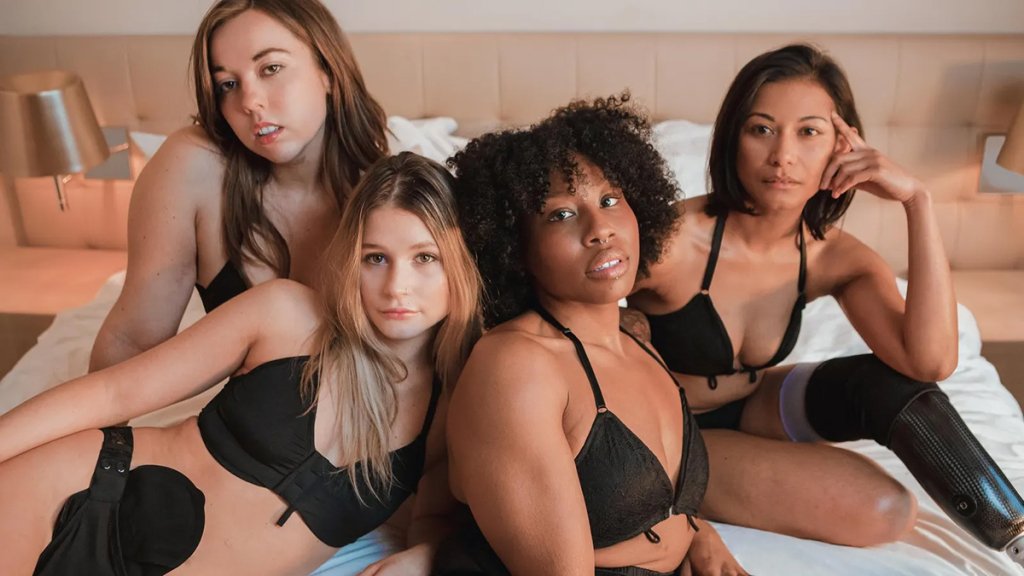
68% of American women are size 14 or larger, yet traditional luxury brands have historically treated this majority as a market afterthought. (Plunkett Research / Refinery29)
That representation gap isn’t a limitation — it’s the industry’s single biggest commercial opportunity. When the majority of consumers can’t find themselves reflected in product lines, brand loyalties remain fragile and demand stays unmet. Retailers and designers who recognize this are moving fast to close the gap, expanding size ranges, rethinking construction standards, and investing in fit engineering that actually accounts for diverse body proportions.
Radical inclusivity, however, looks different from its performative counterpart. Performative marketing adds a plus-size model to a campaign while keeping the actual product range capped at a 1X. Radical inclusivity means rebuilding the design process from the ground up — restructuring seams, engineering boning differently, and treating every size as an original pattern rather than a scaled approximation. It’s a technical commitment, not a branding decision.
That distinction matters enormously. Understanding how the intimate apparel industry arrived at this turning point requires looking back at the design philosophy that held it back for decades — and the consumer-driven revolution that finally forced a change.
How the Body Positive Movement Redefined Lingerie Design
Lingerie design has undergone a seismic cultural reset — one driven not by boardrooms, but by consumers who refused to keep shrinking themselves to fit a narrow industry standard.
The era of “minimizing” silhouettes. For decades, the dominant design philosophy for larger bodies centered on concealment. Structured corsetry, heavy-paneled bras, and high-waisted briefs were marketed as tools to compress, smooth, and hide — as though the goal of intimate apparel was to make the body disappear. The industry treated curvier proportions as a problem to be solved rather than a shape to be dressed.
That began to change when consumer voices grew impossible to ignore. Social media gave shoppers a direct channel to demand visibility, and brands that failed to listen watched their relevance erode in real time. According to Glamour, a growing wave of lingerie brands built their entire identity around body confidence — not as a marketing add-on, but as a founding principle.
The pivot to celebration. As noted by Vogue, modern plus-size lingerie design has shifted decisively from minimizing silhouettes to accentuating features — and the aesthetic language changed completely alongside it. Bold cut-outs, sheer panels, strappy details, and unlined lace styles once reserved for straight sizes began appearing in extended ranges. The message became clear: plus size lingerie promotes positive body image precisely because it treats every size as worthy of beauty, not just utility.
This philosophical shift is more than symbolic. Designing to celebrate rather than conceal introduces entirely new technical challenges — from fabric behavior at larger spans to the structural demands of open-back styles. That engineering complexity deserves its own examination.
The Engineering of Fit Equity: Designing from the Ground Up
True fit equity begins at the drafting table — and most traditional methods never made it there. For decades, the standard industry practice was simple pattern grading: take a size-small template and scale it up mathematically. The problem is that human bodies don’t scale mathematically. Bust-to-band ratios shift. Torso lengths change independently of hip circumference. Shoulder widths don’t grow in proportion to cup volume. The result was lingerie that technically “fit” larger sizes on paper but created pressure points, gaping cups, and underwires that migrated painfully with every movement.
As Fashion Network has noted, “true inclusivity in the lingerie space means designing for the unique proportions of larger bodies from the ground up, rather than simply grading up patterns from a size small.” This is the foundational difference separating genuinely size inclusive lingerie brands from those simply expanding their size ranges as a marketing exercise.
Fit models are the backbone of this process. Responsible brands employ dedicated fit models across every size increment — not just at the smallest and largest ends of the range — ensuring each pattern is tested against real bodies at that specific proportion. One size cannot speak for twelve.
On the materials side, engineering choices make or break the experience. A short list of structural Design Essentials that distinguish ground-up design:
- High-density power mesh panels that distribute weight evenly without digging into softer tissue
- Reinforced side boning that maintains shape under dynamic movement rather than collapsing
- Wider, cushioned underwire channels scaled to actual root width at each size
- Adjustable adjustable straps accommodating varied torso-to-shoulder ratios
This structural precision is what makes the engineering revolution possible — and it’s precisely that technical foundation that has unlocked an entirely new aesthetic language for inclusive lingerie.
The Aesthetic Shift: From Industrial to High-Fashion
Fit equity in fashion means more than sizing up a pattern — it means every body deserves garments that are both structurally sound and genuinely beautiful.
For too long, plus-size undergarments carried an unmistakable “industrial” signature: wide, flat straps, thick seaming, and utilitarian panels that prioritized containment over confidence. The message, whether intentional or not, was that support and style were mutually exclusive for larger bodies. That assumption is now being dismantled — stitch by stitch.
The real breakthrough is that technical engineering has unlocked aesthetic ambition at every size. Industry leaders are utilizing advanced fabric technology to provide structural support without sacrificing the aesthetic of lace and sheer panels, according to Vogue. Delicate lace, once reserved for straight-size designs due to concerns about durability under tension, is now being engineered into high-stress zones — underwire channels, side panels, and back bands — without compromising structural integrity. The result is lingerie that looks luxurious because it genuinely is.
Perhaps the most telling sign of this aesthetic evolution is the rise of strappy cut-outs and open-back silhouettes across extended size ranges. These designs were historically considered too risky for plus-size construction — too many points of potential stress. However, advancements in reinforced seaming and durable hardware have made these statement details not only possible but technically reliable. What once signaled “fashion-forward” only in smaller sizes now reads the same across the full size spectrum.
This convergence of engineering and artistry reflects a broader industry truth: when brands stop treating plus-size design as a separate, lesser category, the creative possibilities expand for everyone. As intimate apparel continues evolving at this intersection of form and function, the next frontier naturally extends into technology itself — and how innovation is reshaping what intimate products can do for the body overall.
Multi-Functional Wellness: Where Lingerie Meets Technology
Inclusive intimate apparel and modern sexual wellness technology share a common design philosophy: one size, one function, and one standard have never been enough. The same consumer movement pushing technical lingerie design for plus size bodies — demanding structure, adaptability, and material quality — is reshaping the personal wellness space simultaneously.
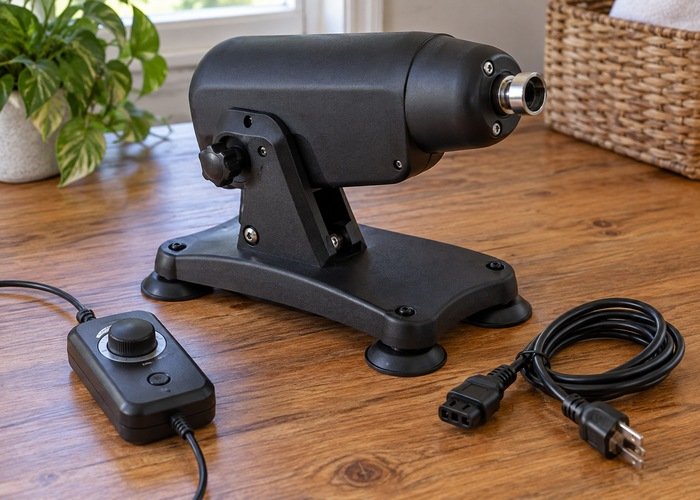
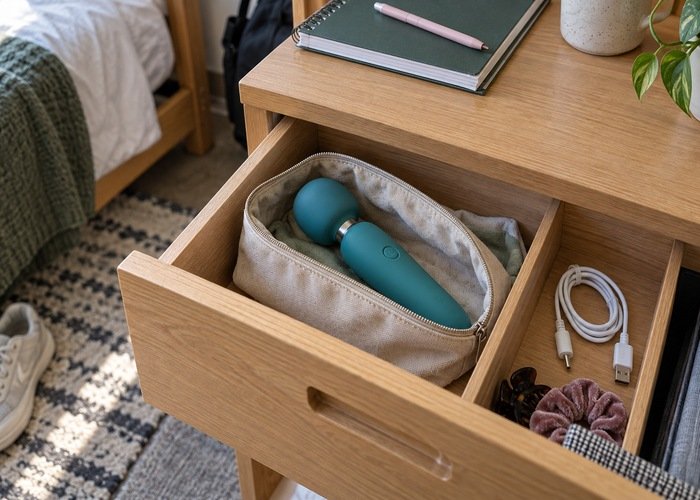
Multi-functionality is no longer a luxury; it’s an expectation across every category of intimate products. Advanced personal wellness devices now incorporate triple stimulation technology combining tapping, vibrating, and sucking functions into a single product. That layered approach mirrors what thoughtful lingerie engineering already understands: different bodies experience comfort and pleasure differently, and a single-mode solution fails most users. Just as a well-engineered bra distributes weight across multiple support points rather than one, a multi-stimulation wellness device responds to varied sensory needs rather than assuming a universal response.
Material quality connects both worlds with equal urgency. Body-safe, skin-compatible materials are non-negotiable whether the product sits against skin all day or during intimate moments. In practice, consumers who’ve learned to scrutinize bra fabric composition — checking for breathability, stretch recovery, and hypoallergenic properties — apply that same literacy when selecting intimate wellness products for the first time. The overlap is deliberate: both industries are responding to consumers who refuse to compromise comfort for function, or safety for aesthetics.
| Function | Benefit | User Experience |
|---|---|---|
| Tapping stimulation | Mimics rhythmic physical contact | Gentle, customizable intensity |
| Vibrating stimulation | Broad, deep muscle relaxation | Familiar, widely accessible sensation |
| Sucking/air-pulse stimulation | Targeted, pressure-based response | Intense, localized pleasure |
Understanding these design parallels sets a useful framework for evaluating brands across both categories — and knowing what quality actually looks like before you buy.
Shopping for Confidence: What to Look for in Inclusive Brands
Knowing which brands genuinely deliver on fit equity — not just lip service — comes down to a handful of observable, concrete signals.
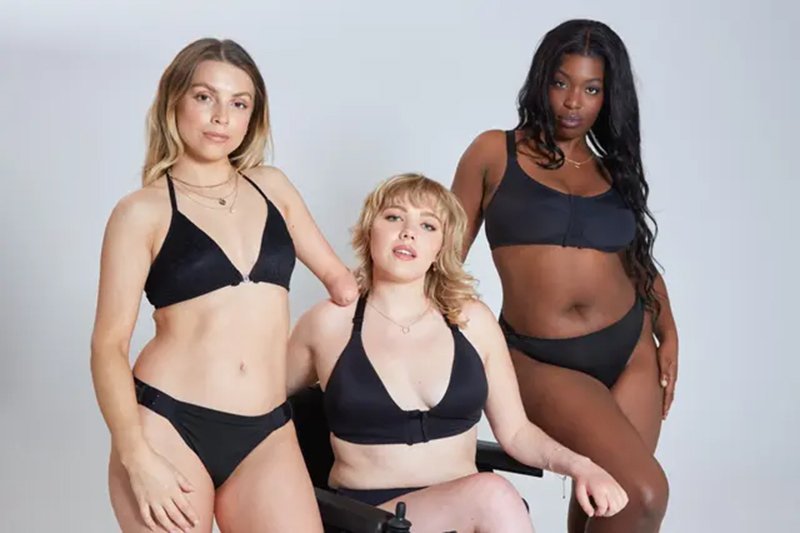
The most reliable starting point is brand photography. Size-specific fit models are the single clearest indicator of genuine inclusivity. As Fashion Network notes, fit equity requires diverse fit models across every size increment to ensure straps and cups provide consistent comfort — not just a scaled-up version of a straight-size sample. If a brand’s imagery jumps from a size small to a 3X with no stops in between, that’s a red flag worth noting.
Beyond photography, product construction tells the full story. A common pattern among quality inclusive brands is investing in engineering details that smaller-size lines often skip entirely.
Here’s a practical checklist for evaluating any inclusive lingerie brand:
- ✅ Size-specific photography — Real models at each size increment, not digitally altered images
- ✅ Wide, cushioned straps — Especially in larger cup sizes, where narrow straps dig in and cause discomfort
- ✅ Multi-hook closures — Three or more hook-and-eye columns distribute tension evenly across the back band
- ✅ Reinforced lace and fabric panels — Structural integrity that holds shape through wear and washing
- ✅ Transparent design documentation — Brands that publish their fit testing process, size range development, or inclusive grading methodology
Brand transparency is non-negotiable. A brand willing to explain how it engineers for different bodies — not just that it does — signals accountability. Look for fit notes, size guides built on real body measurements, and customer reviews that speak specifically to proportional fit.
As the market continues to evolve, the next frontier goes even further — where sustainable materials and emerging technology may finally close the fit gap for good.
The Future of Inclusivity: Sustainability and Tech Integration
The next frontier of body-positive lingerie isn’t just about size range — it’s about smarter materials, precision technology, and a holistic view of what intimate wellness truly means.
Sustainable materials and plus-size engineering are converging in ways that benefit every body. According to Future Market Insights, the global plus-size market’s growth is being driven largely by a shift toward high-performance, durable fabrics — think moisture-wicking microfibers, recycled elastane blends, and adaptive compression weaves. These materials aren’t just eco-conscious choices; they solve structural challenges unique to larger frames, like maintaining band integrity under load and preventing fabric breakdown at high-stress points. In practice, sustainability and engineering reinforce each other — longer-lasting materials mean fewer replacements, less waste, and better daily comfort.
AI and 3D body scanning are poised to eliminate the guesswork from fit entirely. Brands are beginning to pilot scanning tools that capture hundreds of body measurements in seconds, feeding that data into size-recommendation algorithms far more precise than traditional tape measuring. What typically happens with standard sizing is a cascade of compromises — a band that fits but cups that don’t, or vice versa. Scanning technology promises to collapse that gap, generating near-custom fit recommendations without the cost of bespoke tailoring. For the 67% of American women who wear a size 14 or above, this shift isn’t a luxury — it’s overdue.
The definition of intimate wellness is also widening. Consumers increasingly view what they wear and how they experience rhythmic, layered stimulation as interconnected dimensions of the same self-care practice. Apparel that fits confidently primes the body for comfort; technology that responds to that comfort deepens the experience.
Together, these threads — materials science, AI precision, and expanding wellness literacy — point toward an industry that’s finally engineering for everyone. That shift has real consequences worth examining closely.
The Bottom Line: Why Fit Equity Matters
Fit equity is not a marketing slogan — it’s a technical requirement that the lingerie industry can no longer afford to ignore.
Body positivity without engineering is just aesthetic. The conversation throughout this article has made one thing clear: celebrating diverse bodies means building garments that actually perform for them. Wide underwire channels, reinforced side panels, adjustable multi-position closures — these aren’t luxury add-ons. They’re baseline necessities.
The numbers back this up. According to Refinery29, 67% of women in the US wear a size 14 or above — a demographic that has historically been underserved with limited styles, minimal construction, and afterthought aesthetics. That majority deserves high-fashion design backed by real structural engineering, not scaled-up versions of garments built for a narrower standard.
Wellness is holistic. What we wear against our skin shapes how we feel in our bodies throughout the day — and that connection extends beyond the mirror. Comfort, support, and confidence intersect directly with physical and emotional wellbeing. When lingerie fits well, it removes friction from daily life. When it doesn’t, that friction compounds. Understanding your body’s needs — whether for everyday support or intimate pleasure and connection — starts with treating it with the care it deserves.
Here’s what the technical revolution of body-positive lingerie ultimately delivers:
- Structural integrity across the full size spectrum, not just sample sizes
- Material innovation that adapts to real bodies in motion
- Aesthetic equity so that every shopper finds something beautiful, not just functional
- Holistic wellbeing that connects physical comfort to emotional confidence
Still have questions about how to navigate this space? The next section addresses the most common ones readers ask.
Common Questions About Body Positive Lingerie
Body positive lingerie raises real questions — about fit, representation, and what “inclusive” actually means in practice.
Does plus-size lingerie really promote a positive body image?
Yes, when it’s designed with intention rather than as an afterthought. As inclusive lingerie brands continue reshaping body standards by moving away from traditional small-size grading, the ripple effect on self-perception is measurable. Clothing that fits well signals to the wearer that their body is worth designing for — and that matters.
What is the difference between size-inclusive and plus-size?
Size-inclusive refers to a brand’s full spectrum offering — from petite through extended sizes — with consistent construction quality across every size. Plus-size, by contrast, often describes a separate category that may use different (and frequently inferior) grading methods. True size inclusivity means a 3X bra gets the same structural engineering as a 32B, not a scaled-up version of a completely different pattern.
How has the body positive movement changed the way we shop?
Shoppers now demand transparency around fit, fabric, and sizing methodology before purchasing. According to industry retail analysts, the intimate apparel market has shifted significantly toward brands that lead with function alongside representation. Consumers are more likely to research construction details — underwire gauge, band stretch percentage, strap adjustability — before committing.
What technical features should I look for in high-support lingerie?
Prioritize these four elements:
- Wide, cushioned straps that distribute weight without digging
- Multi-part cups that accommodate projection and volume variation
- Reinforced underband accounting for at least 80% of total support
- Four-way stretch fabric that moves without losing shape recovery
The right fit is a necessity — it’s the baseline standard every body deserves.