Curiosity about vibrators is common. You are not alone in wanting to explore new ways to enjoy pleasure. Recent surveys show over half of adults use vibrators for sexual pleasure.
| Demographic | Percentage of Users |
|---|---|
| Women (18-60) | 53% |
| Men (18-60) | 45% |
Research supports vibrator use as beneficial. Many people experience improved desire, satisfaction, and mental well-being. Prioritize safety, comfort, and consent every time you try something new. You can find a wide range of options at https://kissself.com/product-category/for-her/vibrators.
Key Takeaways
- Vibrators can enhance pleasure and improve sexual health for both solo and partnered experiences.
- Open communication with your partner about interests and boundaries can lead to more enjoyable experiences.
- Using lubricants can increase comfort and reduce friction during vibrator use.
- Choose body-safe materials for vibrators to ensure safety and hygiene.
- Clean your vibrator before and after each use to prevent infections and maintain hygiene.
- Experiment with different settings and techniques to discover what feels best for you.
- Create a comfortable environment to enhance your experience and help you relax.
- Trust your body’s signals and stop if you feel discomfort or pain during use.
Vibrator Benefits for Pleasure and Health
Solo and Partnered Benefits
You can enjoy vibrators alone or with a partner. Many people find that vibrators help them explore their bodies and discover new sensations. When you use a vibrator by yourself, you may feel more comfortable learning what brings you pleasure. In relationships, vibrators can reduce pressure to perform and make intimacy more relaxed. Couples often report that adding a vibrator leads to better communication and more satisfying experiences.
Tip: Try discussing your interests and boundaries with your partner before introducing a vibrator. This can help both of you feel more comfortable and open to new experiences.
Research shows that vibrators support sexual health in several ways. Here is a summary of scientific findings:
| Study Focus | Findings |
|---|---|
| Effects on sexual function | Positive effects in all areas of the sexual response cycle |
| Pelvic floor health | Improvements in urinary incontinence and pelvic floor muscle strength |
| Vulvar pain | Easing of vulvar pain |
| Orgasm | Decreased time to achieve orgasm and facilitation of multiple orgasms |
You can find a variety of options for solo or partnered use at https://kissself.com/product-category/for-her/vibrators.
Boosting Arousal and Mood
Vibrators do more than increase physical pleasure. They can also boost your mood and emotional well-being. Many users report feeling more relaxed and less stressed after using a vibrator. This happens because sexual pleasure releases endorphins, dopamine, and oxytocin—chemicals that help you feel happy and connected.
- Regular use can enhance sexual desire and arousal.
- Vibrators promote blood flow in the pelvic area, which supports overall sexual function.
- People who use vibrators often report higher satisfaction and better lubrication.
A clinical study found that women aged 19 to 64 who used vibrators showed significant improvements in arousal and satisfaction. You may notice that your mood improves and stress decreases after a pleasurable experience. For more information on sexual wellness, you can visit the American Sexual Health Association or follow their updates on Twitter.
Enhancing Orgasms and Satisfaction
You may find that vibrators make it easier to reach orgasm. Many people experience stronger and more frequent orgasms when using a vibrator. This can lead to greater satisfaction, both alone and with a partner.
| Benefit | Description |
|---|---|
| Enhanced Sexual Experience | Vibrators are linked to increased sexual desire, arousal, and satisfaction. |
| Improved Sexual Function | They may help with vasodilation and increased blood flow to the genitals. |
| Better Orgasmic Function | They can promote relaxation and enhance genital sensations. |
- Vibrators can help you achieve orgasm more quickly.
- They may increase your ability to experience multiple orgasms.
- Many users report feeling more confident and satisfied with their sexual experiences.
If you want to explore different types of vibrators for your needs, you can browse https://kissself.com/product-category/for-her/vibrators for more choices.
Choosing the Right Vibrator
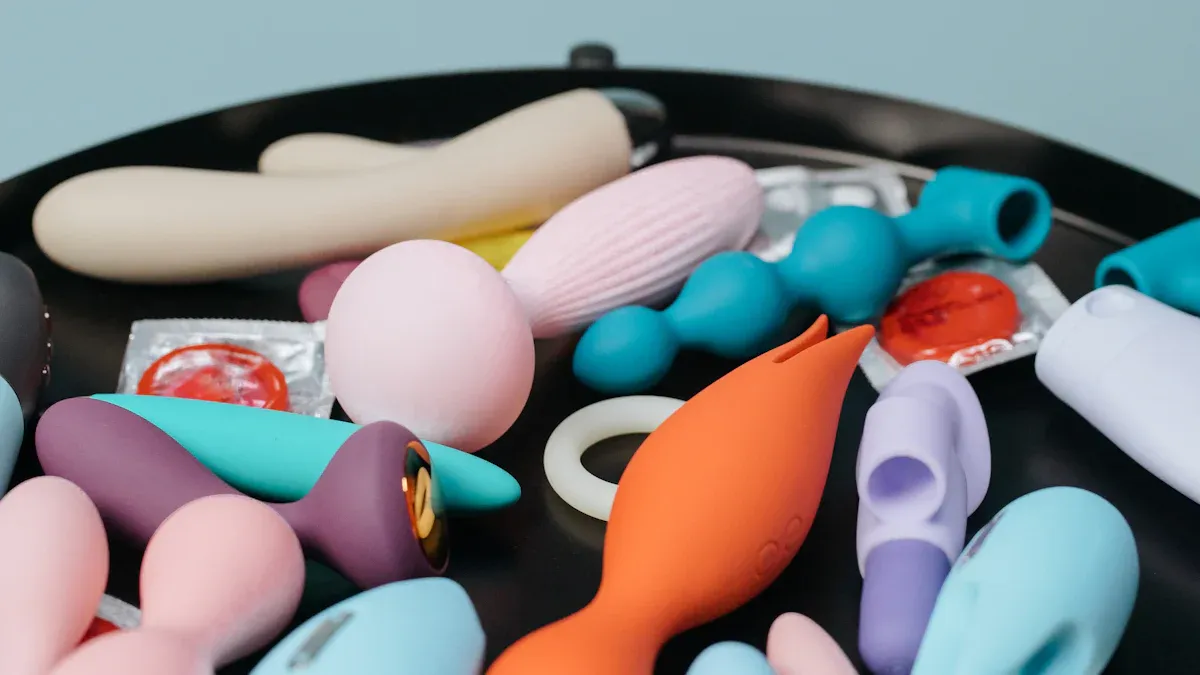
Selecting the right vibrator can make your experience more enjoyable and comfortable. You have many options, so understanding the differences helps you make an informed choice.
Types and Features
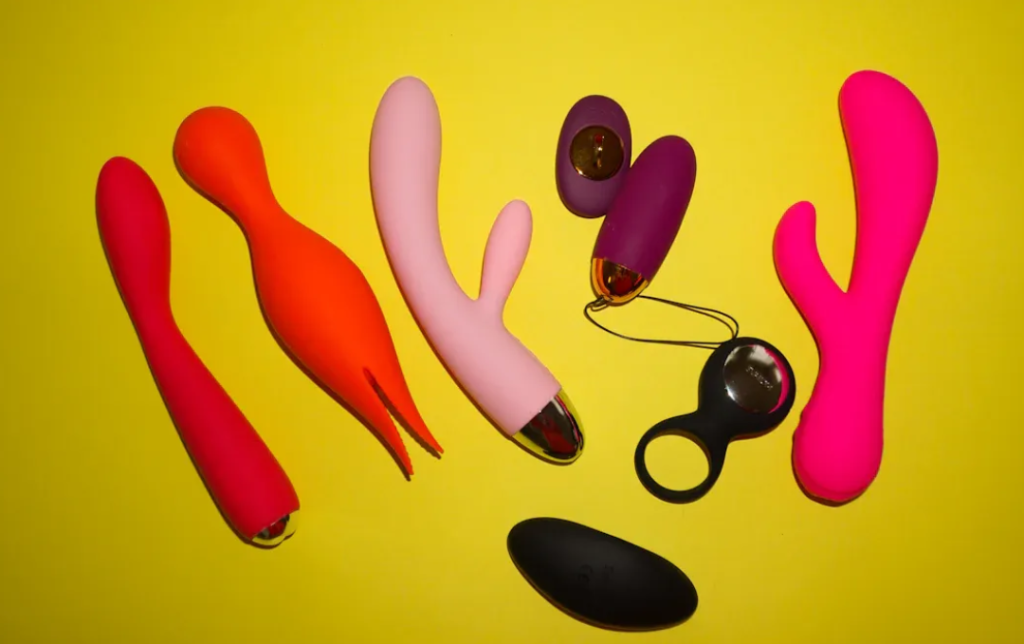
Vibrators come in many shapes and sizes. Each type offers unique sensations and benefits.
External vs. Internal Use
External vibrators focus on areas like the clitoris or nipples. These devices often have a compact design. You can use them for direct stimulation on the skin. Many people find external vibrators easy to use, especially if you are new to sex toys.
Internal vibrators are designed for insertion. You can use them for vaginal or anal stimulation. Some models target the G-spot or prostate. If you want to explore internal sensations, choose a vibrator with a shape that matches your comfort level.
Tip: Start with an external vibrator if you feel unsure. You can always try internal options later as you gain confidence.
Specialty Options
Some vibrators offer extra features. You might find models with multiple speeds, patterns, or remote controls. There are also waterproof options for use in the shower or bath. If you want to experiment, look for vibrators with unique shapes or dual stimulation (internal and external at the same time).
- Example: A couple might use a remote-controlled vibrator during a date night to add excitement and intimacy.
- Example: If you enjoy baths, a waterproof vibrator lets you relax and explore new sensations safely.
Safety and Materials
Safety should always come first. Choose vibrators made from body-safe materials like medical-grade silicone, ABS plastic, or stainless steel. These materials are non-porous and easy to clean. Avoid toys made from jelly rubber or porous plastics, as they can harbor bacteria.
Check for features like a flared base if you plan to use a vibrator anally. This prevents the toy from slipping inside. Always read the product description and reviews before buying.
Note: Clean your vibrator before and after each use. Use warm water and mild soap or a toy cleaner. For more safety tips, visit Planned Parenthood’s sexual health page.
Where to Buy: https://kissself.com/product-category/for-her/vibrators
You can find a wide selection of vibrators online. Shopping at a reputable retailer ensures you get safe, high-quality products. Visit https://kissself.com/product-category/for-her/vibrators to browse different types and read detailed descriptions. Many online stores offer discreet shipping and customer support if you have questions.
Remember: Always choose a trusted source for your purchase. This helps protect your privacy and guarantees product safety.
Preparation for Safe Use
Setting the Mood
You set the stage for a positive experience by creating a comfortable environment. Many sexual health educators agree that a safe and supportive setting helps you relax and enjoy yourself. You might dim the lights, play soft music, or use scented candles. These small touches can help you feel at ease and focus on pleasure.
| Evidence Description | Source |
|---|---|
| Creating a comfortable, safe and supportive environment is essential for effective sexual health education curricula. | Kirby, Laris, & Rolleri, 2007 |
| Sexual health education is most effective in classrooms where there is mutual trust and comfort between teachers and students. | Mkumbo, 2012 |
| Teacher comfort in discussing sexual health topics enhances the learning experience for students. | Cohen, Byers, & Sears, 2012; Mkumbo, 2012 |
You might choose a private space where you feel secure. Some people prefer their bedroom, while others enjoy exploring in the shower or bath. You can use pillows or blankets to make the area cozy. If you want more ideas for creating a relaxing atmosphere, you can visit Planned Parenthood’s sexual health resources.
Communication with Partners
If you plan to use a vibrator with a partner, open communication is key. You can talk about your interests, boundaries, and comfort levels before you begin. This helps both of you feel respected and ready to explore together.
- Ask your partner what they would like to try.
- Share your preferences and any concerns.
- Agree on signals or words to use if you want to pause or stop.
You might find that discussing your feelings builds trust and makes the experience more enjoyable. Many couples use vibrators to add variety and excitement to their relationship. You can revisit the conversation as you gain confidence and learn what works best for both of you. For more tips on healthy communication, check out American Sexual Health Association’s relationship advice.
Lubrication and Comfort
Lubrication helps you stay comfortable and reduces friction during use. You can choose water-based lubricants for most vibrators, as they work well with silicone and plastic materials. If you use a silicone-based lubricant, make sure your toy is not made of silicone, since this can damage the surface.
- Apply a small amount of lubricant to the vibrator and your skin.
- Reapply as needed to maintain comfort.
- Avoid using oil-based products with latex or silicone toys.
You might notice that lubrication makes sensations smoother and more pleasurable. If you experience dryness or discomfort, stop and add more lubricant. Some people prefer warming or flavored lubricants for extra stimulation. Always check the ingredients to avoid irritation. You can find more information about safe lubricant choices at Planned Parenthood’s guide to lubricants.
Tip: If you feel any discomfort, pause and adjust your approach. Your comfort and safety come first.
Cleaning Before Use
You protect your health and maximize pleasure when you clean your vibrator before each use. Bacteria and residue can build up on the surface, even if you store your toy in a clean place. You reduce the risk of irritation and infection by making cleaning a regular part of your routine.
Start by checking the material and design of your vibrator. Most body-safe vibrators use silicone, ABS plastic, or stainless steel. These materials resist bacteria and clean easily. If your toy has grooves or textured surfaces, pay extra attention to those areas. Use a soft toothbrush dedicated to cleaning sex toys to reach small crevices.
You can follow these steps for effective cleaning:
- Wash your vibrator with warm water and mild soap. This method works well for toys used by you or a fluid-bonded partner.
- Scrub grooves and textured areas gently with a soft toothbrush.
- Rinse thoroughly to remove all soap residue.
- Place the toy on a clean towel and let it air-dry. Avoid using cloths that shed lint, which can stick to the surface.
- Disinfect your toy if you plan to share it with someone who is not a fluid-bonded partner or after contact with infections. Use a toy-safe disinfectant or a 10% bleach solution, then rinse and dry completely.
Tip: Always check if your vibrator is waterproof before submerging it in water. If it is not, use a damp cloth to wipe the surface instead.
Switching between anal and vaginal use requires extra care. You should use a condom over the toy to prevent transferring bacteria. Change the condom if you move from one area to another. This simple step helps you avoid infections and keeps your experience safe.
| Cleaning Step | Why It Matters |
|---|---|
| Soap and water | Removes bacteria and body fluids |
| Toothbrush for grooves | Cleans hard-to-reach areas |
| Air-drying | Prevents lint and keeps toy hygienic |
| Disinfection | Reduces risk when sharing or after infection |
| Condom use | Prevents cross-contamination between body areas |
You can find more cleaning tips and sexual health advice at Planned Parenthood and American Sexual Health Association. These organizations offer reliable information for maintaining sexual wellness.
You make cleaning a habit by including it in your preparation every time. You protect yourself and your partner, and you set the stage for a safe, enjoyable experience. Clean toys last longer and perform better, so you benefit in many ways by taking this simple step.
How to Use a Vibrator
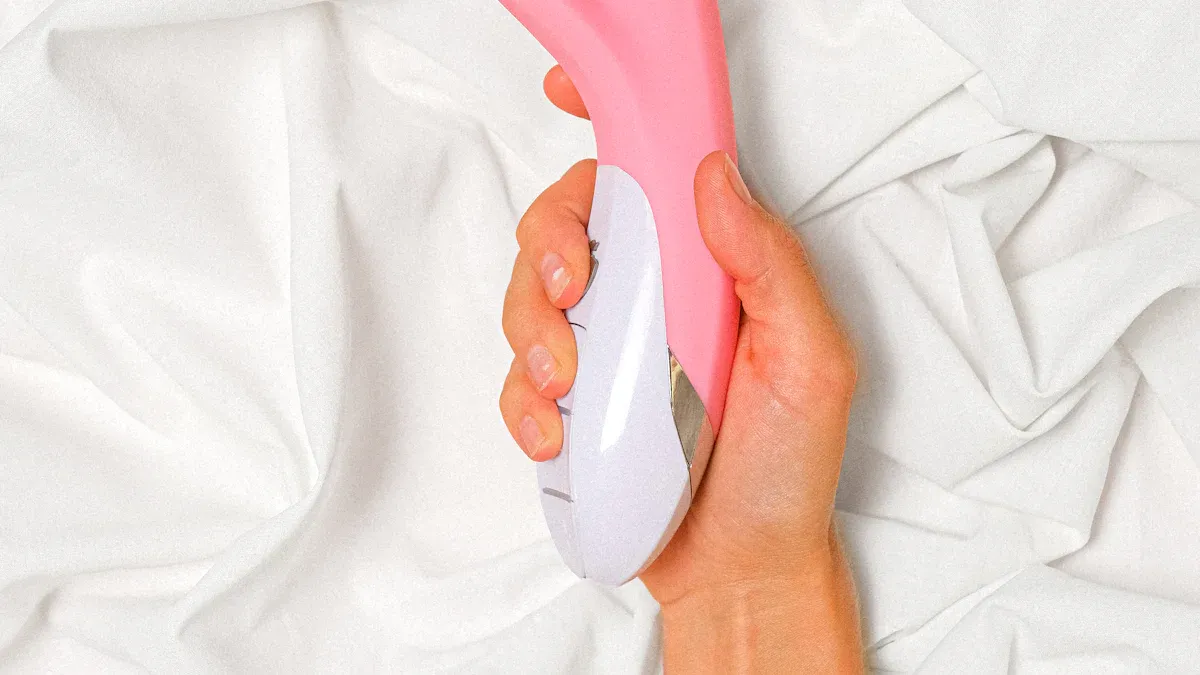
Exploring your body with a vibrator can help you discover new sensations and increase your pleasure. You can use a vibrator on your own or with a partner. Understanding your anatomy and learning how to adjust your approach will help you get the most out of your experience.
Exploring Erogenous Zones
You have several sensitive areas on your body that respond well to vibration. Anatomical studies highlight the clitoris as the most sensitive erogenous zone for most women. This area contains thousands of nerve endings and plays a key role in sexual pleasure. Other sensitive regions include the vagina, G-spot, perineum, and anus. You can also explore less obvious areas, such as the inner thighs, nipples, or the back of your neck.
Clitoral Stimulation
The clitoris sits just above the vaginal opening. It contains more than 8,000 nerve endings, making it the most responsive spot for many people. You can start by gently pressing the vibrator against the clitoral hood. Try different angles and pressures. Some people prefer light, teasing touches, while others enjoy steady, direct contact.
Tip: Use a water-based lubricant to reduce friction and increase comfort during clitoral play.
You might notice that small, circular motions or pulsing patterns feel best. If you feel overstimulated, move the vibrator to the sides or take short breaks. You can also combine clitoral stimulation with other types of touch for a fuller experience.
Vaginal and G-Spot
Internal stimulation can create deep, satisfying sensations. The vaginal walls contain sensitive nerve endings, especially near the entrance and along the front wall. The G-spot, located about two inches inside on the upper wall, often responds well to firm, rhythmic pressure.
Insert the vibrator slowly and listen to your body. You can angle the tip toward your belly button to target the G-spot. Some people enjoy a “come here” motion, while others prefer steady vibration. Try different speeds and patterns to see what feels best.
Many people find that combining clitoral and G-spot stimulation leads to intense orgasms.
If you feel discomfort, adjust the angle or use more lubricant. Always stop if you feel pain.
Anal Play
Anal play requires extra care and preparation. The anus and perineum contain many sensitive nerves. Always use a vibrator with a flared base for safety. Apply plenty of lubricant and start with gentle, external stimulation around the anus or perineum.
When you feel ready, insert the vibrator slowly. Relax your muscles and breathe deeply. You can experiment with different speeds and patterns. If you want to switch from anal to vaginal play, always clean the toy or use a new condom to prevent infection.
Note: Never force a toy into your body. Take your time and focus on comfort.
Other Sensitive Areas
You can use a vibrator on many other parts of your body. The nipples, inner thighs, and even the back or neck can respond to vibration. Some people enjoy using a vibrator during foreplay to build arousal. You can also try temperature play by warming or cooling the vibrator for new sensations.
- Try running the vibrator along your partner’s back or shoulders.
- Use gentle pulses on the nipples or inner thighs.
- Explore the perineum for added pleasure during solo or partnered play.
Understanding these anatomical regions helps you find what feels best for you. You can read more about erogenous zones and sexual anatomy at Planned Parenthood or American Sexual Health Association.
Adjusting Settings
Most vibrators offer different speeds and patterns. You can use these settings to customize your experience. Start with the lowest setting and increase the intensity as you become more comfortable. Some people enjoy steady vibrations, while others prefer pulsing or wave-like patterns.
| Study Focus | Findings |
|---|---|
| Female Sexual Dysfunction | Significant improvement in Female Sexual Function Index score (P<0.001), increased arousal, orgasm, and genital sensation. |
| Pelvic Floor Dysfunction | Significant reduction in hygienic pad use and urinary symptoms (P<0.001), improved muscle tone and quality of life. |
| Vulvodynia | After 4-6 weeks of use, participants reported reduced pain and increased sexual enjoyment, with over 80% satisfaction. |
You can experiment with different settings to find what works for you. If you use a vibrator with a partner, try handing them the controls for a playful experience. Adjust the speed or pattern based on your mood and comfort.
Try using the vibrator on different body parts or during different activities. You might enjoy gentle vibrations during foreplay or stronger settings during solo play.
Listening to Your Body
Your body gives you important signals during vibrator use. Pay attention to how you feel and adjust your actions as needed. Sexual health professionals recommend the following guidelines:
- Experiment with different intensities and pressures to find what feels best for you.
- Communicate with your partner about preferences and comfort levels.
- Respond to your body’s cues, adjusting the experience as needed.
- Use the vibrator on different body parts, such as the back or sensitive areas during foreplay.
- Introduce temperature play by warming or cooling the vibrator for varied sensations.
- Focus on the connection and communication with your partner during use.
If you feel discomfort, numbness, or pain, stop and take a break. You can always try again later or change your approach. Trust your instincts and prioritize your comfort. You can find more advice on listening to your body and sexual wellness at Planned Parenthood and American Sexual Health Association.
Remember: Your pleasure and safety matter most. Explore at your own pace and enjoy the journey.
Safety Tips and Hygiene
Cleaning and Storage
Keeping your vibrator clean and stored properly protects your health and extends the life of your toy. After every use, you should clean your vibrator to prevent bacteria from building up. Use mild soap and warm water for non-electronic toys, making sure to rinse thoroughly. For toys made of silicone or glass, you can boil them for a few minutes to sanitize them if they do not have electronic parts. Alcohol-free disinfecting wipes work well for quick clean-ups, especially when you travel.
Tip: If your vibrator has grooves or textured surfaces, use a soft brush to reach small areas.
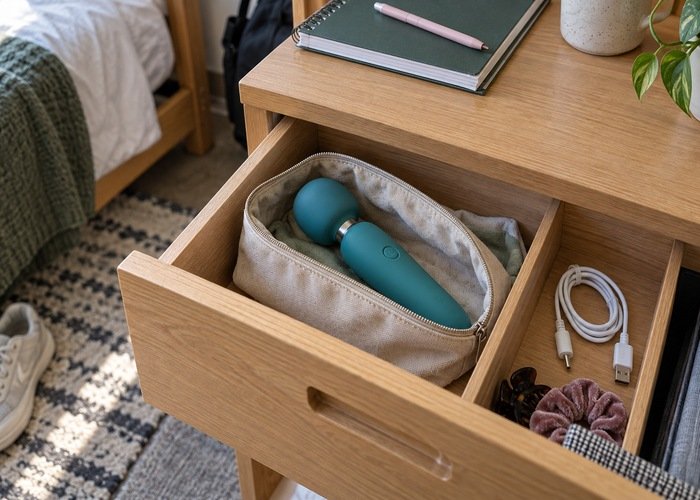
You should store your vibrator in a cool, dry place, away from sunlight and extreme temperatures. Many people use cloth bags or boxes to keep their toys clean and dust-free. Avoid storing your vibrator in drawers or under pillows, as these places can expose it to bacteria and lint.
Best practices for cleaning and storage:
- Clean your vibrator after every use.
- Use mild soap and warm water for most toys.
- Boil non-porous toys like silicone or glass for extra sanitation.
- Use alcohol-free wipes for quick cleaning.
- Store toys in individual bags or boxes in a cool, dry place.
A practical example: If you use your vibrator in the shower, dry it completely before storing it in a cloth pouch. This prevents mold and keeps the toy ready for next time.
For more cleaning tips, visit Planned Parenthood’s guide to sex toy safety or follow @InfoASHA on Twitter for updates on sexual health.
Avoiding Overuse
Using a vibrator often can be enjoyable, but overuse may cause problems. If you use your vibrator for long periods without breaks, you might notice temporary numbness or irritation. Overusing vibrators without proper cleaning can also increase your risk of infections.
Some vibrators contain chemicals like BPA or phthalates, which can be harmful if used frequently. Choosing toys made from medical-grade silicone or stainless steel helps reduce this risk.
Note: Take breaks during use to let your body rest and recover. Listen to your body and stop if you feel discomfort.
You can also focus on longer, more relaxed sessions instead of quick orgasms. This approach may help lower stress and support your immune health. For example, you might set aside time for self-care, using your vibrator slowly and mindfully, rather than rushing.
Ways to avoid overuse:
- Choose body-safe materials to reduce chemical exposure.
- Clean your vibrator before and after each use.
- Take breaks to prevent numbness or irritation.
- Enjoy longer sessions for better stress relief.
If you want more information about safe sex toy use, check out American Sexual Health Association’s resources or follow @PlannedParenthood on Instagram.
Sharing and Barriers
Sharing vibrators with others can increase the risk of infections, including sexually transmitted infections (STIs). Most gynecologists and urologists recommend that you do not share your vibrator. If you choose to share, you should use barrier methods like condoms or dental dams to reduce the risk.
Non-porous materials such as medical-grade silicone, glass, or stainless steel are safer for sharing because you can sterilize them completely. Porous materials like jelly or rubber can trap bacteria and viruses, making them unsafe for sharing.
Safe sharing practices:
- Use a new condom over the vibrator each time you share it.
- Clean and disinfect the toy thoroughly before and after sharing.
- Wait 24 hours between sharing to reduce the risk of HPV transmission.
- Avoid sharing toys made from porous materials.
A practical case: If you and your partner want to use the same vibrator, cover it with a condom and change the condom if you switch between partners or body areas. Clean the toy with soap and water or a specialized cleaner after each use.
Reminder: Never use the same vibrator for both anal and vaginal play without cleaning it first. This helps prevent harmful bacteria from spreading.
For more guidance on safe sharing, visit Planned Parenthood’s sex toy safety page or connect with @ashasexualhealth on Facebook.
When to Stop
You need to recognize when to stop using a vibrator to protect your health and comfort. Paying attention to your body’s signals helps you avoid injury and ensures a positive experience. If you notice any of the following signs, you should stop immediately:
- Physical discomfort: If you feel pain or discomfort, pause and assess the situation. Your body may need rest or a change in technique.
- Bleeding: Any bleeding, especially from cuts or abrasions, means you should stop right away. Rinse the area with clean water and apply a cold compress. If bleeding continues or worsens, seek medical attention.
- Bruising: Bruising can occur if you use too much pressure or intensity. Stop using the vibrator and monitor the area. If pain increases, consult a healthcare provider.
- Allergic reactions: Intense burning, itching, or severe discomfort after using lubricants or certain materials may signal an allergic reaction. Discontinue use and wash the affected area. If symptoms persist or become severe, contact a doctor.
Tip: Always check the ingredients in lubricants and the materials of your toys before use. If you have sensitive skin or allergies, choose products labeled as hypoallergenic.
You may encounter these issues during solo or partnered play. For example, if you notice redness or swelling after using a new lubricant, stop and switch to a product designed for sensitive skin. If you feel sharp pain during internal use, remove the vibrator slowly and rest. These steps help you prevent further injury and support your sexual wellness.
If you experience any of these symptoms, do not ignore them. Taking action early reduces the risk of complications. You can find more information about sexual health and safety at Planned Parenthood and American Sexual Health Association.
Note: Trust your instincts. If something feels wrong, stop and take care of yourself. Your comfort and safety always come first.
Common Concerns and Myths
Sensitivity and “Dependency”
You might worry that using a vibrator could change your sensitivity or make you dependent on it for pleasure. Research shows that most people experience only mild, temporary numbness after vibrator use. This sensation usually fades within a day. Vibrators do not block your ability to enjoy partnered sex or reach orgasm without them. Sex therapists often recommend vibrators to help women with orgasmic difficulties, and studies confirm that vibrator use improves sexual function and mental health.
| Study | Findings |
|---|---|
| Herbenick et al., 2009 | 16.5% of women report temporary numbness after vibrator use, usually mild and resolves quickly. |
| Herbenick et al., 2009 | Numbness, pain, or irritation rarely lasted more than a day after vibrator use. |
| Davis et al., 1996; Herbenick et al., 2010 | Positive associations between vibrator use and sexual satisfaction during partnered sex. |
| Pereira et al., 2013 | Vibrators are used in sex therapy protocols to help women with orgasmic difficulties. |
| Riley & Riley, 1978 | Vibrators help women reach orgasm without creating dependence or blocking partnered orgasm. |
| PubMed, 2024 | A pilot study confirmed that vibrator use improved sexual function, reduced pelvic pain, and boosted mental health in women aged 19-80. |
You can use vibrators as a tool to explore pleasure, not as a replacement for natural sensation. If you notice numbness, take a short break and let your body recover. Most people find that sensitivity returns quickly. For more information, visit Planned Parenthood’s sex toy guide or follow @InfoASHA on Twitter.
Discomfort or Pain
Discomfort or pain during vibrator use can happen for several reasons. You may feel tension if you are anxious or stressed. Muscle clenching, poor posture, or lack of movement can also cause soreness. Overuse or pressing too hard may lead to irritation. You can address these issues by listening to your body and adjusting your technique.
| Cause | Description |
|---|---|
| Stress and anxiety | Emotional tension can lead to unconscious muscle clenching, causing discomfort. |
| Injury and overuse | Physical activity or repetitive motions can create tight knots and soreness in muscles. |
| Poor circulation | Lack of movement can slow blood flow, preventing muscles from receiving oxygen and nutrients. |
| Postural issues | Poor posture or prolonged sitting can strain muscle groups, leading to chronic stiffness. |
| Vibration therapy benefits | Increases blood circulation, promotes muscle relaxation, reduces inflammation and pain. |
You can try these practical steps:
- Apply the vibrator to tense areas for 5-10 minutes to promote circulation.
- Use gentle circular motions for even stimulation.
- Avoid pressing too hard to prevent overstimulation or discomfort.
- Listen to your body and adjust intensity based on sensitivity.
- Clean your vibrator after every use for hygiene.
You may also find that increased arousal and relaxed pelvic muscles reduce tension during penetration. Open communication with your partner about comfort levels helps you avoid pain. Exploring different sensations can enhance your sexual experiences. For more advice, check American Sexual Health Association’s resources or follow @PlannedParenthood on Instagram.
Stigma and Misconceptions
Many myths surround vibrator use. Some people believe vibrators are only for those who cannot orgasm through traditional sex. Others think vibrators can desensitize the body over time. Experts disagree with these ideas. Vibrators can enhance sexual pleasure for individuals and couples. Surveys show that 70% of women use vibrators during sex, and 92% report better sexual satisfaction.
Common misconceptions include:
- Vibrators are only for people with sexual dysfunction.
- Vibrators cause permanent loss of sensitivity.
- Using a vibrator means you cannot enjoy sex with a partner.
- Vibrators are not suitable for couples.
You can challenge these myths by learning the facts. Vibrators support sexual wellness and can improve intimacy. Many couples use them to explore new sensations together. You can find more information at Planned Parenthood and American Sexual Health Association. For community discussions, visit @ashasexualhealth on Facebook.
Tip: Trust your own experience and comfort. You decide what works best for you and your relationships.
Exploring New Experiences
Trying New Techniques
You can expand your pleasure by experimenting with new techniques. Start by changing the way you use your vibrator. Try different speeds, patterns, or angles. Move the vibrator over various parts of your body, such as your inner thighs, nipples, or lower back. You might discover that a gentle touch feels better than strong pressure. Some people enjoy using a vibrator during a warm bath or with a favorite scented candle nearby.
Tip: Begin with what feels familiar, then add one new element at a time. This approach helps you stay comfortable while exploring.
You can also try edging, which means bringing yourself close to orgasm and then pausing. This technique can build anticipation and lead to stronger sensations. If you want more ideas, many sexual health educators recommend reading guides from trusted organizations like Planned Parenthood.
Partner Play
Introducing a vibrator into partnered activities can open new doors for intimacy and communication. You and your partner can talk about what you want to try before you begin. Many couples find that using a vibrator together helps them explore new types of stimulation and improves their connection. For example, Sarah shared that using a vibrator with her partner allowed them to discover new sensations and talk more openly about their desires. Rachel found that incorporating a vibrator helped her and her partner overcome barriers to a fulfilling sex life.
- Vibrators can enhance pleasure and improve sexual function.
- They promote intimacy and help you communicate your needs.
- Using a vibrator together can relieve stress and create a sense of relaxation.
One couple reported that adding a vibrator transformed their experiences, leading to better communication about desires. Another couple found that using a vibrator helped them overcome sexual dysfunction and feel more comfortable exploring new forms of stimulation. You can find a variety of options for partnered play at https://kissself.com/product-category/for-her/vibrators.
Remember: Always check in with your partner during play. Use clear signals or safe words to ensure both of you feel comfortable.
Building Confidence
Building confidence with vibrators takes time and patience. You might feel nervous at first, but practice helps you become more comfortable. Start by setting small goals, such as trying a new setting or using your vibrator in a different location. Celebrate each step you take, no matter how small.
You can also boost your confidence by learning from others. Many people share their experiences on forums or social media platforms like Reddit’s r/sex or American Sexual Health Association’s Facebook page. Reading about others’ journeys can help you feel less alone and inspire you to try new things.
- Set aside time for self-exploration.
- Reflect on what feels good and what you want to try next.
- Talk openly with your partner about your interests.
Note: Confidence grows as you gain experience. Trust yourself and move at your own pace.
If you want more guidance, explore reputable resources and product guides at https://kissself.com/product-category/for-her/vibrators. These sources offer tips and support for every stage of your journey.
More Resources: https://kissself.com/product-category/for-her/vibrators
You can continue your journey with vibrators by exploring reliable resources and expert advice. Learning from trusted sources helps you make informed choices and discover new ways to enjoy pleasure safely.
Where to Find Trusted Information and Support
- Visit sexual health organizations for evidence-based guides. The American Sexual Health Association offers articles on sexual wellness, toy safety, and communication tips.
- Check out Planned Parenthood’s sex toy guide for step-by-step instructions and answers to common questions.
- Join online communities like Reddit’s r/sex to read real experiences and ask questions in a supportive environment.
- Follow social media accounts such as @InfoASHA on Twitter or @ashasexualhealth on Facebook for regular updates and tips.
How to Use Product Guides and Reviews
You can use product guides to compare features, materials, and safety information. Reading reviews from other users helps you understand what to expect and how to get the most out of your vibrator. Look for guides that explain:
- How to choose the right size and shape for your needs
- Which materials are safest for your body
- How to clean and store your vibrator properly
- Tips for solo and partnered play
Practical Example:
If you want to try a new type of vibrator, start by reading a guide on the differences between external and internal toys. You might find that a certain shape or function matches your preferences. After reading reviews, you can decide which features matter most to you, such as waterproof design or multiple vibration settings.
Where to Shop for Quality Vibrators
You can browse a wide selection of safe, high-quality vibrators at https://kissself.com/product-category/for-her/vibrators. This site provides detailed descriptions and customer support to help you choose the best option for your needs. Many reputable online stores offer discreet shipping and privacy protection.
Tip: Always choose products from trusted retailers and check for body-safe materials. Reading the FAQ or contacting customer service can answer any questions before you buy.
Keep Learning and Exploring
You can revisit these resources as you gain confidence and curiosity. New research, guides, and community discussions appear regularly. Staying informed helps you enjoy your experiences and prioritize your well-being.
You can explore vibrators at your own pace and trust your instincts. Remember, pleasure is personal—there is no single “right” way. Always prioritize safety, comfort, and enthusiastic consent. Experts recommend open communication, using lubrication for comfort, and experimenting with different settings.
- Create a safe space for honest conversations.
- Listen to your body and respect your boundaries.
- Celebrate your curiosity and self-discovery.
Revisit these tips as you gain experience. Your journey is unique, and each step helps you build confidence and satisfaction.
FAQ
How often should you clean your vibrator?
You should clean your vibrator before and after every use. This keeps it safe and free from bacteria. Use warm water and mild soap or a toy cleaner. For more tips, visit Planned Parenthood’s guide.
Can you use a vibrator during your period?
Yes, you can use a vibrator during your period. Many people find it helps with cramps and mood. Use a towel to protect bedding and clean your toy thoroughly afterward. Listen to your body and stop if you feel discomfort.
Is it safe to use a vibrator every day?
Daily use is generally safe if you listen to your body and practice good hygiene. Take breaks if you notice numbness or irritation. Choose body-safe materials and clean your toy regularly. For more advice, check American Sexual Health Association.
What should you do if you feel pain while using a vibrator?
Stop immediately if you feel pain. Check your technique, use more lubricant, or try a different setting. Pain can signal dryness, tension, or an unsuitable toy. If pain continues, consult a healthcare provider. Your comfort and safety come first.
Can you share vibrators with a partner?
You can share vibrators, but always use a new condom over the toy for each person. Clean and disinfect the toy before and after sharing. Avoid sharing toys made from porous materials. For more on safe sharing, visit Planned Parenthood.
Will using a vibrator affect your sensitivity?
Most people experience only mild, temporary numbness after using a vibrator. Sensitivity returns quickly. Vibrators do not cause permanent changes. Take breaks if you notice numbness. For more information, see ASHA’s FAQ.
What kind of lubricant works best with vibrators?
Water-based lubricants work well with most vibrators and are easy to clean. Avoid silicone-based lubricants with silicone toys, as they can damage the surface. Always check the label and choose products designed for sensitive skin.
Where can you find more information about safe vibrator use?
You can find reliable information at Planned Parenthood, American Sexual Health Association, and online communities like Reddit’s r/sex. These sources offer expert advice and real experiences.