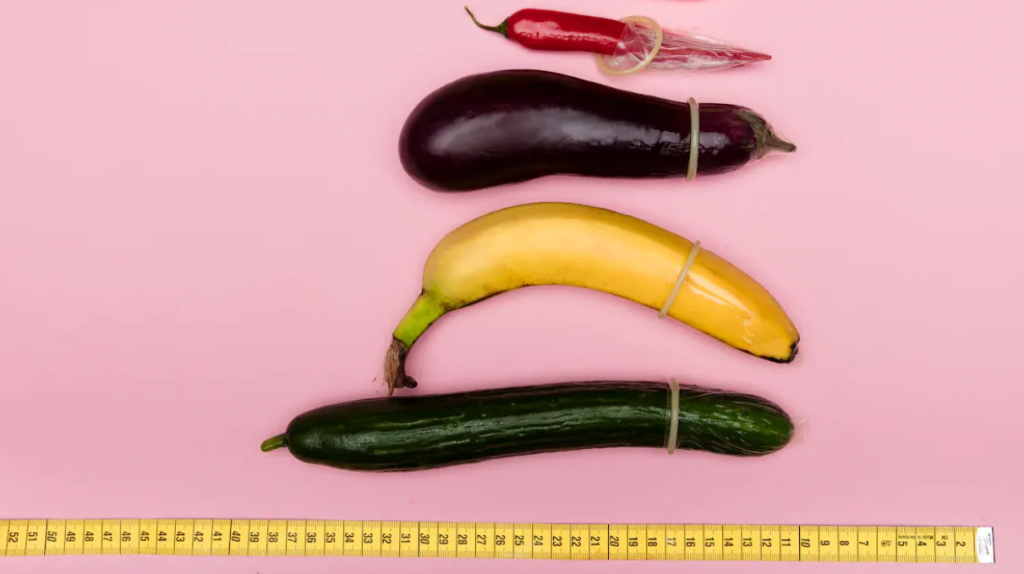
You might wonder about the different kinds and shapes of penises. Medical studies show a wide range of normal anatomical differences. You can see some of the most common types in the table below:
| Type of Penis | Description |
|---|---|
| Straight | Linear shape with no noticeable curve |
| Curved | Bends upward, downward, or sideways |
| Wider Base | Thicker at the base, narrowing toward the tip |
| Wider Glans | Thinner shaft, thickens toward the head |
| Grower | Expands significantly when erect |
| Shower | Changes little from flaccid to erect |
You should know that all these variations are healthy and normal. Curiosity about your body can help you embrace body positivity.
Key Takeaways
- Penises come in various shapes, including straight, curved, tapered, and mushroom-shaped. All variations are normal and healthy.
- Curved penises can bend upward, downward, or sideways. Most curves are harmless and do not affect sexual function.
- A tapered penis narrows from the base to the tip. This shape can provide a comfortable fit for certain condoms.
- Mushroom-shaped penises have a noticeable flare at the head. This shape may enhance stimulation during sexual activity.
- Understanding your body can boost body positivity. Embrace your unique shape and size without comparison.
- Most men fall within the average size range. Focus on comfort and communication rather than size for better sexual experiences.
- Good hygiene is essential, especially for uncircumcised men. Regular cleaning helps prevent infections and discomfort.
- If you notice pain or sudden changes in shape, consult a healthcare provider for guidance and support.
Different Kinds of Penis Shapes
Straight
You may notice that a straight-shaped penis appears linear, with no visible curve. Urological sources describe this type as having a symmetrical and balanced look. You often see this shape represented in educational diagrams because it is perceived as the ‘standard.’ However, straight-shaped penises can vary in both length and thickness. You might think this is the most common shape, but studies show that many men have some degree of curvature.
Quick Fact:
A 2018 Australian study found that only about 80% of men report having a straight penis, while the remaining 20% experience some curvature.
If you have a straight-shaped penis, you likely find that it fits comfortably with most forms of sexual activity. You do not need to worry about health or function, as this shape does not present any unique challenges.
Curved
A curved penis bends in one direction when erect. You may see this curve upward, downward, or to the left or right. Many men notice a slight curve, which is usually harmless and does not affect sexual function. Some men experience more pronounced curvature, which can result from anatomical factors.
- Curvature often develops due to fibrous scar tissue in the deep tissues of the penis.
- Previous injuries, even those from years ago, can contribute to curvature.
- Age increases the likelihood of developing a curved penis, especially in men over 50.
- Connective tissue disorders, such as Dupuytren’s contracture, may raise the risk.
- Family history can play a role in the development of curvature.
Upward
You may observe an upward curve, which is one of the most common variations. This shape can enhance sexual pleasure for some partners by stimulating sensitive areas during intercourse. Most men with an upward curve do not experience pain or difficulty.
Downward
A downward curve may occur due to congenital factors or scar tissue. You might notice this shape early in life or as you age. In some cases, a downward curve can cause discomfort during erections or intercourse. If you experience pain, you should consult a healthcare provider.
Left or Right
Some men have a penis that curves to the left or right. This variation is usually mild and does not interfere with sexual activity. You may find that the curve becomes more noticeable during erection. If the curve is severe or causes pain, medical advice is recommended.
Tip:
Approximately 1 in 100 men in the United States have been diagnosed with Peyronie’s disease, which is associated with pronounced curvature. Researchers estimate that more than 1 in 10 men may actually have this condition.
C-Shaped
A C-shaped penis curves in a way that resembles the letter “C.” You may notice this shape when the penis is erect, bending to the left, right, upward, or downward. Clinicians often identify this type during a physical examination, especially if the curvature is visible during erection.
- Congenital penile curvature, also called chordee, can appear early in life or during puberty.
- The curve is most noticeable when the penis is erect.
- Diagnosis usually involves a healthcare provider examining the penis during an erection.
Some men with a C-shaped penis experience pain during erections or difficulty with sexual intercourse. You may also feel psychological effects, such as anxiety or concern about appearance. If you have these symptoms, you should seek medical advice for support and treatment options.
| Penis Shape | Common Features | Prevalence/Notes |
|---|---|---|
| Straight | Linear, symmetrical | ~80% report straight shape |
| Curved | Bends in one direction | ~20% report some curvature |
| C-Shaped | Pronounced curve, “C” appearance | Often congenital, may cause discomfort |
You can see that the Different Kinds of penis shapes include straight, curved, and C-shaped forms. Each type presents unique features, but all are considered normal variations. If you notice any pain or difficulty, you should consult a healthcare provider. Otherwise, you can embrace your body’s natural diversity.
Tapered
You may notice a tapered penis shape if the shaft narrows gradually from the base toward the tip. This type often appears slimmer at the head, creating a gentle slope. Many men with this shape report no issues with sexual function or comfort. You might see this shape in anatomical illustrations, where the shaft looks like a cone or elongated triangle.
Some men find that a tapered shape fits certain types of condoms more comfortably. For example, a tapered penis may allow for a snug fit at the base while leaving extra space at the tip. You can also observe that the Different Kinds of tapered shapes vary in degree, with some showing only a slight narrowing and others more pronounced.
Note:
Tapered shapes do not affect sensitivity or performance. You should not worry about health risks associated with this variation.
Mushroom/Bell-Shaped
A mushroom or bell-shaped penis features a noticeable contrast between the shaft and the head. The glans flares outward, resembling the cap of a mushroom or the bell of a trumpet. You may see this shape most clearly during erection, when the head appears fuller and rounder than the shaft.
| Trait | Description |
|---|---|
| Contrast between shaft and head | There is a noticeable contrast between the shaft and the head. |
| Glans shape | The glans flares outward like the cap of a mushroom. |
| Vascularization | This shape is linked to stronger glans vascularization, making the head appear fuller during erection. |
| Corpus spongiosum | The shape results from natural differences in the corpus spongiosum, the tissue that swells to form the glans. |
You may encounter Different Kinds of mushroom or bell-shaped penises. Some have a bulbous head, while others display a more subtle flare. Researchers suggest that the mushroom shape may enhance stimulation during sexual activity. Theories propose that this shape could help remove semen from previous partners during mating, although scientists debate this idea.
- The glans penis can vary significantly among individuals.
- Some researchers believe the mushroom shape may serve a functional purpose, but evidence remains inconclusive.
- Most men with this shape report normal sensitivity and sexual satisfaction.
| Shape Type | Description | Functional Implications |
|---|---|---|
| Mushroom-shaped | Often described as bulbous and wider in circumference than the shaft. | May enhance stimulation during sexual activity due to its shape. |
| Bell-shaped | Typically narrower and more akin to a probe in shape. | The exact functional implications are less clear, but sensitivity is important for stimulation. |
You should know that both mushroom and bell-shaped penises are healthy and normal. You do not need to seek medical attention unless you experience pain or discomfort.
Thick-Base
A thick-base penis has a shaft that appears wider near the base and tapers slightly toward the middle or tip. You may notice that this shape looks sturdy and anchored at the base. The thickness often results from the density of tissue and the arrangement of subcutaneous layers around the corpora cavernosa. Men with strong pelvic muscles may see a more pronounced thick-base appearance.
Some men feel more confident with a thick-base shape, while others may worry about size or proportion. You should understand that girth does not affect fertility or sexual satisfaction. Medical professionals confirm that the Different Kinds of girth, including thick-base shapes, do not impact your ability to have a fulfilling sexual relationship.
- Concerns about penis size, including girth, can affect self-esteem.
- Anxiety about size may lead to sexual dysfunction, such as erectile difficulties.
- From a medical perspective, girth does not influence reproductive health.
If you have a thick-base penis, you can embrace this natural variation. You should focus on comfort and confidence rather than comparison.
Penis Size and Proportion
Understanding penis size and proportion can help you set realistic expectations and reduce anxiety. Medical research shows that most men fall within a typical range, and size rarely affects sexual satisfaction or health.
Length
Average
You might wonder what the average penis length is. Global health studies provide clear data:
- The average erect penis measures between 5.1 and 5.5 inches.
- The average flaccid penis is about 3.61 inches.
- Only 5% of men have an erect penis longer than 6.3 inches or shorter than 3.94 inches.
| Measurement | Average Length (inches) | Percentile Notes |
|---|---|---|
| Erect (global avg) | 5.1 – 5.5 | 95% fall within this range |
| Flaccid | 3.61 | |
| 95th Percentile | 6.3 | Only 5% longer than this |
| 5th Percentile | 3.94 | Only 5% shorter than this |
Tip: Many people overestimate what is “average” due to myths and media. Most men fit comfortably within the normal range.
Above Average
If your erect length exceeds 6.3 inches, you fall into the top 5% globally. Some men from African countries, such as DR Congo and Nigeria, report averages between 6.3 and 7.1 inches. North and South American men also tend to have slightly longer averages. You may notice that having an above-average length does not guarantee greater satisfaction for you or your partner. Communication and technique often matter more.
Below Average
If your erect length is below 3.94 inches, you are in the bottom 5%. Asian men, including Chinese populations, average around 4.9 inches. European men tend to have slightly shorter averages than North Americans. You should remember that sexual satisfaction depends on many factors, not just length. Many couples report fulfilling experiences regardless of size.
Thickness
Thin
A thin penis has a girth below the average of 4.59 inches when erect. Some men feel self-conscious about thinness, but research shows that emotional connection and technique play a larger role in sexual satisfaction. For example, a man with a thinner penis who communicates openly with his partner often reports higher satisfaction than someone who focuses only on size.
Thick
A thick penis measures above the average girth. You may notice a girthier shaft if your measurement exceeds 4.59 inches. While some believe that thickness increases pleasure, studies show that anxiety about size can impact satisfaction more than actual measurements. Open conversations with your partner can help you both feel more comfortable.
| State | Average Girth (inches) |
|---|---|
| Erect | 4.59 |
| Flaccid | 3.66 |
Note: Enlargement methods are rarely effective and can pose health risks. If you have concerns about size or function, consult a healthcare professional.
Head Size
Penis head size varies widely. Some men have a wider base with a narrow head, often called a “cone” or “carrot” shape. This shape can make penetration easier, especially during anal sex. Others have a narrow base with a larger head, known as a “mushroom” or “hammer” shape. This pronounced head may provide more friction and stimulation during intercourse.
You may feel concerned about head size, but research shows that satisfaction and function depend more on confidence and communication. Men who worry about their size often report more sexual health issues. Focusing on your overall well-being and relationship can help you enjoy a more fulfilling sex life.
Growers vs. Showers
When you compare penis size in its flaccid and erect states, you encounter two common terms: “growers” and “showers.” These categories describe how much the penis changes in size during erection. You might notice that your own experience fits one of these types, or you may fall somewhere in between.
Growers
You classify as a “grower” if your penis increases significantly in length when erect. Medical studies define a grower as someone whose penis grows by more than 56% from its flaccid state. For example, if your flaccid length measures 8.8 cm, you may see a substantial change during erection. This transformation often surprises both you and your partner.
- Growers typically have a thinner tunica albuginea, the tissue surrounding the erectile chambers. This structure contains more elastic fibers, allowing for greater expansion.
- Genetics play a major role in determining whether you are a grower. Collagen levels and tissue elasticity influence how much your penis can stretch.
- You may notice that your flaccid size appears modest, but your erect size matches or exceeds that of a shower.
Tip:
If you feel self-conscious about your flaccid size, remember that most partners care more about comfort and connection than appearance.
You might encounter situations where your penis seems small in locker rooms or public showers. However, during sexual activity, you experience a dramatic increase in size. This change is completely normal and does not affect sexual function or pleasure.
Showers
You identify as a “shower” if your penis maintains a similar size between flaccid and erect states. Showers grow less than 31% when erect, with an average flaccid length of 11.3 cm. You may notice that your penis appears larger when soft, but the change during erection is less pronounced.
- Showers possess a thicker tunica albuginea, which limits expansion. The tissue contains fewer elastic fibers, resulting in a more consistent size.
- Genetics and tissue structure determine your classification. You cannot control these factors, and both types are healthy.
- You may feel confident in situations where your flaccid size is visible, such as in changing rooms or medical exams.
| Classification | Percentage |
|---|---|
| Growers | 26% |
| Showers | 74% |
You might wonder if being a shower offers any advantage. In reality, sexual satisfaction and function do not depend on whether you are a grower or a shower. Both types fall within the spectrum of normal anatomy.
Note:
The distinction between growers and showers is not absolute. Many men display characteristics of both types, and some fall outside these categories.
You should embrace your body’s natural variation. Whether you are a grower or a shower, you experience healthy sexual function. If you have concerns about size or performance, consult a healthcare provider for reassurance.
Circumcision and Foreskin
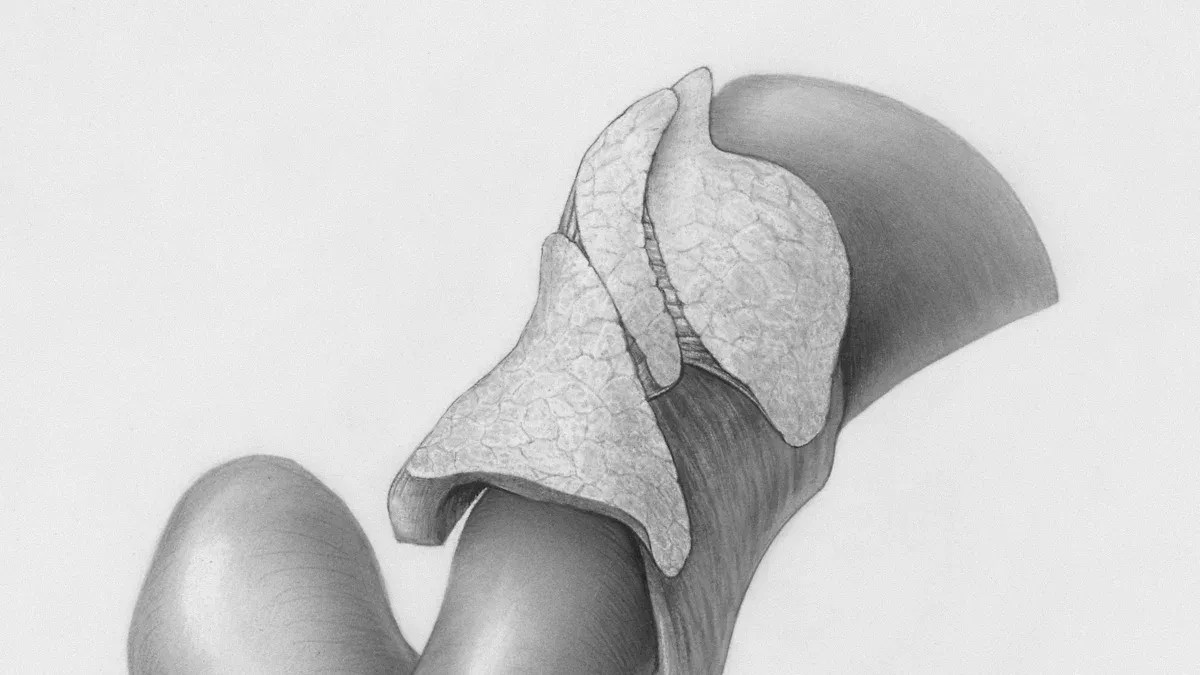
Circumcised
You may notice that a circumcised penis has no foreskin, which leaves the glans exposed at all times. This anatomical difference creates a distinct appearance compared to an uncircumcised penis. Many men choose circumcision for cultural, religious, or medical reasons. You might find hygiene easier with circumcision, as you do not need to retract the foreskin for cleaning. Regular washing with mild soap and water keeps the area healthy.
- The glans remains visible and does not require special care beyond basic hygiene.
- You avoid complications like phimosis, where the foreskin becomes too tight.
- Circumcision can prevent conditions such as balanitis and balanoposthitis, which involve inflammation of the glans and foreskin.
If you consider circumcision, you should weigh the health benefits and risks. The following table summarizes key points:
| Health Benefits of Circumcision | Health Risks of Circumcision |
|---|---|
| Protects against HIV infection | Pain |
| Reduces risk of penile carcinoma | Risk of bleeding |
| Lowers urinary tract infections | Infection at the site |
| Decreases ulcerative STDs | Irritation of the glans |
| Prevents balanitis and balanoposthitis | Higher chance of meatitis |
| Prevents phimosis and paraphimosis | Risk of injury to the penis |
| Facilitates cleanliness of the penis |
For example, you may experience less risk of urinary tract infections and some sexually transmitted diseases. However, you should know that pain, bleeding, and infection are possible after the procedure, though these risks remain low with proper care.
Uncircumcised
If you have an uncircumcised penis, the foreskin covers the glans and may retract during erection or cleaning. This structure provides natural protection for the glans and maintains moisture. You need to practice regular hygiene by gently retracting the foreskin and washing underneath with mild soap and water. Neglecting this care can lead to infections or discomfort.
The anatomy of an uncircumcised penis includes several important features:
| Feature | Description |
|---|---|
| Glans and foreskin | Most important anatomic sections for clinical practice |
| Erectile tissues | Two corpora cavernosa (dorsal), one corpus spongiosum (ventral) |
| Foreskin structure | Folded with skin on the outer surface and mucosa inside |
| Inner foreskin | Continues glans squamous mucosa |
| Outer foreskin | Squamous keratinized epithelium with no adnexa |
| Connective tissue | Loose connective tissue with smooth muscle bundles (dartos) |
You may encounter health considerations unique to uncircumcised men. For instance, phimosis can occur if the foreskin becomes too tight, causing pain or difficulty with retraction. Studies show that uncircumcised men have a higher risk of genital herpes, HPV infections, and HIV. Practicing safe sex and maintaining good hygiene help reduce these risks.
Foreskin Features
Foreskin length and retractability vary among men. You might notice that your foreskin is long, medium, or short, each with different implications for function and care.
| Foreskin Classification | Description | Implications |
|---|---|---|
| Long | Extends beyond the glans | May not retract automatically during erection |
| Medium | Located around the meatus | Varies in retraction behavior |
| Short | Most of the glans is exposed | Generally retracts easily |
For example, a long foreskin may require extra attention during cleaning, while a short foreskin often retracts without difficulty. You should check for any discomfort or difficulty with retraction, especially during adolescence, as the incidence of retractile foreskin increases with age. If you experience pain or notice that your foreskin does not retract, consult a healthcare provider for guidance.
Tip:
You can maintain foreskin health by practicing gentle daily cleaning and monitoring for signs of irritation or infection. Early attention to symptoms helps prevent complications.
You should embrace the natural variation in foreskin features. Understanding your anatomy and practicing proper hygiene supports lifelong sexual health.
Surface Features
Color
You may notice that penis color often differs from the rest of your body. Many men see a slightly darker or reddish hue, especially near the glans or along the shaft. This variation results from increased blood flow and higher melanin concentration in the skin. Some men observe patches of lighter or darker pigmentation, which usually pose no health risk. For example, you might see small freckles or areas with a pinkish tone. These changes often appear during puberty or with age.
Note:
Sudden changes in color, such as bruising or persistent redness, may signal injury or infection. If you see these changes, consult a healthcare provider.
You can compare different surface types and their descriptions in the table below:
| Penis Type | Description |
|---|---|
| Smooth | A smooth penis has no visible veins or bumps, providing a silky smooth entry. |
| Veiny | A veiny penis has prominent veins, especially when aroused, influenced by genetics and muscle. |
| Freckled | A freckled penis has pigmentation variations that are purely aesthetic. |
Veins
You may observe visible veins on your penis, especially during arousal or after physical activity. These veins help regulate blood flow and contribute to erection. Genetics and muscle tone influence how prominent your veins appear. For instance, some men have a veiny appearance even when flaccid, while others notice veins only during erection. A veiny penis often feels warmer and may look more textured.
If you see a sudden bulge or feel pain along a vein, you should seek medical advice. Most visible veins are harmless and part of normal anatomy. You can support healthy circulation by staying hydrated and maintaining regular exercise.
Bumps & Spots
You might find bumps or spots on your penis at some point. Most of these surface features are harmless and do not require treatment. Common non-contagious causes include:
- Penile pimples
- Pearly penile papules
- Razor burn
- Folliculitis
- Fordyce spots
- Tyson glands
- Lymphocele lumps
For example, pearly penile papules appear as small, white bumps around the corona of the glans. Fordyce spots look like tiny yellowish dots along the shaft. Both conditions are normal and do not spread to others.
However, some bumps may indicate a health issue, especially if they appear suddenly, change shape, or cause discomfort. Contagious causes include:
- Molluscum contagiosum
- Human papillomavirus (HPV)
- Syphilis
- Gonorrhea
- Chlamydia
- Herpes simplex
If you notice painful sores, blisters, or warts, you should contact a healthcare provider for evaluation. Early diagnosis helps prevent complications and protects your sexual health.
Tip:
Regular self-examination helps you spot changes early. If you feel unsure about any surface feature, seek professional advice for peace of mind.
Function & Health
Does Shape Matter?
You may wonder if penis shape affects sexual function or health. Medical research shows that most shapes—including straight, curved, tapered, and mushroom—do not impact your ability to have satisfying sexual experiences. For example, a curved penis often works just as well as a straight one. Some men with an upward curve report increased pleasure for their partners during intercourse. A mushroom-shaped glans may provide extra stimulation. You should know that these differences rarely cause problems.
Tip:
Focus on comfort and communication with your partner. Most sexual satisfaction comes from emotional connection and technique, not shape.
A recent study found that penis size does not directly influence sexual health outcomes such as condom use or STI diagnoses. However, men with above-average sizes reported higher rates of certain STIs, possibly due to condom fit issues. Men with below-average sizes experienced poorer psychosocial adjustment, which could affect sexual function. You should choose condoms that fit well and address any concerns with a healthcare provider.
| Penis Shape | Impact on Function | Impact on Health |
|---|---|---|
| Straight | None | None |
| Curved | None (unless severe) | None |
| Tapered | None | None |
| Mushroom/Bell | None | None |
Health Concerns
You may encounter health concerns related to penis shape or size. Severe curvature, such as that seen in Peyronie’s disease, can cause pain or difficulty during intercourse. If you notice sudden changes in shape, persistent pain, or trouble with erections, you should seek medical advice. Most conditions, including mild curvature or variations in girth, do not require treatment.
Common health issues include:
- Peyronie’s disease: Noticeable bend, pain during erection.
- Phimosis: Tight foreskin, difficulty retracting.
- Balanitis: Inflammation of the glans, often due to poor hygiene.
- STIs: Sores, bumps, or unusual discharge.
You can prevent many problems by practicing good hygiene, using protection during sex, and performing regular self-exams. For example, gently wash under the foreskin if uncircumcised. Use condoms that fit properly to reduce STI risk. If you experience discomfort or see changes, consult a healthcare provider.
Note:
Early intervention helps prevent complications. Do not ignore persistent symptoms.
Self-Esteem
Your feelings about penis shape or size can affect your self-esteem. Many men compare themselves to unrealistic standards seen in media or online. You may feel anxious if you think you do not measure up. Studies show that men with below-average sizes often report lower confidence and poorer psychosocial adjustment. This anxiety can impact sexual function and relationships.
You can boost your self-esteem by focusing on your strengths and communicating openly with your partner. Most people value trust, intimacy, and emotional connection over physical attributes. For example, couples who discuss their concerns often report higher satisfaction. You should remember that diversity in penis shape and size is normal.
| Factor | Influence on Self-Esteem | Actionable Advice |
|---|---|---|
| Media portrayal | Often negative | Limit exposure to unrealistic images |
| Partner communication | Positive | Talk openly about concerns |
| Personal confidence | Variable | Focus on overall well-being |
😊 Embrace your body’s uniqueness. Confidence and self-acceptance lead to healthier relationships and better sexual experiences.
You see a wide range of penis shapes and sizes. Each variation is normal and healthy. Most differences do not affect sexual function or satisfaction.
- Embrace your body’s uniqueness. You build confidence by focusing on comfort and communication.
- If you notice persistent pain or sudden changes, consult a healthcare provider for guidance.
- Remember, self-acceptance leads to better relationships and overall well-being. 😊
FAQ
What is the most common penis shape?
You usually see a straight shape as the most common. Studies show about 80% of men report a straight penis. Curved shapes appear in roughly 20% of cases.
| Shape | Prevalence |
|---|---|
| Straight | 80% |
| Curved | 20% |
Can penis shape affect sexual pleasure?
You may notice that some shapes, like an upward curve or mushroom-shaped glans, can enhance stimulation for certain partners. Most shapes do not limit sexual pleasure or function.
Should you worry about a curved penis?
You do not need to worry if you have a mild curve. Severe curvature, pain, or difficulty during sex may require medical advice. Most curves are harmless.
Tip:
If you feel pain or notice sudden changes, consult a healthcare provider.
Does penis size impact fertility?
You do not need to worry about size affecting fertility. Sperm quality and reproductive health matter more than length or girth. Both small and large penises can father children.
How do you clean an uncircumcised penis?
You should gently retract the foreskin and wash underneath with mild soap and water. Regular cleaning helps prevent infections and keeps the area healthy.
Are bumps or spots on the penis normal?
You may see bumps like pearly penile papules or Fordyce spots. These are common and harmless. Painful sores or changing spots may signal infection and need medical attention.
Can you change your penis shape or size?
You cannot safely change your natural shape or size. Most enlargement methods lack scientific support and may cause harm. Focus on confidence and communication instead.
When should you see a doctor about penis concerns?
You should see a doctor if you notice pain, sudden changes in shape, persistent sores, or trouble with erections. Early evaluation helps prevent complications.