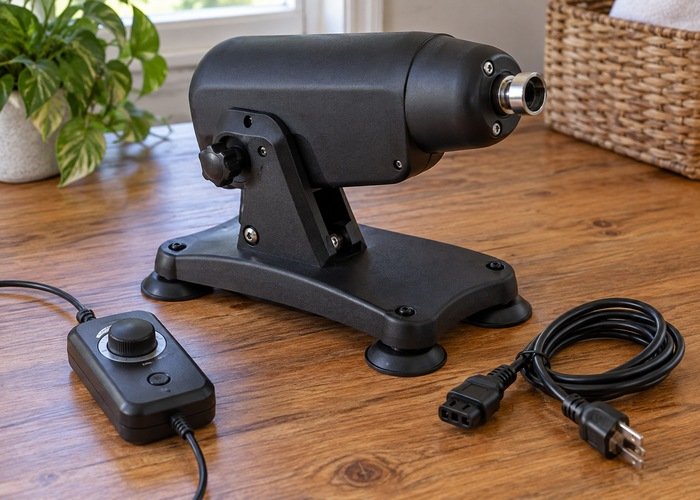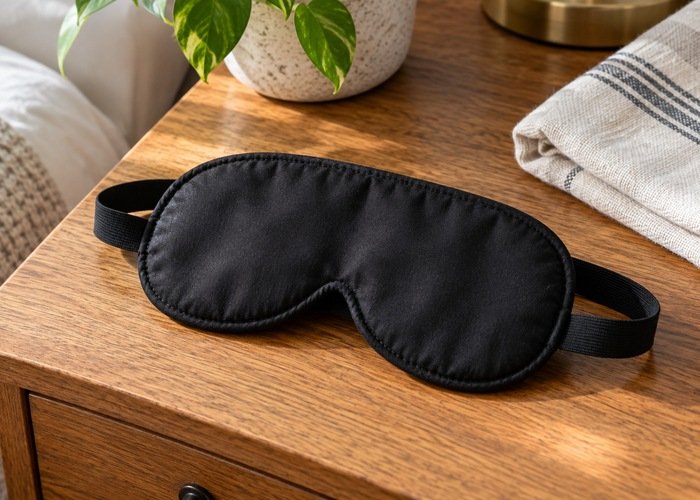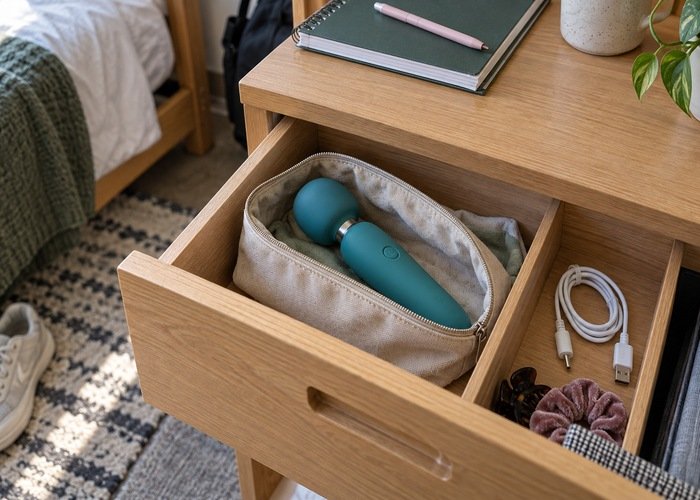
A BDSM playroom serves as a dedicated space where you can explore your desires in a controlled and private environment. It allows you to engage in consensual activities while maintaining a sense of security and focus. Safety should be your top priority when designing such a room. Proper equipment, communication, and preparation ensure a positive experience for everyone involved.
Discretion is equally essential. Thoughtful choices in location, soundproofing, and storage help you maintain privacy. The beauty of this space lies in its flexibility. You can set up the room to reflect your unique preferences and comfort levels, creating an environment that feels both personal and functional.
Key Takeaways
- Always think about safety when setting up your playroom. Make sure equipment is secure and check tools often to avoid accidents.
- Pick a private and easy-to-reach room for your playroom. Basements or spare bedrooms work well for keeping things private.
- Use ways to block sound to keep things quiet. Close gaps and hang thick curtains to stop noise and light.
- Start with basic furniture and tools. Get a strong bed and restraints first, then add more later.
- Make the room cozy with good lighting and colors. Use dim lights and warm colors to make it feel nice.
- Keep your tools organized with hidden storage. Try using pretty boxes or shelves to hide items but keep them handy.
- Talk openly with your partner(s) about rules and limits. Agree on boundaries and use safe words to stay comfortable.
- Clean your tools after every use to stay healthy. Sanitize equipment and keep the room clean for safety.
How to Set Up the Perfect Space
Choosing the Right Room
Ideal size and dimensions
The size of your BDSM playroom plays a crucial role in its functionality. A room large enough to accommodate a queen-sized bed, along with storage for toys and equipment, is ideal. This ensures you have sufficient space to move around comfortably and safely during activities. If space is limited, consider multi-functional furniture or foldable equipment to maximize the area. Basements, attics, or spare bedrooms often work well due to their potential for privacy and adaptability.
Accessibility and comfort
Accessibility is another key factor. Choose a room that is easy to reach but not in a high-traffic area of your home. This minimizes interruptions and enhances discretion. Ensure the space has proper ventilation and temperature control to maintain comfort during use. Adding soft flooring or padded mats can also improve comfort and reduce the risk of injury.
Ensuring Privacy
Soundproofing techniques
Soundproofing your playroom is essential for maintaining privacy. Start by sealing gaps around doors and windows with weatherstripping or acoustic sealant. Adding heavy curtains or blackout blinds can help block sound and light. For walls, consider installing acoustic panels or using soundproof paint. Carpets and rugs can also absorb sound, reducing noise transmission to other parts of your home.
Best locations for discretion
When selecting a location, prioritize areas that naturally offer privacy. Basements and attics are excellent choices due to their separation from main living spaces. If these options are unavailable, a spare bedroom with a lockable door can work well. Avoid rooms near shared spaces like living rooms or kitchens to minimize the risk of being overheard or interrupted.
Budgeting for the Space
Prioritizing essentials over extras
When setting up your playroom, focus on essentials first. Start with basic items like a sturdy bed, restraints, and storage solutions. Gradually add more specialized equipment as your budget allows. This approach ensures you have a functional space without overspending. Remember, safety and comfort should always take precedence over aesthetics or advanced features.
Tips for budget-friendly setups
Creating a playroom on a budget is entirely possible with some creativity. Look for second-hand furniture or repurpose items you already own. For example, a sturdy table can double as a bondage bench. Use DIY solutions for soundproofing, such as hanging thick blankets on walls. Gradually invest in high-quality equipment as your budget permits. Additionally, consider using a secure box to store toys and setting up the room only when needed to save on permanent fixtures.
Tip: Start small and expand your playroom over time. This allows you to prioritize safety and functionality while staying within your budget.
Designing the Playroom
Creating the Right Mood
Themes and aesthetics
Choosing a theme for your BDSM playroom sets the tone for your experiences. You can opt for a classic dungeon aesthetic with dark colors and metal accents or a more modern, minimalist approach. Consider incorporating elements that resonate with your personal tastes. For example, you might choose a vintage Victorian theme with ornate furniture and rich fabrics.
To enhance the ambiance, select colors that evoke the desired emotions. Colors like red and purple create feelings of mystery and passion. You can also use gold, silver, and black to add a touch of elegance. Sensual decor, such as velvet drapes and plush rugs, enhances the sensory experience, making the space inviting and stimulating.
Lighting for ambiance and functionality
Lighting plays a crucial role in establishing a sensual atmosphere. Dimmable lights are highly recommended for intimacy, allowing you to adjust brightness according to the mood. Proper lighting placement is essential for visibility during play, enhancing the overall experience. Consider using soft, warm lights or colored bulbs to create a more inviting environment.

You might also incorporate candles or LED strip lights to add a touch of drama. These options not only provide illumination but also contribute to the overall aesthetic of the room.
Choosing Colors and Materials
Sensual color schemes
When selecting colors for your playroom, think about how they will influence the mood. Sensual color schemes often include deep reds, purples, and blacks. These colors can evoke feelings of passion and excitement. You can also use lighter shades, like soft pinks or creams, to balance the intensity and create a more inviting atmosphere.
Durable, easy-to-clean materials
Durability and cleanliness are paramount in a BDSM playroom. Choose materials that can withstand wear and tear while being easy to clean. Leather, vinyl, and faux leather are excellent choices for furniture and accessories, as they can be wiped down quickly. For flooring, consider using rubber mats or vinyl, which are both durable and easy to maintain.
Incorporating washable fabrics for curtains and cushions can also help keep the space hygienic. This way, you can focus on your experiences without worrying about the upkeep of your playroom.
Organizing and Storage
Discreet storage solutions
Keeping your BDSM equipment organized and out of sight is essential for maintaining discretion. Invest in storage solutions that blend seamlessly with your decor. Consider using decorative boxes or ottomans that can store toys and accessories while serving as functional furniture.
You can also use wall-mounted shelves or cabinets to keep items accessible yet hidden. This approach allows you to maintain a tidy space without compromising on style.
Keeping tools accessible
While discretion is important, you also want to ensure that your tools are easily accessible during play. Create a designated area for your most-used items, such as restraints and floggers. A pegboard or wall hooks can be an effective way to display these tools while keeping them organized.
Consider using a rolling cart for items you frequently use. This allows you to move your tools around the room as needed, ensuring everything is within reach when the moment arises.
Essential Equipment to Set Up
Furniture
Key items like bondage beds and benches
When setting up your BDSM playroom, selecting the right furniture is crucial. Bondage beds and benches are key items that provide both functionality and comfort. These pieces are designed to support various activities while ensuring safety. You might consider a bondage bed with built-in restraints or a bench that allows for different positions. These items form the foundation of your playroom, offering stability and versatility.
Multi-functional furniture for small spaces
If space is limited, multi-functional furniture becomes essential. Here are some design guidelines to consider:
- Convertible & Discreet Kinky Furniture: Opt for items like under-bed storage and couches with hidden compartments. These allow for easy access while maintaining a discreet appearance.
- Wall-Mounted Options: Discreet restraints and wall-mounted crosses save space and can be hidden when not in use.
- Compact BDSM Furniture: Folding and adjustable furniture can be easily stored away, making it practical for smaller spaces.
These solutions help you maximize your space without compromising on the quality of your setup.
Tools and Accessories
Common items like restraints and floggers
Tools and accessories are integral to your BDSM playroom. Restraints and floggers are common items that enhance your experience. When selecting these tools, prioritize safety and quality. Research reputable brands known for their craftsmanship and attention to detail. Reading reviews and seeking recommendations from experienced enthusiasts can guide your choices.
High-quality materials for safety
Safety should always be your top priority. Pay attention to the materials used in your tools. Ensure they are sturdy and designed specifically for bondage play. Regularly inspect and maintain your gear before each session. Establish clear boundaries, safe words, and a system for regular check-ins to ensure comfort and well-being. Additionally, have safety scissors or shears on hand for emergencies. Educating yourself on anatomy and physiology can further enhance safety during play.
Optional Additions
Advanced equipment for experienced users
As you become more experienced, you may wish to incorporate advanced equipment into your playroom. Items like suspension rigs or electrostimulation devices can add new dimensions to your activities. However, these require a higher level of expertise and understanding. Ensure you are well-informed about their use and safety precautions before integrating them into your setup.
Decorative elements to enhance the theme
Decorative elements can significantly enhance the theme of your playroom. Consider adding items like artwork, mirrors, or themed decor that align with your chosen aesthetic. These elements not only contribute to the ambiance but also personalize your space, making it uniquely yours.
Note: Always prioritize safety and consent in your playroom setup. Regularly review and update your equipment to ensure it meets your evolving needs and preferences.
Safety Measures for Your Playroom
Physical Safety
Securing equipment to prevent accidents
Properly securing your equipment is essential to prevent accidents during play. Start by anchoring heavy furniture, such as bondage beds or suspension rigs, to the floor or walls. Use brackets or bolts designed for high weight loads to ensure stability. Regularly inspect all equipment for signs of wear and tear, such as frayed straps or loose screws. Replace damaged items immediately to avoid potential hazards.
Consider using a checklist to verify the safety of your setup before each session. For example:
- Ensure restraints are securely fastened but not overly tight.
- Confirm that suspension points can handle the intended weight.
- Test the stability of furniture by applying pressure to different areas.
A proactive approach to safety reduces the likelihood of injuries. By anticipating risks and addressing them beforehand, you create a safer environment for everyone involved.
Emergency protocols and first aid
Emergencies can happen, even in the most carefully planned scenarios. Establish clear protocols to handle unexpected situations. Keep a first aid kit in your playroom, stocked with essentials like bandages, antiseptic wipes, and safety scissors. Safety scissors are particularly important for quickly cutting through restraints in case of distress.
Create a plan for medical emergencies. Know the location of the nearest hospital and have emergency contact numbers readily available. Discuss these protocols with your partner(s) before engaging in play. This ensures everyone understands what to do if something goes wrong.
The importance of communication cannot be overstated. Encourage your partner(s) to report discomfort or concerns immediately. Reacting promptly to minor issues can prevent them from escalating into serious problems.
Tip: Practice emergency drills to familiarize yourself with the protocols. This preparation can make a significant difference in high-pressure situations.
| Technique | Injury Rate |
|---|---|
| Proactive approach | 100 |
| Reactive approach | 23 |
Emotional Safety
Communication and consent practices
Emotional safety is just as important as physical safety in a BDSM playroom. Open and honest communication lays the foundation for trust. Before engaging in any activity, discuss boundaries, preferences, and limits with your partner(s). Use tools like checklists or questionnaires to ensure all aspects are covered.
Consent must be explicit and ongoing. Establish safe words or signals that allow participants to pause or stop the activity at any time. Regularly check in with your partner(s) during play to ensure they feel comfortable and secure. This practice fosters a positive and respectful environment.
Note: Consent is not a one-time agreement. It requires continuous communication and mutual understanding.
Aftercare essentials
Aftercare is a crucial part of emotional safety. It involves providing comfort and support to your partner(s) after a session. This can include physical care, such as offering water or a blanket, and emotional reassurance, like discussing the experience or expressing gratitude.
Tailor aftercare to the needs of your partner(s). Some may prefer quiet time alone, while others might appreciate cuddling or conversation. The goal is to help everyone transition back to a relaxed state and address any lingering emotions.
Tip: Keep a dedicated aftercare kit in your playroom. Include items like snacks, soothing lotions, and soft towels to enhance the experience.
Hygiene and Cleanliness
Cleaning and sanitizing tools
Maintaining hygiene in your playroom is non-negotiable. Clean and sanitize all tools and equipment after each use. For items like restraints and floggers, use disinfectant wipes or sprays designed for the materials. Wash washable fabrics, such as sheets or curtains, regularly to prevent the buildup of bacteria.
For more durable items, like metal or silicone tools, immerse them in warm soapy water or use specialized cleaning solutions. Always follow the manufacturer’s instructions to avoid damaging your equipment.
Tip: Create a cleaning schedule to ensure all items are sanitized consistently. This habit minimizes the risk of infections and keeps your playroom safe.
Maintaining a hygienic space
A clean playroom enhances both safety and comfort. Dust and vacuum the room regularly to remove allergens and debris. Use air purifiers to maintain good air quality, especially in enclosed spaces like basements or attics. Keep trash bins accessible and empty them frequently to avoid unpleasant odors.
Organize your tools and accessories to prevent clutter. Disorganized spaces can lead to accidents or misplaced items. Use labeled storage containers to keep everything in its place.
Reminder: Hygiene is an ongoing process. Regular maintenance ensures your playroom remains a safe and inviting space for exploration.
Tips for Keeping It Discreet
Maintaining Privacy
Using locks and access controls
Securing your BDSM playroom starts with effective locks and access controls. Install high-quality locks on the door to prevent unauthorized entry. Consider using digital locks that require a code or fingerprint for added security. This ensures only trusted individuals can access the room. You might also use a smart home system to monitor entry remotely. These systems provide alerts when someone attempts to enter, allowing you to maintain control over who accesses the space.
Concealing the room’s purpose
Concealing the purpose of your playroom is crucial for discretion. Use furniture and decor that blend with the rest of your home. For example, a bondage bed can double as a regular bed with the addition of a stylish duvet cover. Wall-mounted equipment can be hidden behind artwork or curtains. Consider using multi-functional furniture that serves everyday purposes, such as ottomans with storage compartments. This approach keeps the room’s true function hidden from casual observers.
Soundproofing and Noise Control
Materials to reduce noise
Reducing noise is essential for maintaining privacy. Use soundproofing materials like acoustic panels or foam tiles on walls and ceilings. These materials absorb sound and prevent it from traveling to other parts of your home. Heavy curtains or carpets can also help dampen noise. Consider installing a solid-core door, which provides better sound insulation than hollow-core doors. These measures ensure your activities remain private and undisturbed.

Managing sound levels during play
Managing sound levels during play requires strategic planning. Use music or white noise machines to mask sounds from your playroom. These devices create a consistent background noise that can help cover any unexpected sounds. Encourage participants to communicate in hushed tones and avoid loud vocalizations. You might also use soft restraints or padded equipment to minimize noise from movement. These strategies help maintain a discreet environment.
Handling Visitors
Explaining the space if discovered
If visitors discover your playroom, have a prepared explanation ready. You might describe it as a personal gym or meditation space. Highlight the multifunctional aspects of the room, such as exercise equipment or yoga mats. This approach provides a plausible reason for the room’s setup without revealing its true purpose. Be confident and concise in your explanation to avoid raising suspicion.
Keeping the room off-limits
Keeping the room off-limits to visitors requires clear boundaries. Inform guests that certain areas of your home are private and not open for exploration. Use signs or verbal reminders to reinforce these boundaries. If necessary, lock the door during gatherings to prevent accidental entry. This proactive approach ensures your playroom remains a private sanctuary.
Tip: Regularly review your privacy measures to ensure they remain effective. Adjust strategies as needed to maintain discretion and security.
Designing a BDSM playroom is a deeply personal journey. Tailor the space to reflect your unique preferences and desires. Whether you prefer a minimalist setup or an elaborate theme, your playroom should feel like an extension of your personality.
Safety, consent, and communication remain the cornerstones of any successful setup. Regularly inspect your equipment, discuss boundaries with your partner(s), and prioritize emotional well-being through aftercare. These practices ensure a secure and respectful environment.
Tip: Start small and evolve your playroom over time. Focus on creating a space that balances functionality with discretion, allowing you to explore confidently and comfortably.
FAQ
What is the best way to start designing a BDSM playroom?
Begin by identifying your needs and preferences. Choose a private, accessible room and focus on essentials like furniture and storage. Gradually add equipment as your experience grows. Prioritize safety and functionality over aesthetics initially.
Tip: Sketch a layout to visualize the space before purchasing items.
How can I ensure my playroom remains discreet?
Use multi-functional furniture and decor that blends with your home. Install locks and soundproofing materials. Store tools in concealed compartments or decorative boxes. Avoid leaving equipment visible when not in use.
Example: A storage ottoman can hide toys while serving as seating.
What are the most important safety measures for a BDSM playroom?
Secure heavy furniture and inspect equipment regularly. Keep a first aid kit and safety scissors nearby. Establish clear communication protocols, including safe words. Discuss boundaries and check in with your partner(s) during play.
Reminder: Always test new equipment before use to ensure stability.
How do I clean and maintain BDSM equipment?
Clean tools after every use with appropriate disinfectants. Wash fabrics like sheets and curtains regularly. For durable items, follow the manufacturer’s cleaning instructions. Create a cleaning schedule to maintain hygiene consistently.
Tip: Use labeled containers to separate clean and used items.
Can I create a BDSM playroom on a tight budget?
Yes, repurpose furniture and use DIY solutions for soundproofing. Start with essentials like restraints and storage. Gradually invest in high-quality equipment as your budget allows. Look for second-hand items or sales to save money.
Example: A sturdy table can double as a bondage bench.
What lighting works best for a BDSM playroom?
Dimmable lights create a versatile ambiance. Use warm tones or colored bulbs for intimacy. Add candles or LED strips for decorative lighting. Ensure functional lighting for safety during play.
Note: Avoid overly bright lights that disrupt the mood.
How do I handle visitors who discover my playroom?
Prepare a plausible explanation, such as calling it a personal gym or meditation space. Highlight multi-functional furniture to support your claim. Politely but firmly set boundaries to keep the room off-limits.
Example: “This is my private yoga and relaxation space.”
What are some advanced additions for experienced users?
Consider suspension rigs, electrostimulation devices, or themed decor. These items require expertise and careful planning. Research thoroughly and practice safety protocols before incorporating them into your playroom.
Reminder: Advanced equipment should only be used with proper training and consent.